Common beech
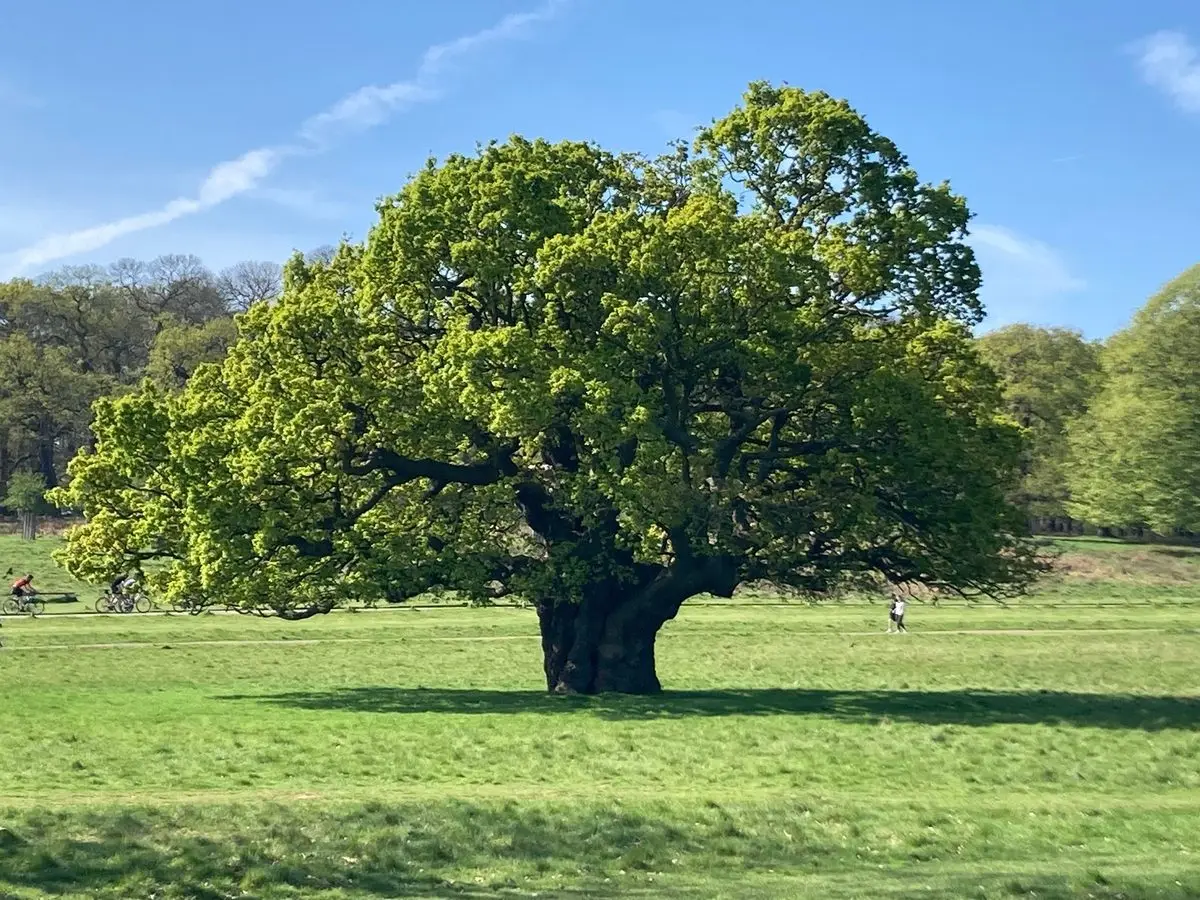
Fagus sylvaticaBeech is a big tree with smooth, silvery grey bark on a round trunk. Its long, pointed copper buds stand out from the twig at a wide angle.
How to identify common beech →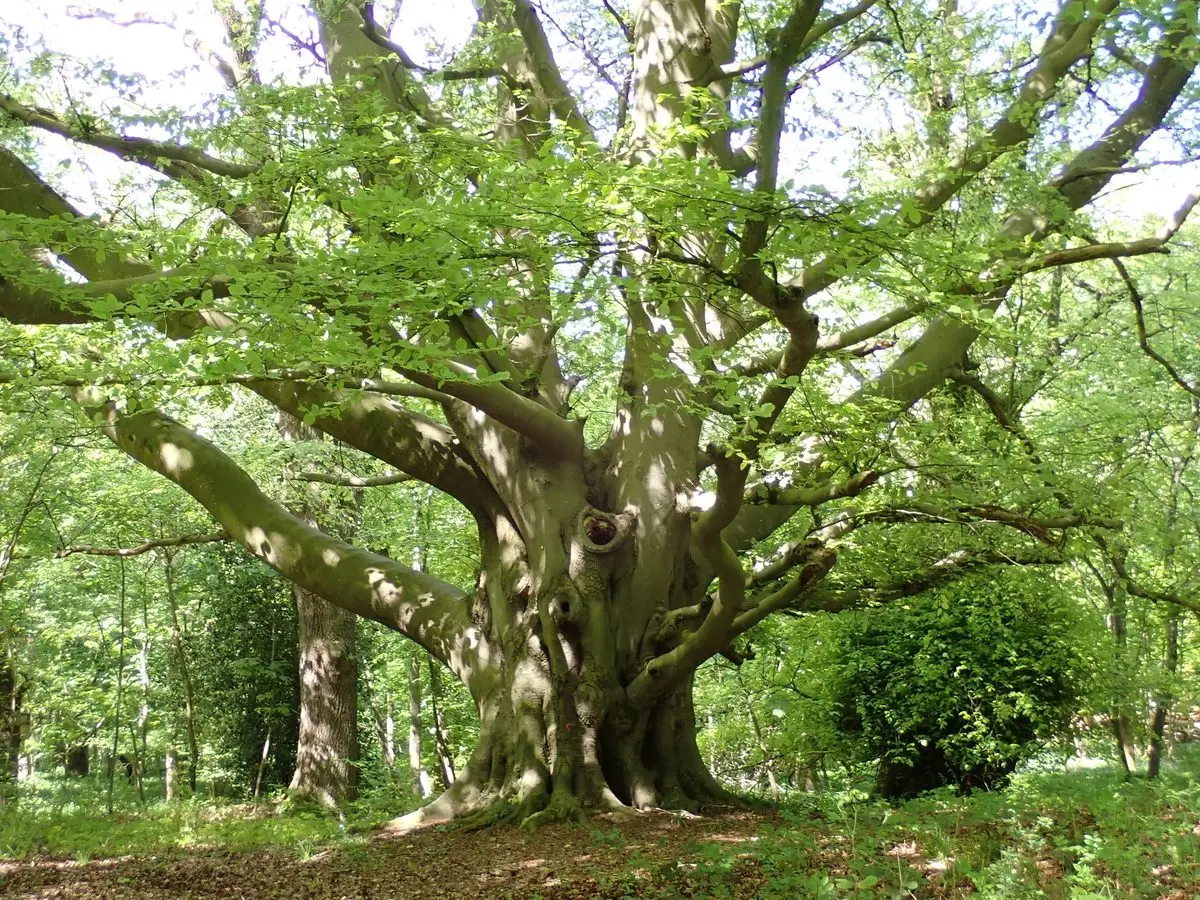 Juraj Ahel, CC BY 4.0
Both hold some dead leaves through the winter.
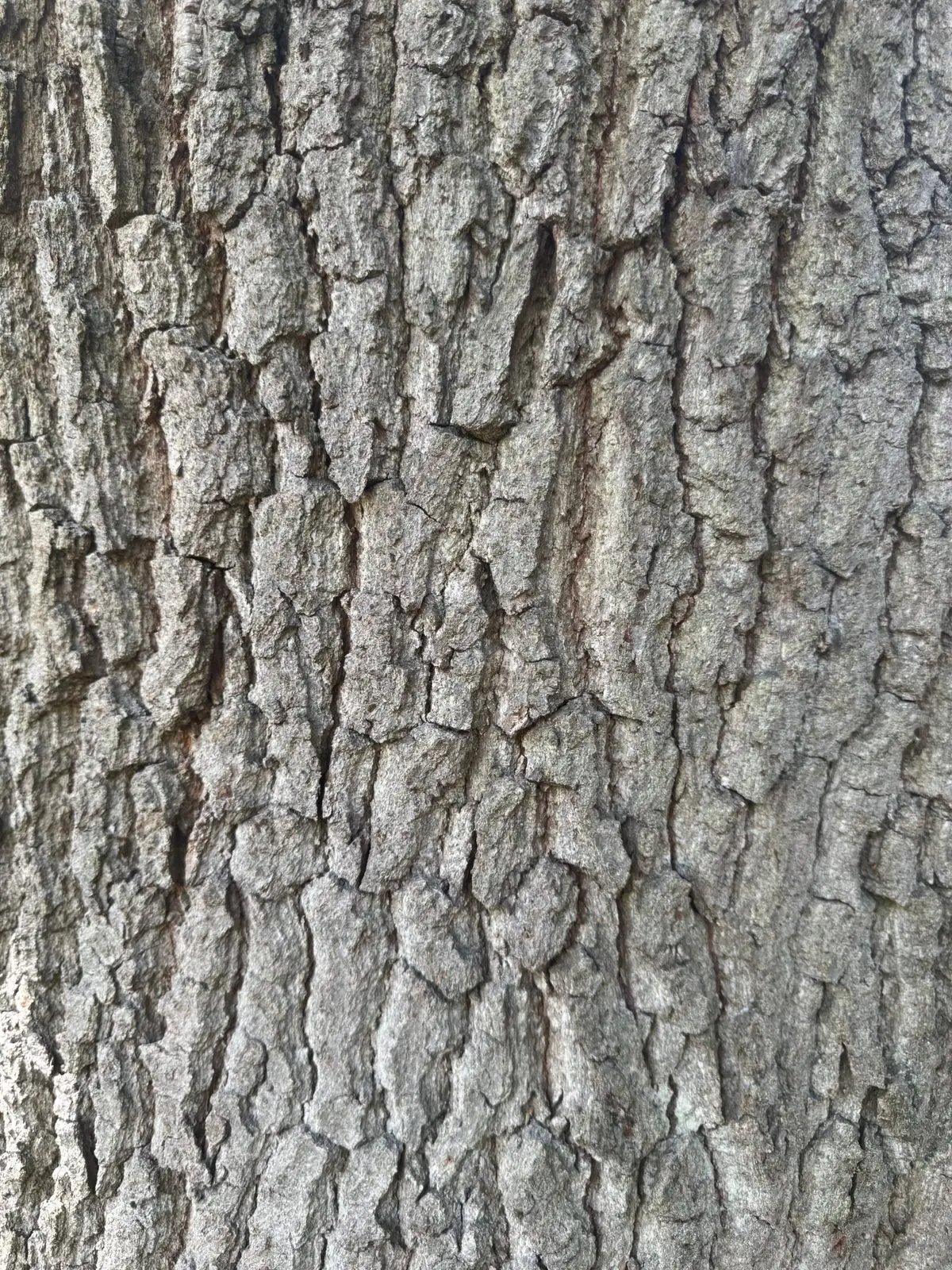
The quickest check is the older trunk. Common beech: smooth silvery grey, with faint sideways lines. English oak: grey, in short, deep, knobbly ridges.
| Look at | Common beech | English oak |
|---|---|---|
| Older trunk | Smooth silvery grey, with faint sideways lines | Grey, in short, deep, knobbly ridges |
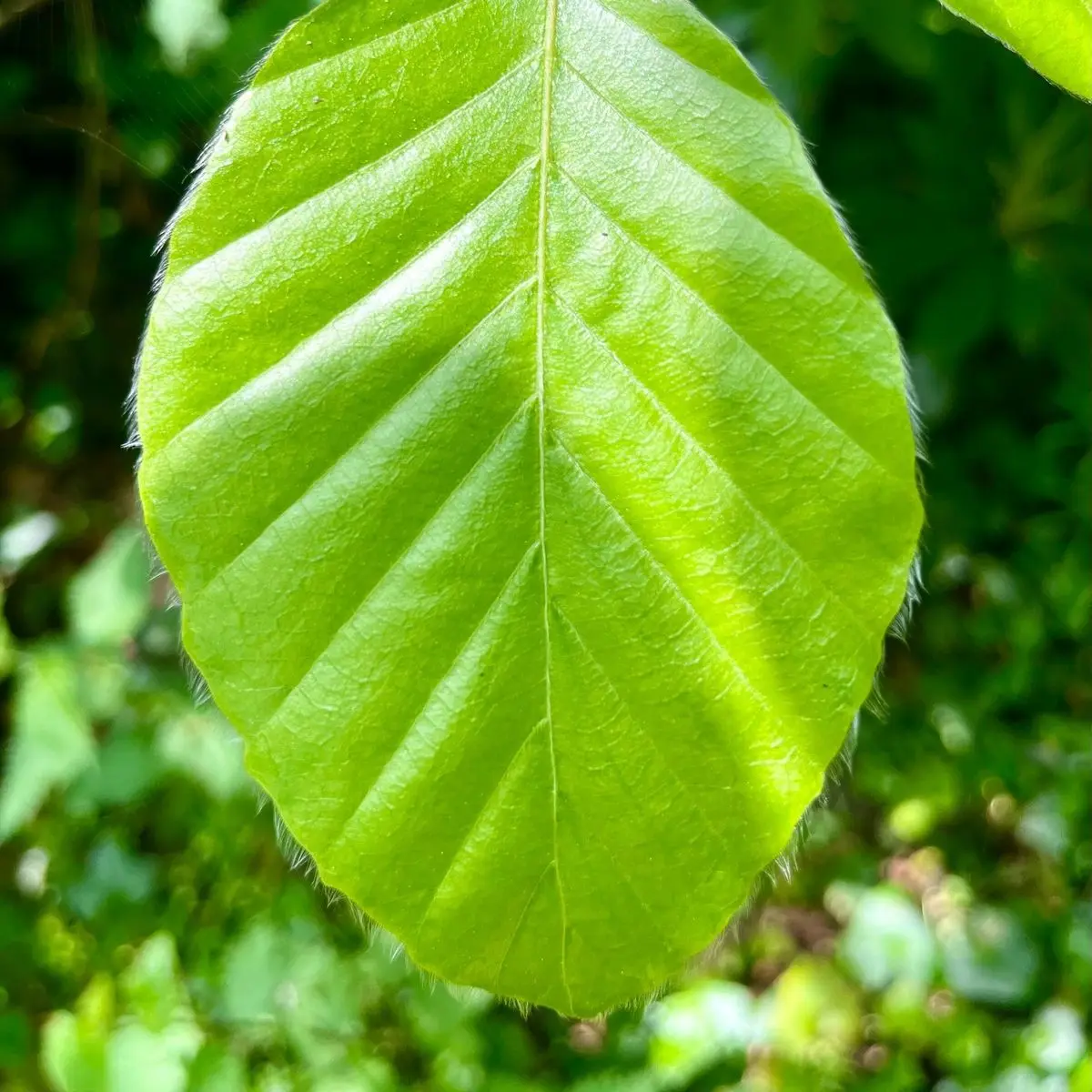
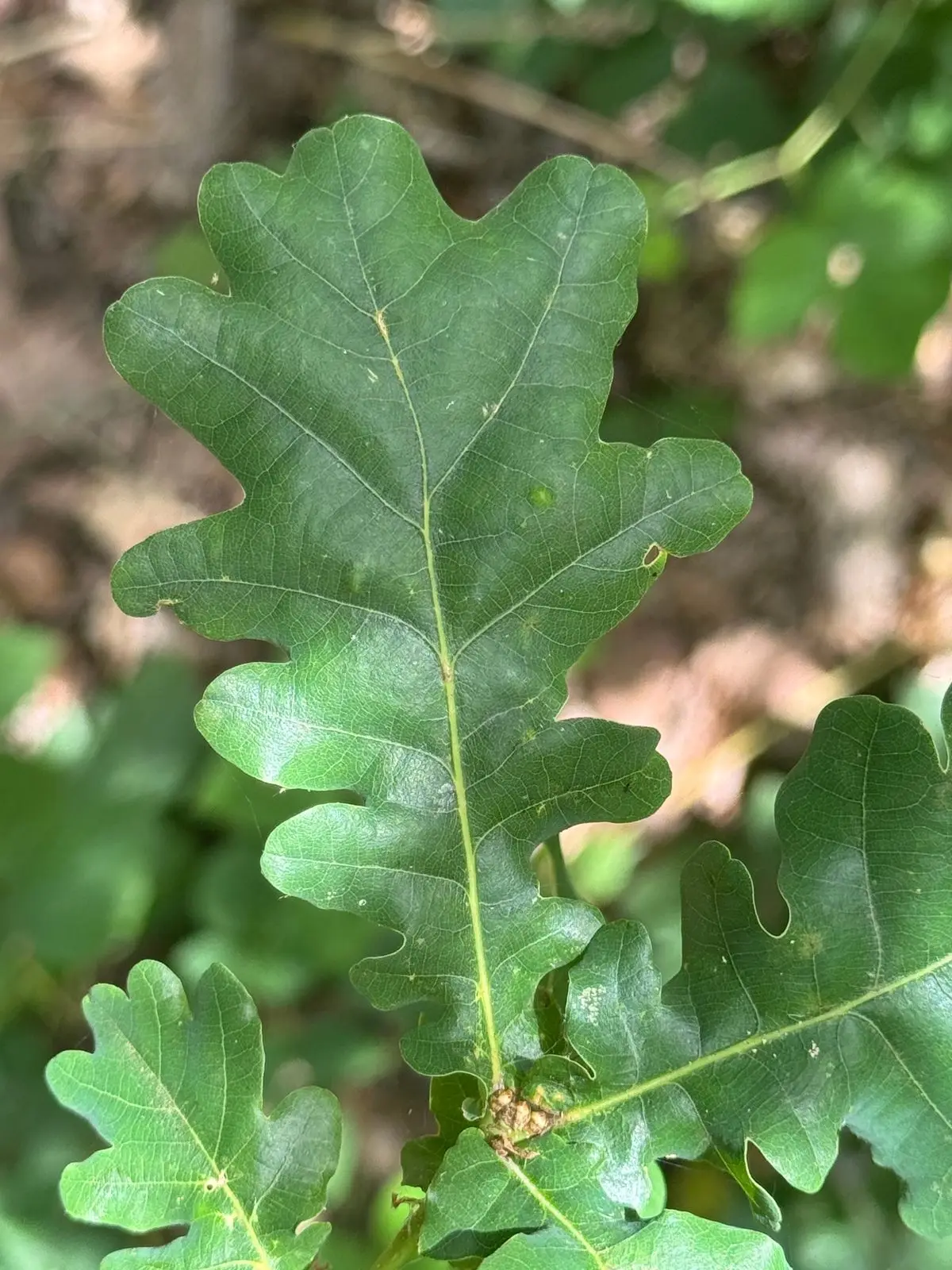
| Outline of a leaf | Oval with a pointed tip and a wavy edge | Deep rounded lobes, three to six a side |
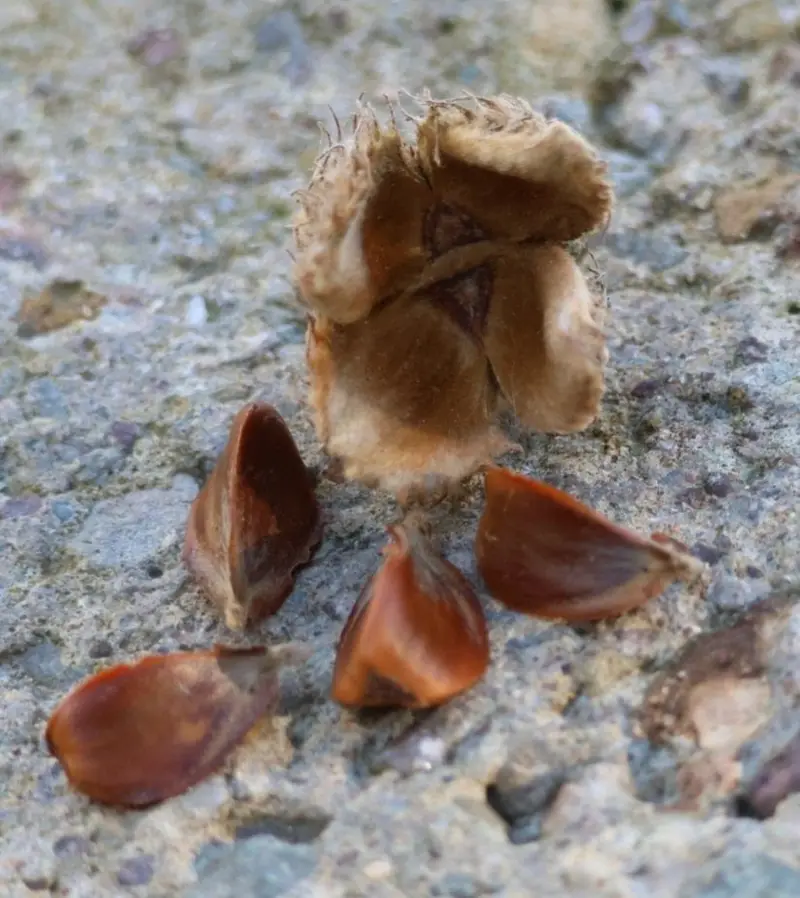
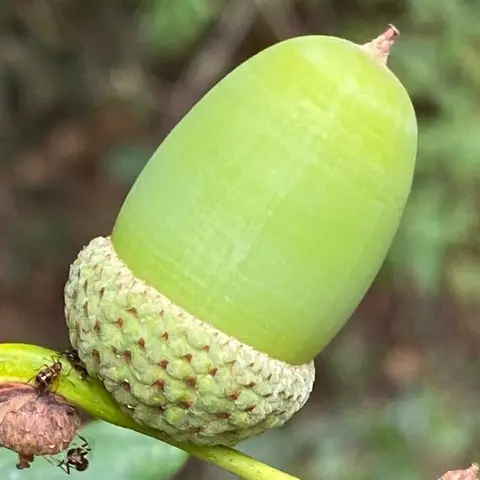
| Fallen fruit | Two triangular nuts in a prickly four-lobed husk | An acorn in a shallow scaly cup |
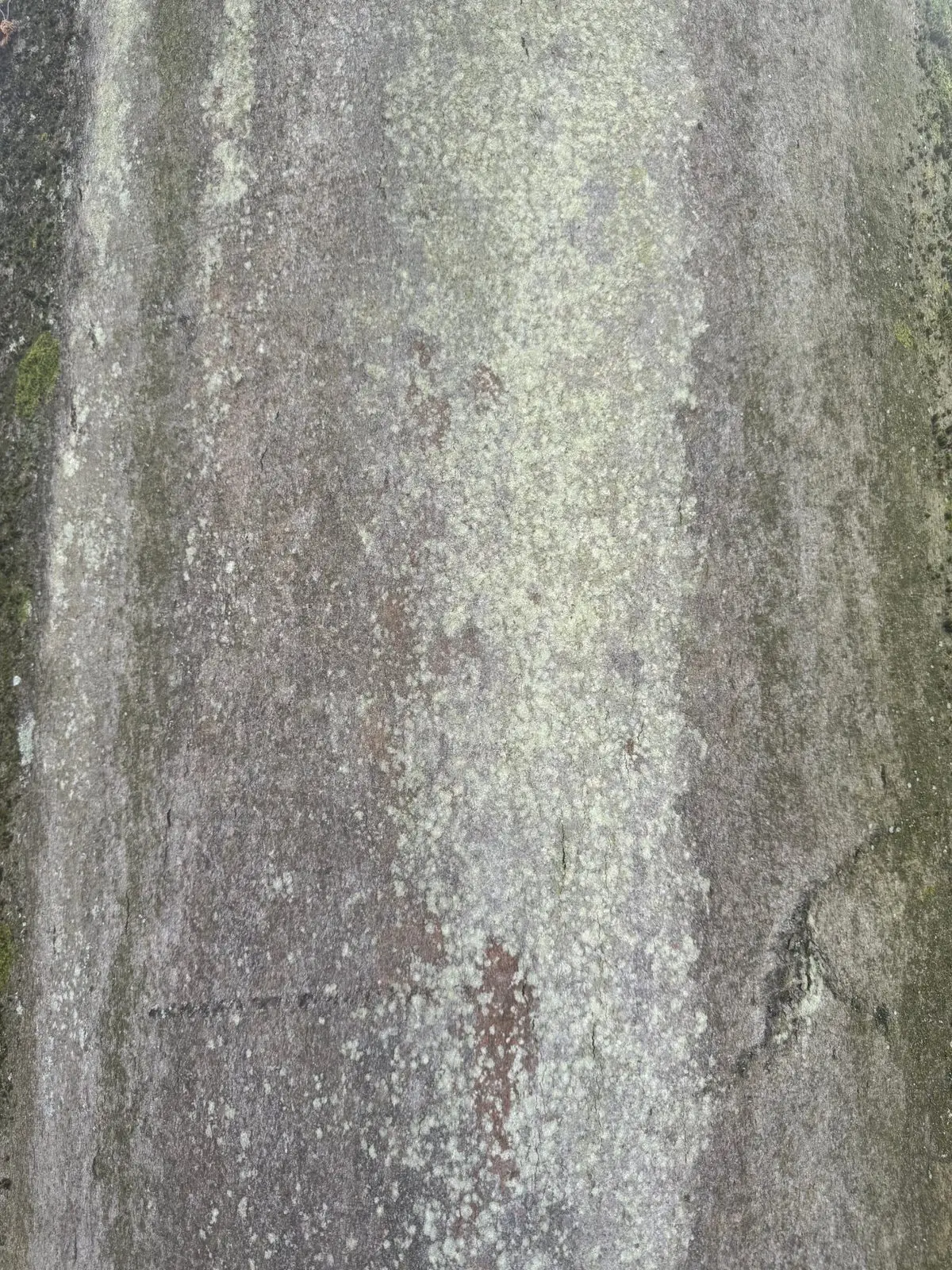
Beech is a big tree with smooth, silvery grey bark on a round trunk. Its long, pointed copper buds stand out from the twig at a wide angle.
How to identify common beech →English oak is a broad, spreading tree with heavy, twisting branches. Its leaves have deep rounded lobes and a very short stalk. The acorns hang on long stalks, often in pairs.
How to identify English oak →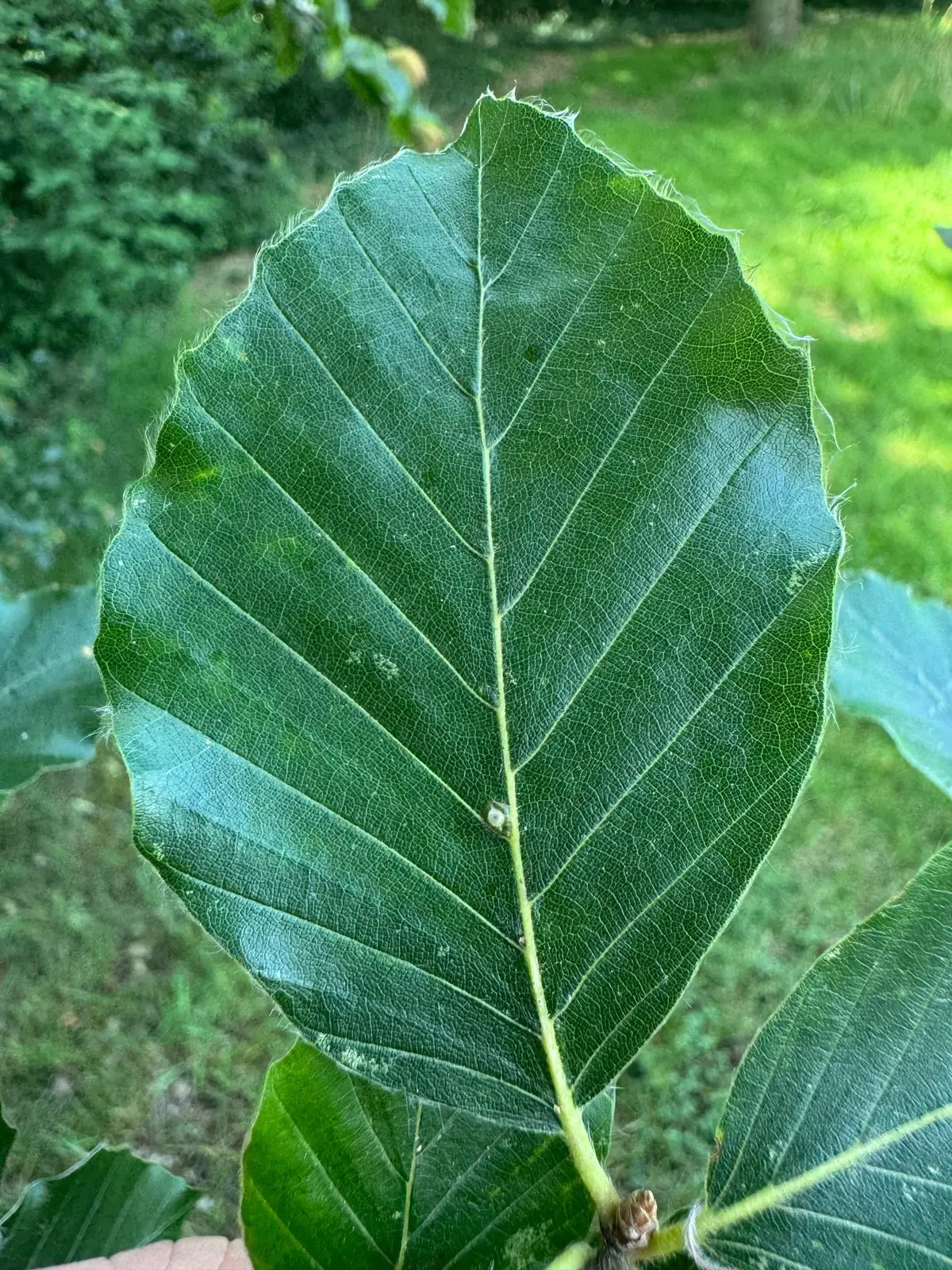
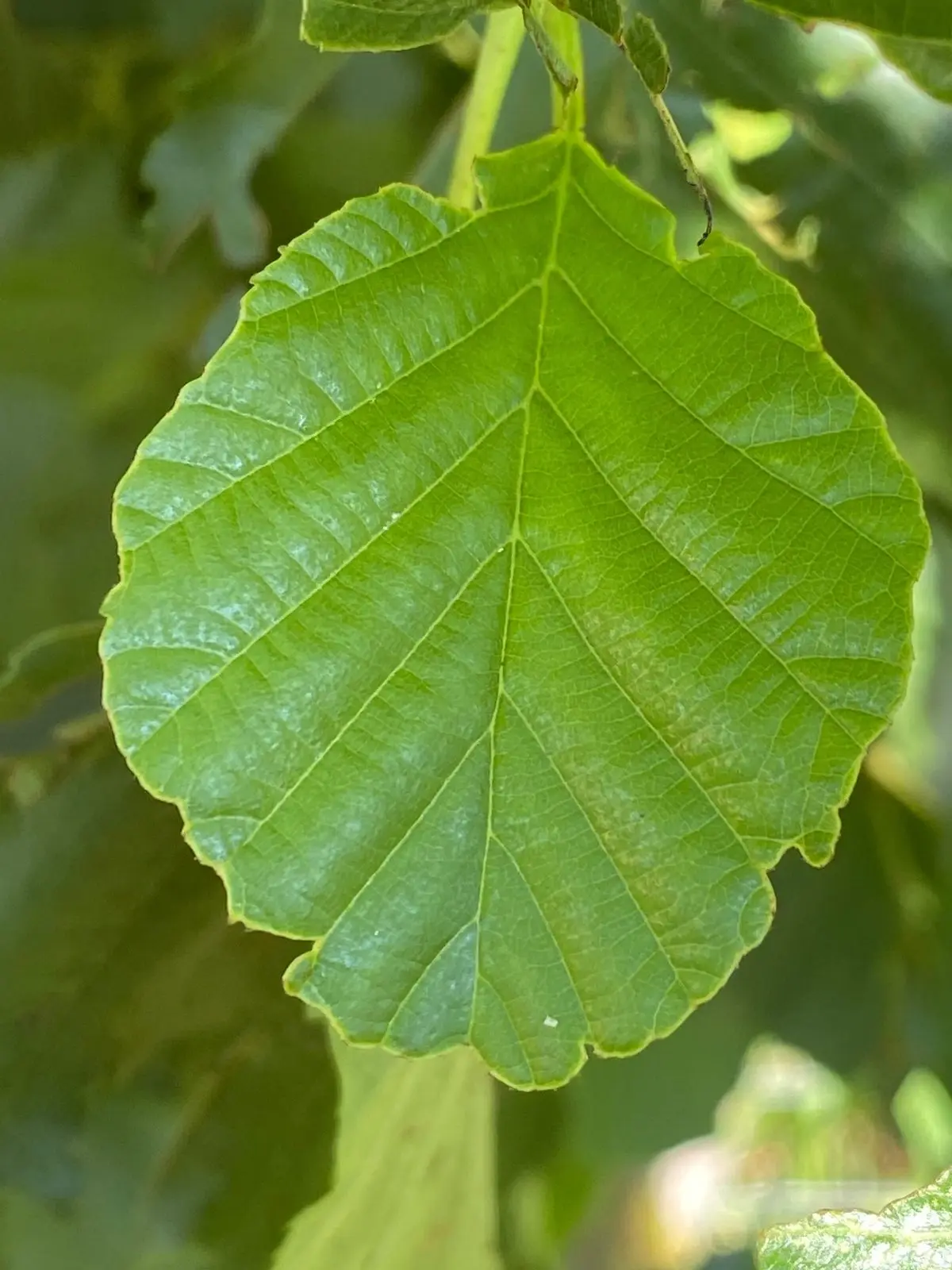 Common beech or alder?Quickest check: the tip of a leaf→
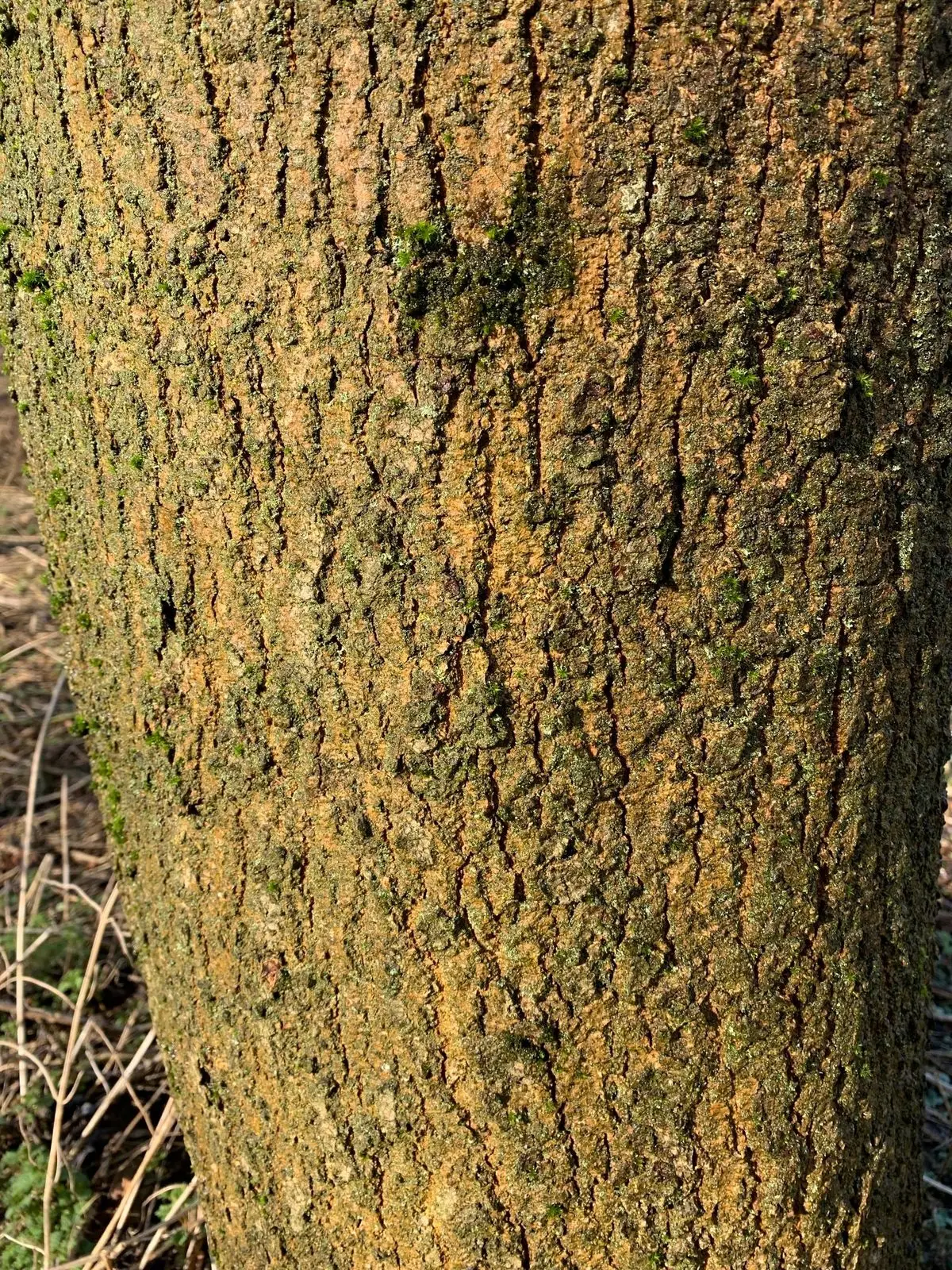 Common beech or common ash?Quickest check: the older trunk→
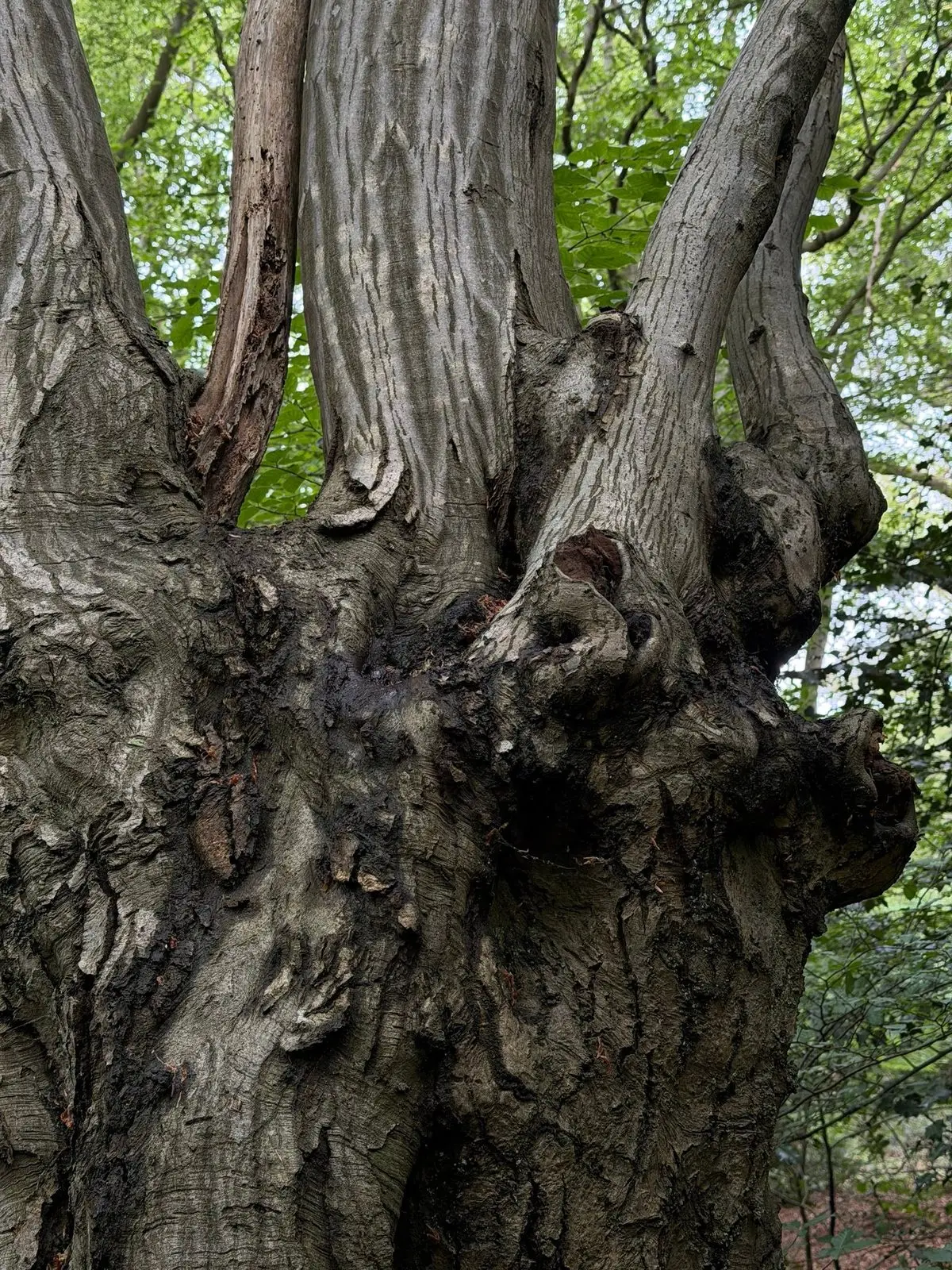 Common beech or hornbeam?Quickest check: the trunk surface→
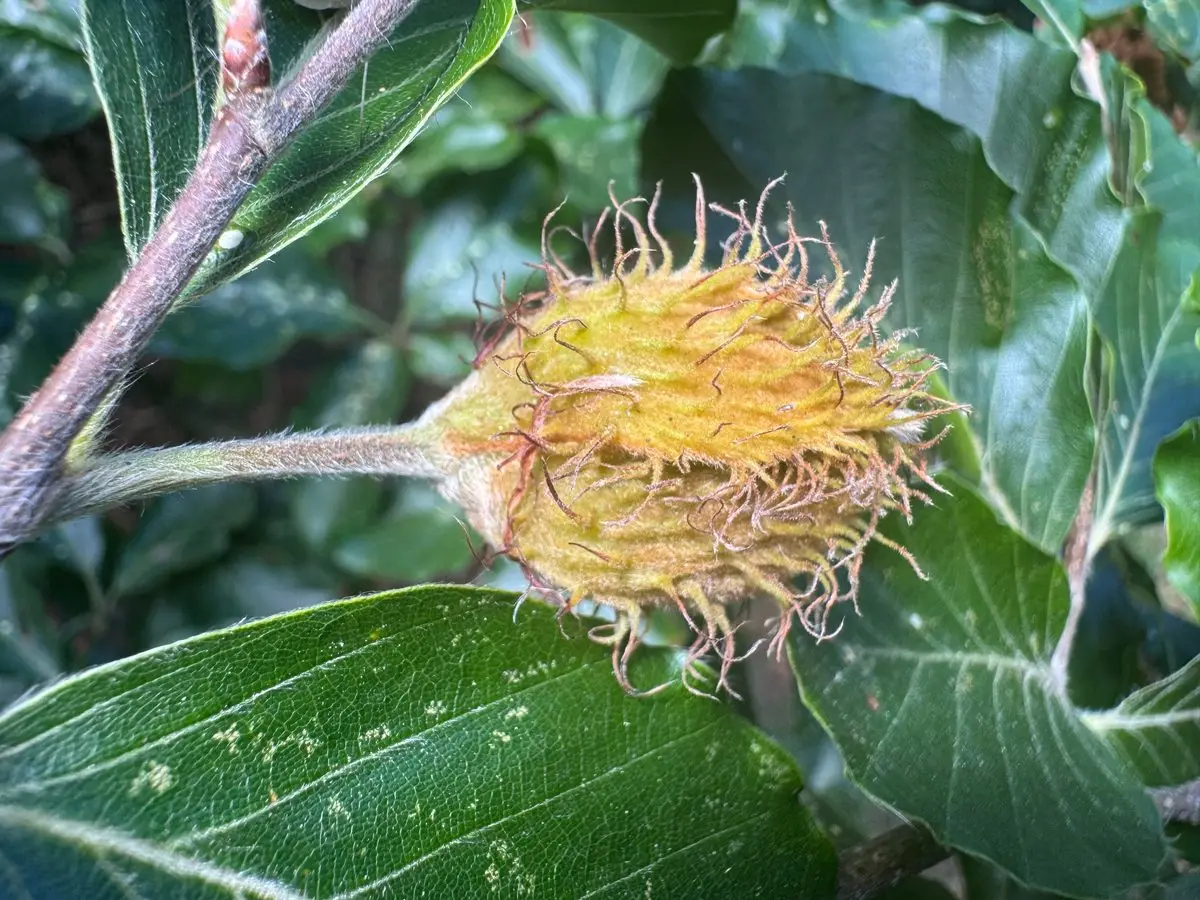
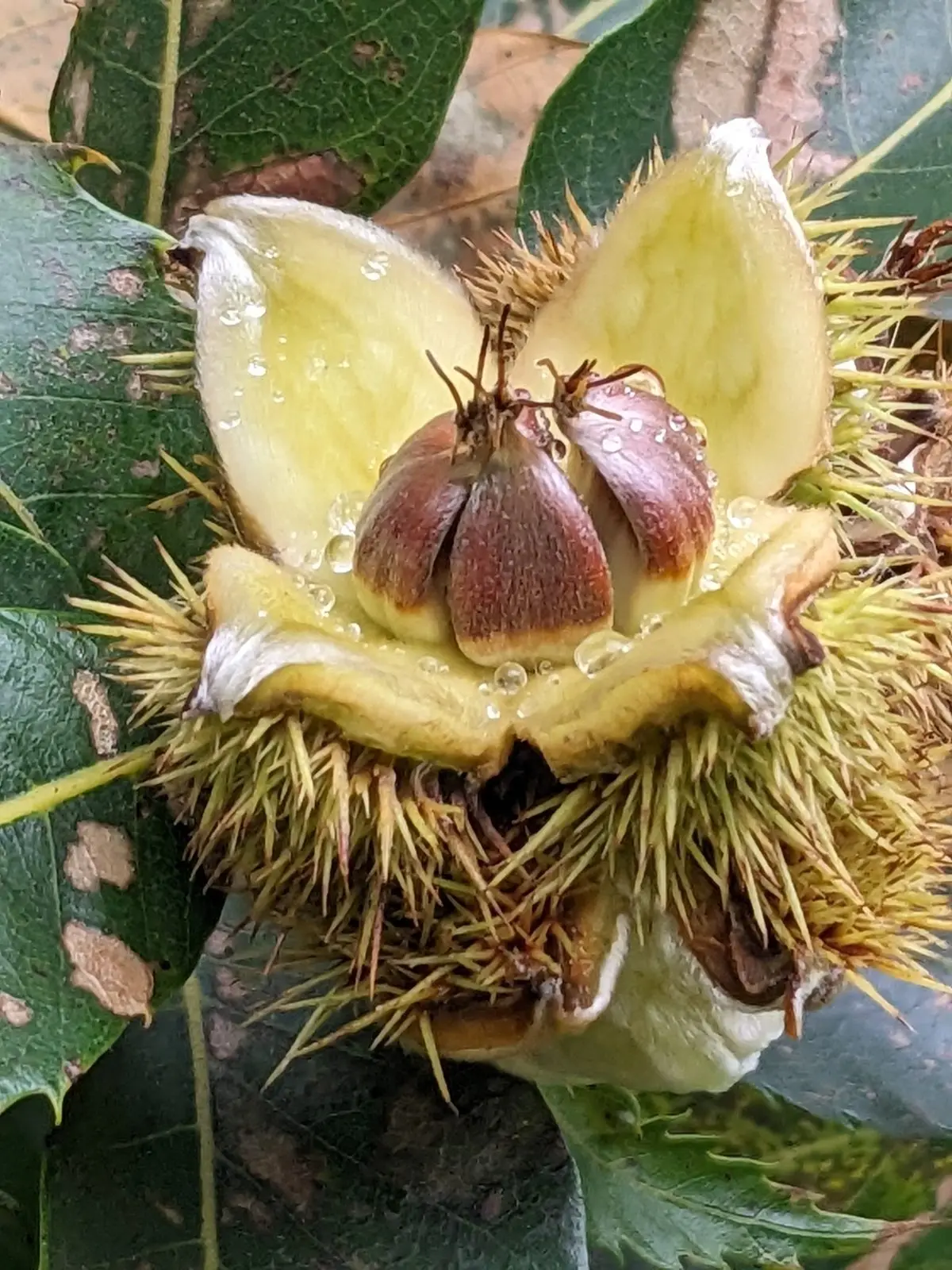 Common beech or sweet chestnut?Quickest check: the husk→
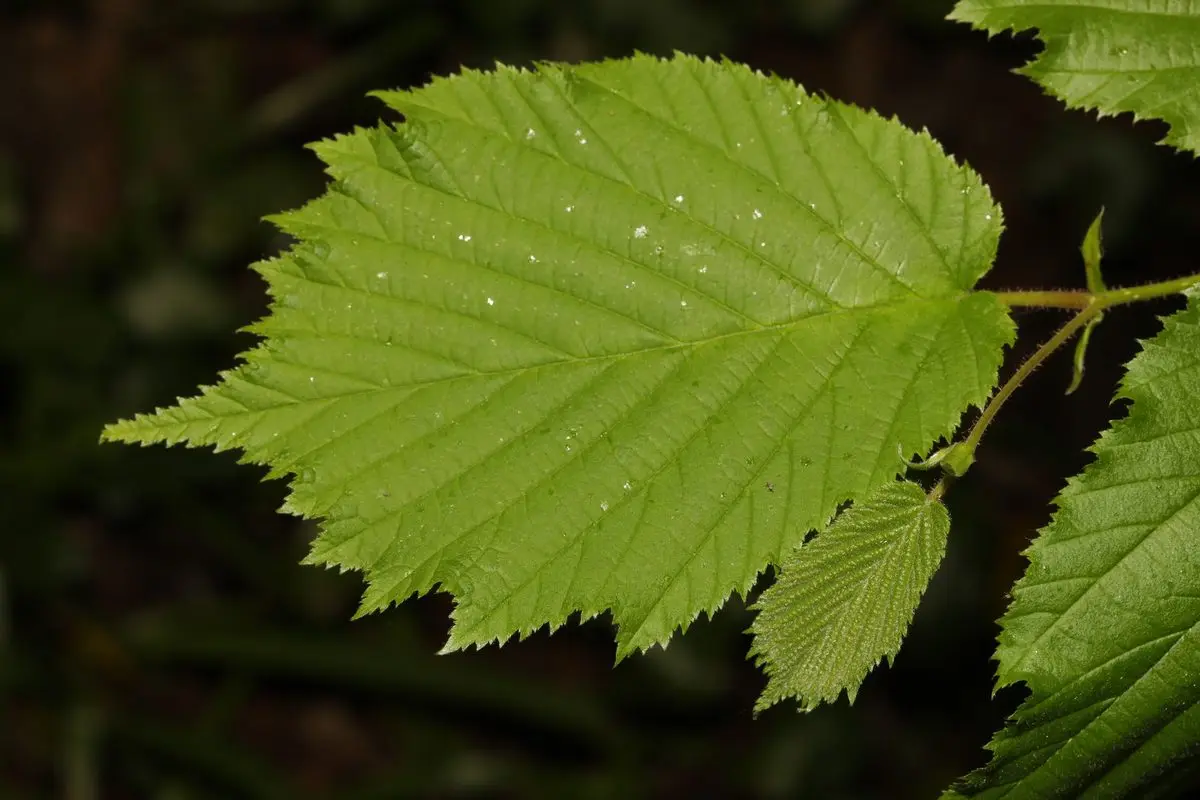 Common beech or hazel?Quickest check: the tip of a leaf→English oak or common ash?Quickest check: the older trunk→
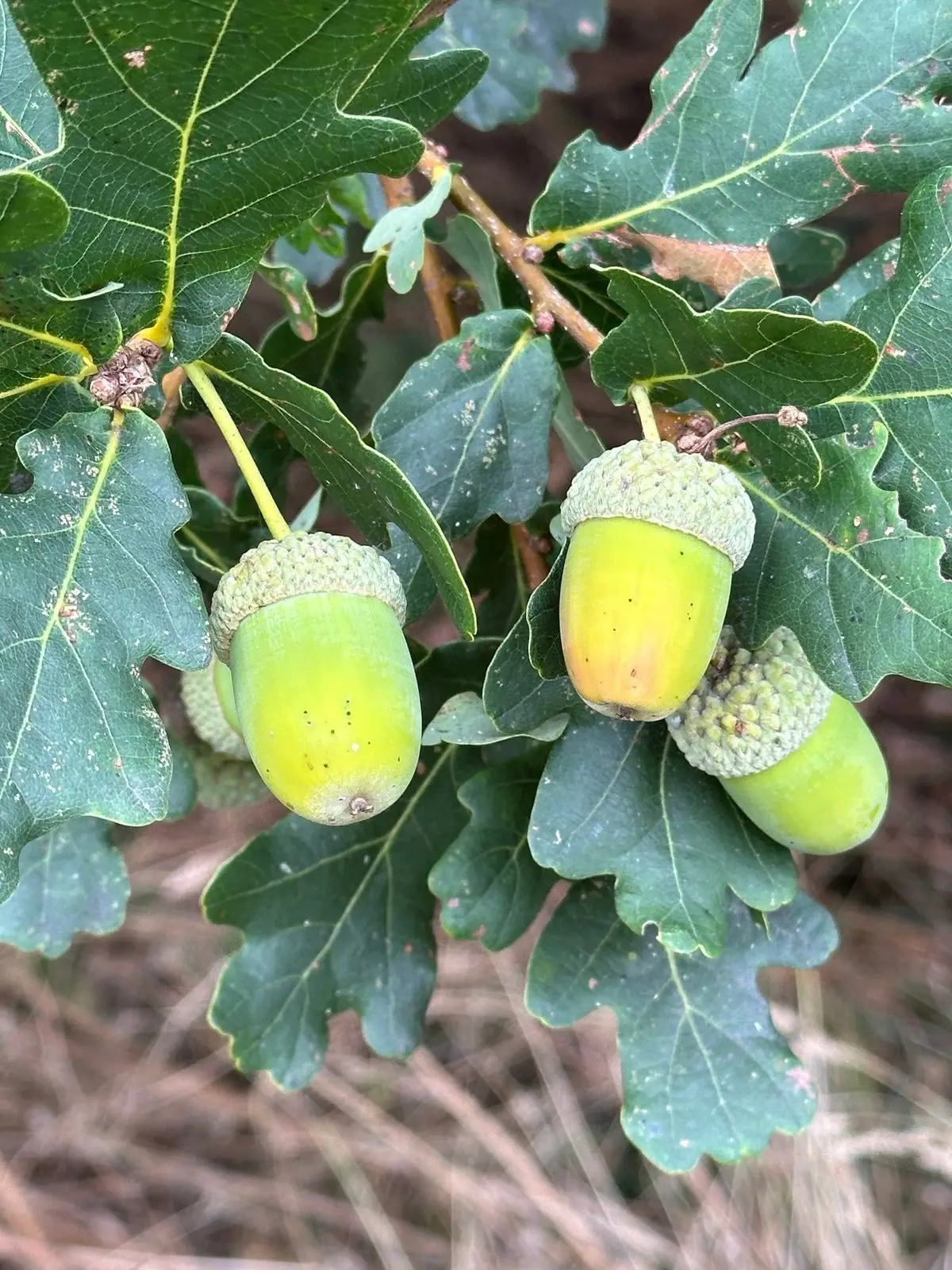
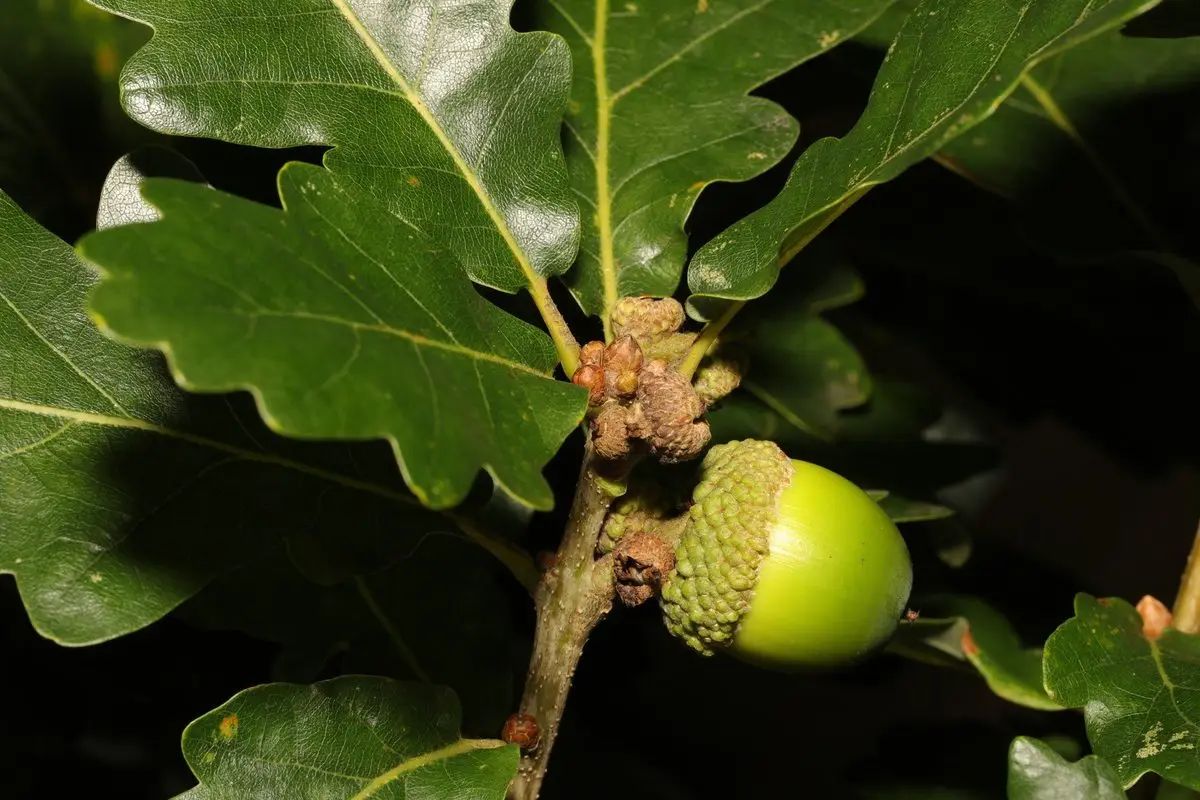 English oak or sessile oak?Quickest check: the acorn stalk→
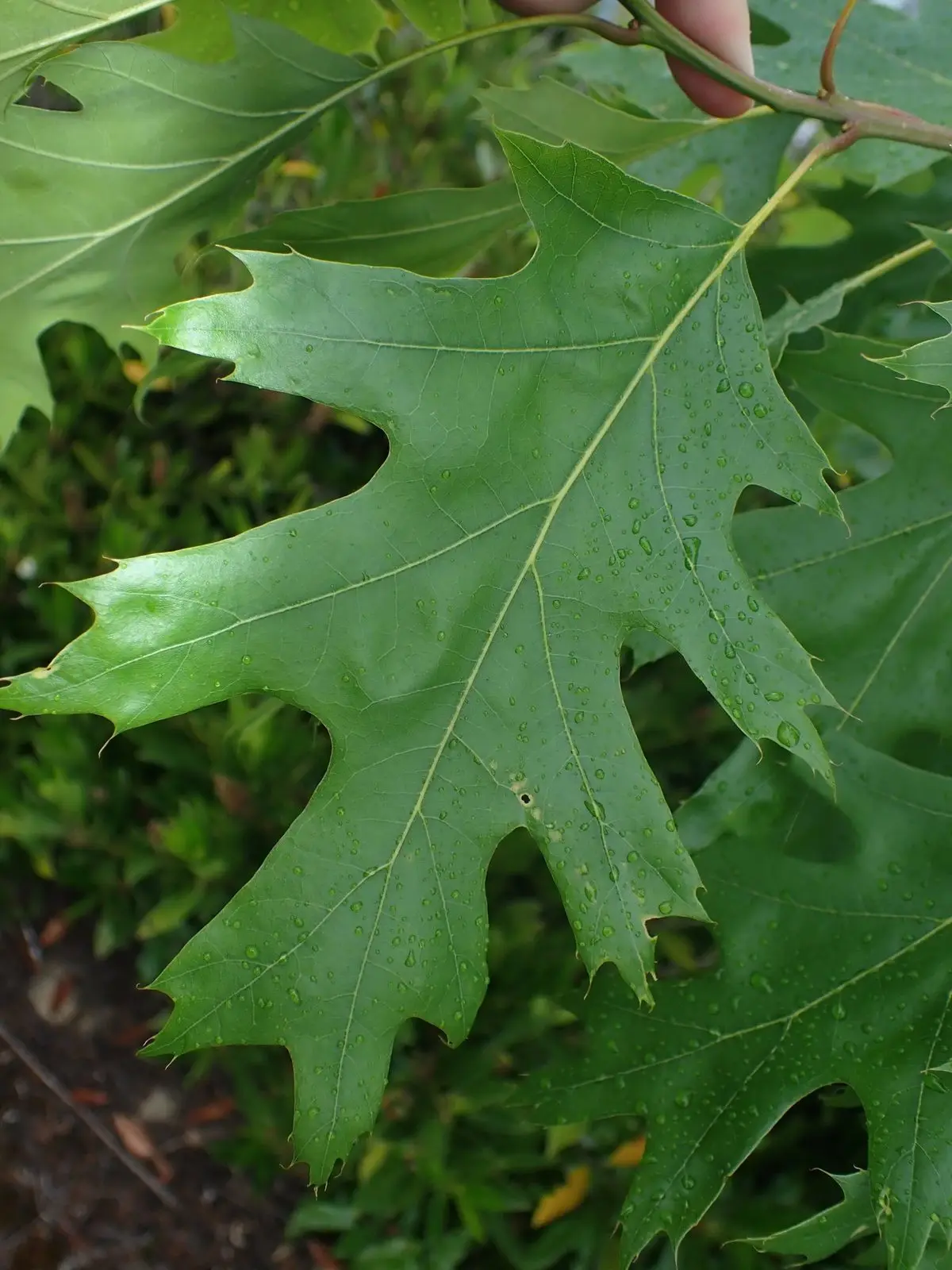 English oak or red oak?Quickest check: the ends of the lobes→
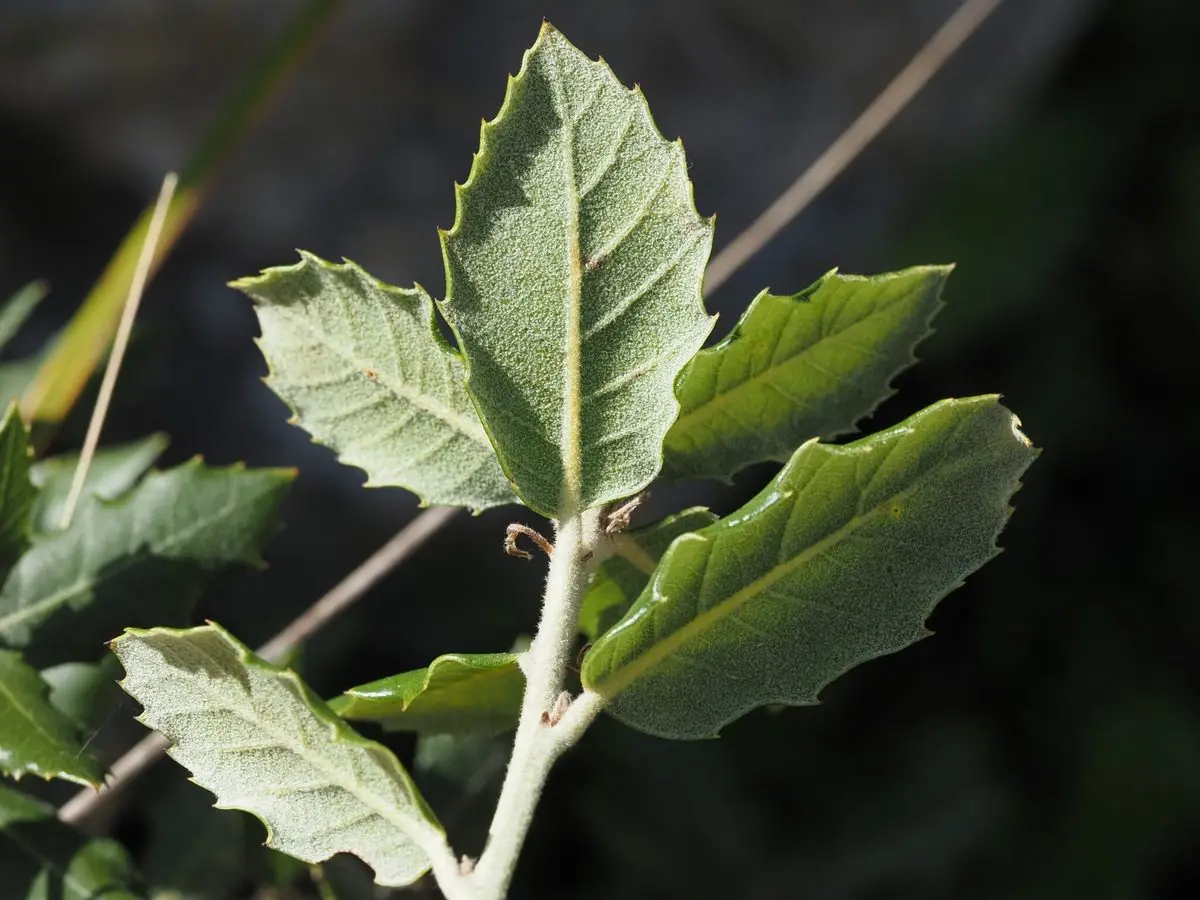 English oak or holm oak?Quickest check: the outline of a leaf→
Free to download.
Every fact on this page is checked against the Collins Tree Guide, last in November 2026. Spotted something that looks wrong in front of a real tree? Tell us. How we check.
Photographs: Juraj Ahel (CC BY 4.0), empressmoth (CC0), Leon Cross (CC BY 4.0), Kieran Roy Powell (CC BY 4.0), ikelman (CC BY 4.0), Wendy Herniman (CC BY 4.0). With thanks to everyone who shares their photographs on iNaturalist and Wikimedia Commons.