English oak
Quercus roburEnglish oak is a broad, spreading tree with heavy, twisting branches. Its leaves have deep rounded lobes and a very short stalk. The acorns hang on long stalks, often in pairs.
How to identify English oak →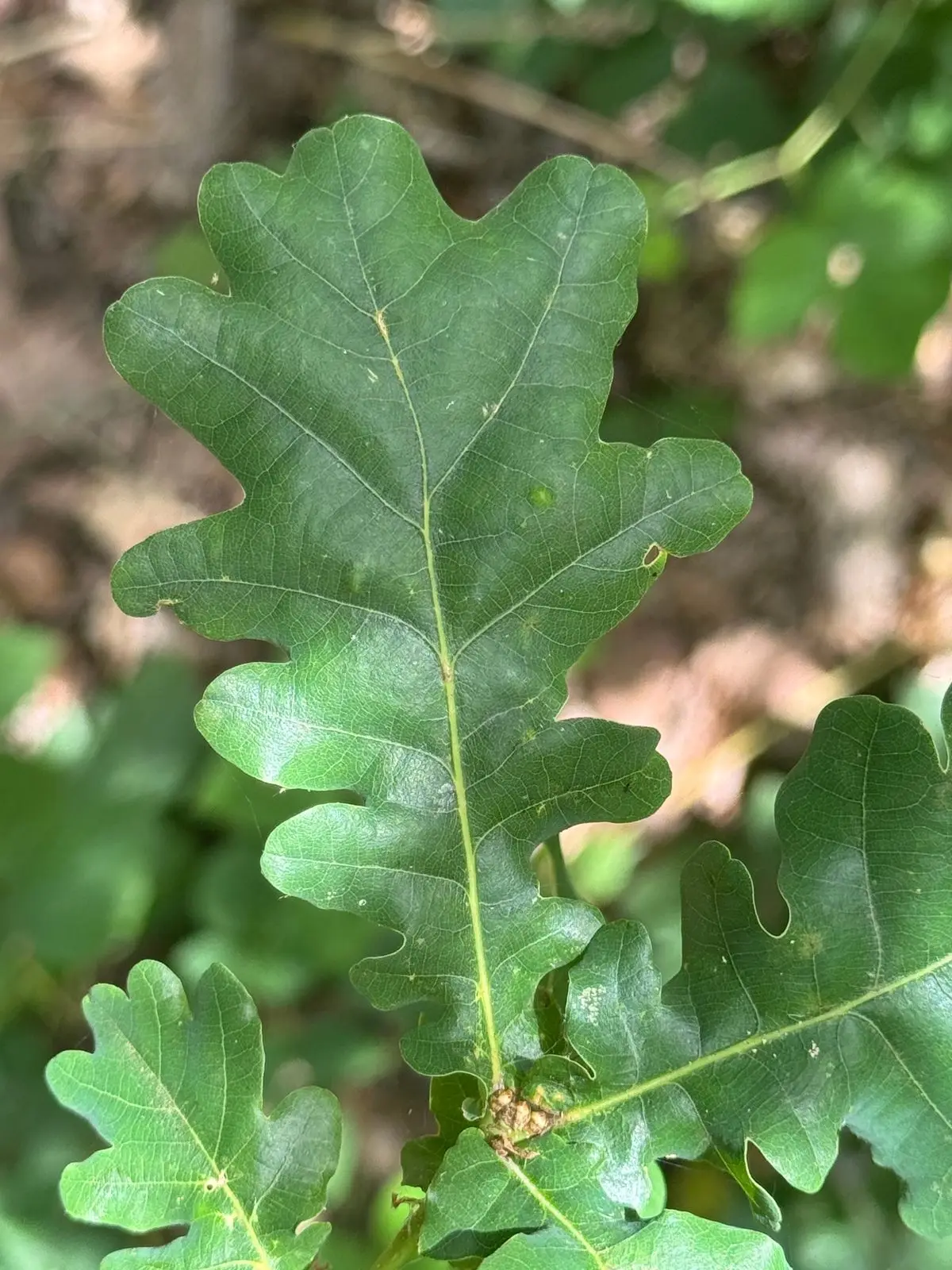
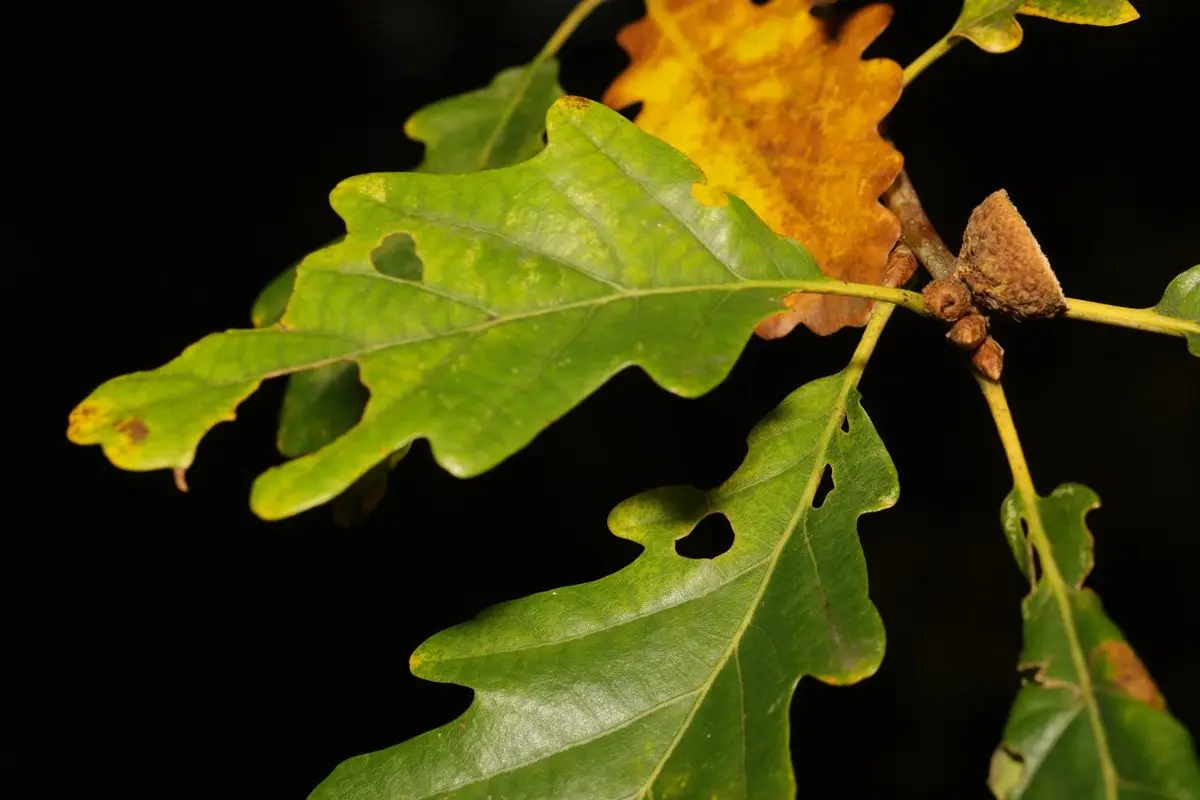
Both are native oaks with much the same bark and twigs.
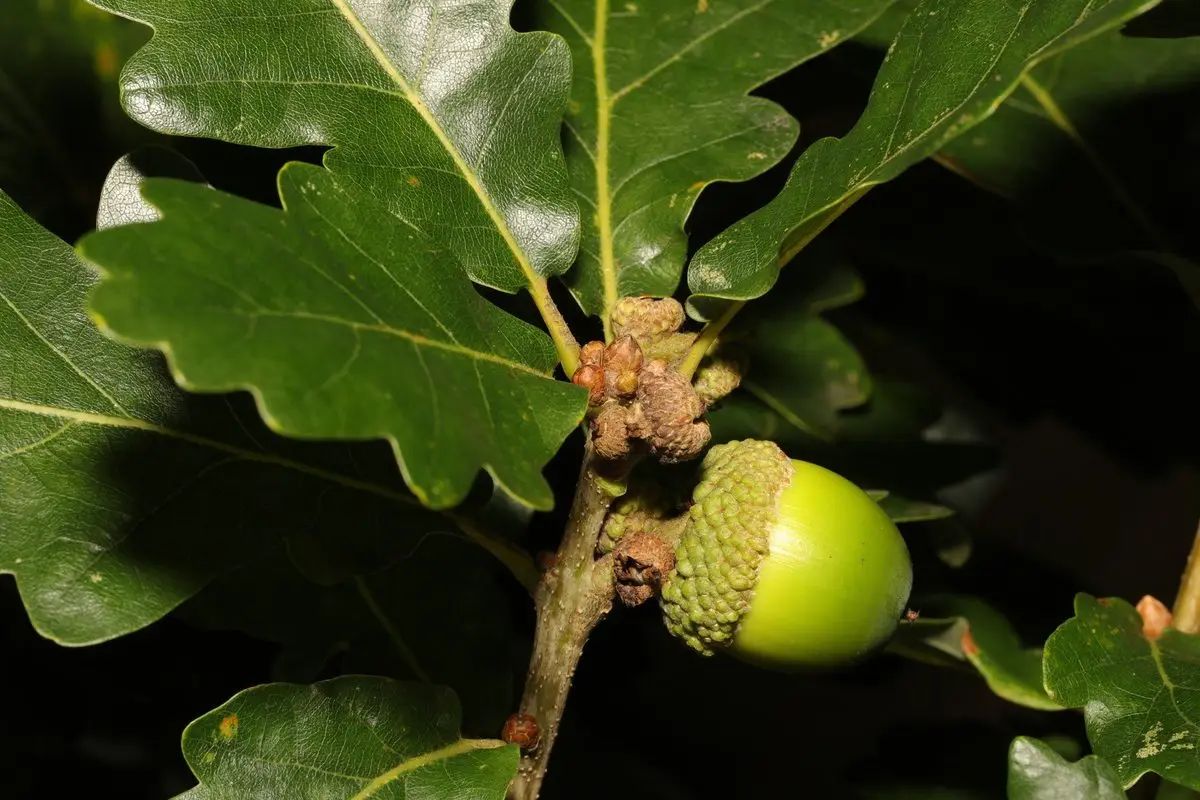
The quickest check is the acorn stalk. English oak: one to three on a 5 to 12 cm stalk. Sessile oak: sitting right against the twig, almost stalkless. No acorns on the tree? Check where the leaf meets its stalk.
| Look at | English oak | Sessile oak |
|---|---|---|
| Acorn stalk | One to three on a 5 to 12 cm stalk | Sitting right against the twig, almost stalkless |
| Where the leaf meets its stalk | Two flaps pointing back, stalk 4 to 10 mm | Tapering evenly into a yellow 12 to 20 mm stalk |
| Winter bud | Light brown, small and hairless | Light brown, with long white hairs |
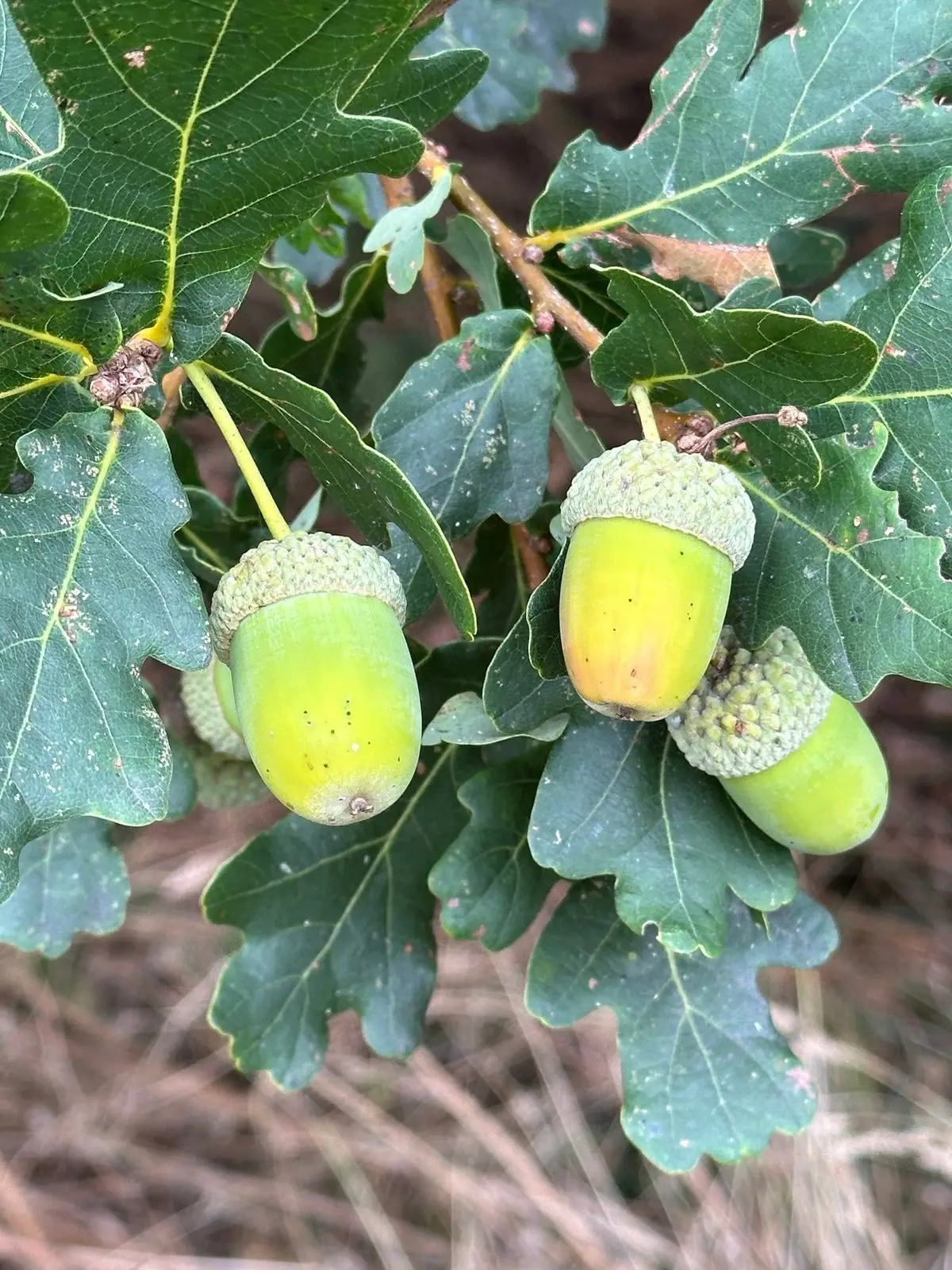
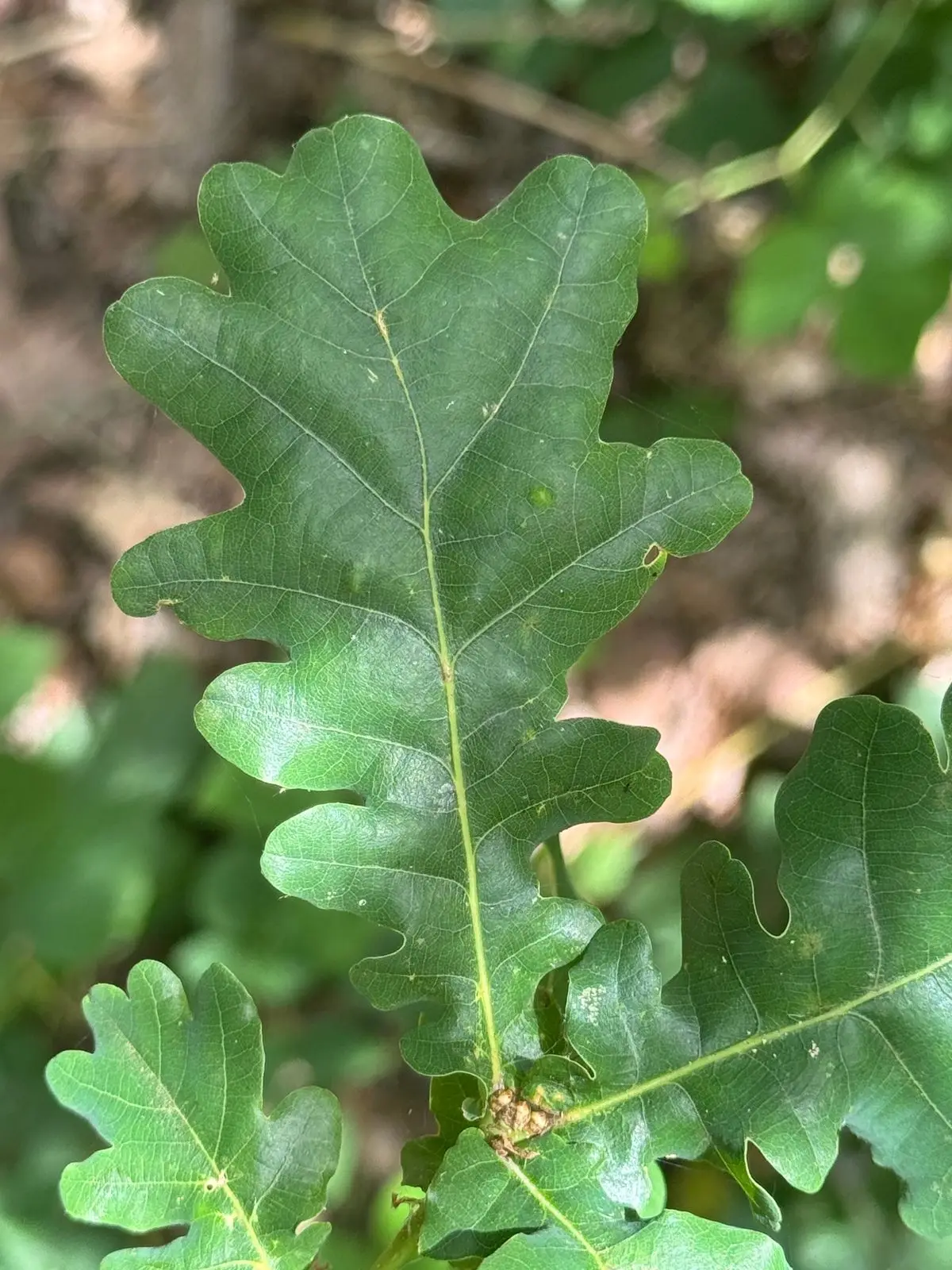
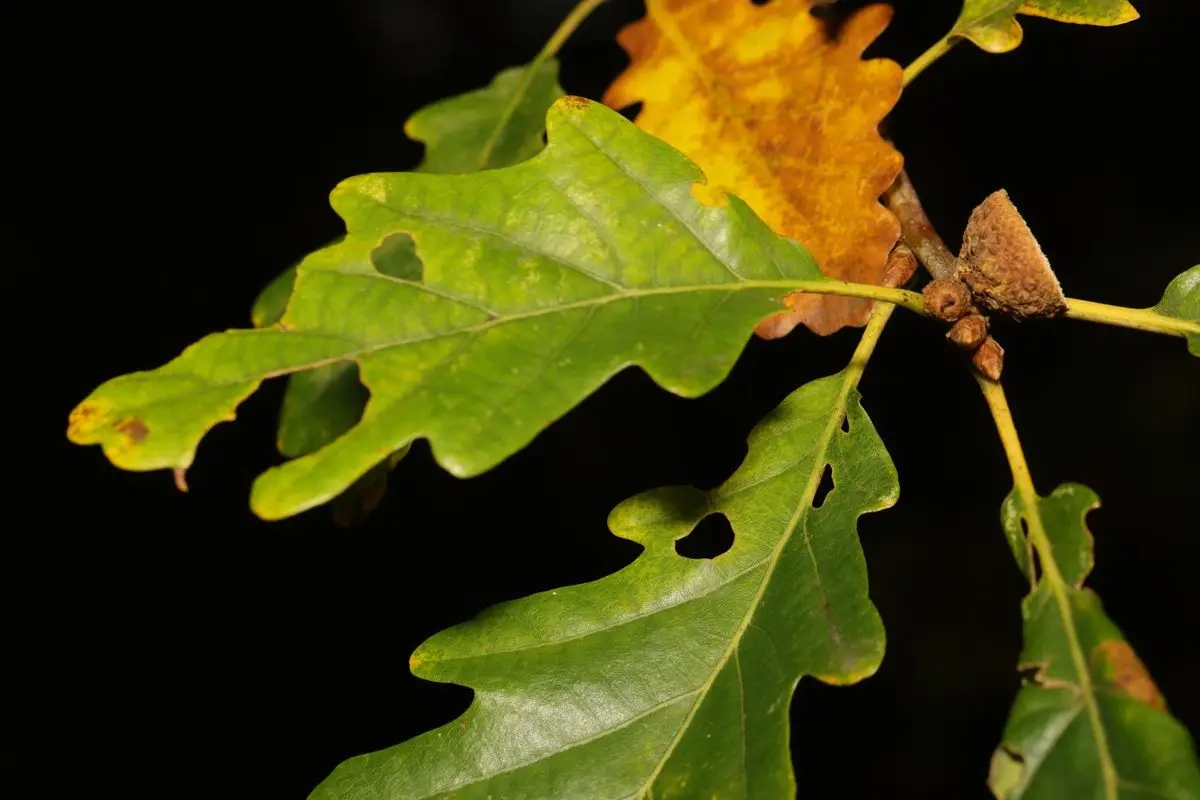
English oak is a broad, spreading tree with heavy, twisting branches. Its leaves have deep rounded lobes and a very short stalk. The acorns hang on long stalks, often in pairs.
How to identify English oak →Sessile oak is a tall, straight tree, common in the hills and the west. Its trunk runs far up into the crown. The acorns sit on the twig, on a very short stalk or none.
How to identify sessile oak →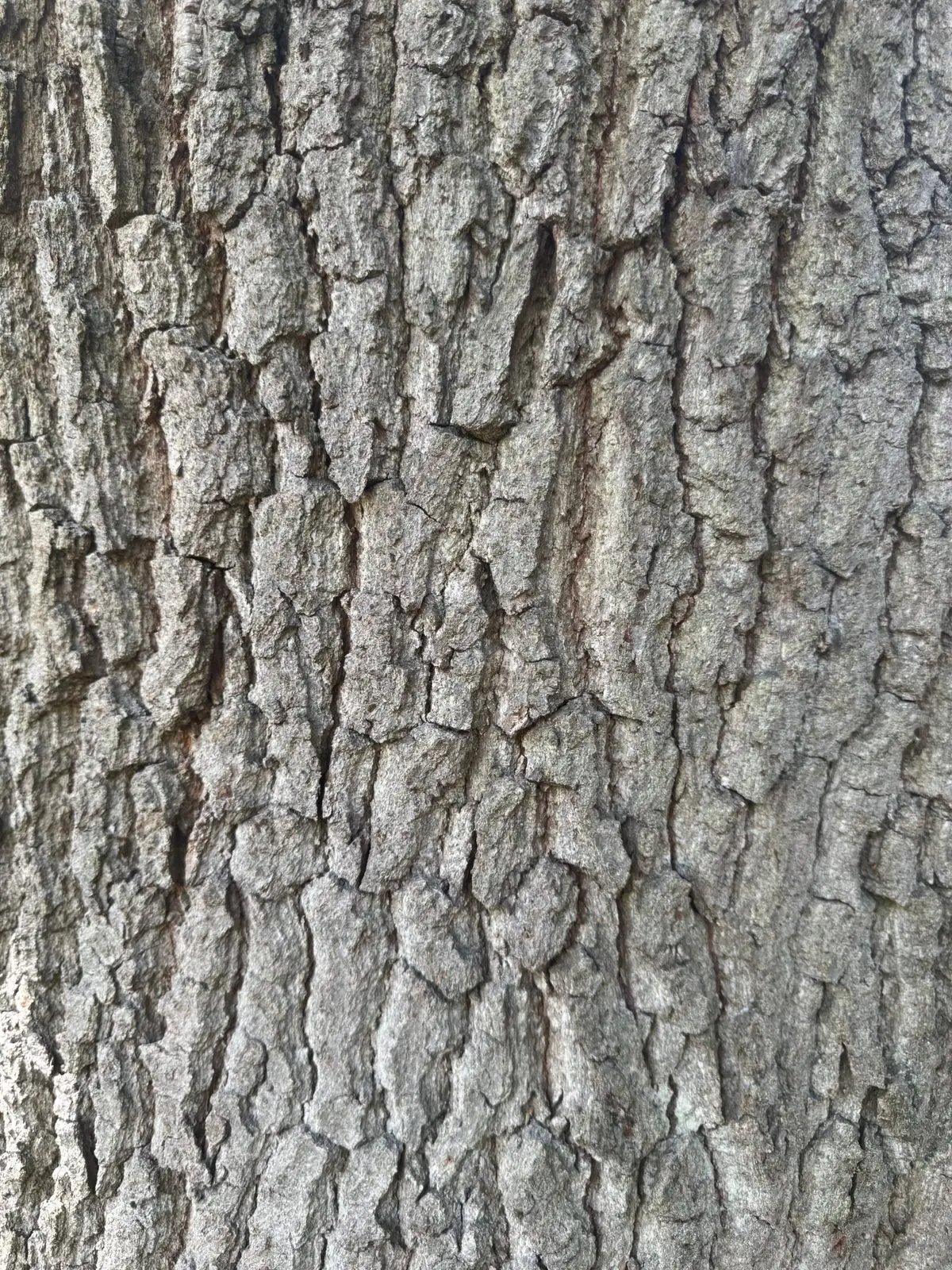
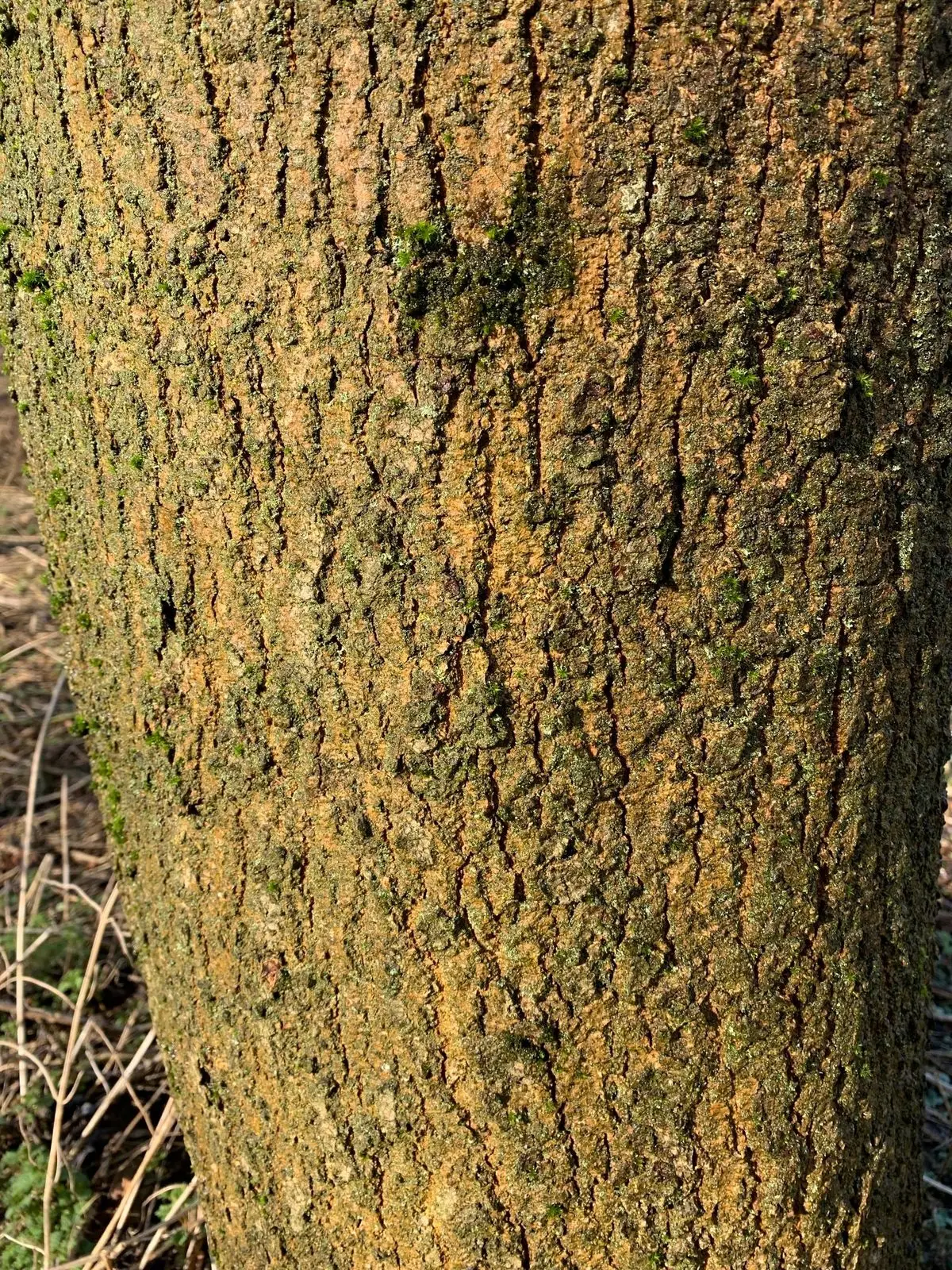 English oak or common ash?Quickest check: the older trunk→
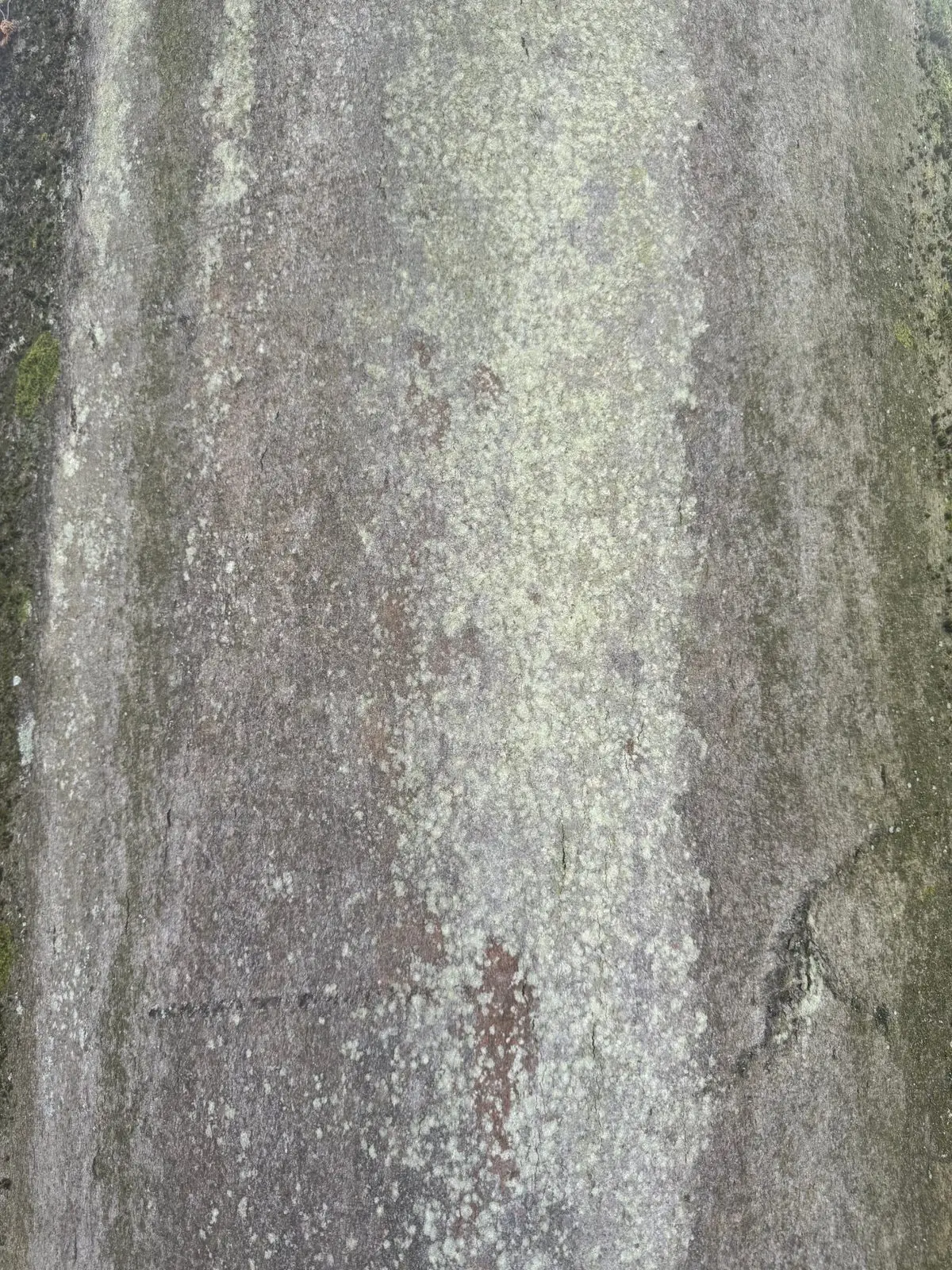 English oak or common beech?Quickest check: the older trunk→
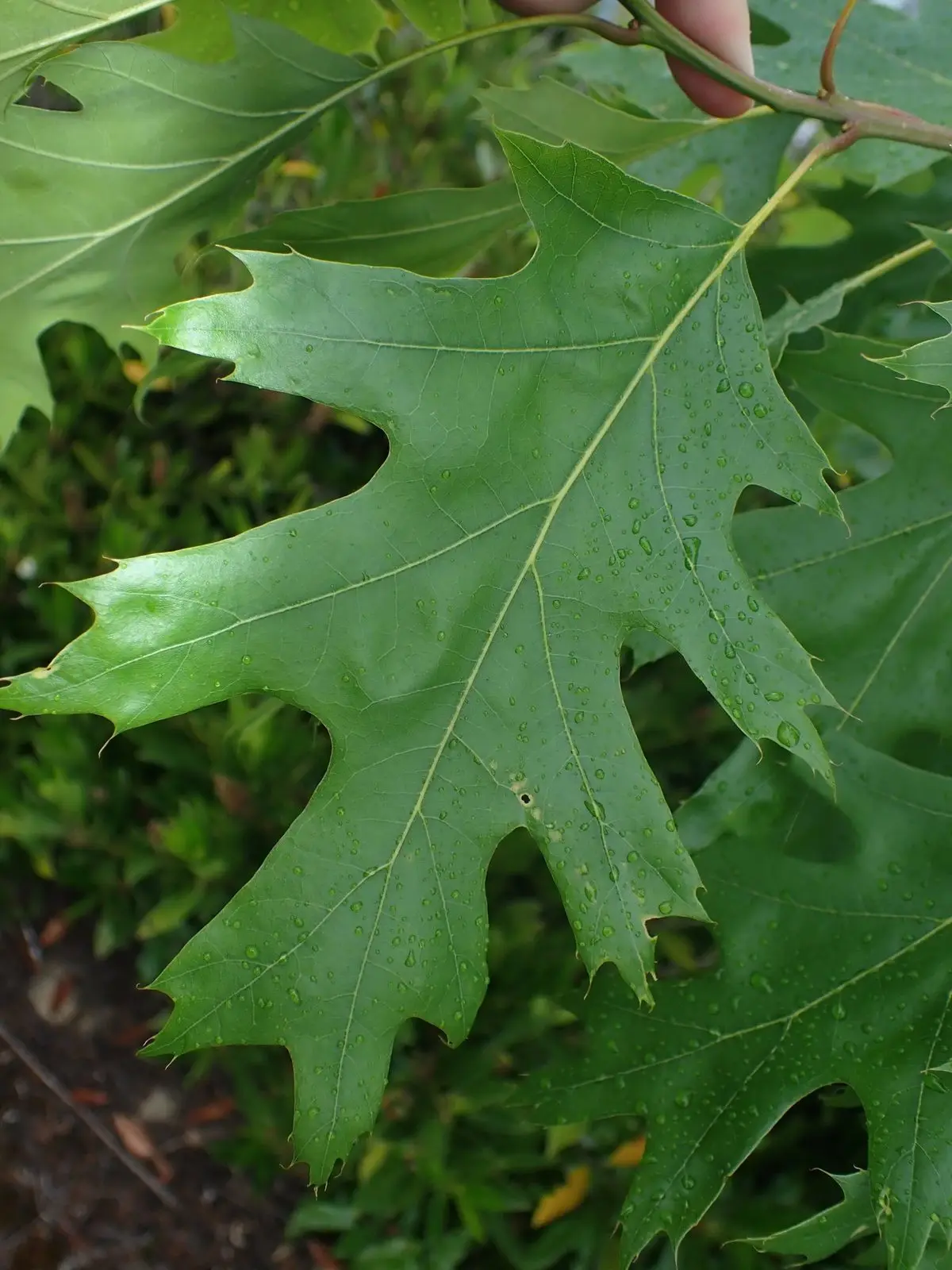 English oak or red oak?Quickest check: the ends of the lobes→
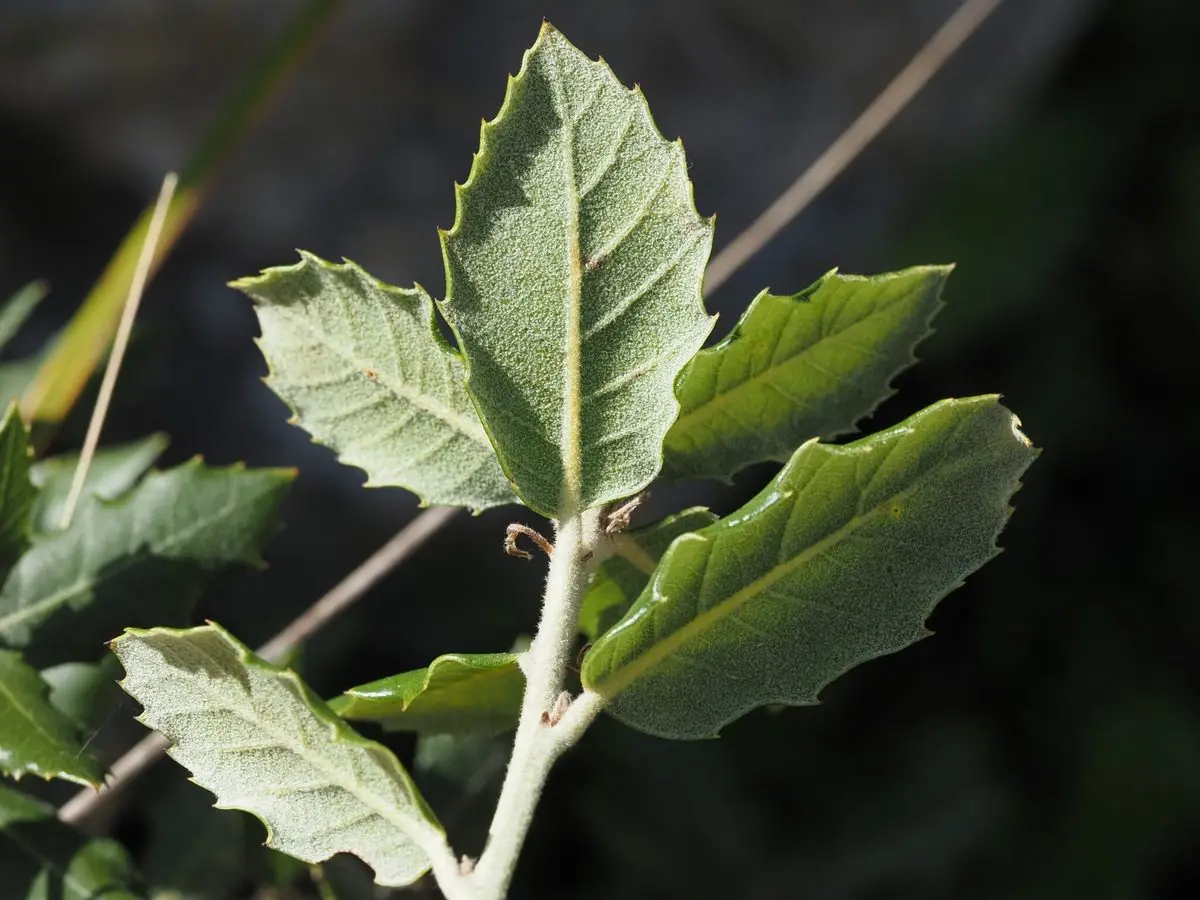 English oak or holm oak?Quickest check: the outline of a leaf→
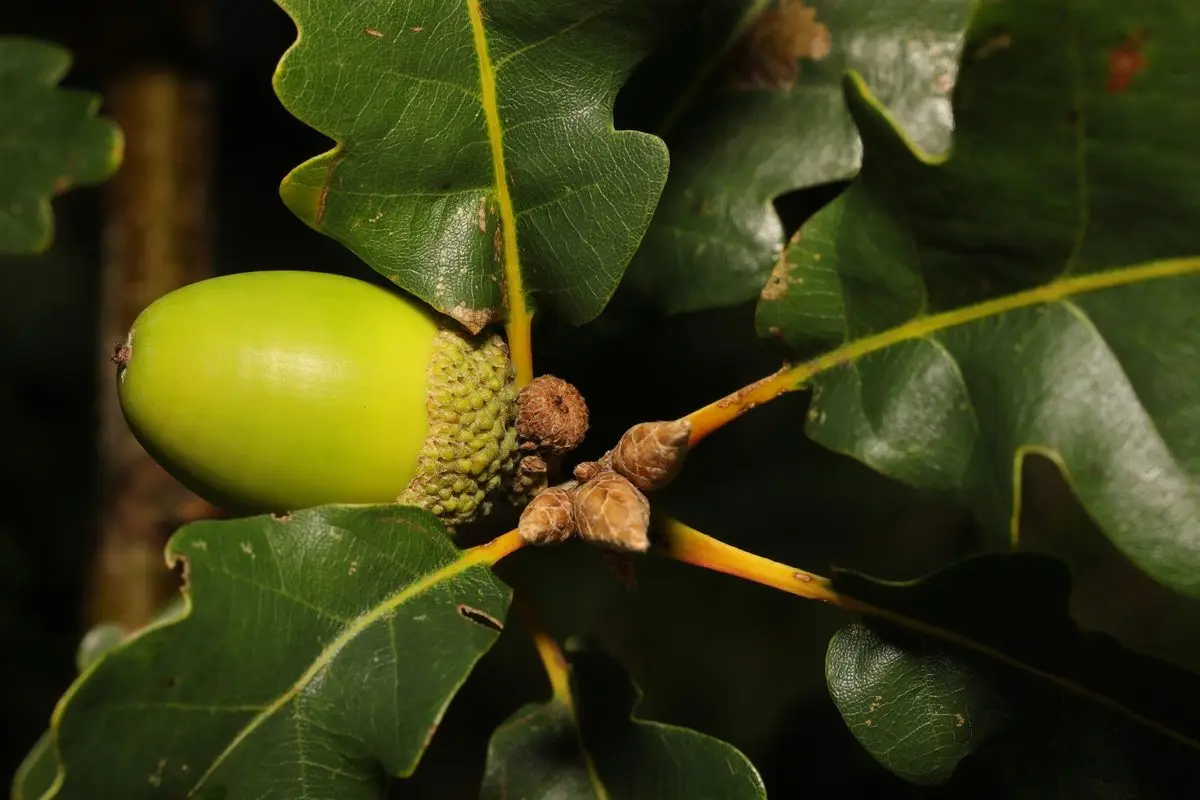
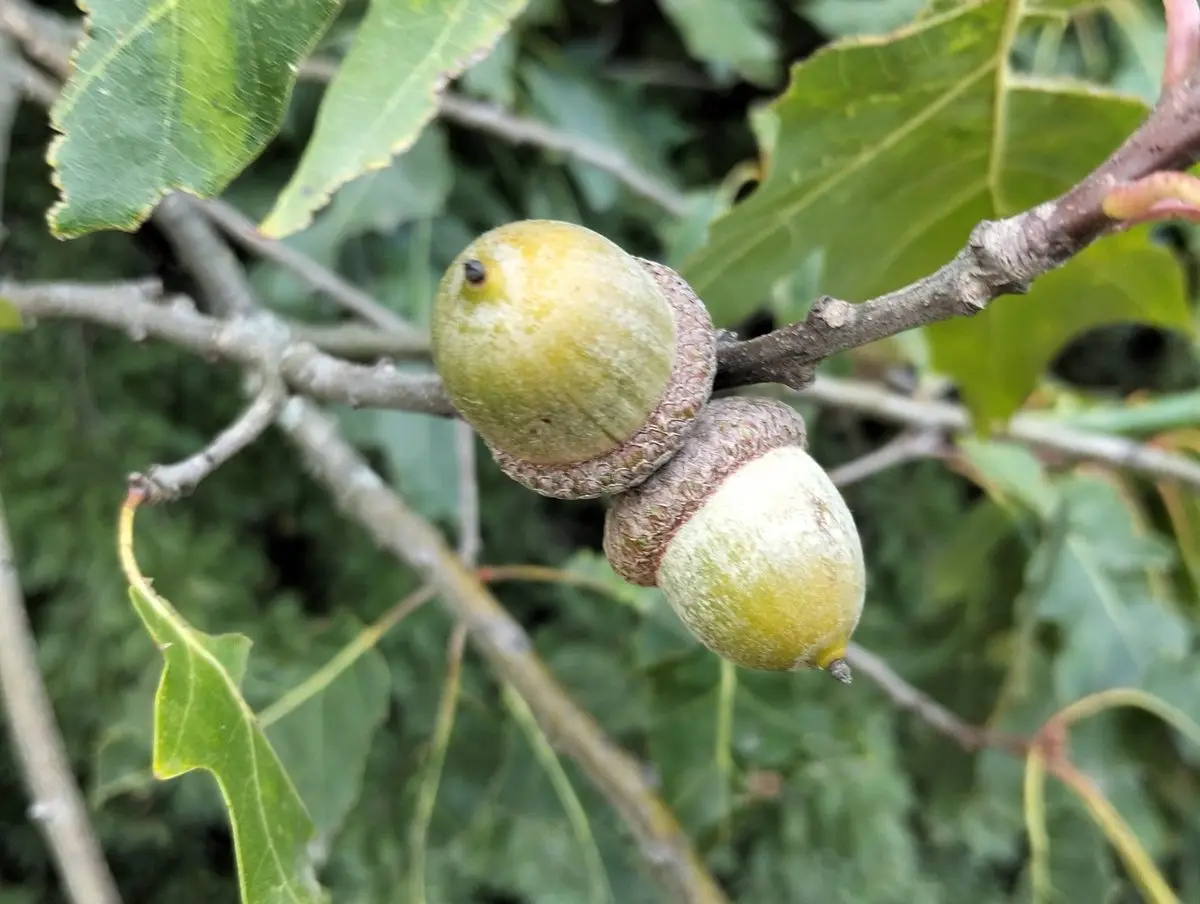 Sessile oak or red oak?Quickest check: the acorn and its cup→
Free to download.
Every fact on this page is checked against the Collins Tree Guide, last in November 2026. Spotted something that looks wrong in front of a real tree? Tell us. How we check.
Photographs: Leon Cross (CC BY 4.0), steve_mcwilliam (CC0), cjoynson (CC0). With thanks to everyone who shares their photographs on iNaturalist and Wikimedia Commons.