How to identify trees in winter
With the leaves gone, a tree still gives itself away: by what stays green, its buds, what hangs on it, its bark and what lies underneath. Five things to look at, in the order that narrows it fastest.
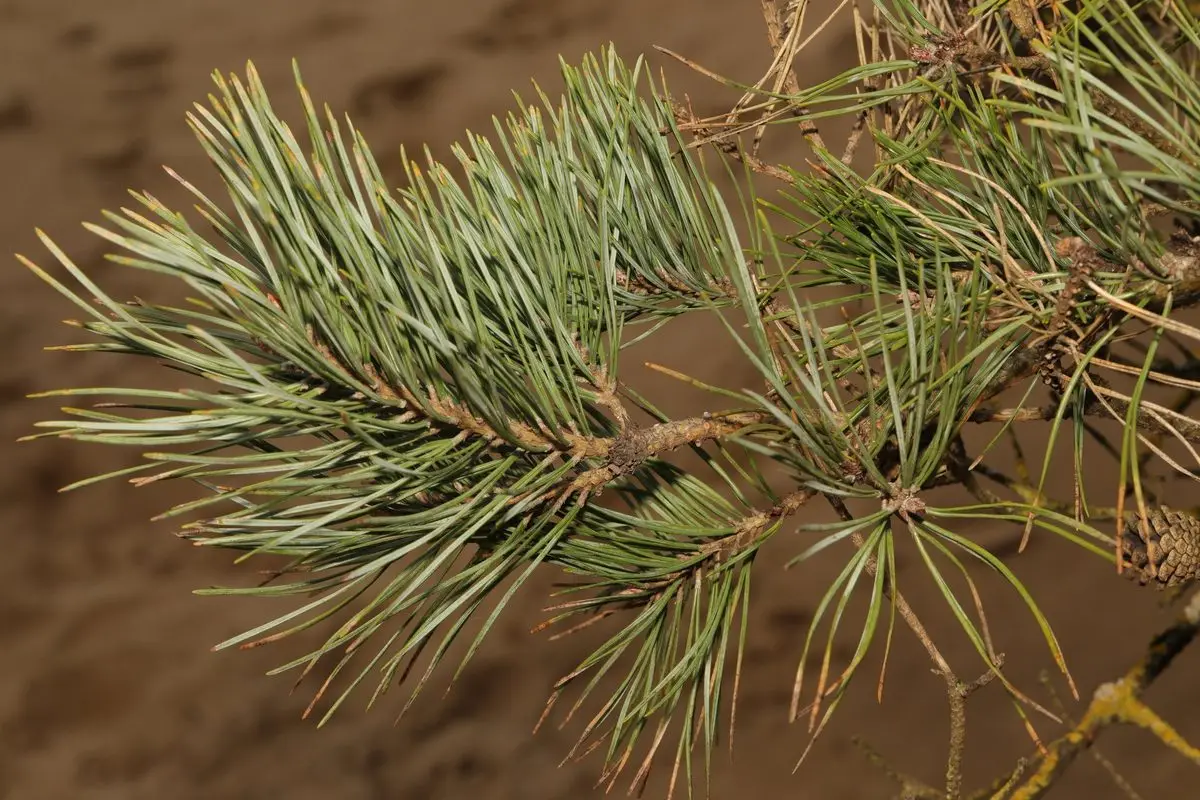
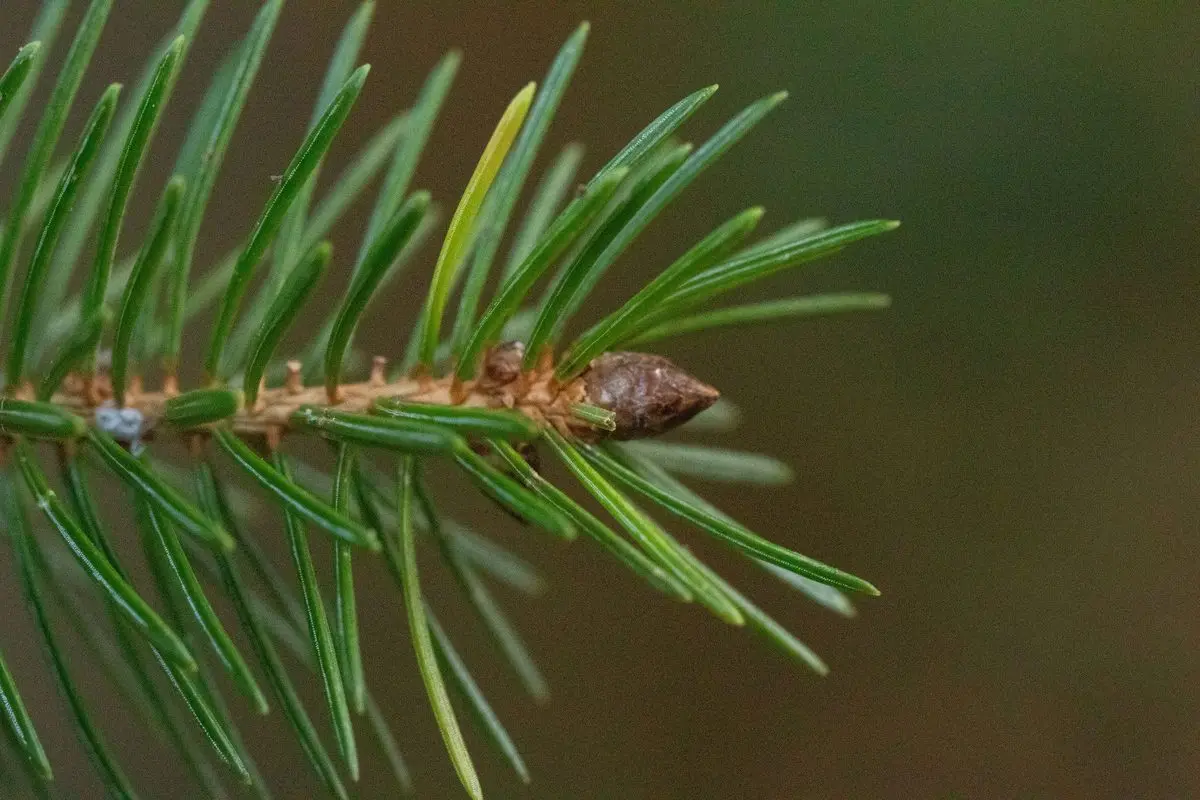
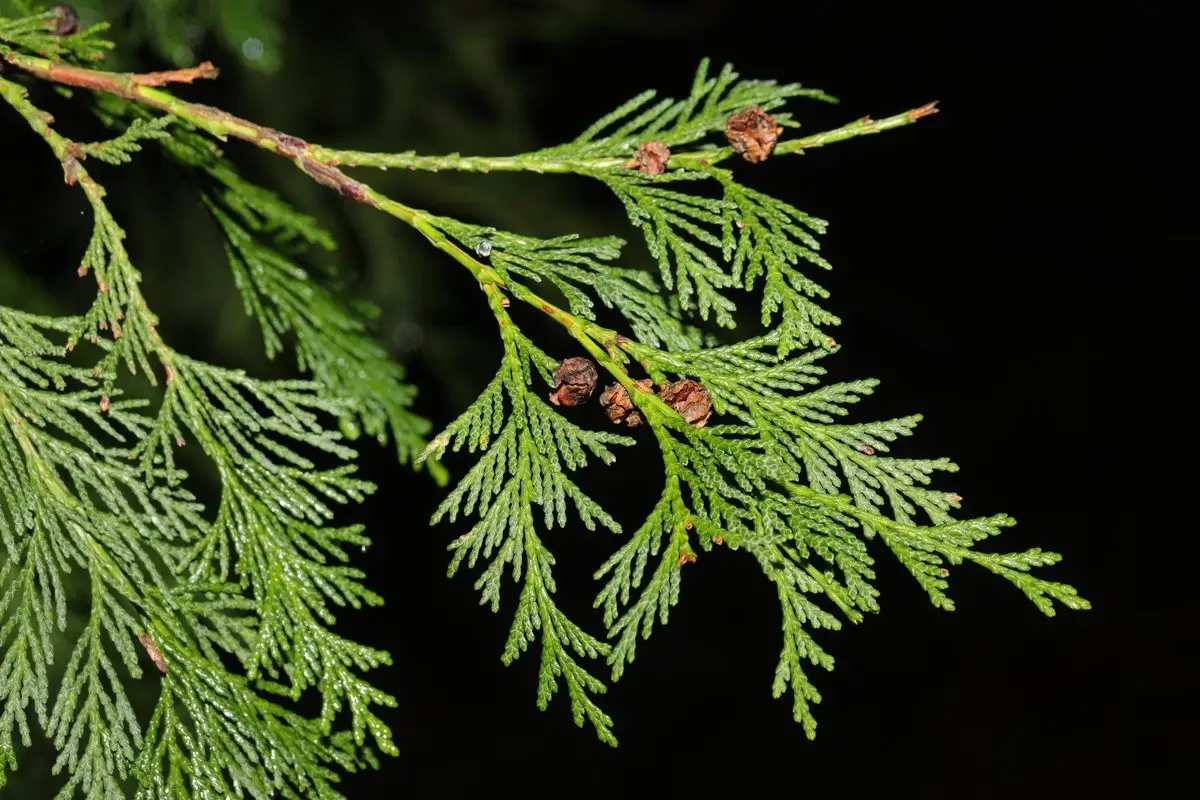
Is it still green? Start with the evergreens
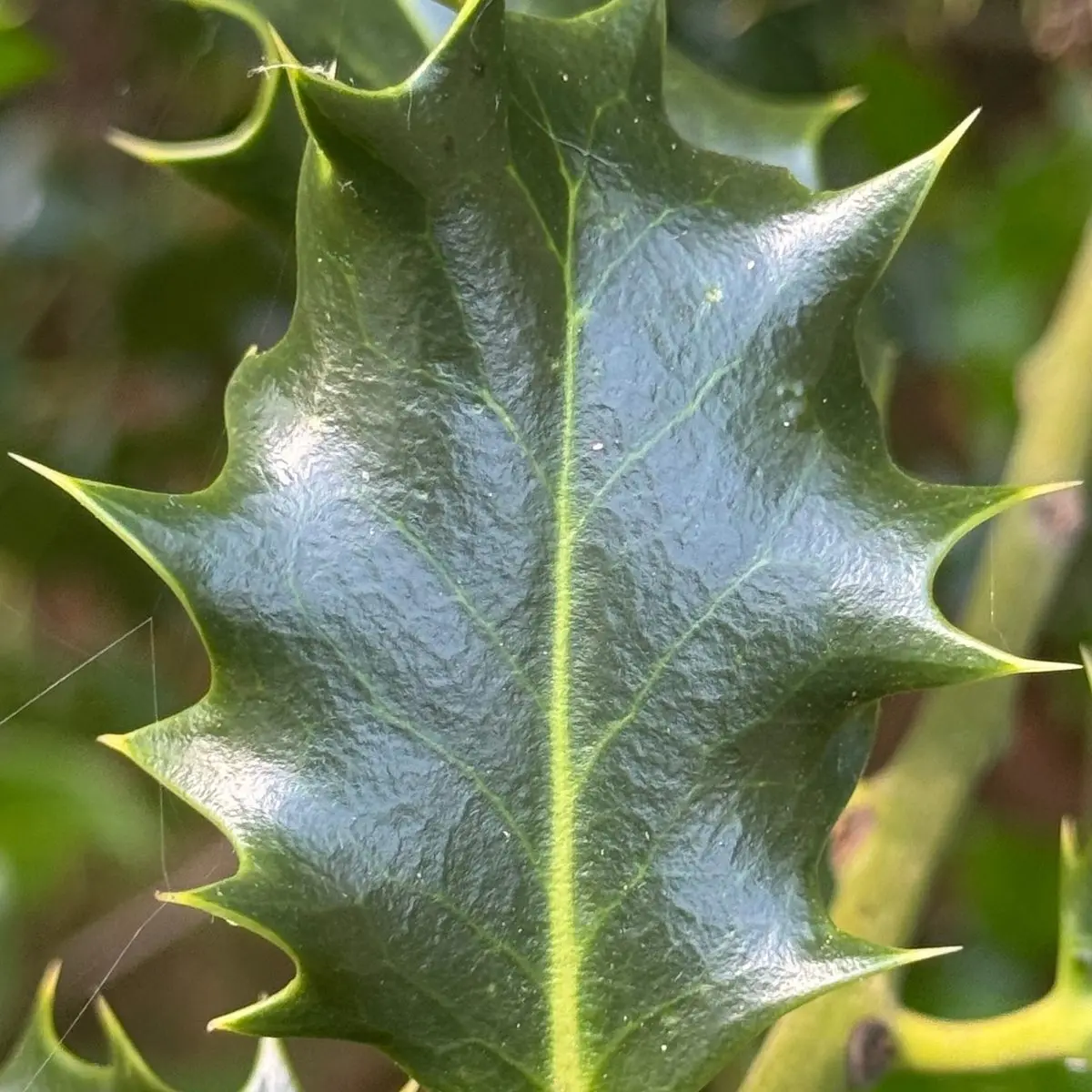
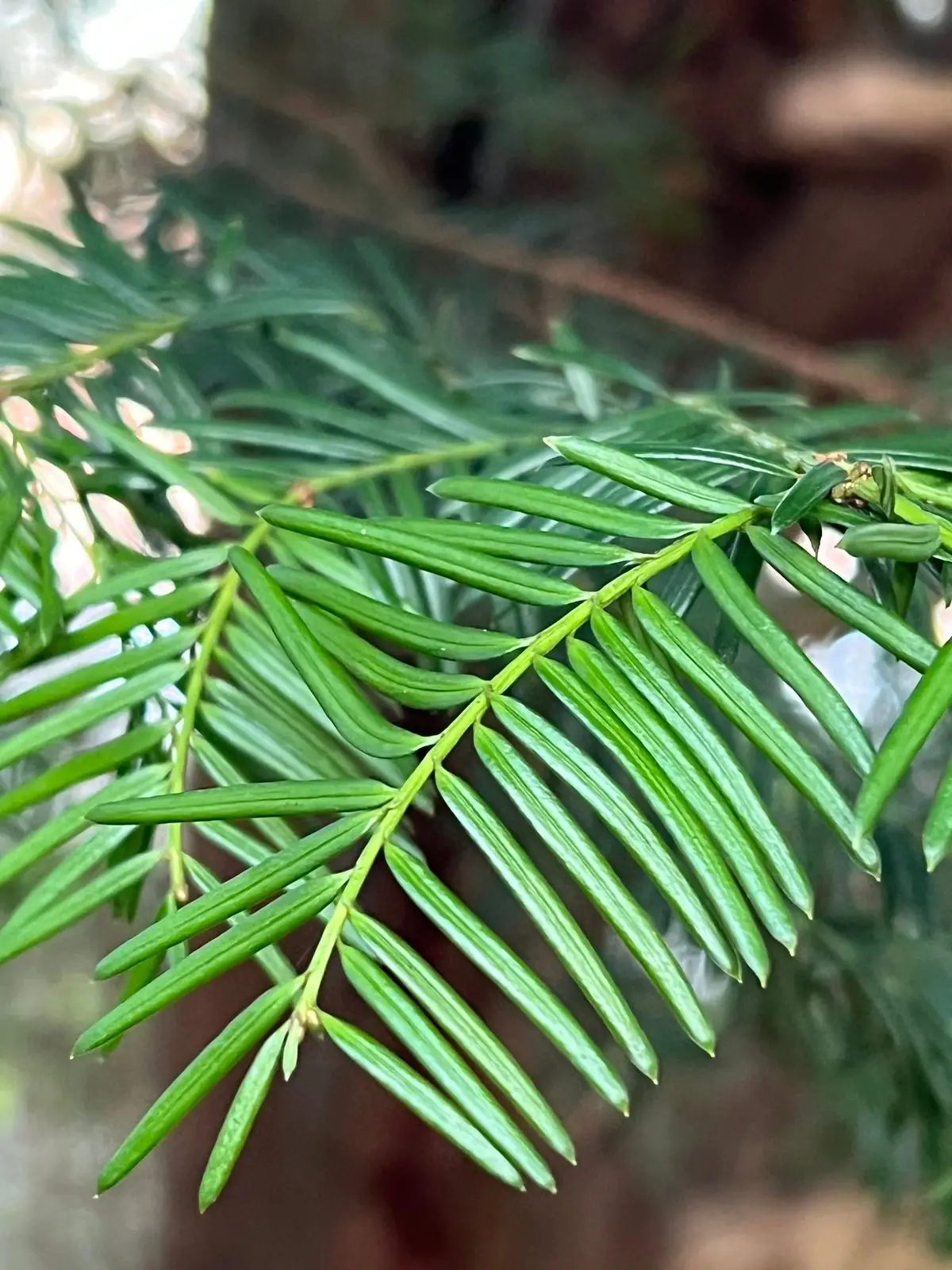
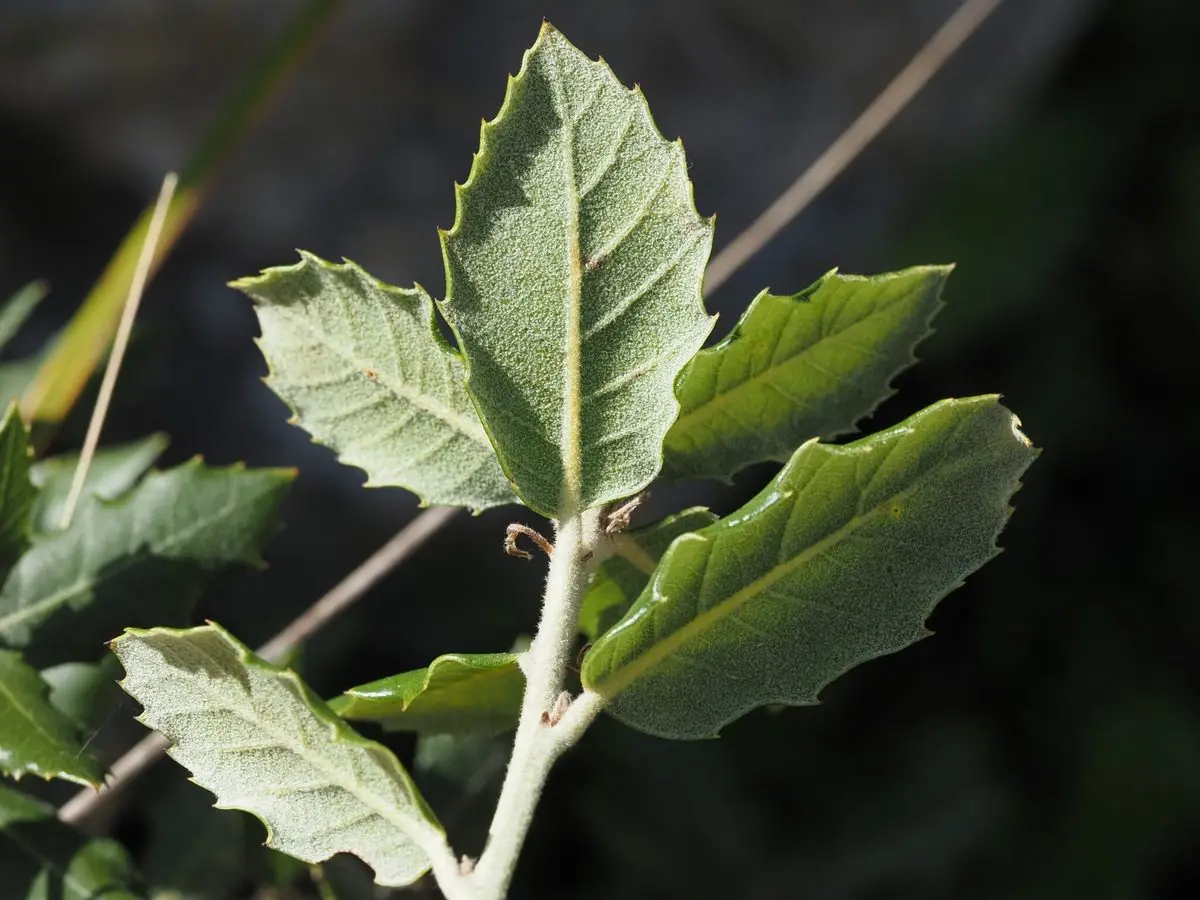
Most broadleaf trees are bare from December to March, so anything in leaf narrows it fast. Conifers keep their needles or scales (all but the larches, which turn gold and drop them), and holly, yew and holm oak stay green all winter.
Look at the buds: in pairs, or one at a time?
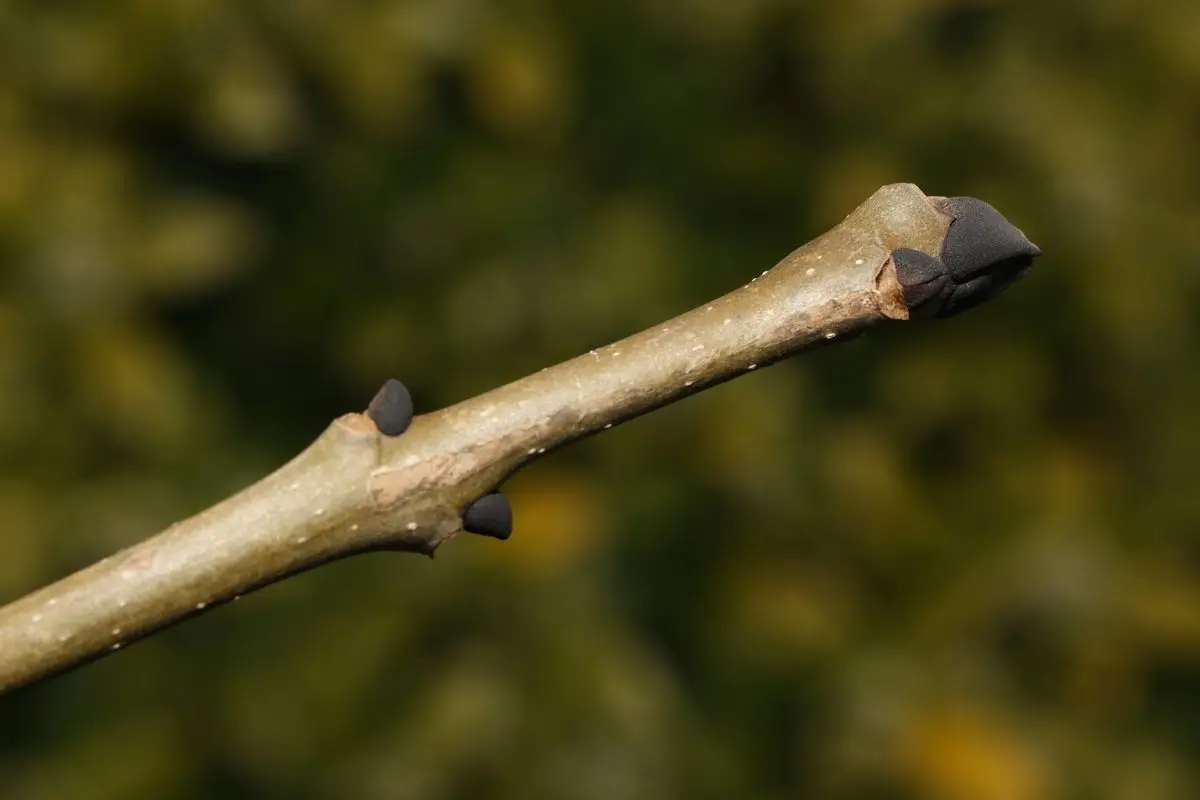
Every bare twig carries next year’s buds. Buds in facing pairs, one each side of the twig, leave only a few trees, among them ash, the maples and sycamore, horse chestnut and elder. Then the colour: ash’s are sooty black, horse chestnut’s big and sticky, sycamore’s green.
Common ashSooty black buds in opposite pairsIn pairs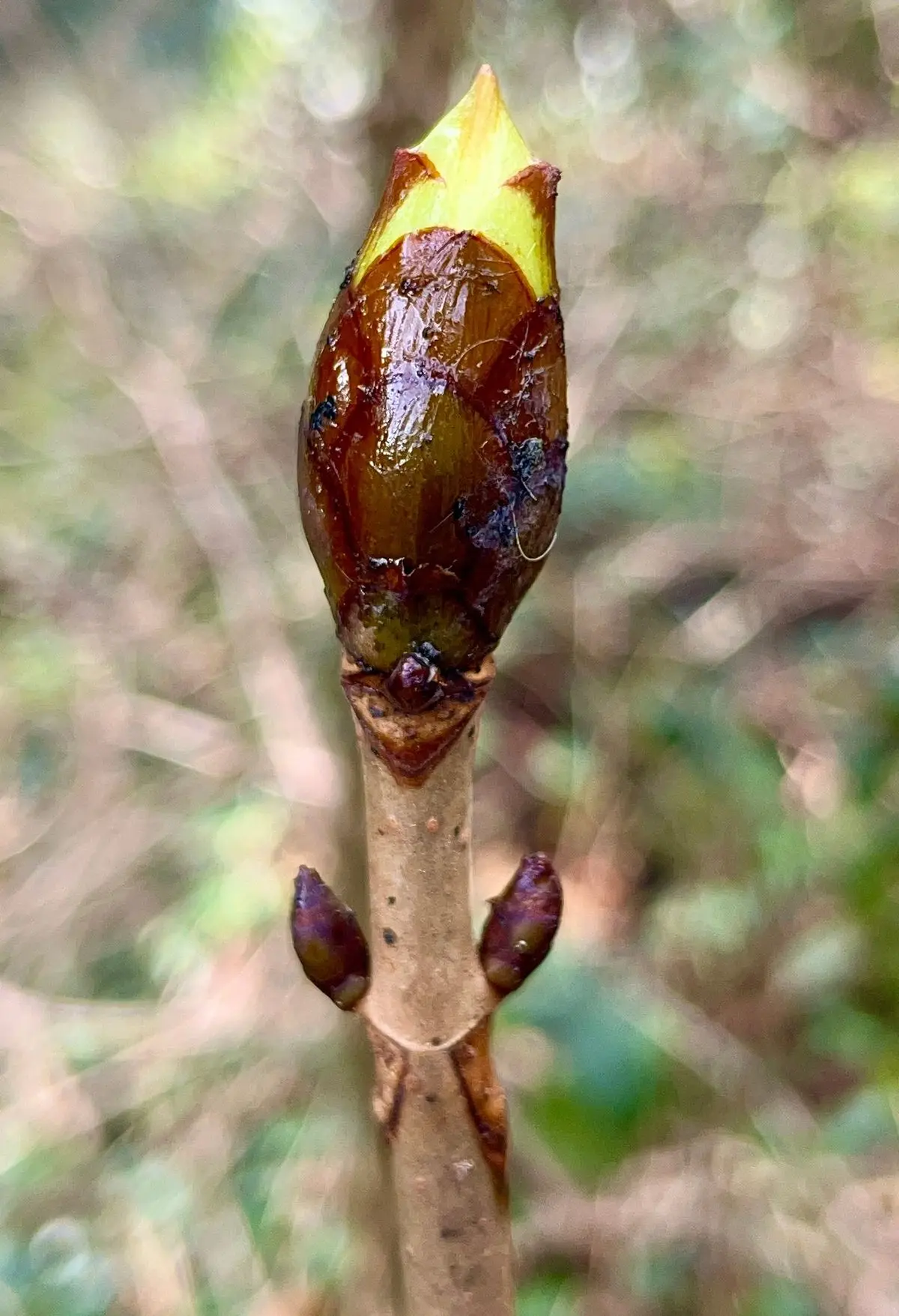 Horse chestnutSticky buds over horseshoe-shaped leaf scarsIn pairs
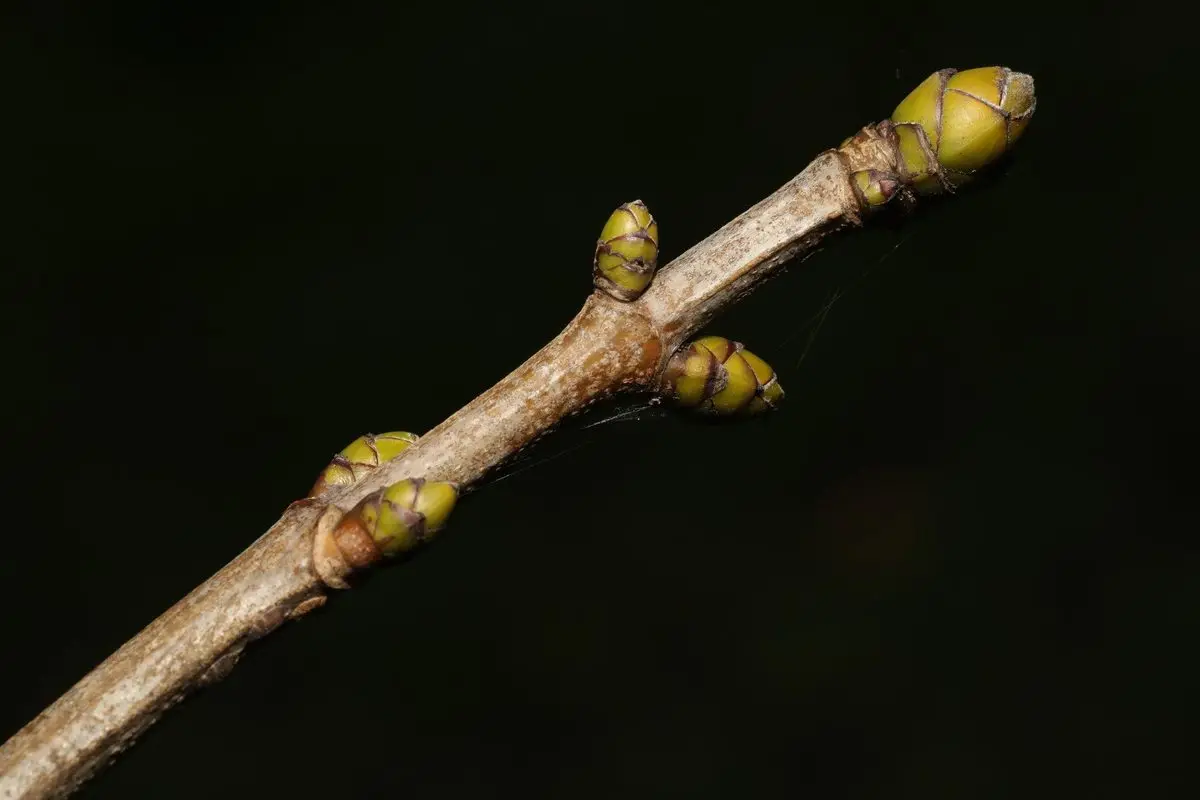 SycamoreBig green buds in opposite pairsOne at a time
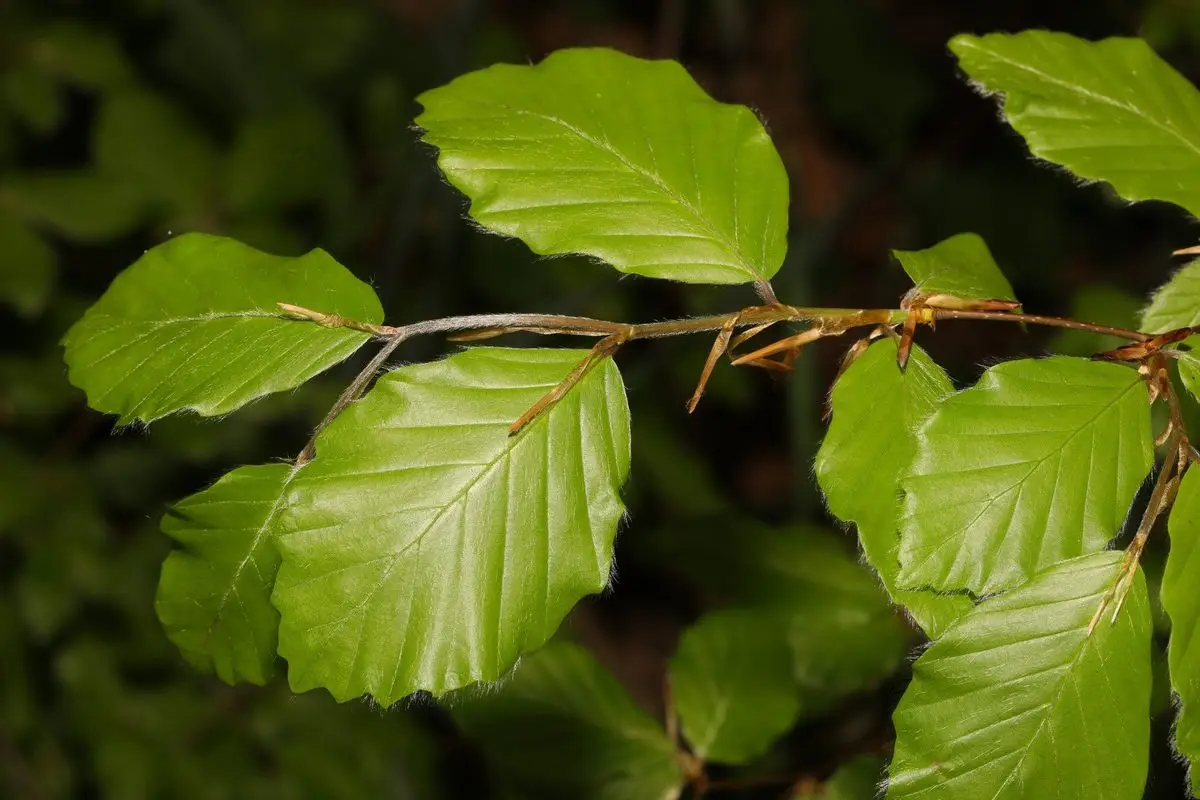 Common beechLong copper buds standing out at 60°One at a time
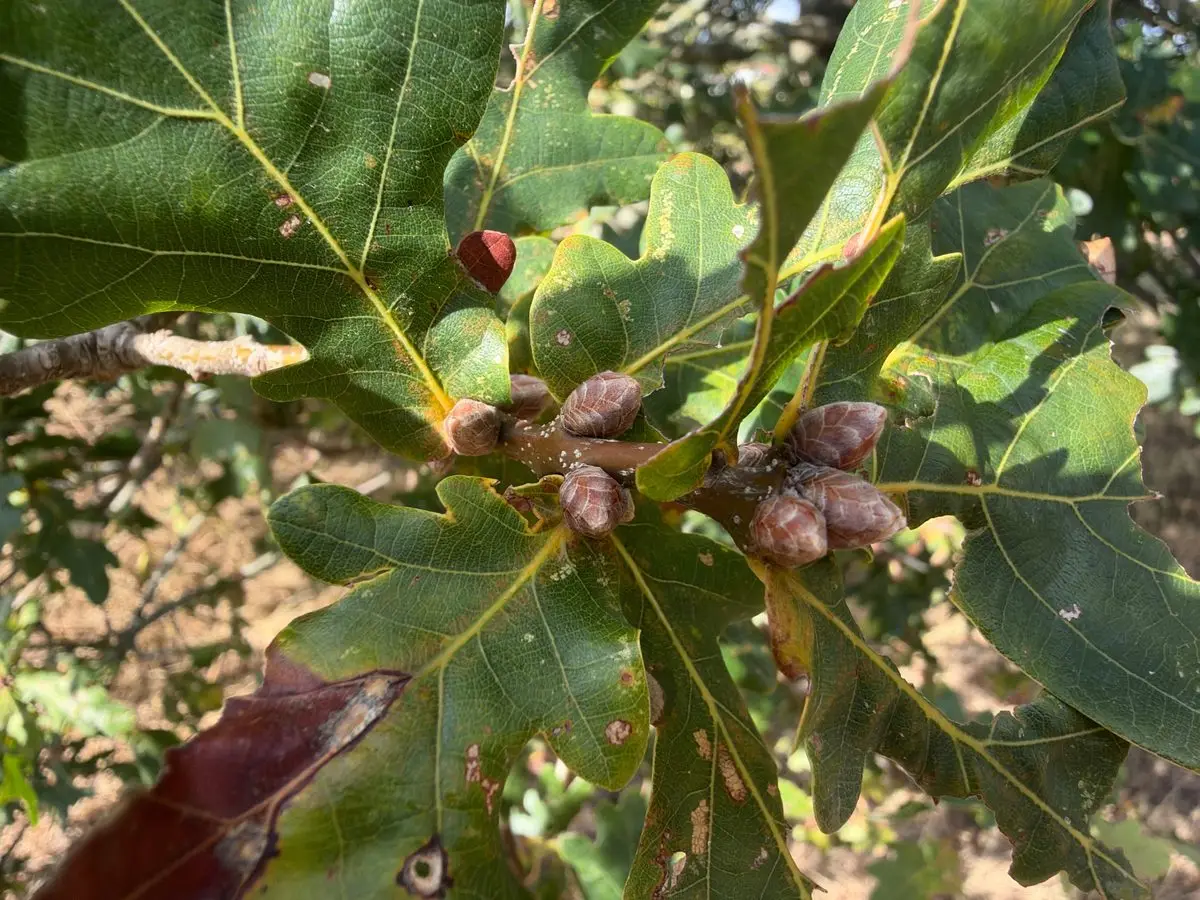 English oakCluster of light brown buds at each tipOne at a time
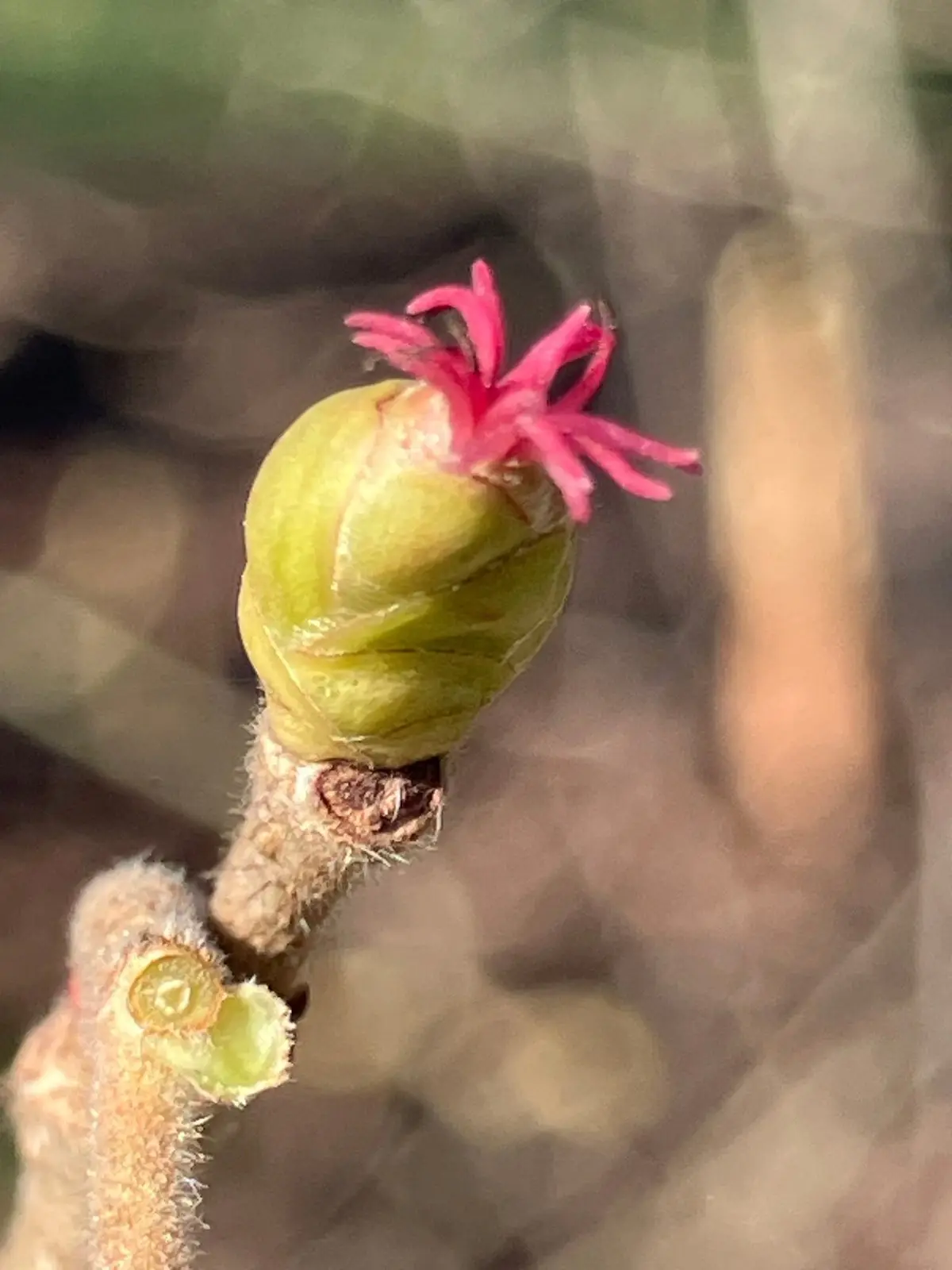 HazelFat green buds on rough, hairy shoots
What’s still on it? Leaves, keys, cones, catkins
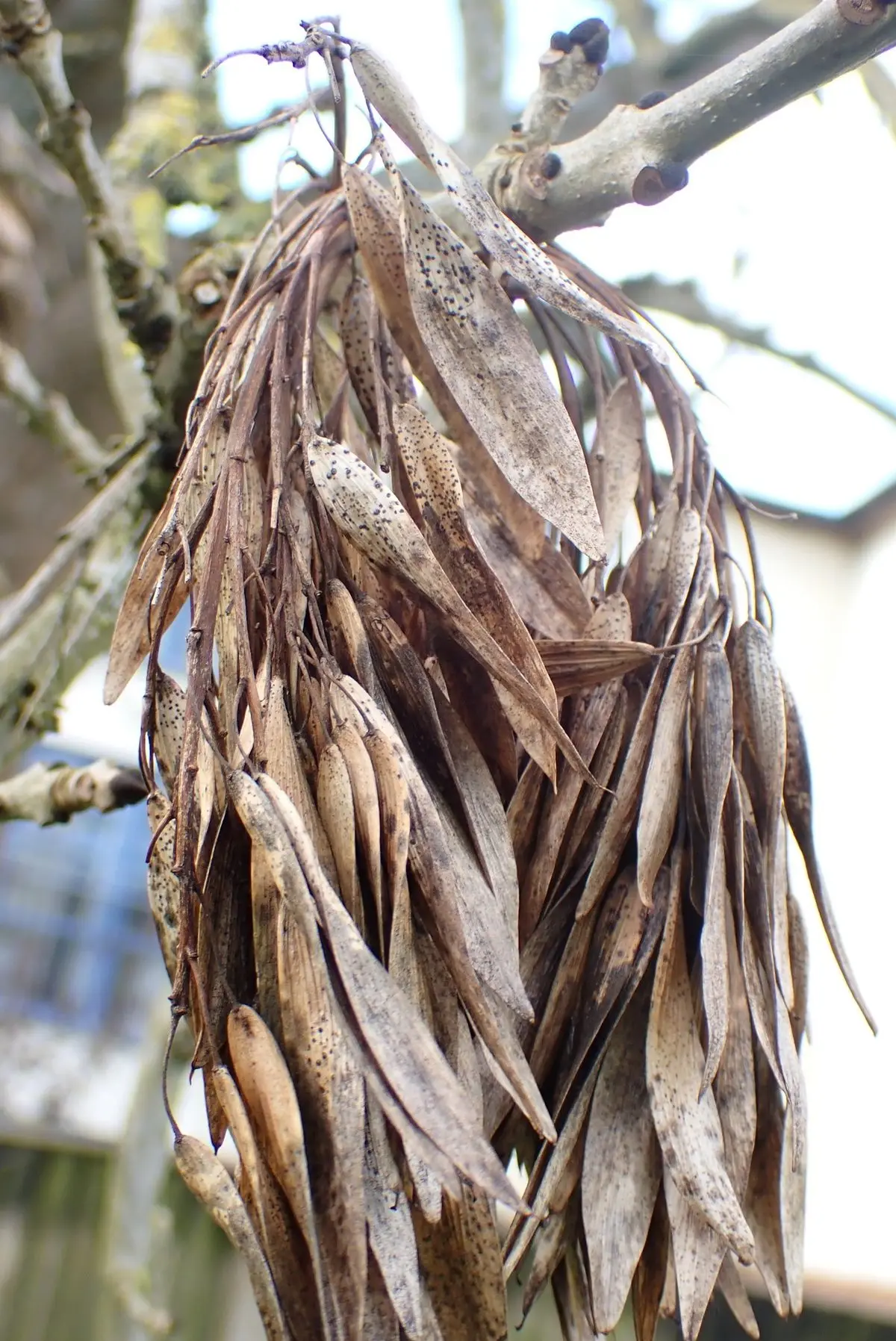
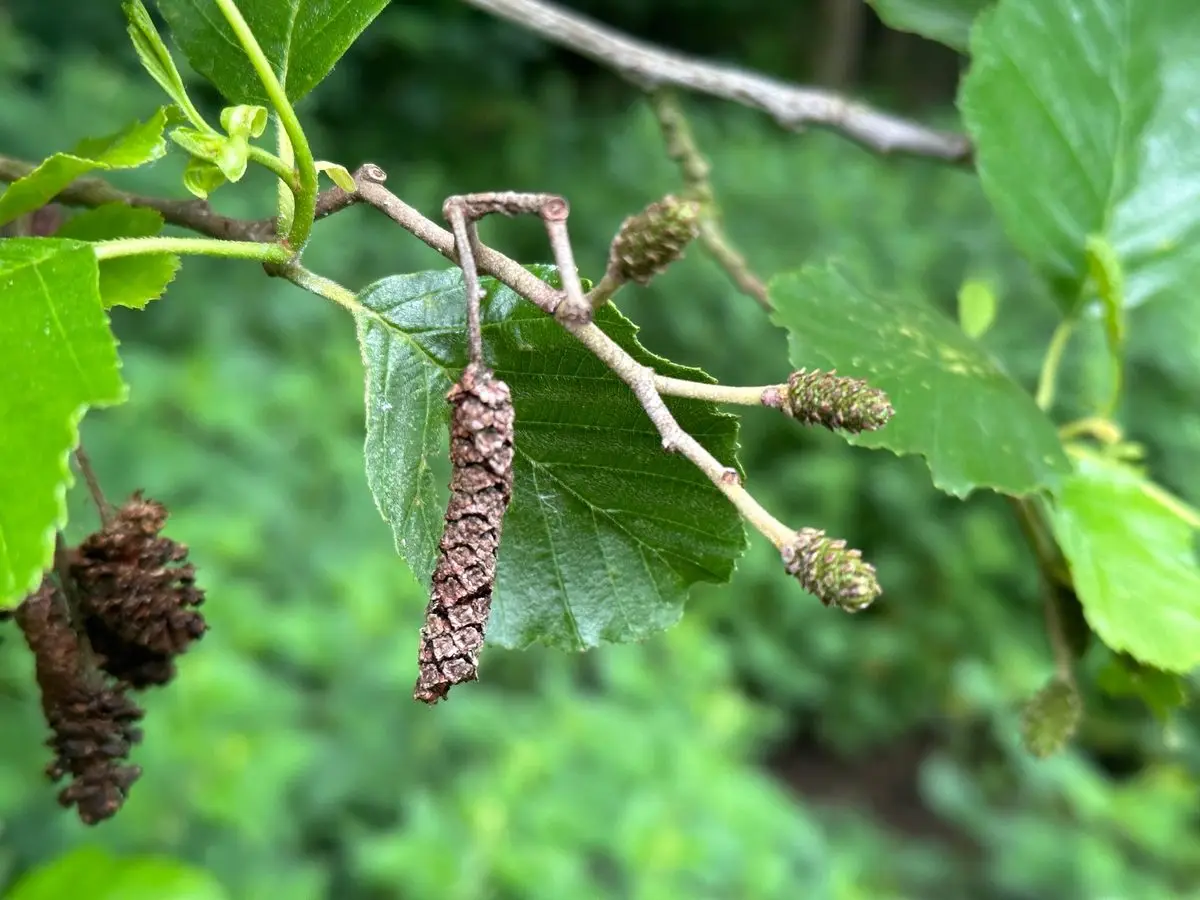
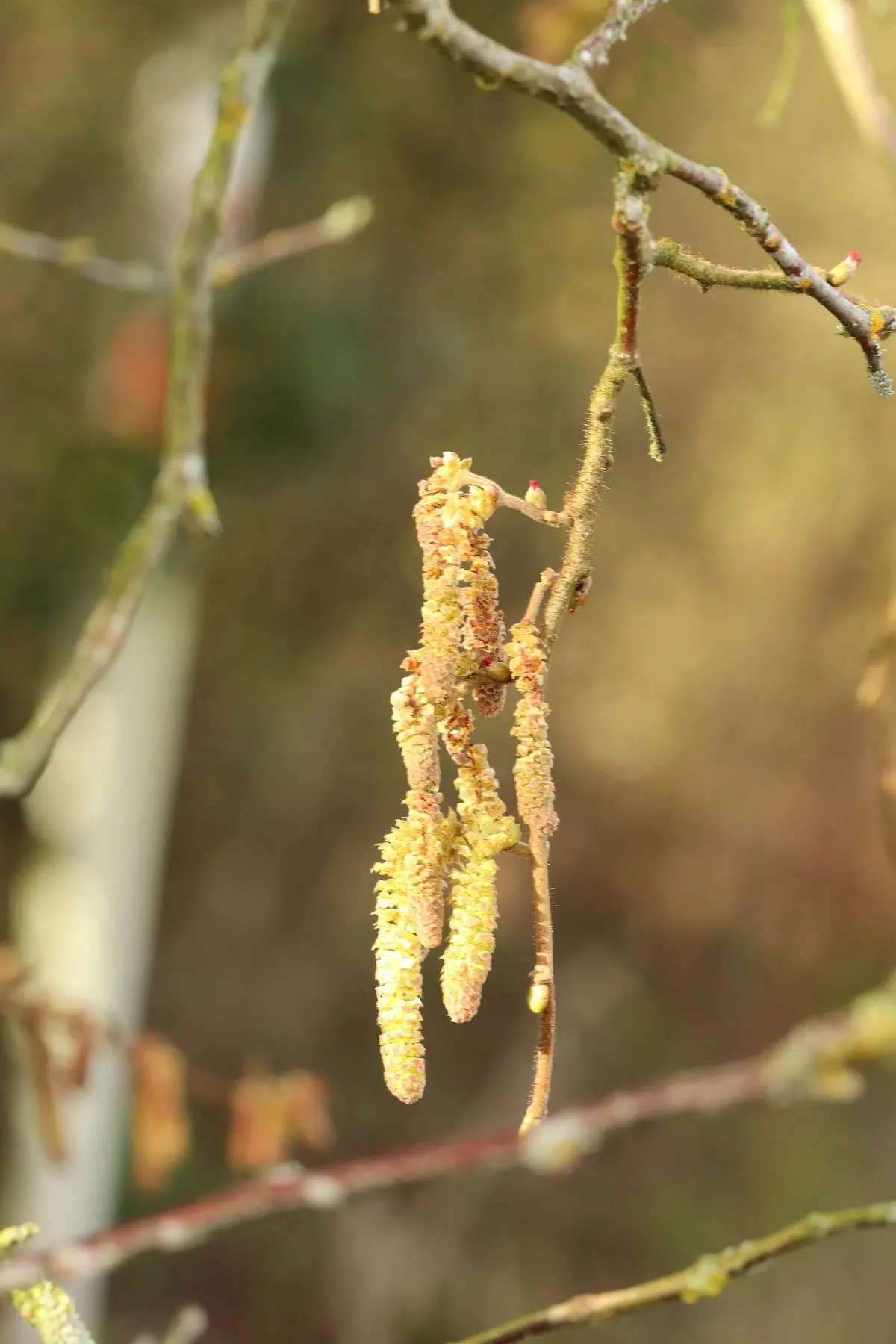
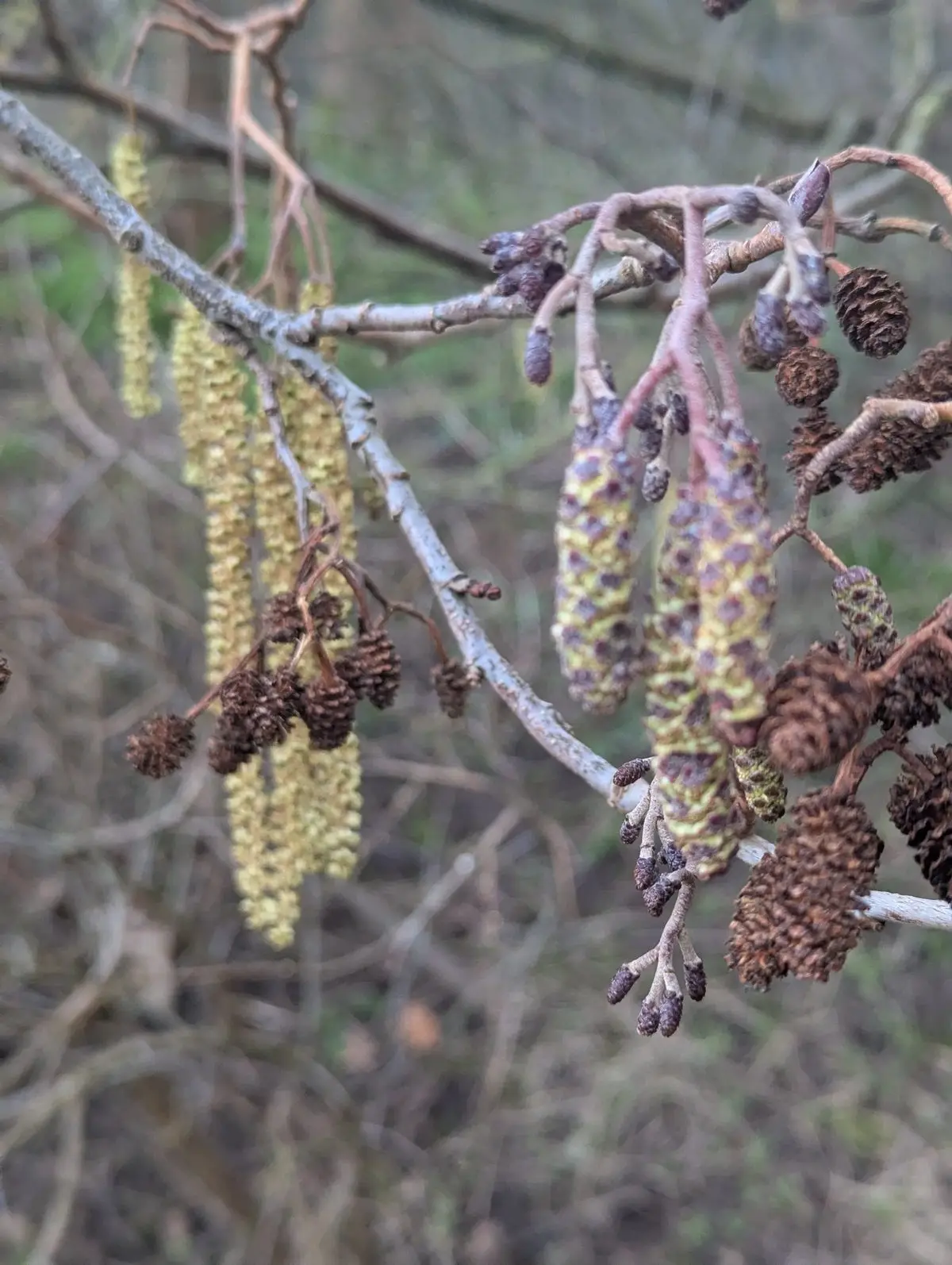
Plenty hangs on through winter. Young beech and hornbeam hold their dead leaves; ash keeps bunches of keys; alder carries small woody cones; and from January hazel, then alder, hang out their catkins.
Read the bark: it’s there all year
On an older trunk, is the bark smooth, cut into ridges, broken into plates, or peeling? Silver birch’s white, beech’s smooth grey, oak’s deep knobbly ridges and ash’s neat net of crossing ridges all read as well in January as in June.
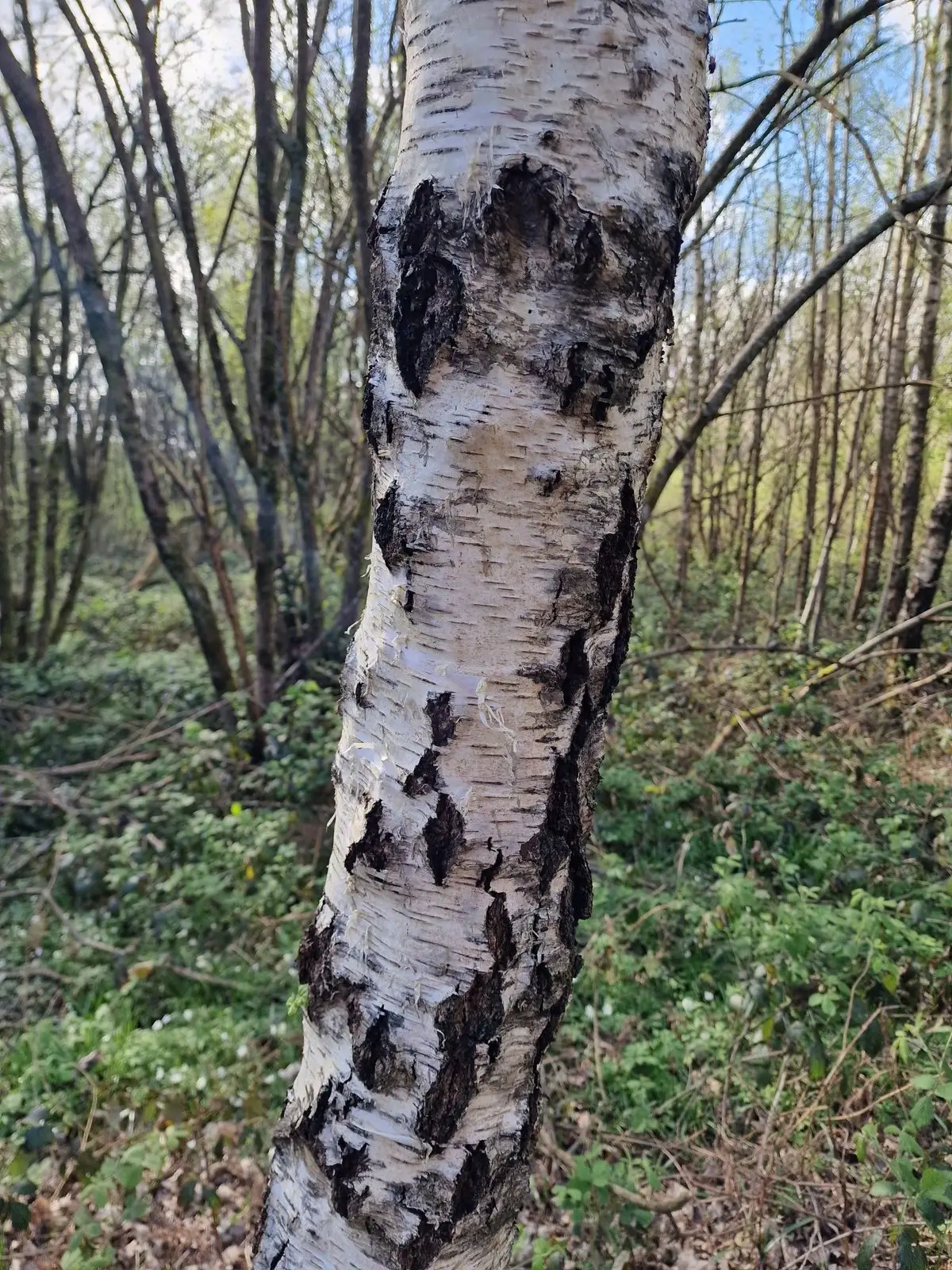 Silver birchWhite, peeling, with black diamonds at the base
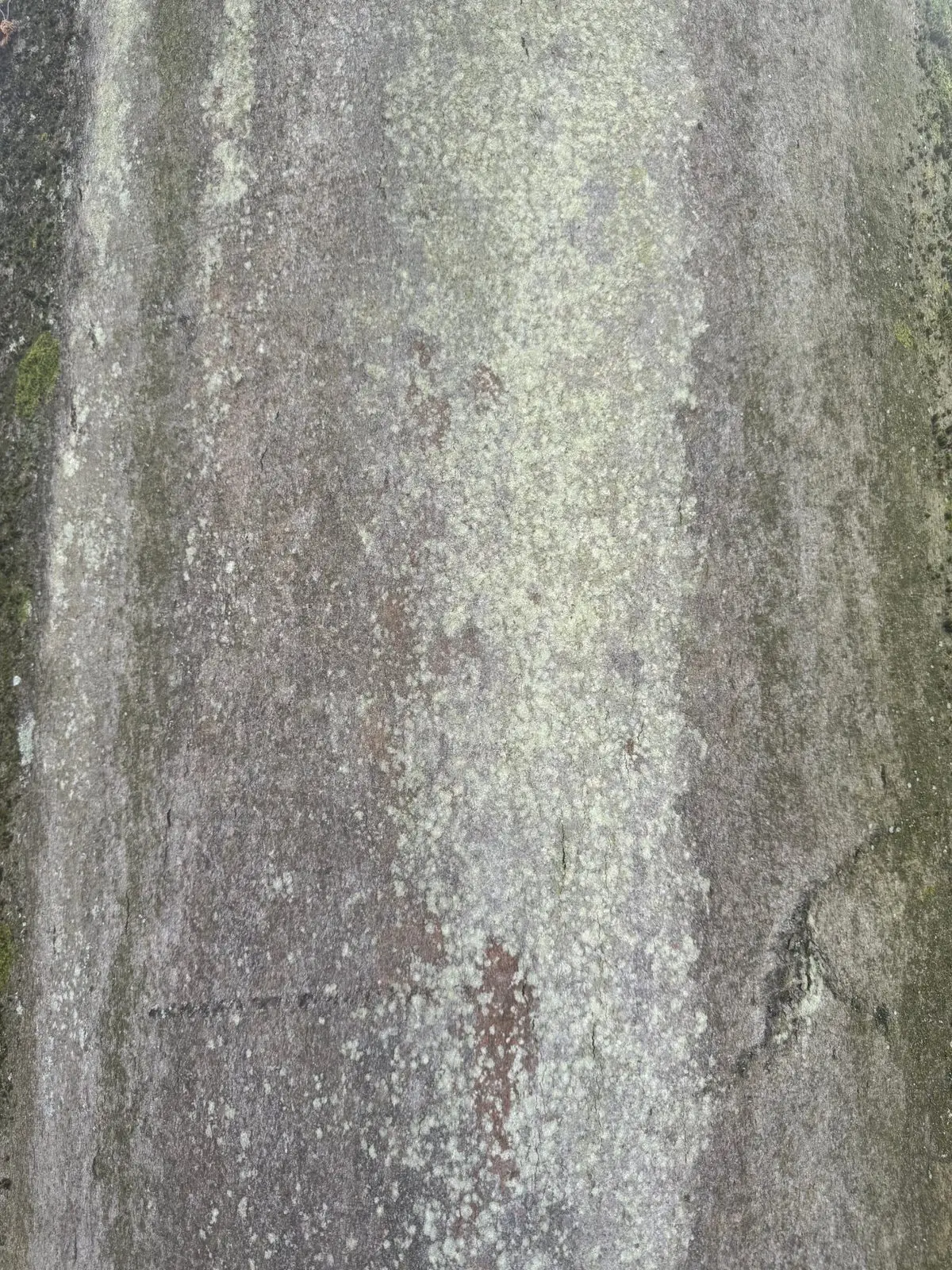 Common beechSmooth silvery grey with faint horizontal lines
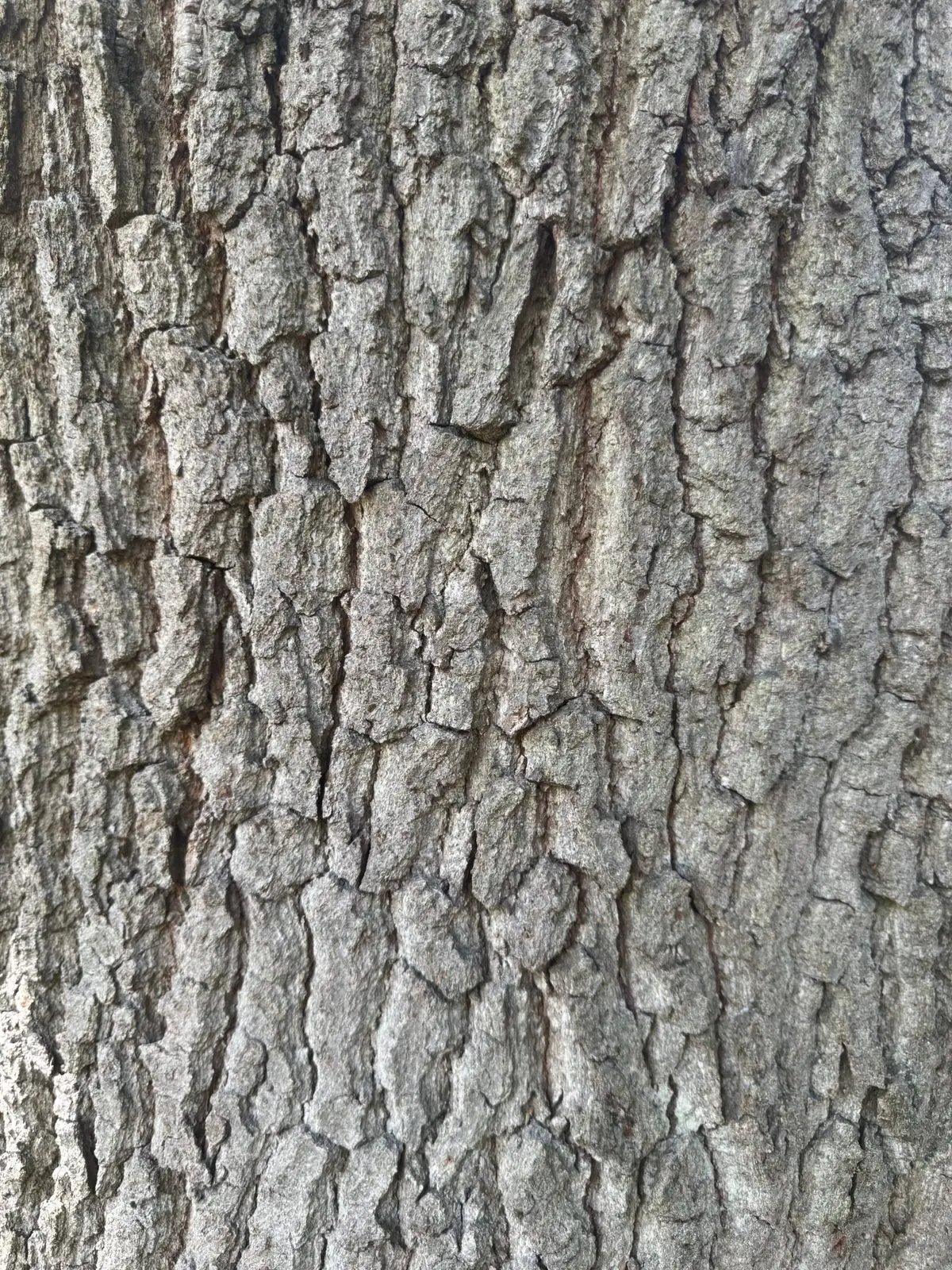 English oakGrey, short deep knobbly ridges
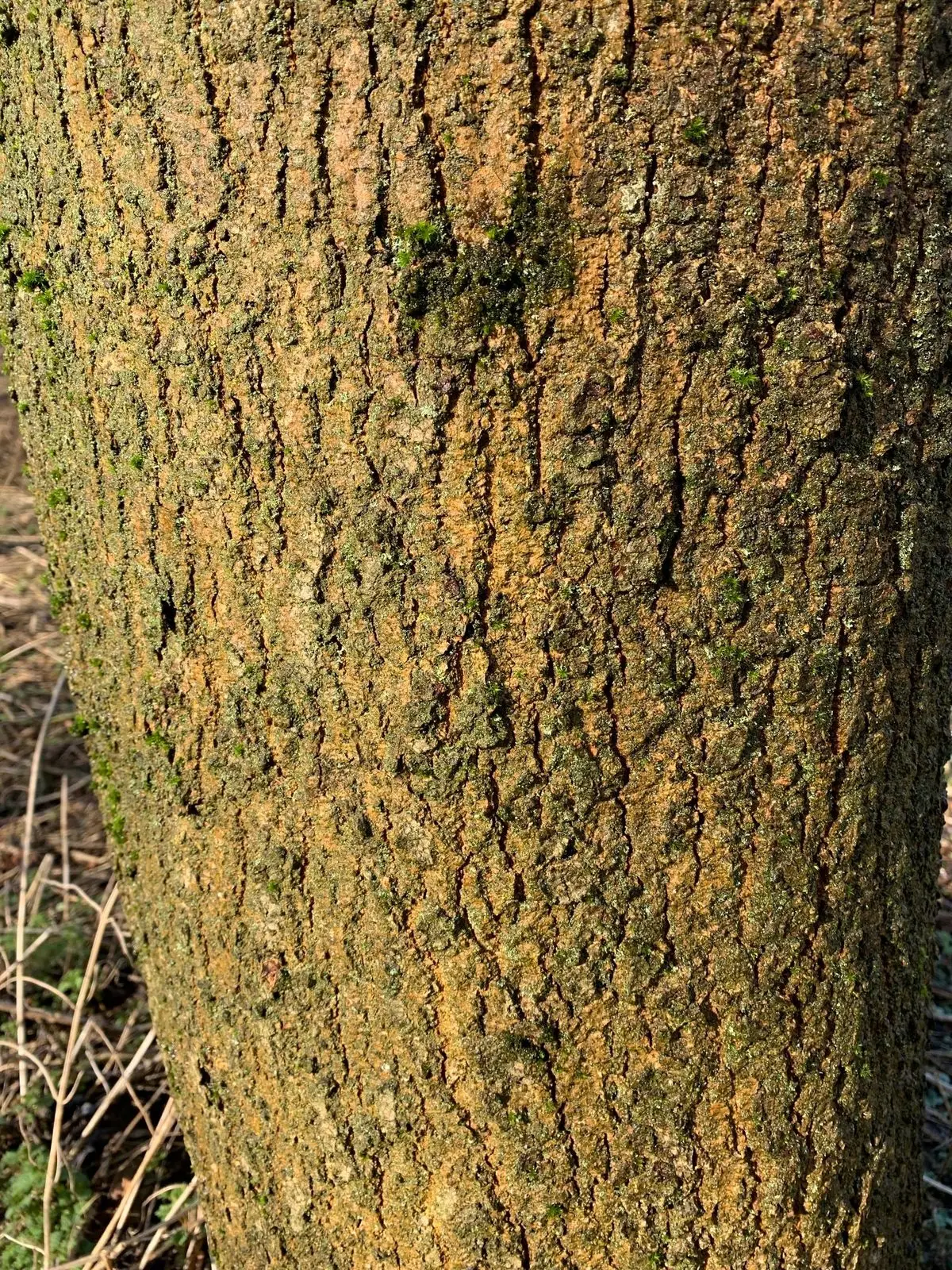 Common ashPale grey, in a shallow criss-cross network
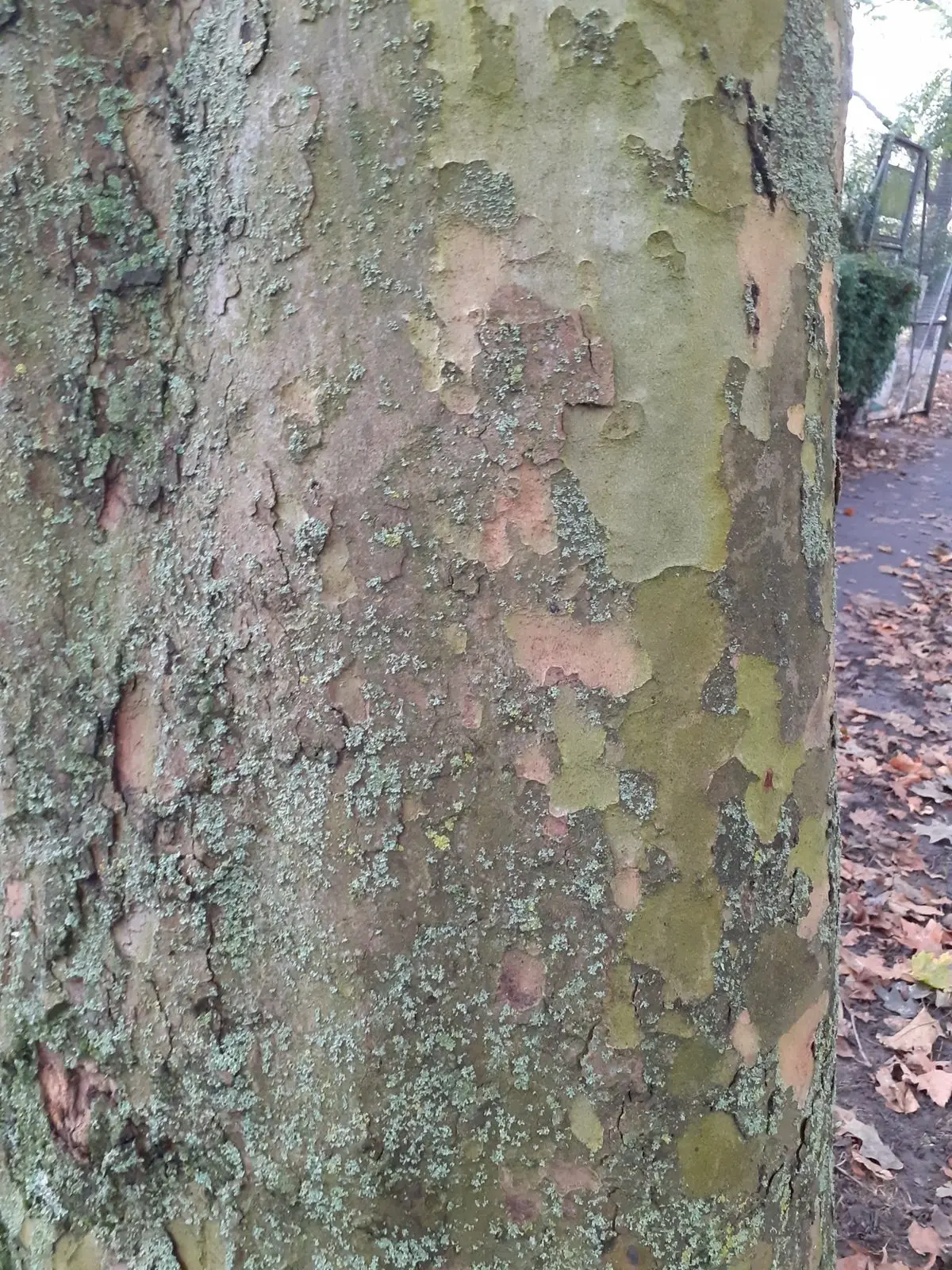 London planePatchwork of grey, cream and olive
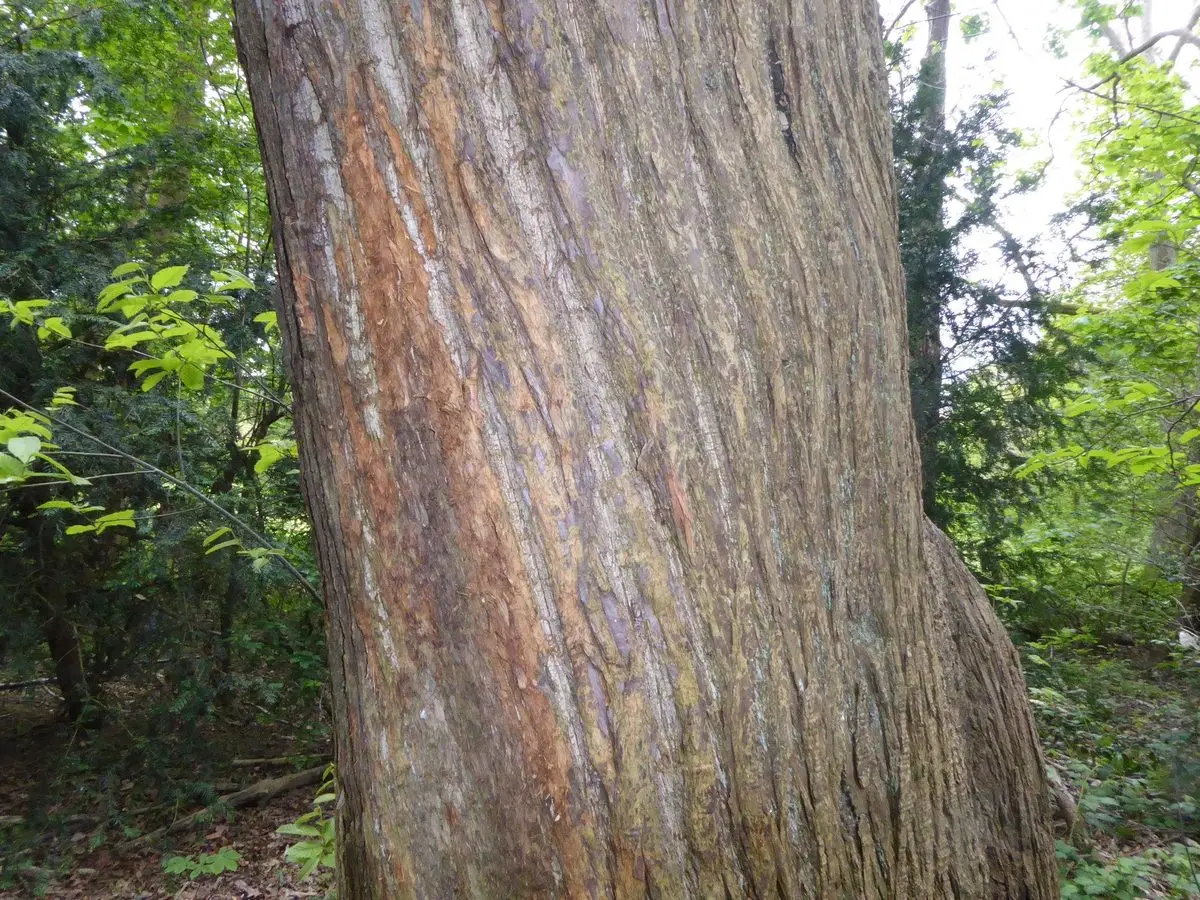 Sweet chestnutRidges that spiral round an old trunk
Look down: what’s on the ground
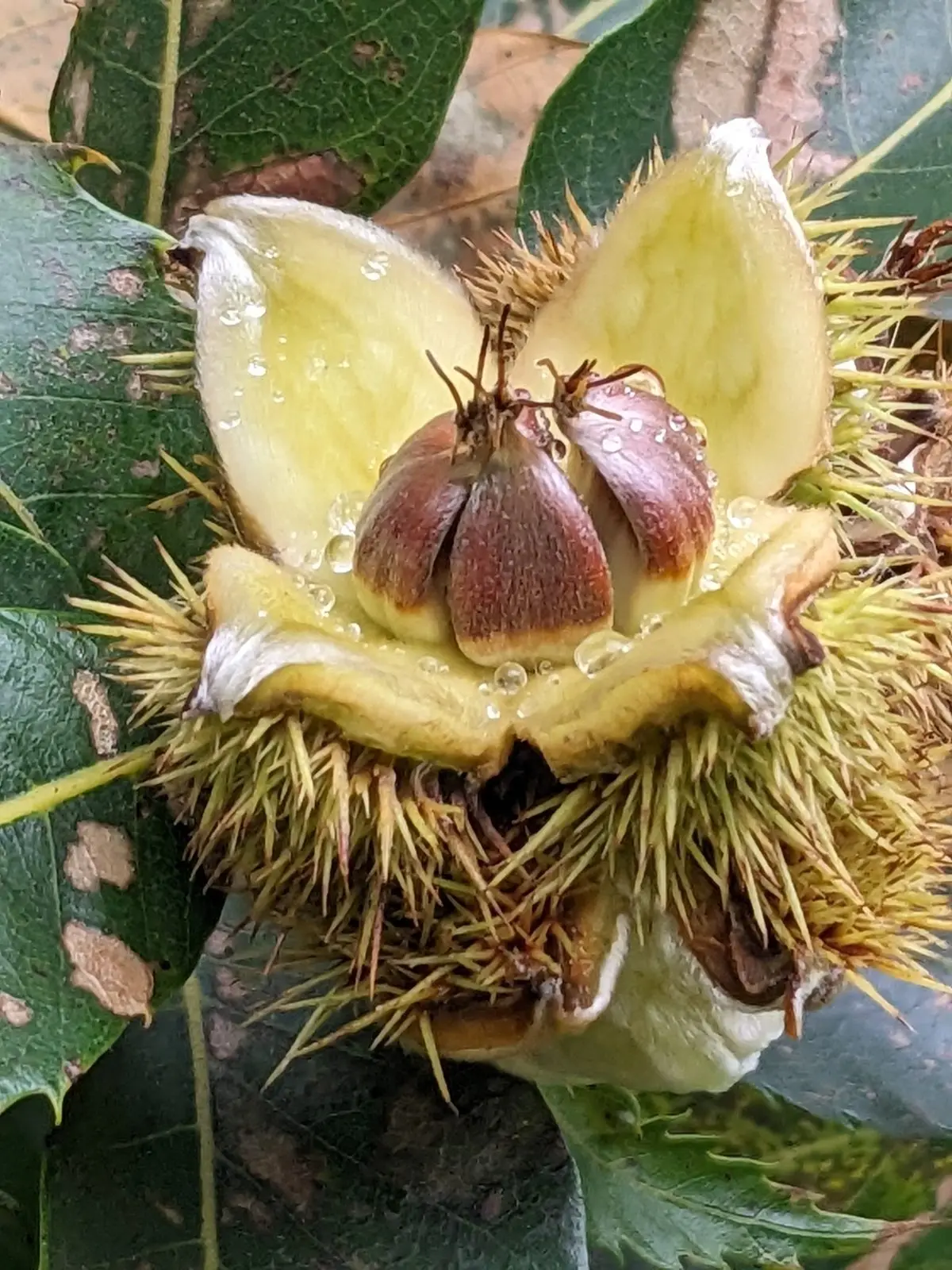
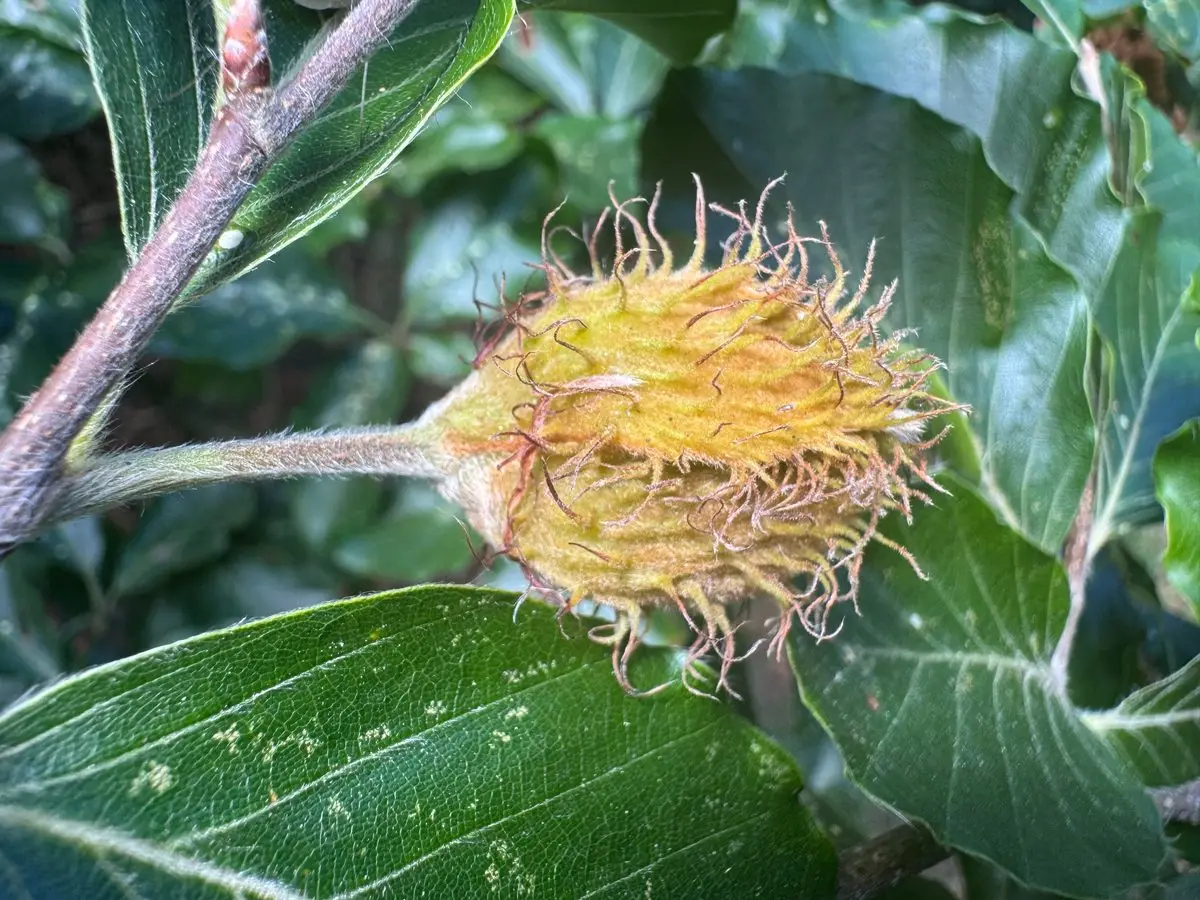
Under the tree lie last autumn’s clues: acorn cups under an oak, split spiny husks under horse chestnut and sweet chestnut, beech’s three-sided nuts in their prickly cases, and cones under the conifers.
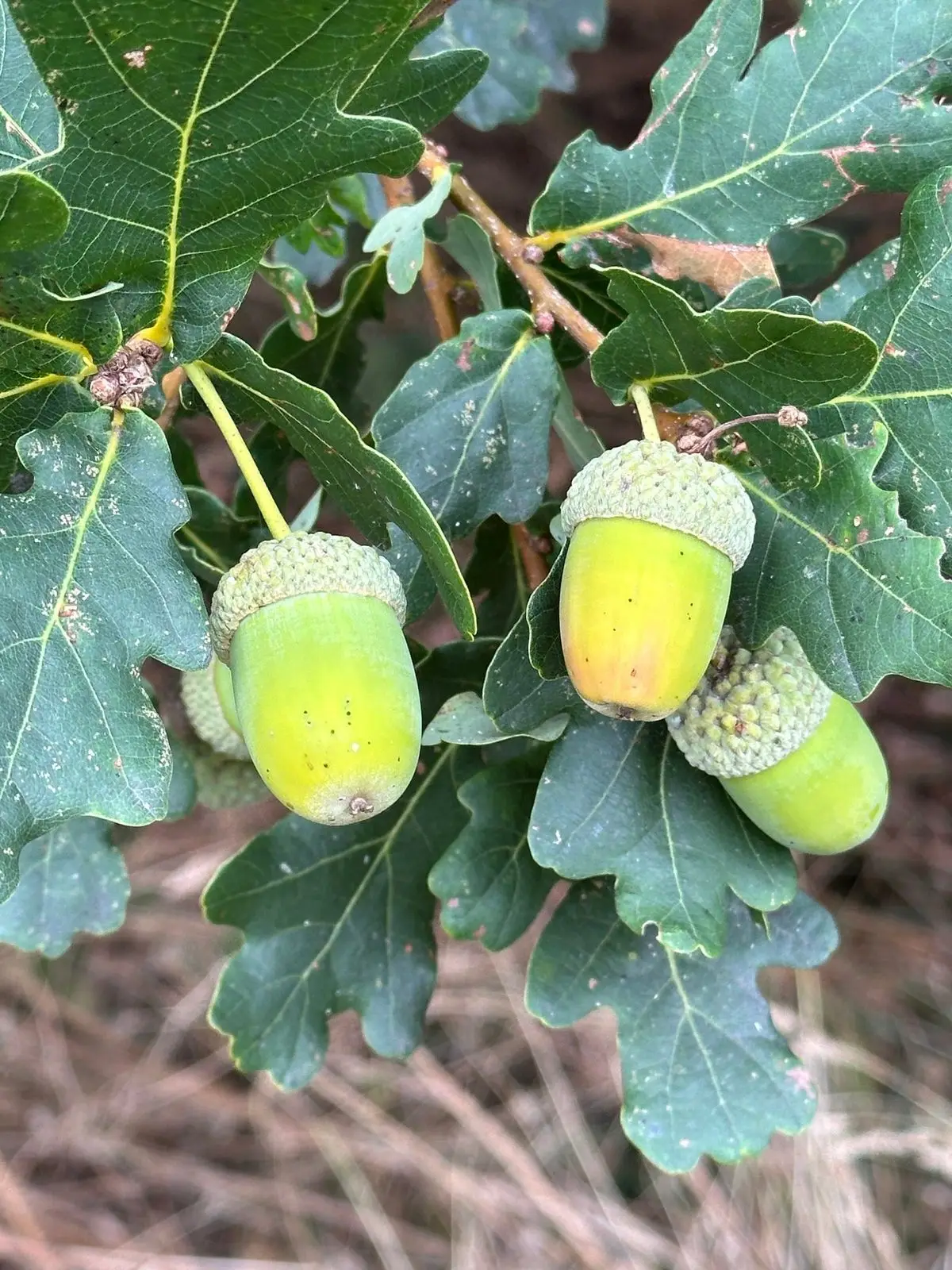
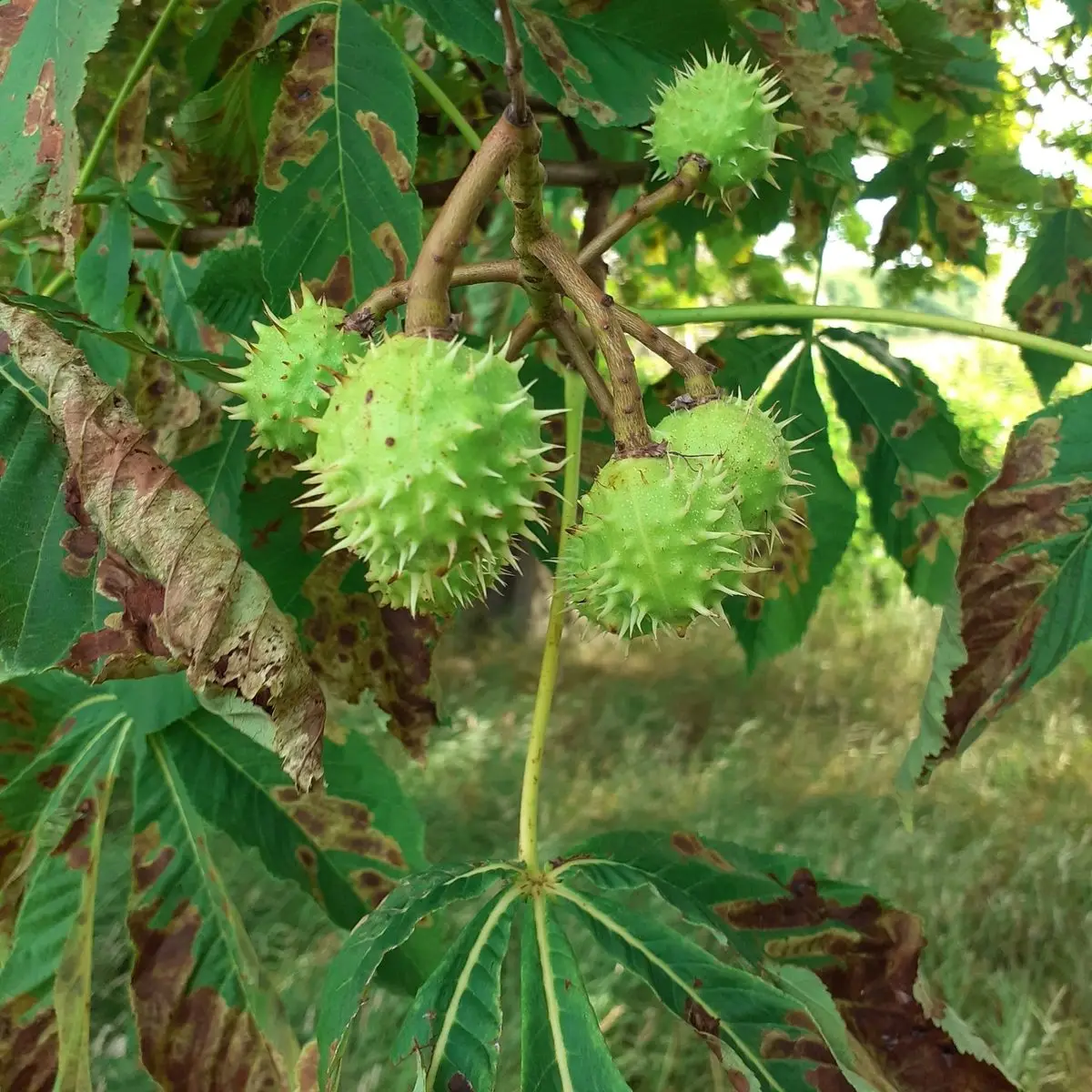
Know them bare
- Every tree, every seasonTwigs, buds and bark photographed in winter, not only in leaf
- A short round each dayUntil you know a bare ash from a bare oak at a glance
- The guided keyOne simple question at a time about what you can see, with no signal
- Name it from a photoThe bark works too, when the leaves have gone
Free to download.
Photographs: Leon Cross (CC BY 4.0), Ewan Shilland (CC BY 4.0), Louis Aureglia (CC BY 4.0), steve_mcwilliam (CC0), dawn2022 (CC BY 4.0), Kieran Roy Powell (CC BY 4.0), empressmoth (CC0), bobwardell (CC0), scallions (CC BY 4.0), Dave (CC BY 4.0), Owen and Carol Fawcett. (CC BY 4.0), sim_elliott (CC0), Jan Sheppard (CC BY 4.0), jamie-aa (CC BY 4.0), cjoynson (CC0), oliverc29 (CC BY 4.0). With thanks to everyone who shares their photographs on iNaturalist and Wikimedia Commons.