Holly
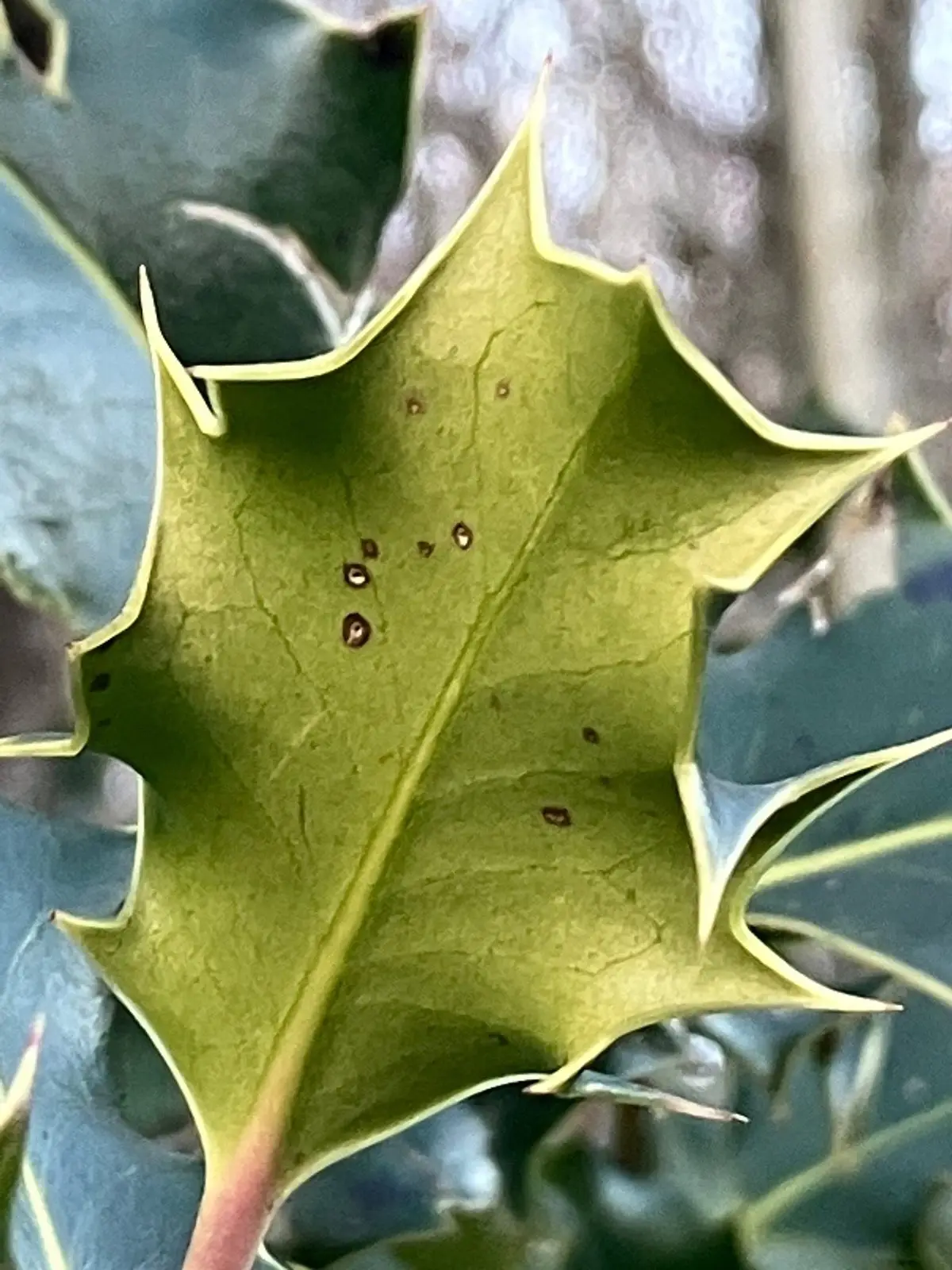
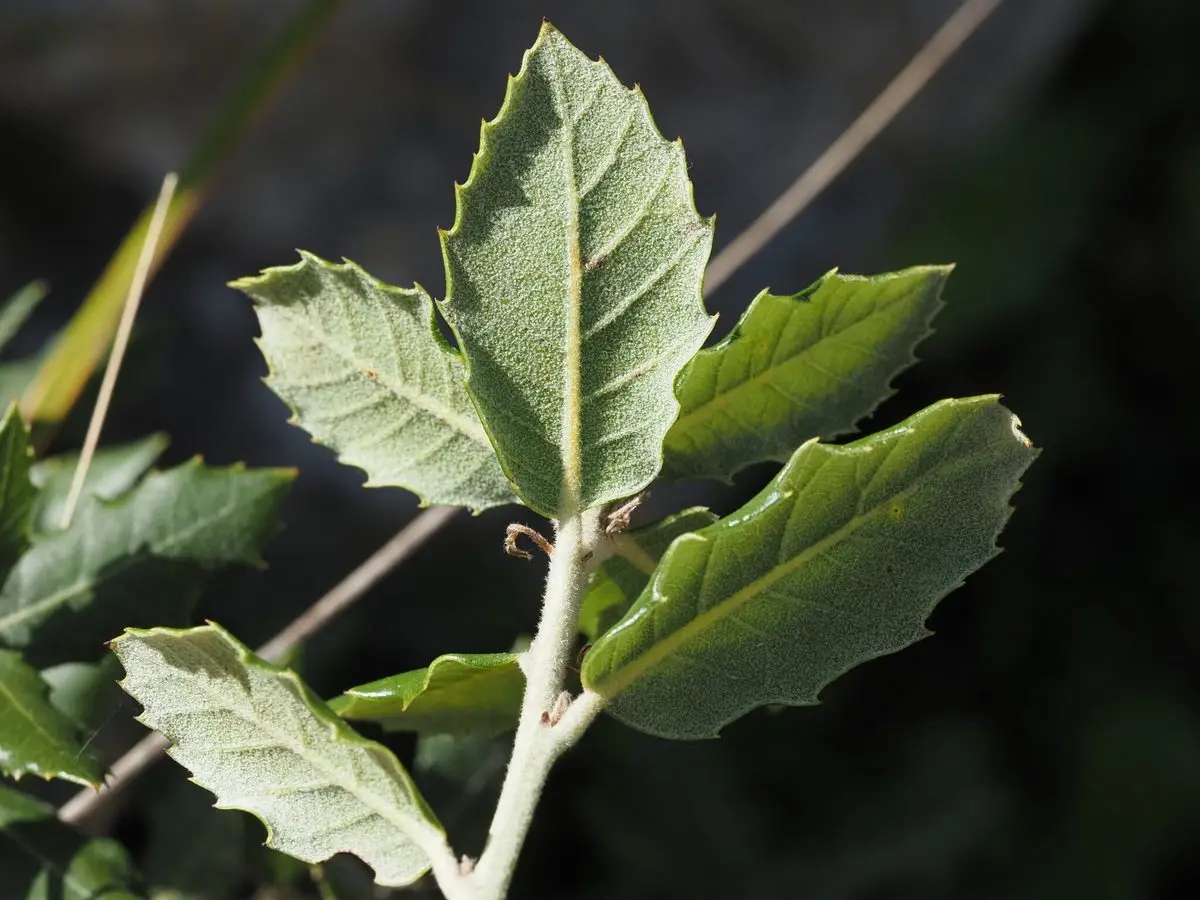
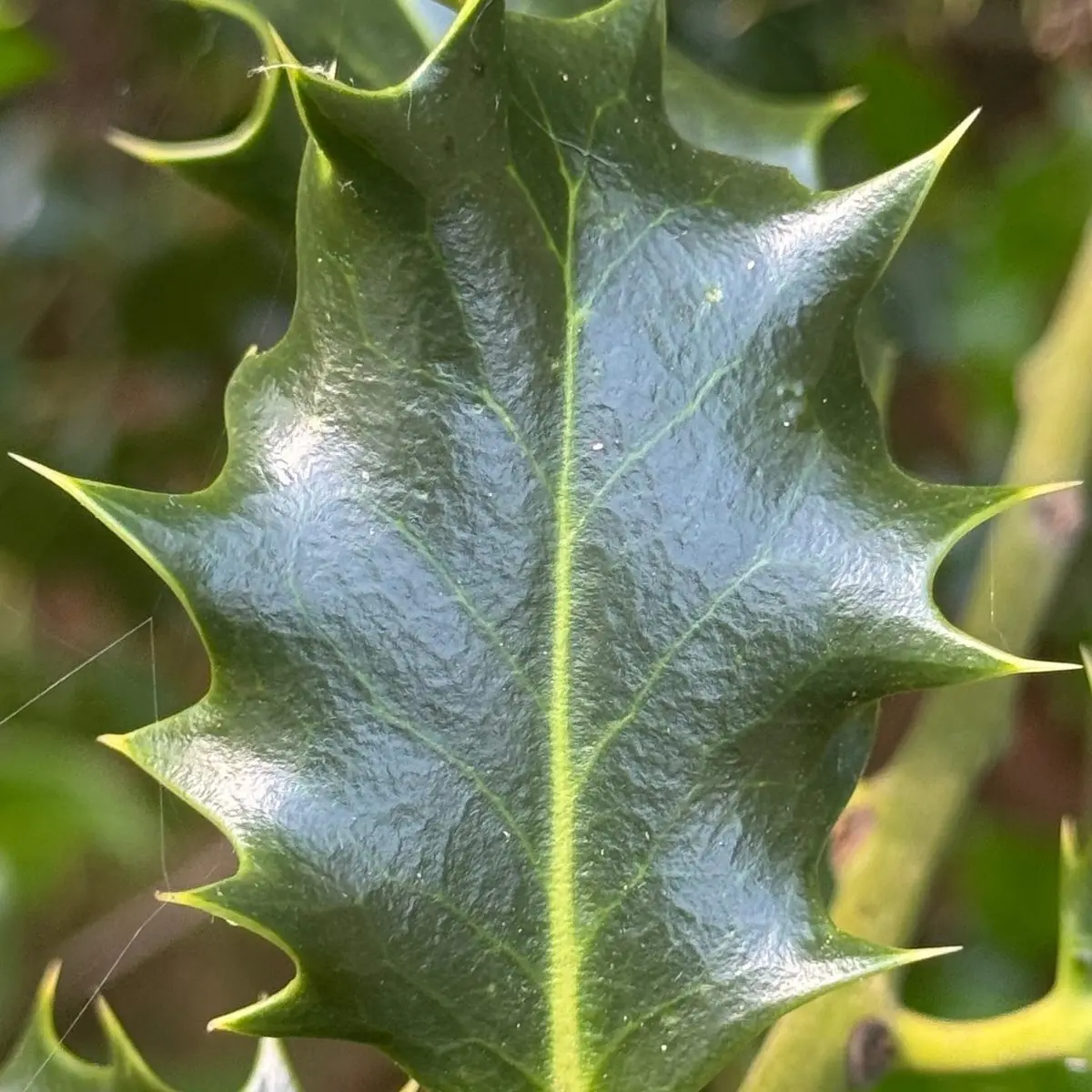
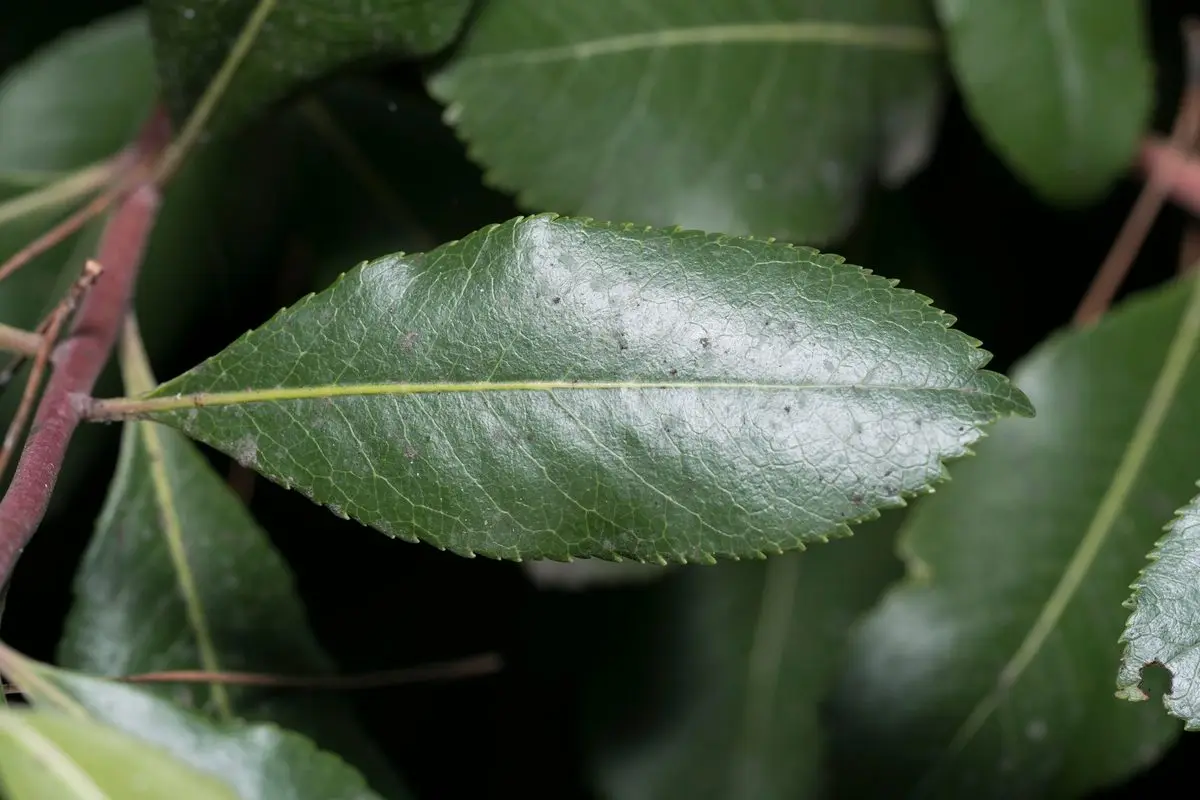
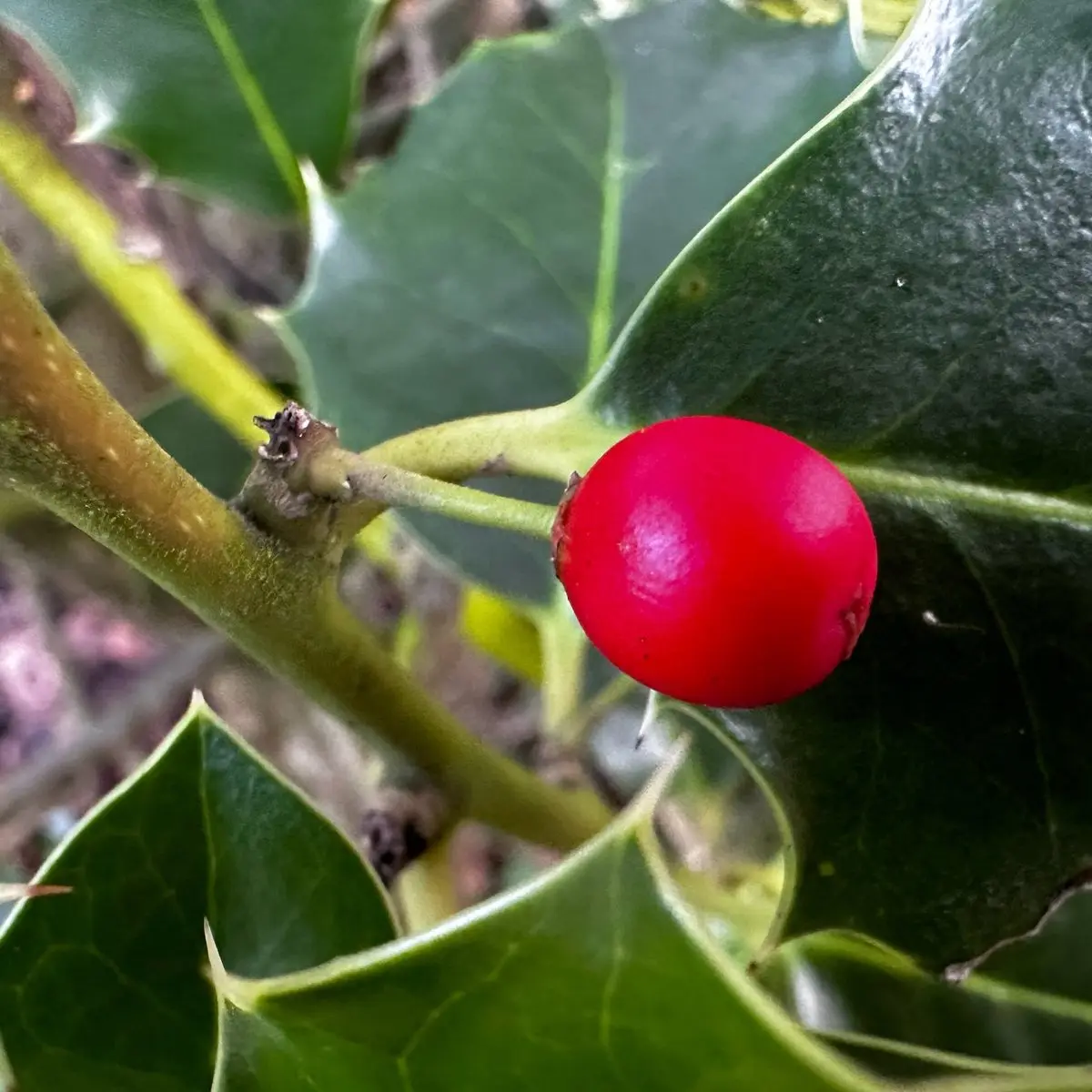
Ilex aquifoliumHolly is an evergreen, most often a small tree in hedges and woods. Its glossy leaves are spiny low down and almost smooth higher up. Only female trees carry the red berries.
How to identify holly →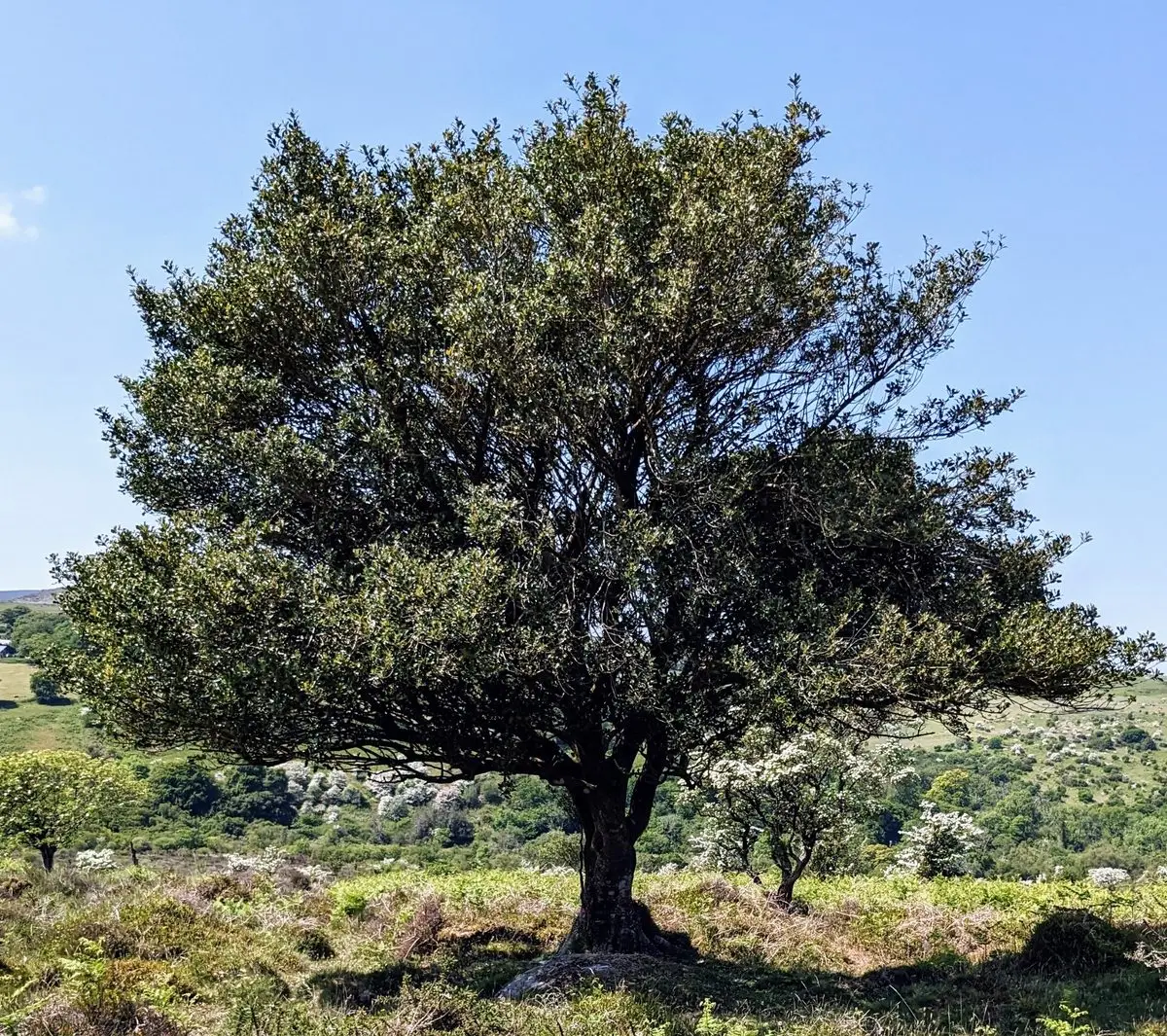
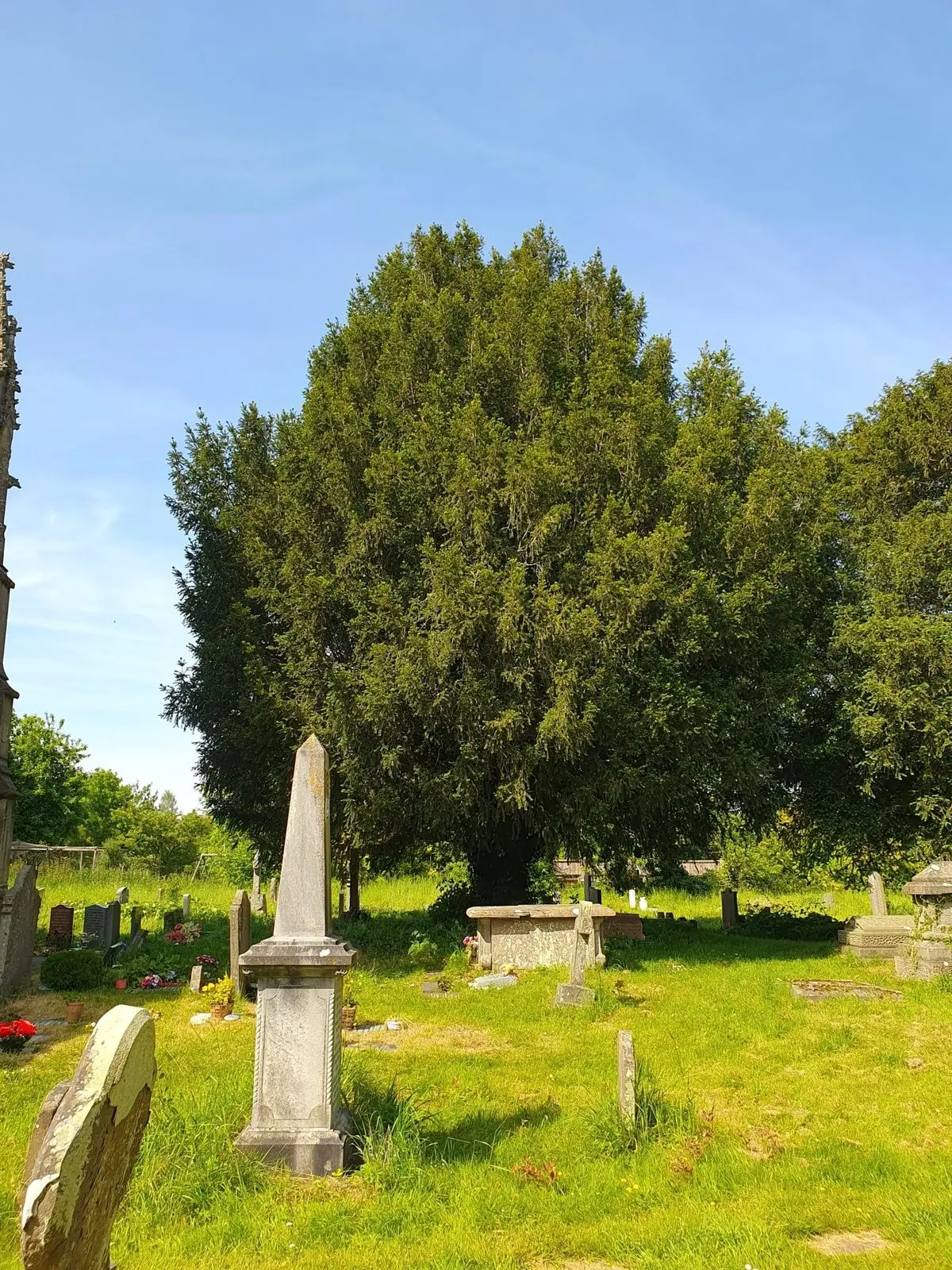
Both are dark evergreens of churchyards and woodland with red fruit.
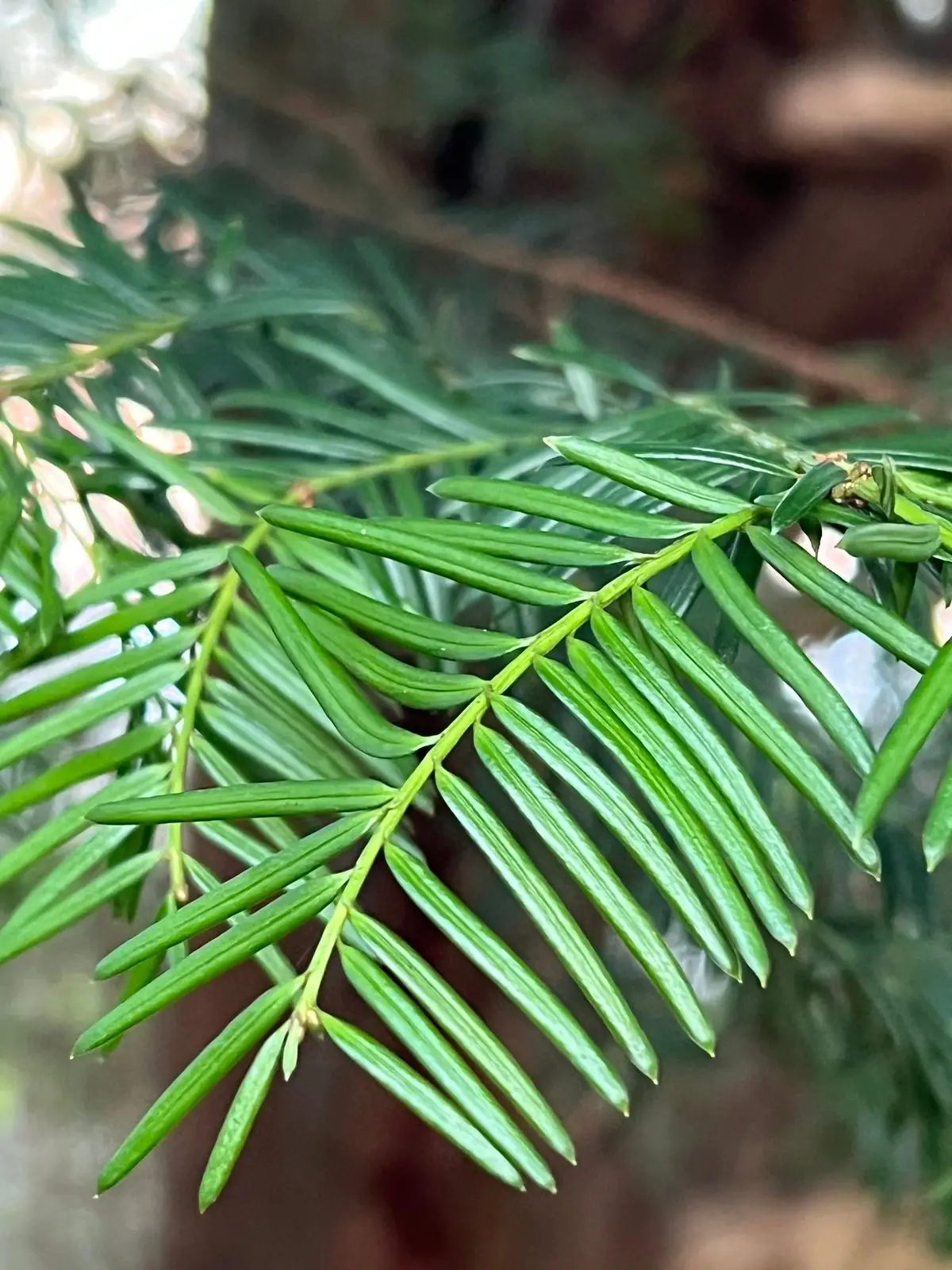
The quickest check is the shape of a leaf. Holly: hard and glossy, egg-shaped to oblong. Yew: flat needles in two rows along the twig. No leaves on the tree? Check the tip of a fruit.
| Look at | Holly | Yew |
|---|---|---|
| Shape of a leaf | Hard and glossy, egg-shaped to oblong | Flat needles in two rows along the twig |
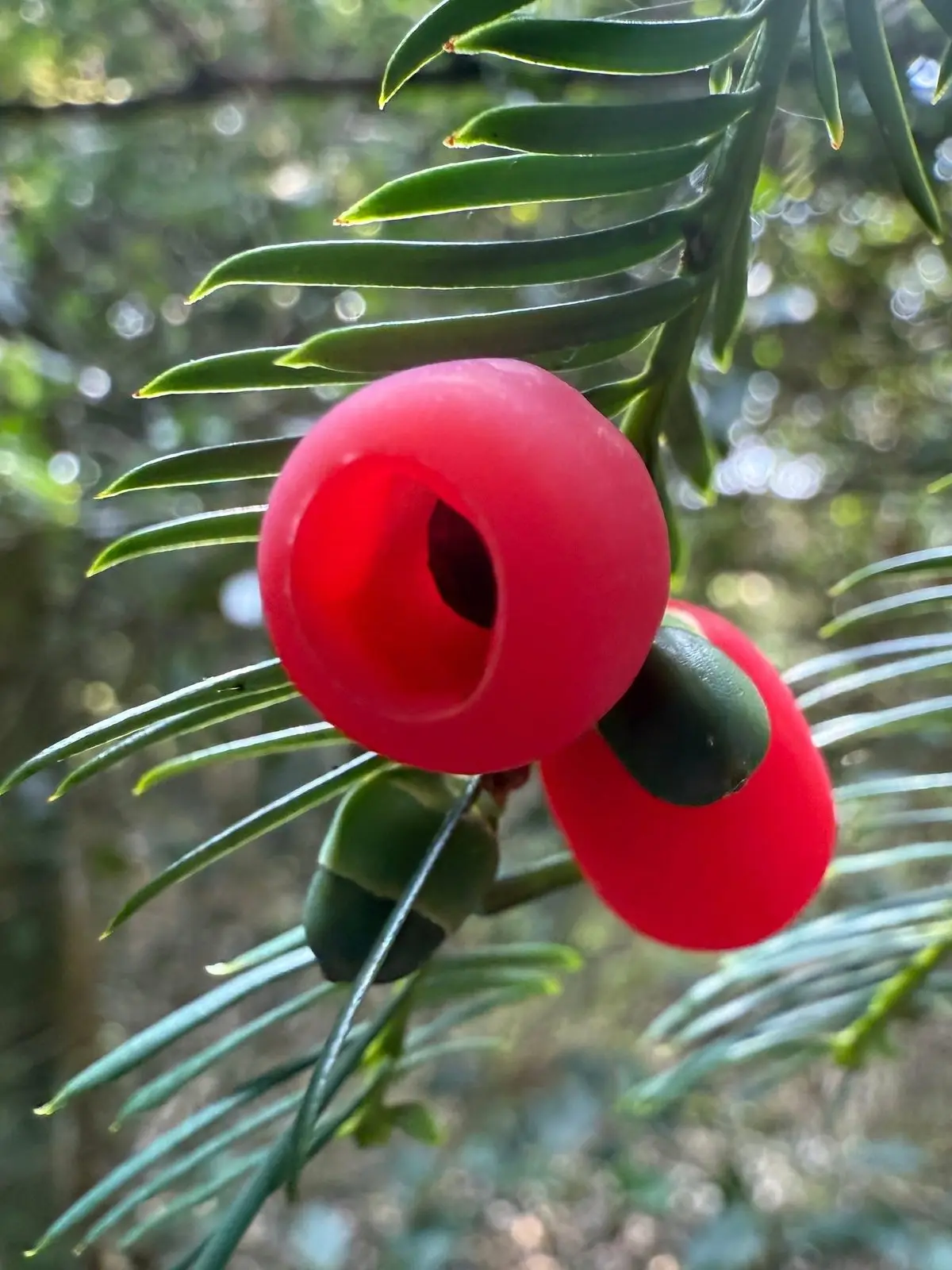
| Tip of a fruit | Round satiny crimson berry, up to 12 mm | Red cup, open at the tip, green seed showing |
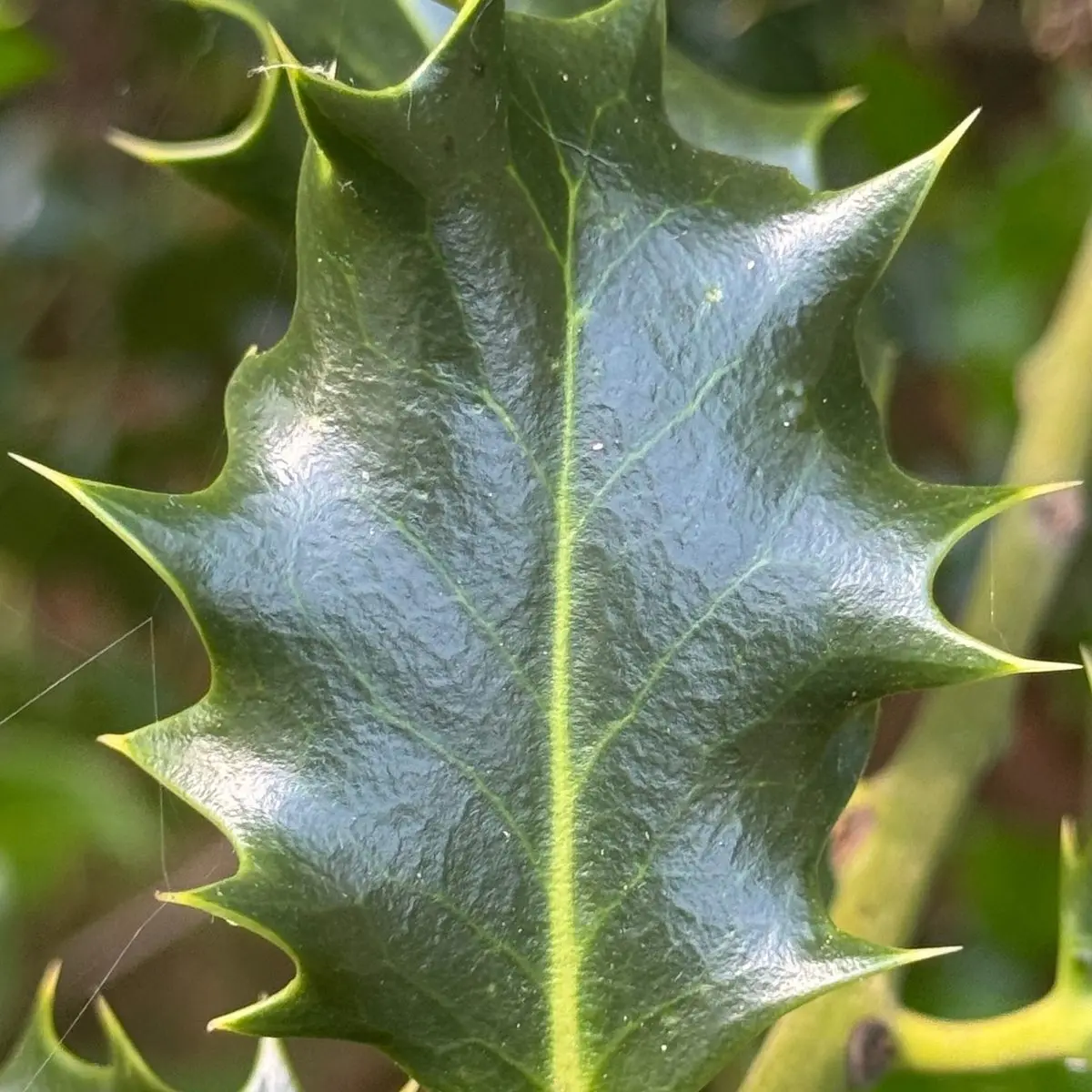
Holly is an evergreen, most often a small tree in hedges and woods. Its glossy leaves are spiny low down and almost smooth higher up. Only female trees carry the red berries.
How to identify holly →Yew is a dark evergreen, often planted in churchyards. Its flat needles grow in two rows, almost black above and yellowish beneath. Female trees carry red berries, open at the tip.
How to identify yew →Free to download.
Every fact on this page is checked against the Collins Tree Guide, last in November 2026. Spotted something that looks wrong in front of a real tree? Tell us. How we check.
Photographs: twig777 (CC0), ruth628 (CC0), Leon Cross (CC BY 4.0), Ewan Shilland (CC BY 4.0), scallions (CC BY 4.0), John Witton (CC BY 4.0). With thanks to everyone who shares their photographs on iNaturalist and Wikimedia Commons.