Horse chestnut
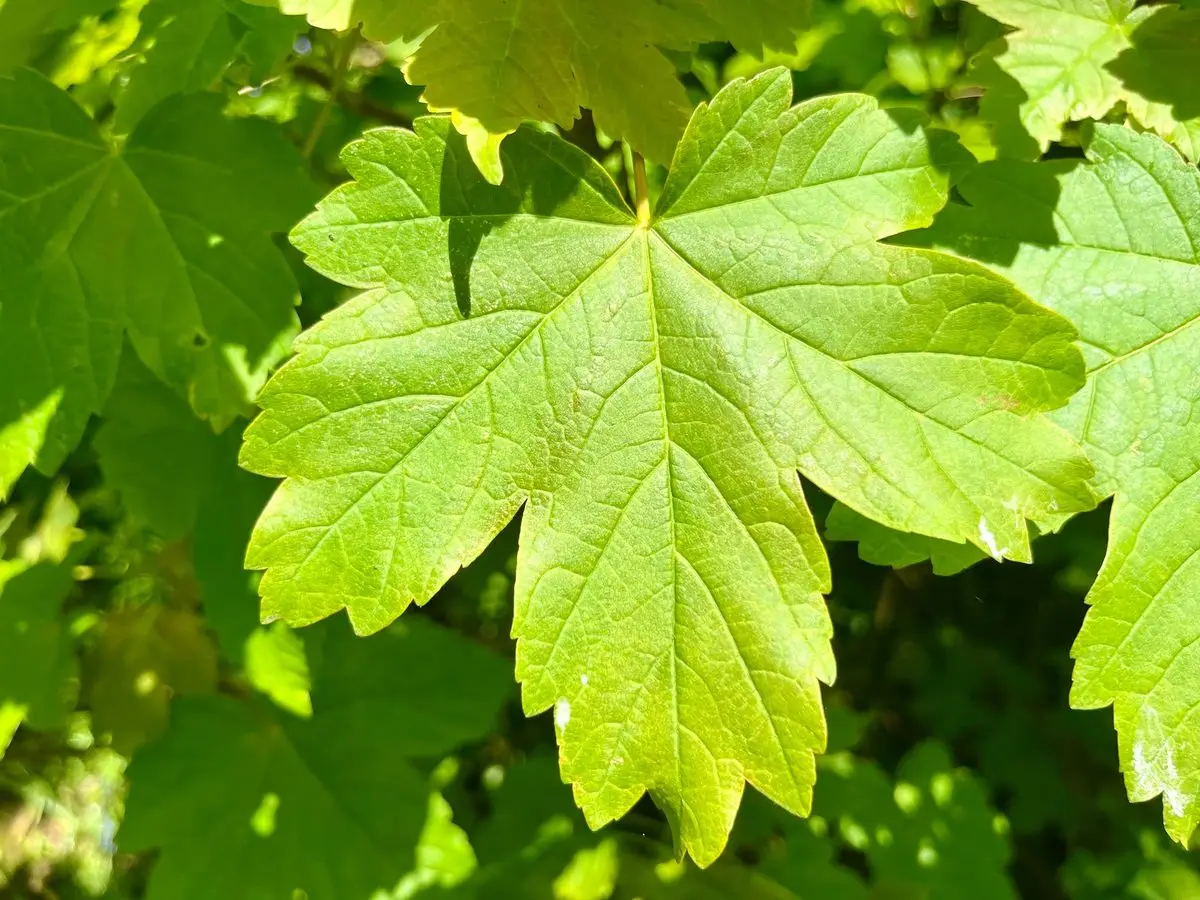
Aesculus hippocastanumHorse chestnut grows into a massive dome. Its big leaves have five to seven leaflets joined straight to the end of one long stalk. White flower candles cover it in May.
How to identify horse chestnut →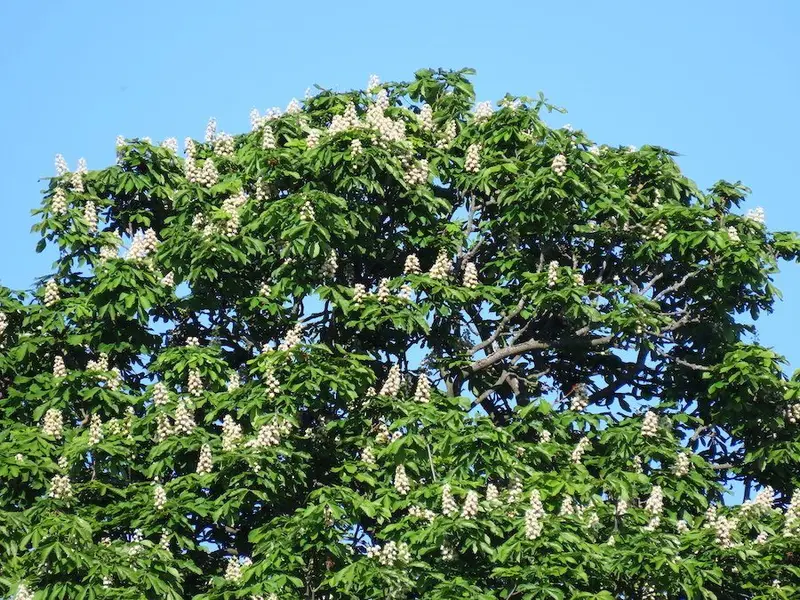 Florin Feneru, CC BY 4.0
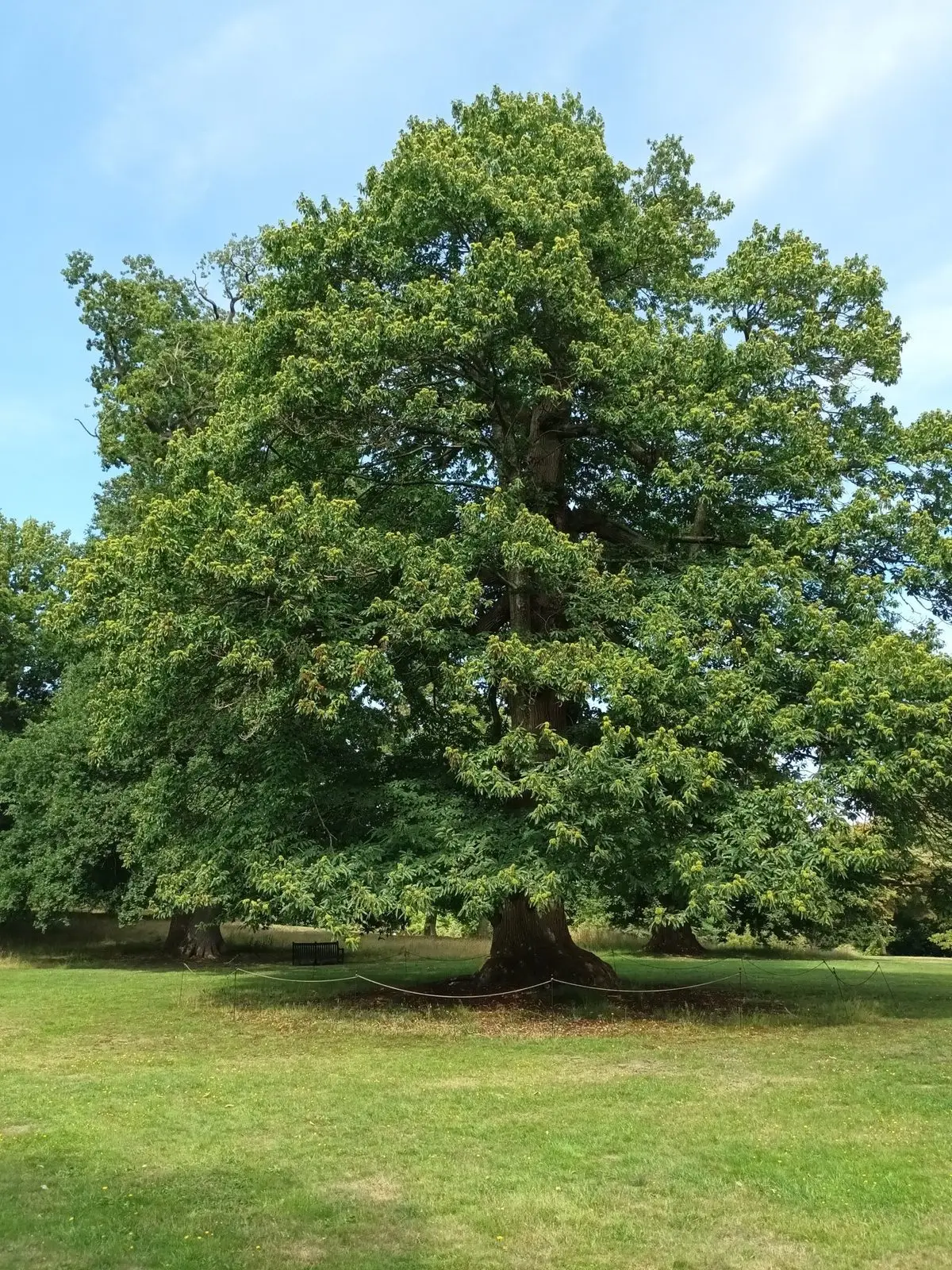
They share half a name and are not related.
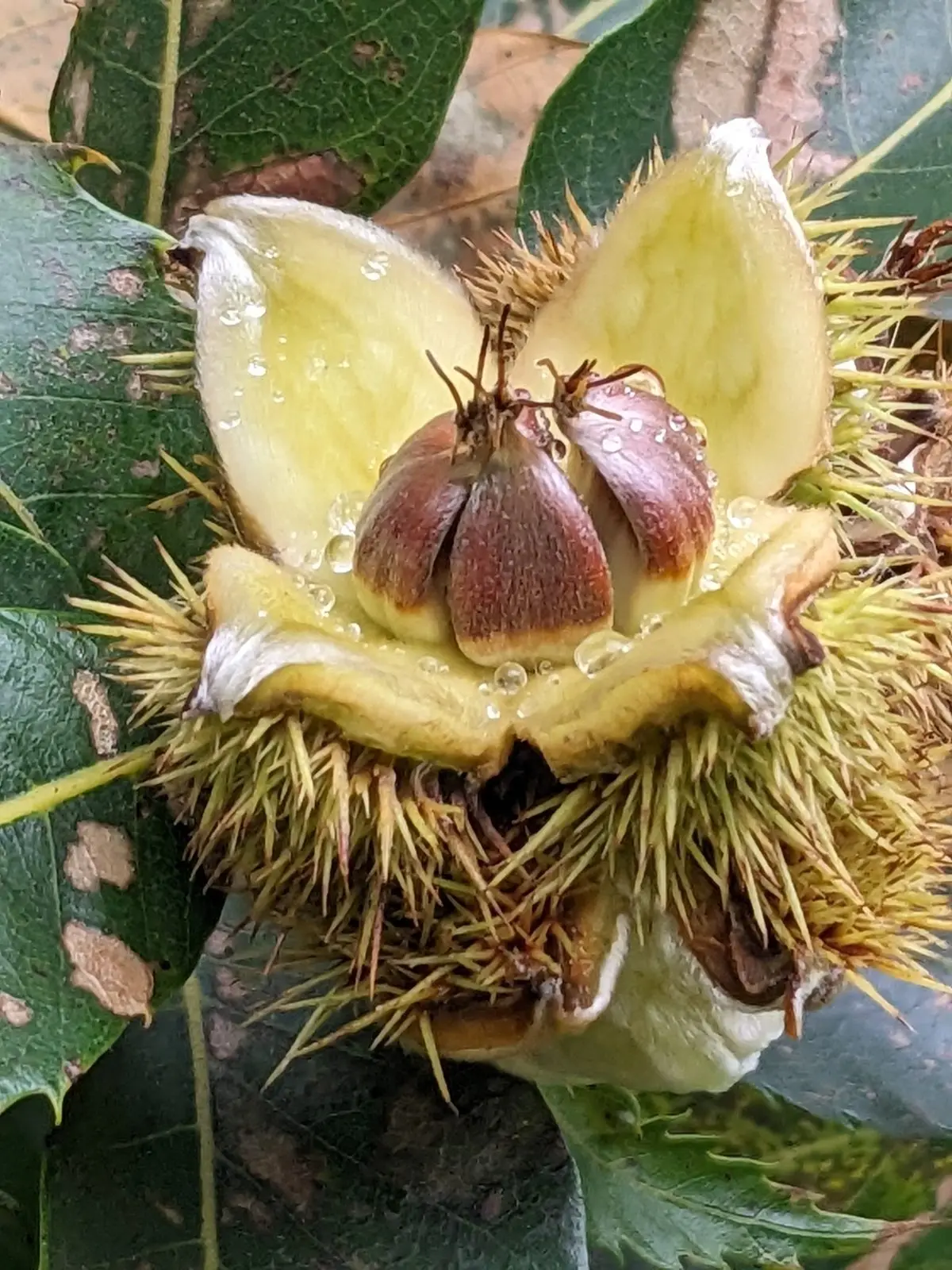
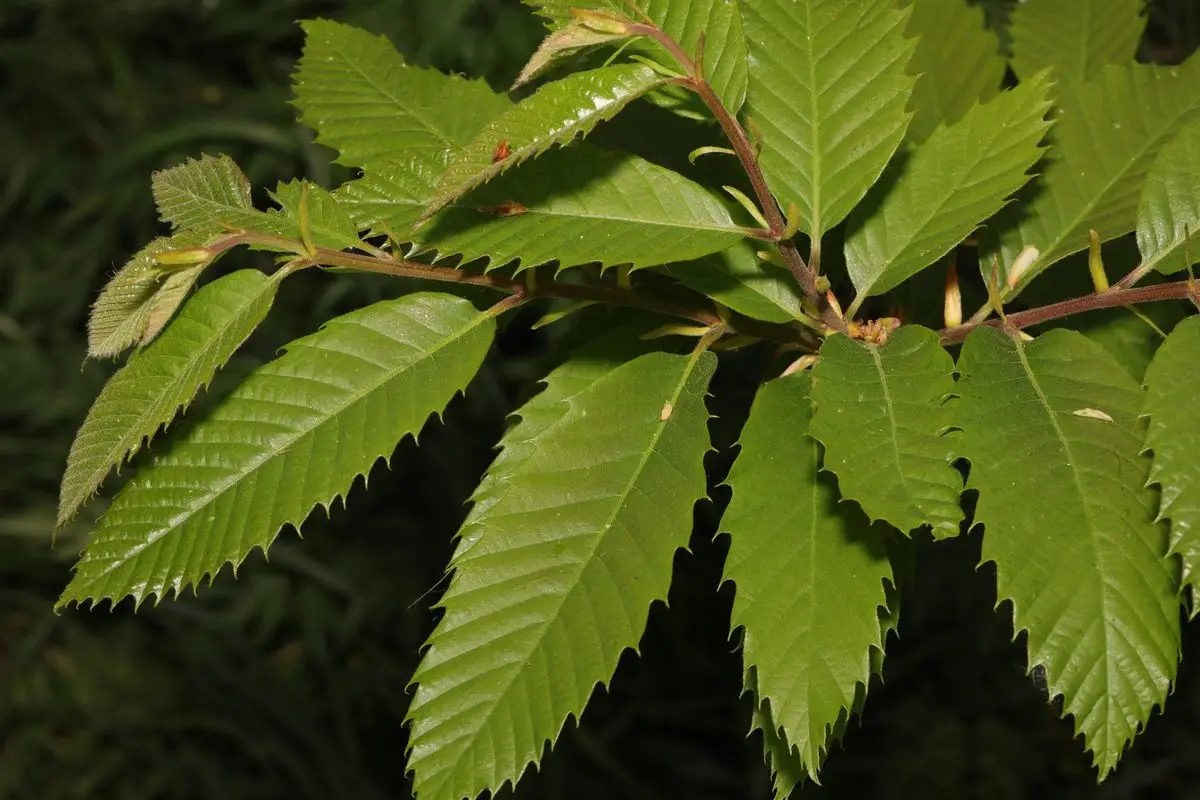
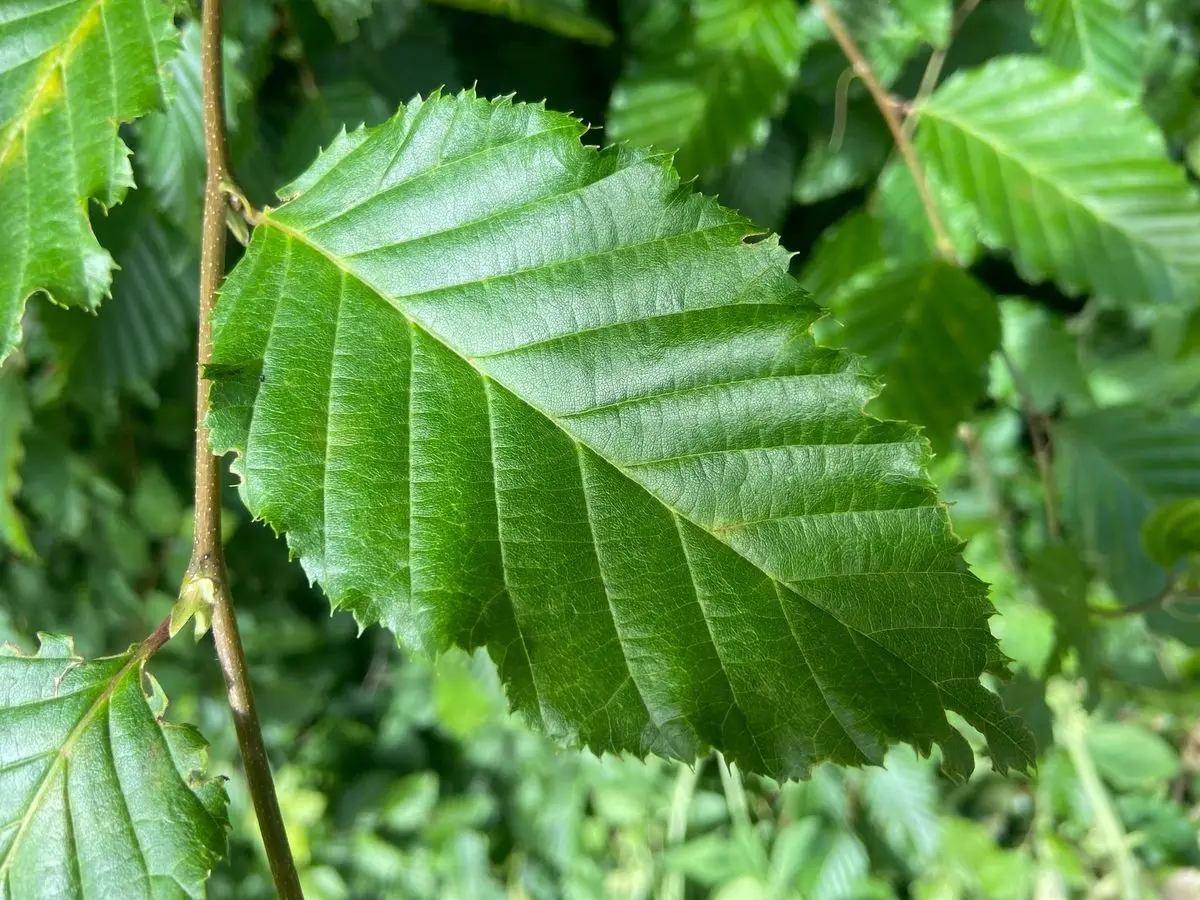
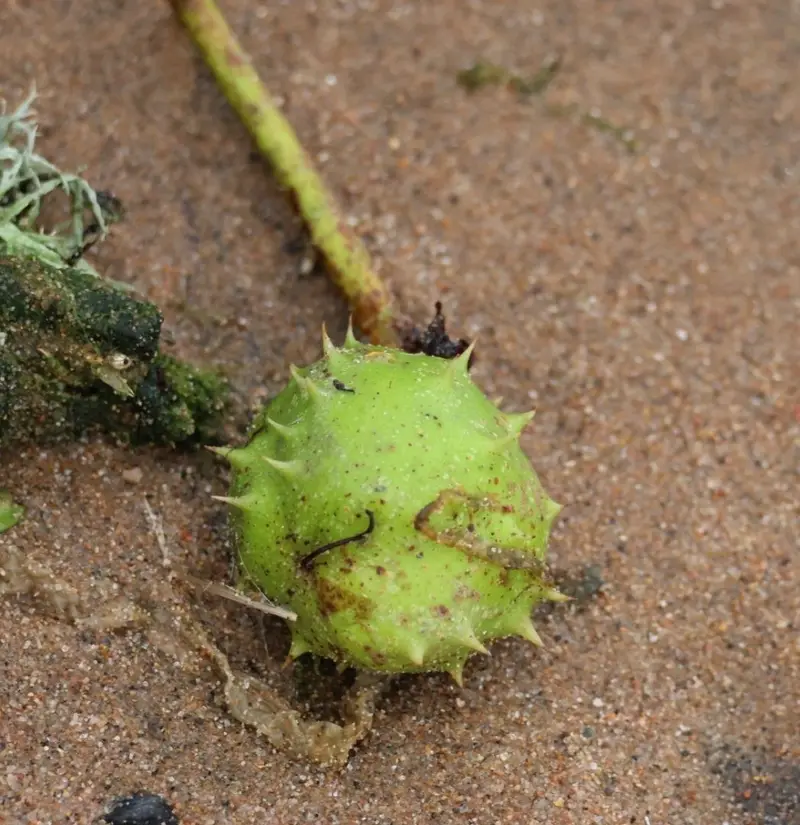
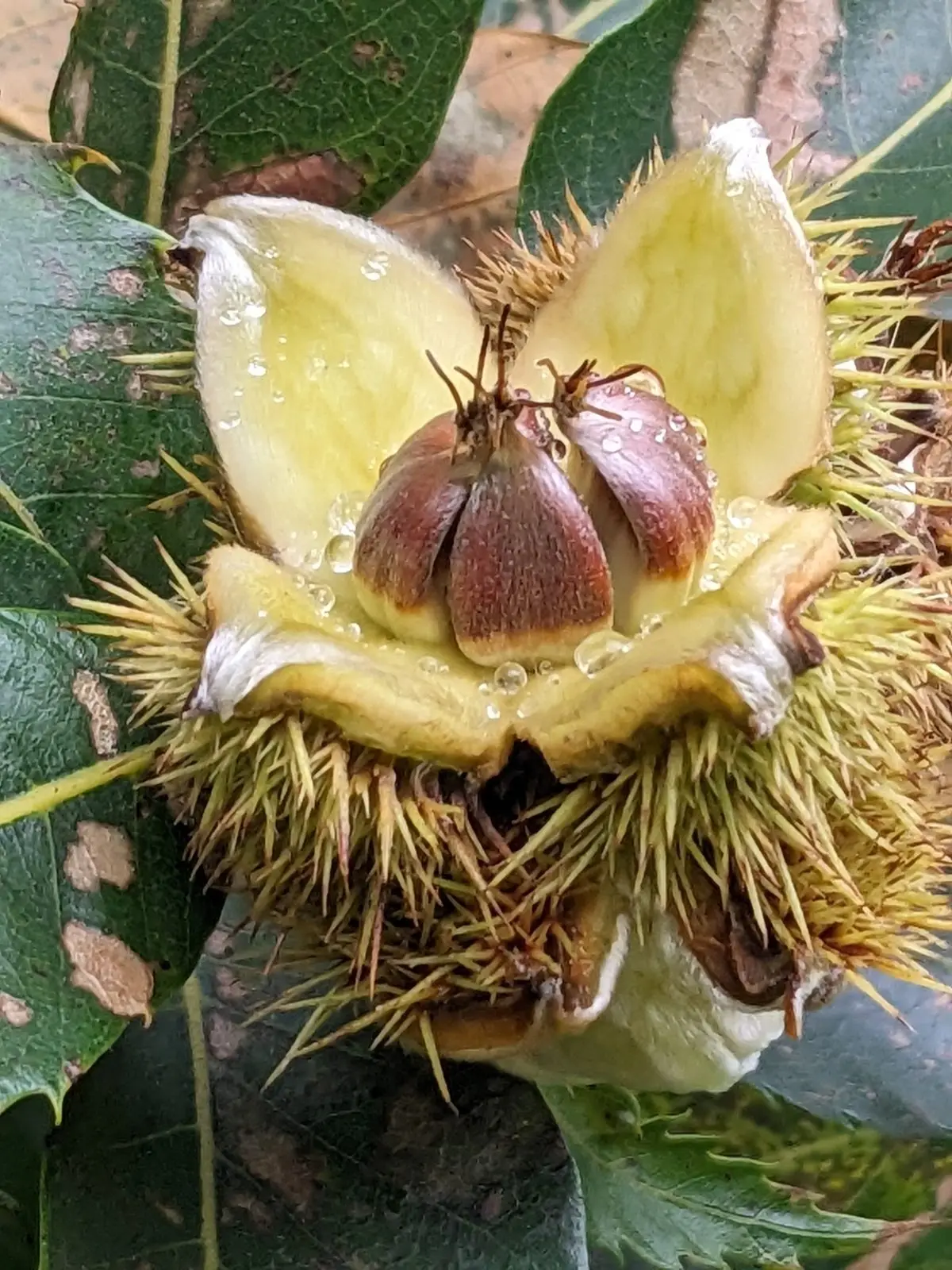
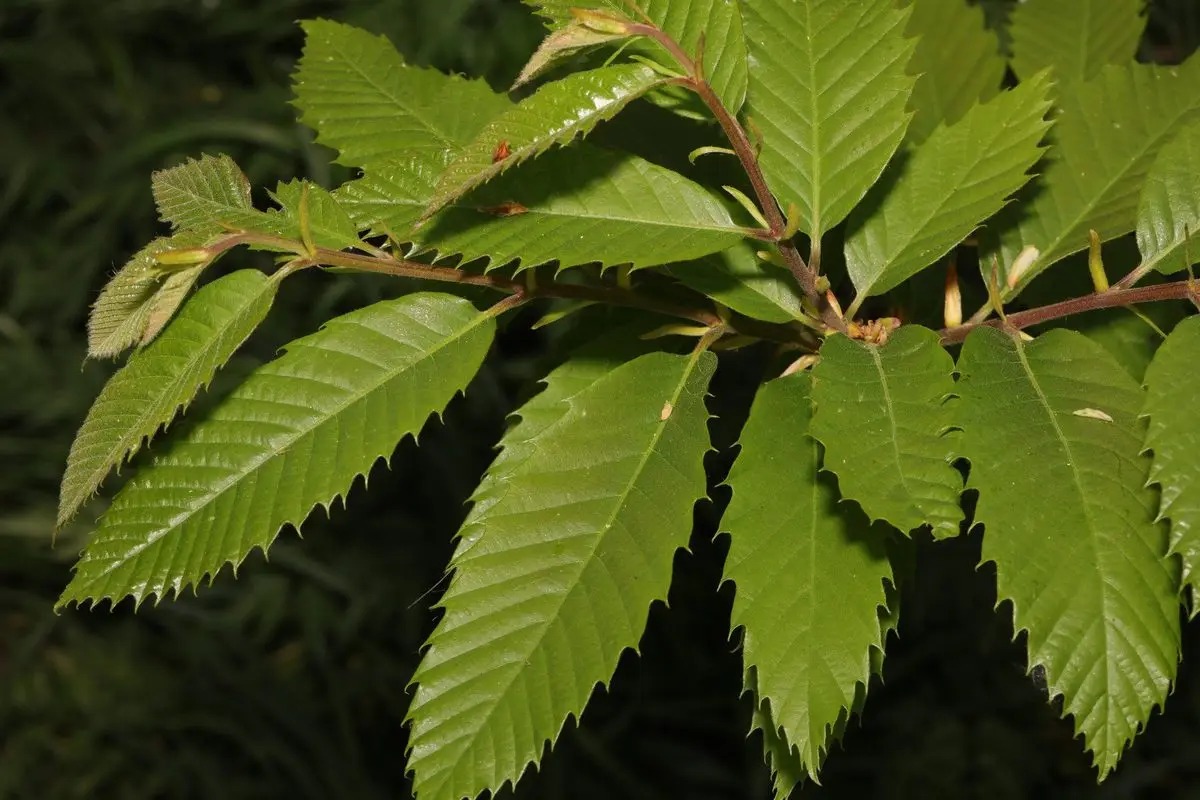
The quickest check is the blades on one stalk. Horse chestnut: five to seven leaflets joined at the end of the stalk. Sweet chestnut: one long blade, 16 to 25 cm, spine-toothed. No leaves on the tree? Check the fallen husk.
| Look at | Horse chestnut | Sweet chestnut |
|---|---|---|
| Blades on one stalk | Five to seven leaflets joined at the end of the stalk | One long blade, 16 to 25 cm, spine-toothed |
| Fallen husk | Thick spines well spaced, usually one conker | Packed with fine spines, usually three nuts |
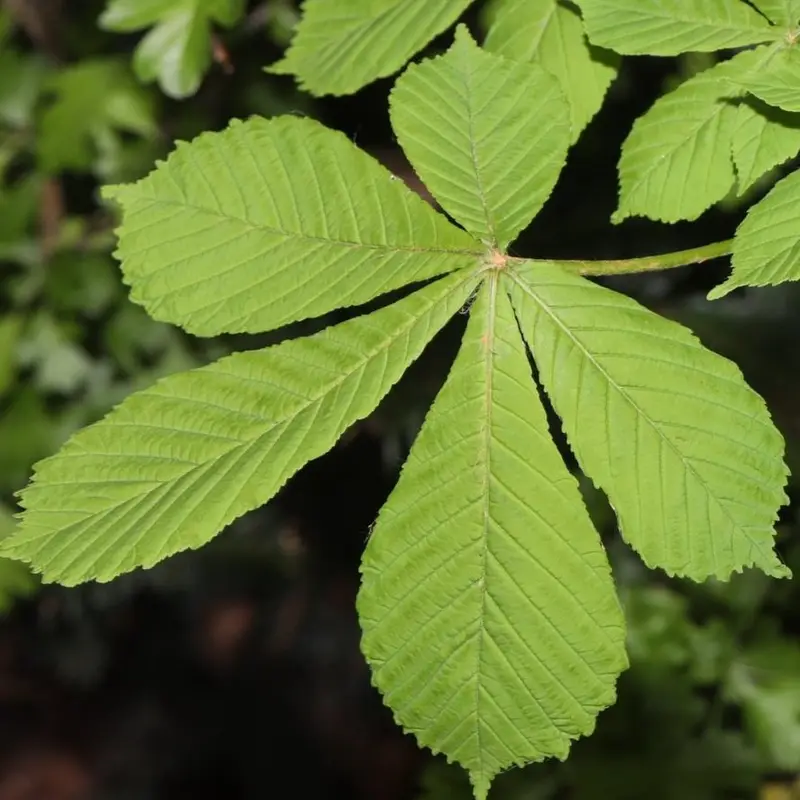
Horse chestnut grows into a massive dome. Its big leaves have five to seven leaflets joined straight to the end of one long stalk. White flower candles cover it in May.
How to identify horse chestnut →Sweet chestnut is a big tree with long, glossy leaves. Each leaf is edged with coarse, spiky teeth. On an old trunk the bark ridges twist round, usually clockwise.
How to identify sweet chestnut →Free to download.
Every fact on this page is checked against the Collins Tree Guide, last in November 2026. Spotted something that looks wrong in front of a real tree? Tell us. How we check.
Photographs: Florin Feneru (CC BY 4.0), david_and_moira_sinden (CC0), steve_mcwilliam (CC0), ikelman (CC BY 4.0), Owen and Carol Fawcett. (CC BY 4.0). With thanks to everyone who shares their photographs on iNaturalist and Wikimedia Commons.