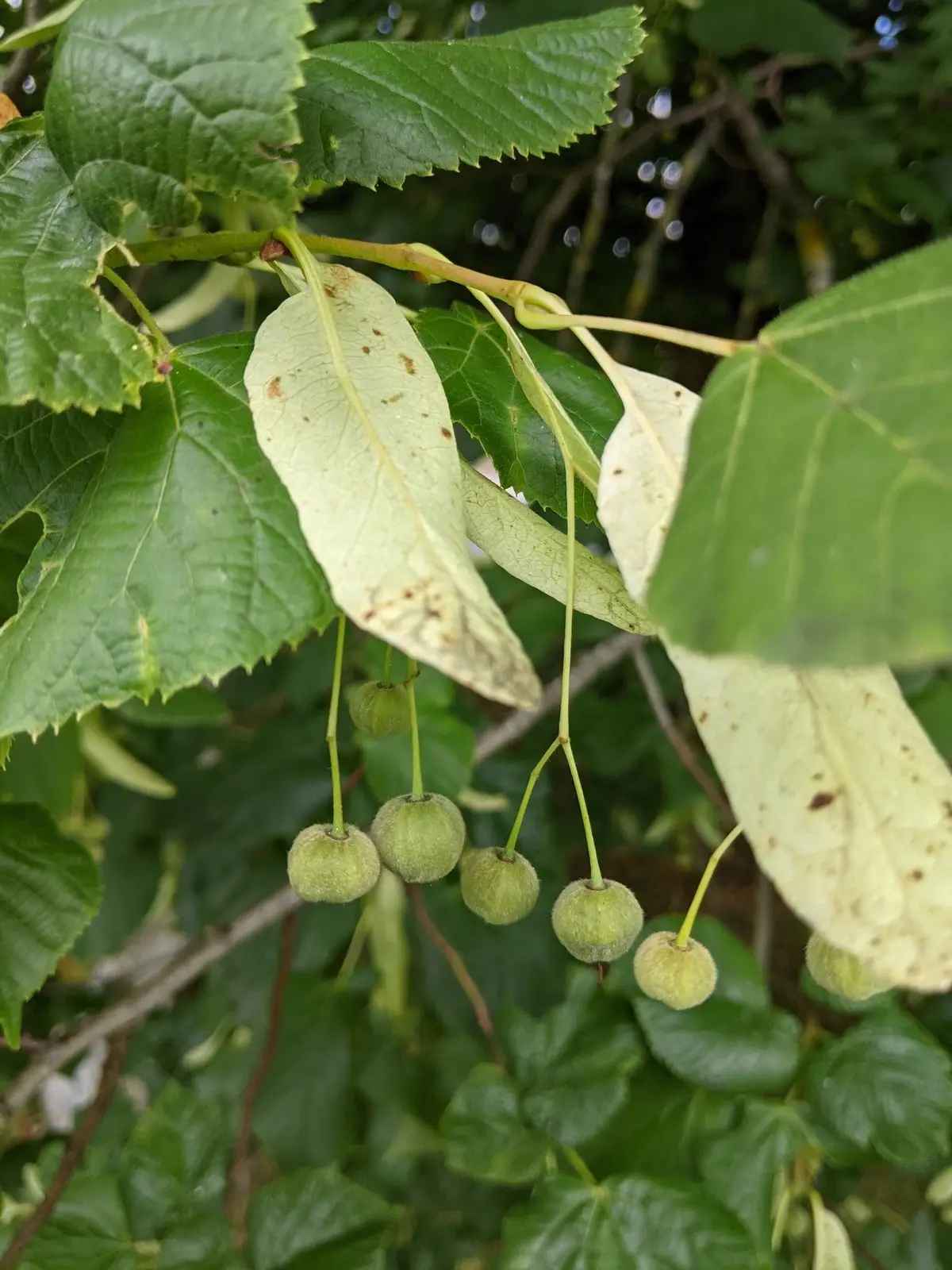
Hard, woody nuts about 1 cm long, white and fuzzy, usually with five raised ribs. They hang in bunches from a leafy strap.
Tilia platyphyllos · Malvaceae
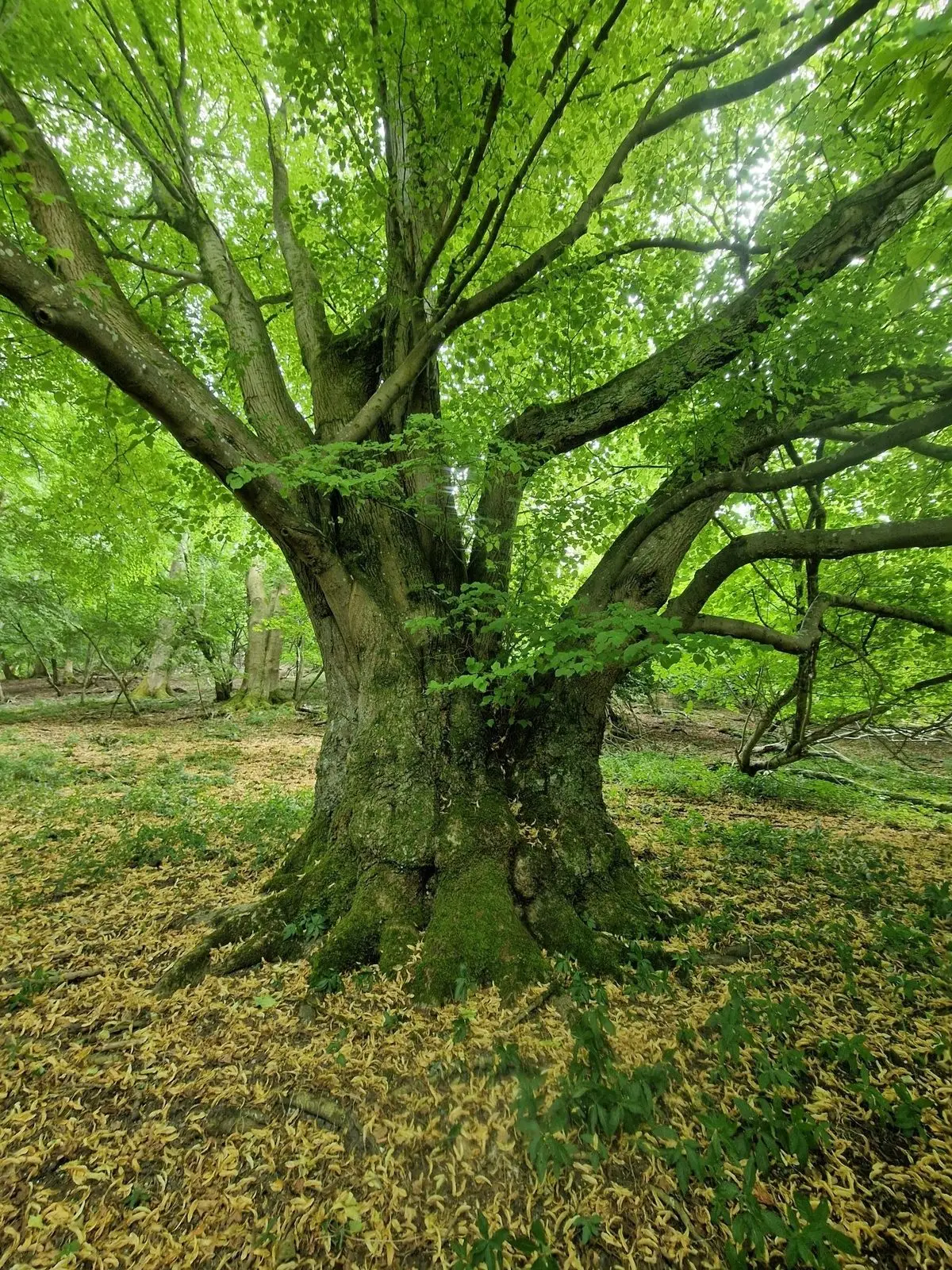
Large-leaved lime is a tall, domed tree with heart-shaped leaves that are fuzzy all over underneath. Its hard, woody nuts usually have five raised ribs.
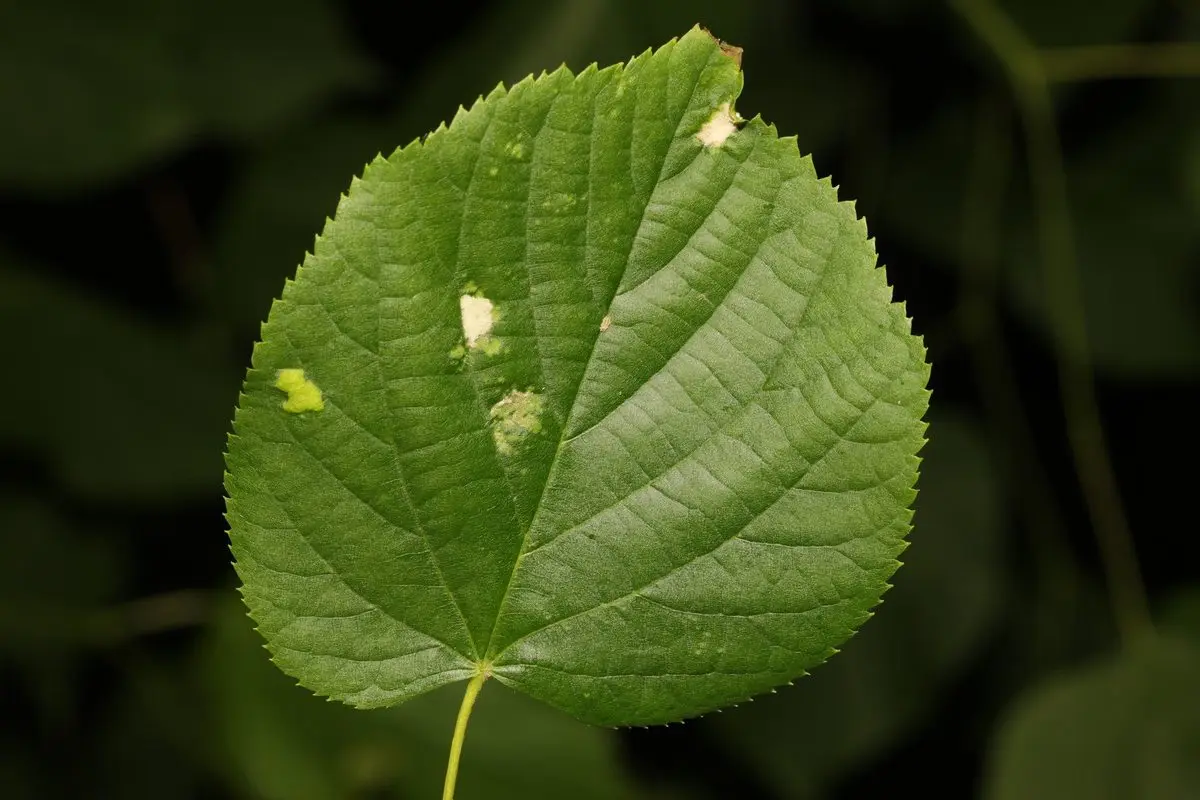
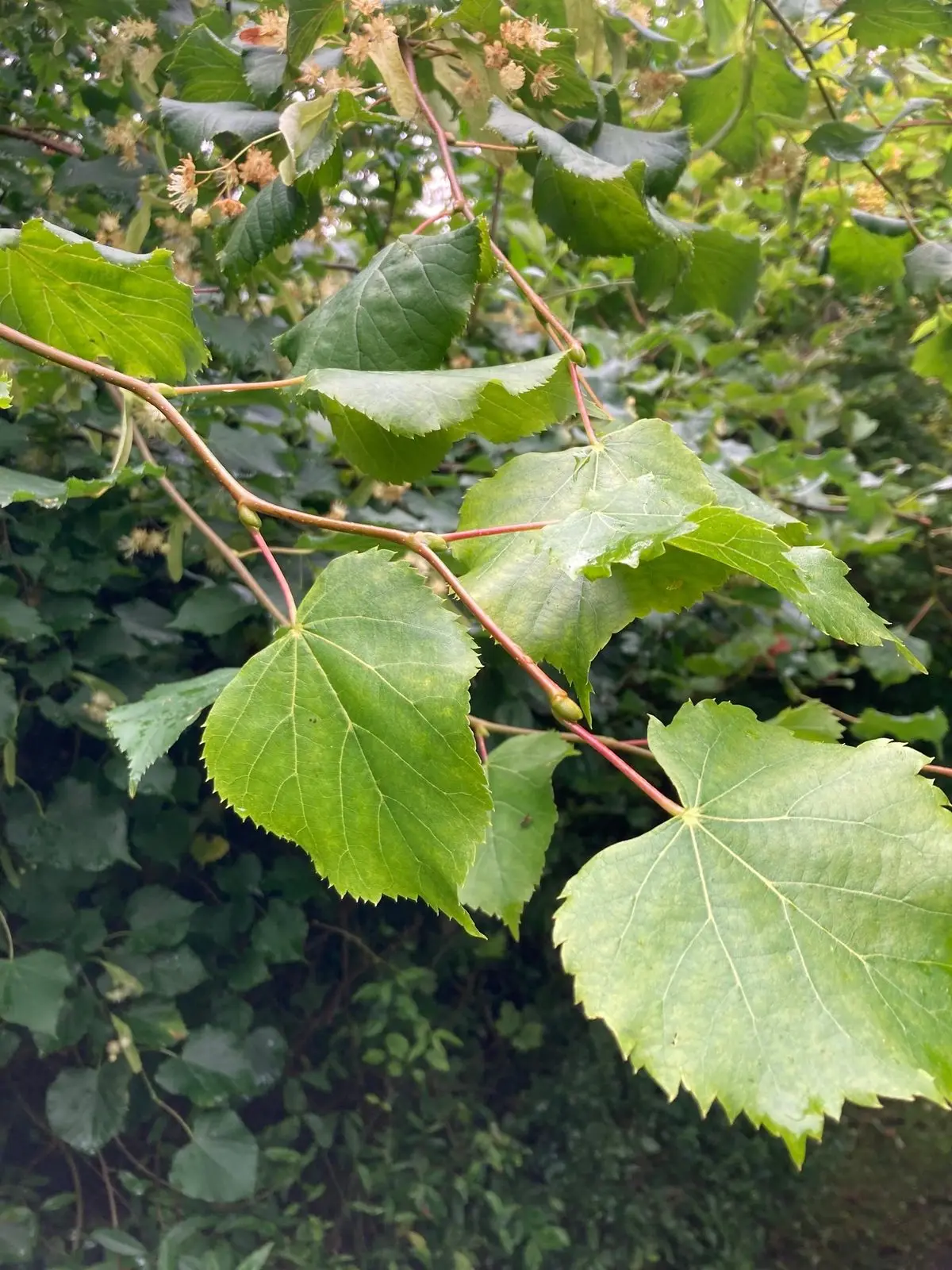
Ribbed nutsHard, white and fuzzy, about 1 cm, hanging from a leafy strap.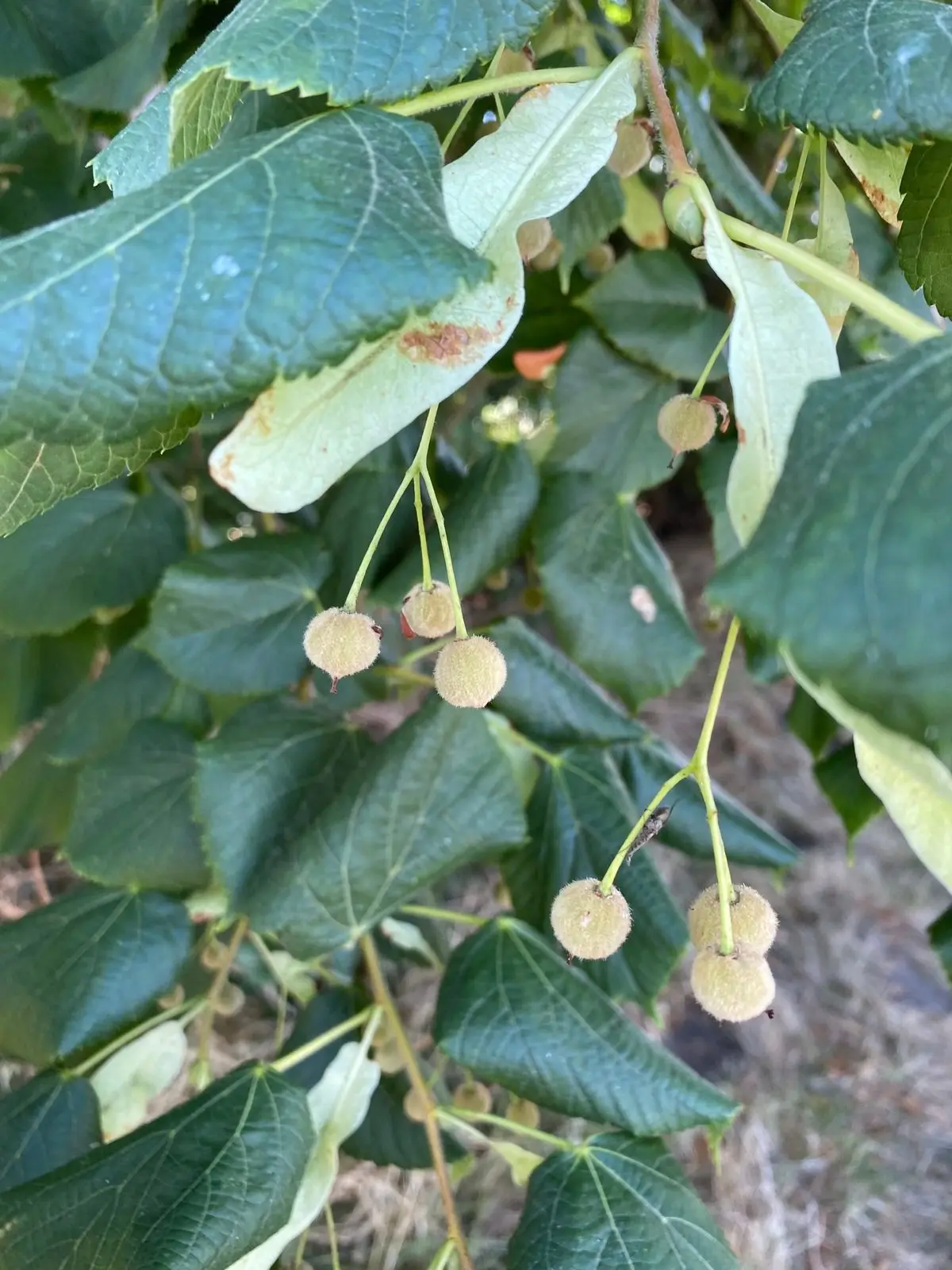 LeavesHeart-shaped, lopsided, 6 to 12 cm, brown tufts where veins meet.Three-scaled buds4 to 6 mm long, three scales showing, with a few fine hairs.
Then check · FlowersClusters of three to six yellowish white flowers in June, hanging below the leaves from a pale, leafy strap.
Hard, woody nuts about 1 cm long, white and fuzzy, usually with five raised ribs. They hang in bunches from a leafy strap.
Heart-shaped and lopsided at the base, 6 to 12 cm long, fuzzy all over underneath, with brown tufts where the veins meet.
Fat buds, grey or dull red, 4 to 6 mm long, with three scales showing and a few fine hairs on them.
 Learn the large-leaved lime in TreelyEvery part through the year, and a short round each day until you know it.Get Treely
rmjb, CC BY 4.0
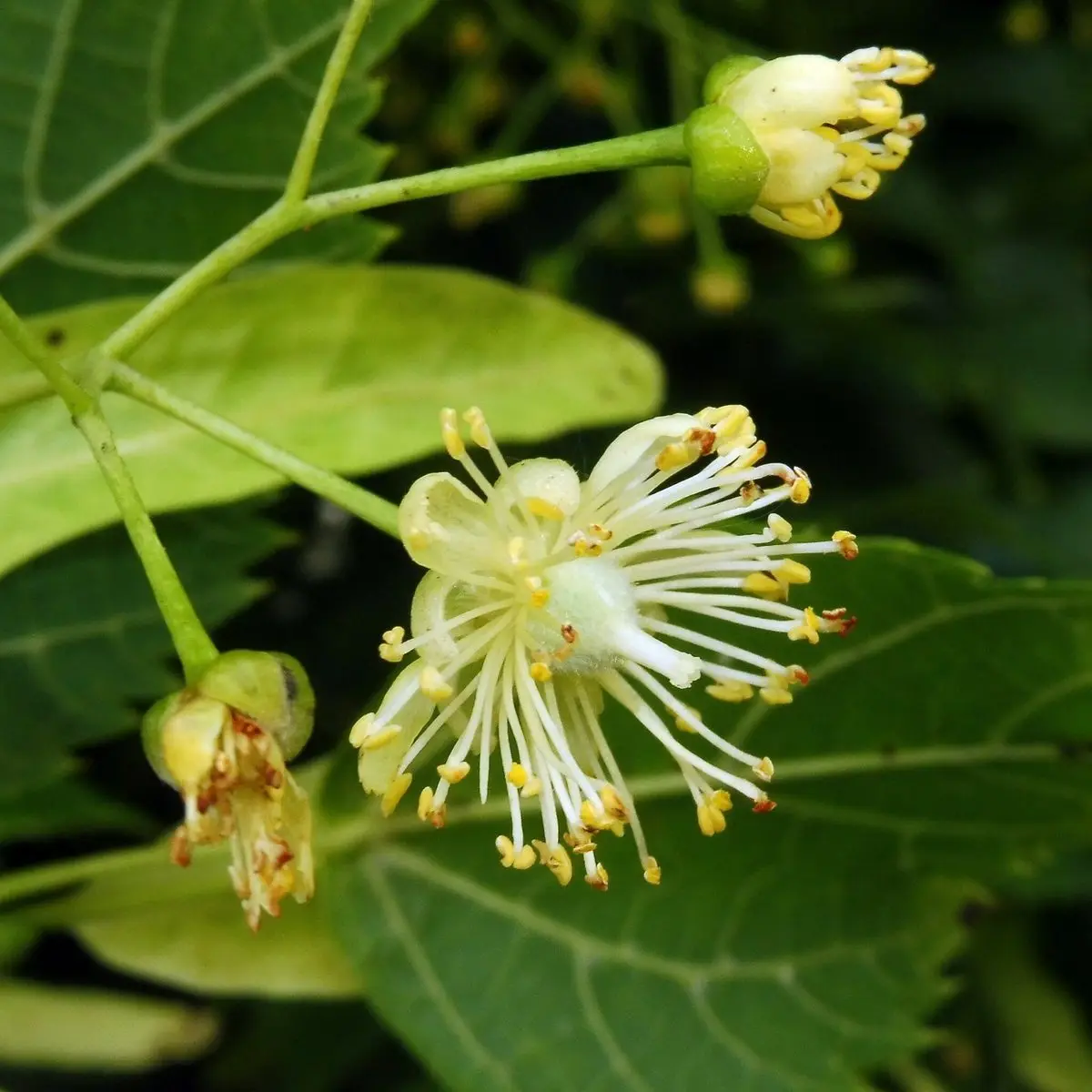 Barry Walter, CC BY 4.0
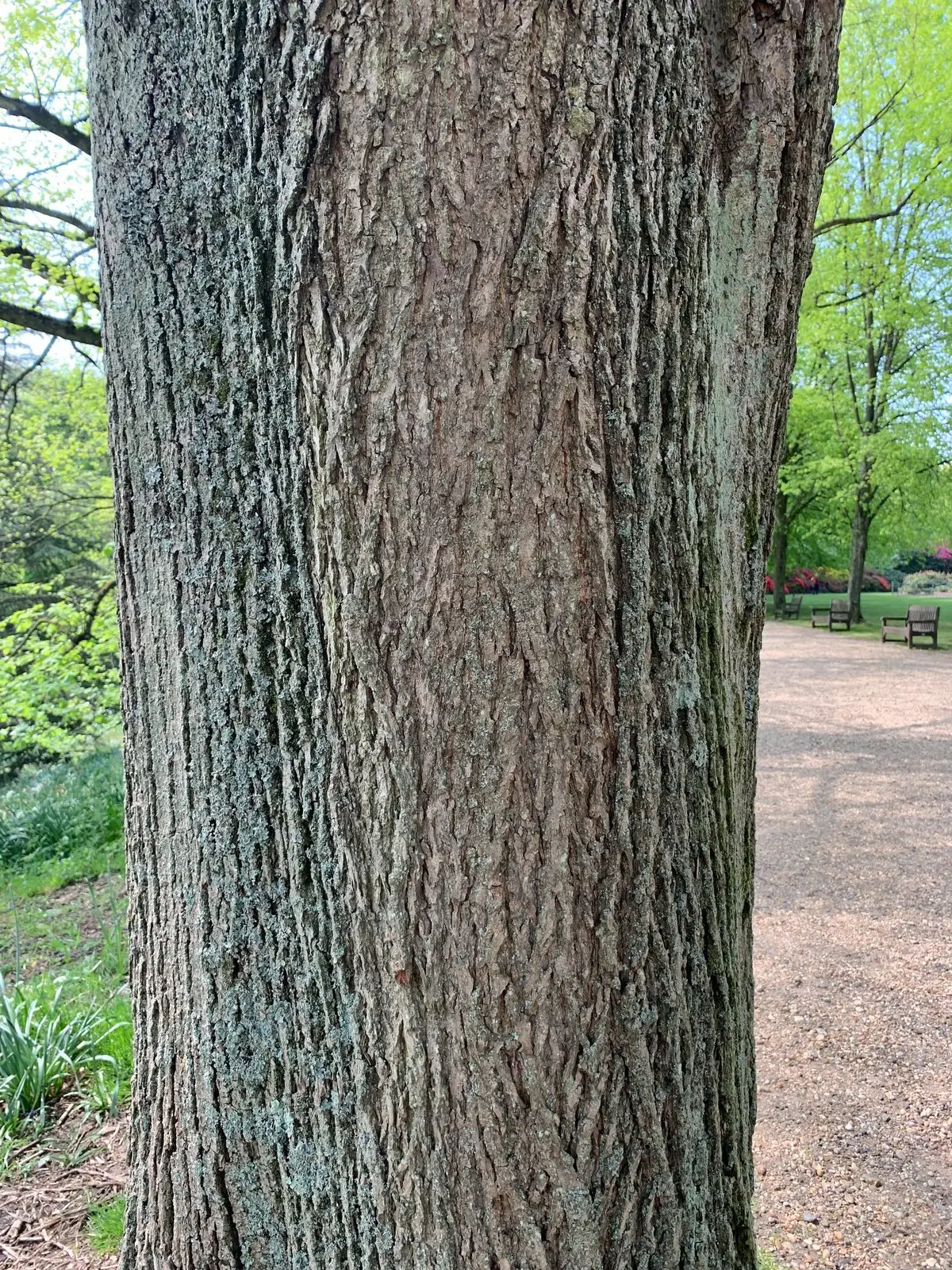
In leaf: April to November · Flowers: June to July · Ribbed nuts: July to February
Mostly planted, in parks, gardens, woods and plantations, and along roads. Wild ones are rare. They grow in woods on chalky or limy soils, on cliffs and in rocky gorges, in the Pennines, the Wye Valley, the Cotswolds and the south-east downs.
Free to download.
Every fact on this page is checked against the Collins Tree Guide, last in November 2026. Spotted something that looks wrong in front of a real tree? Tell us. How we check.
Photographs: sim_elliott (CC0), pilmar (CC0), rmjb (CC BY 4.0), Barry Walter (CC BY 4.0), peter_reynolds (CC0). With thanks to everyone who shares their photographs on iNaturalist and Wikimedia Commons.