Lawson cypress
Introduced, naturalised · Up to 42 m

Lawson cypress

Chamaecyparis lawsoniana · Cupressaceae

Also called Port Orford cedar

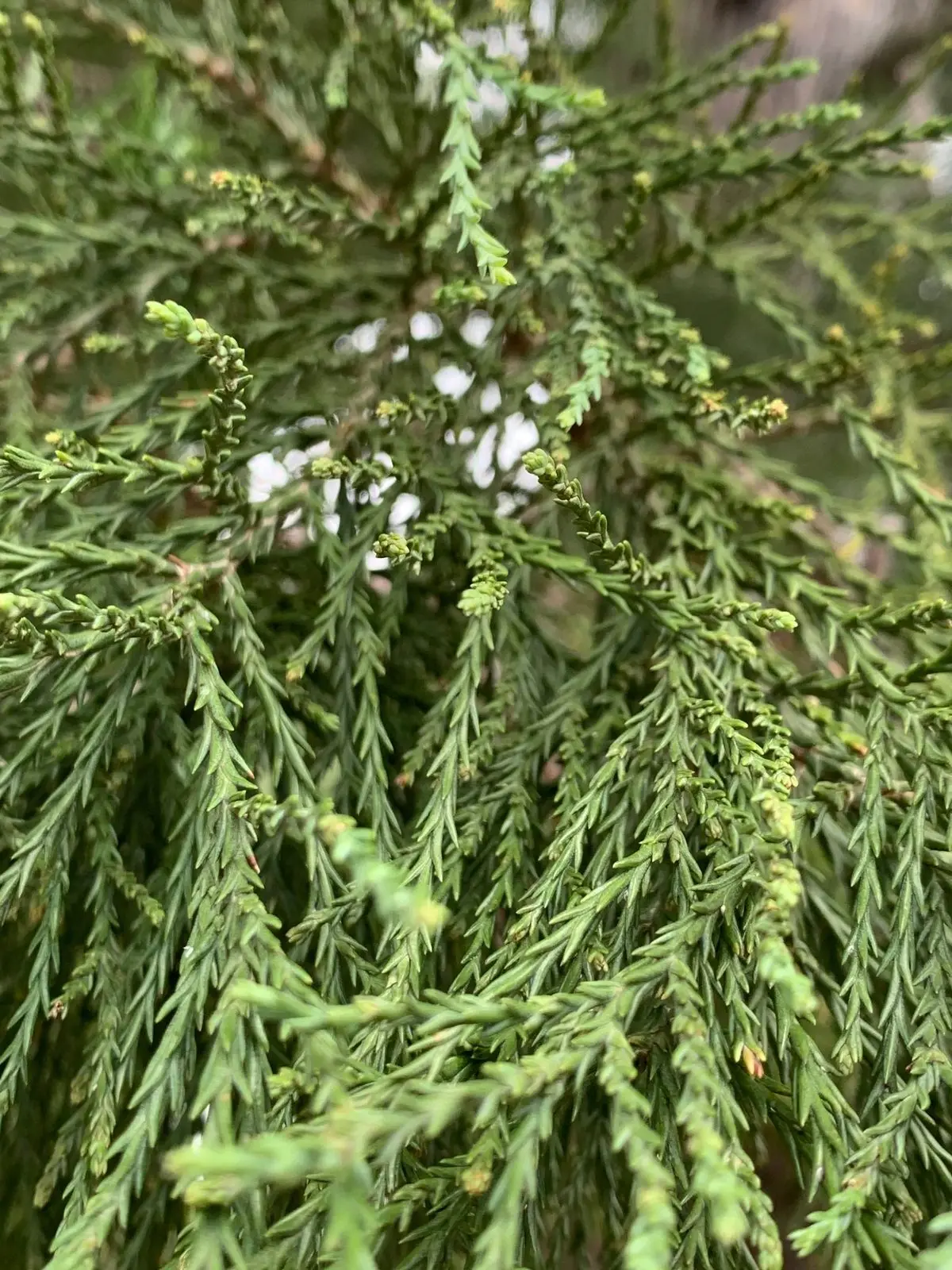
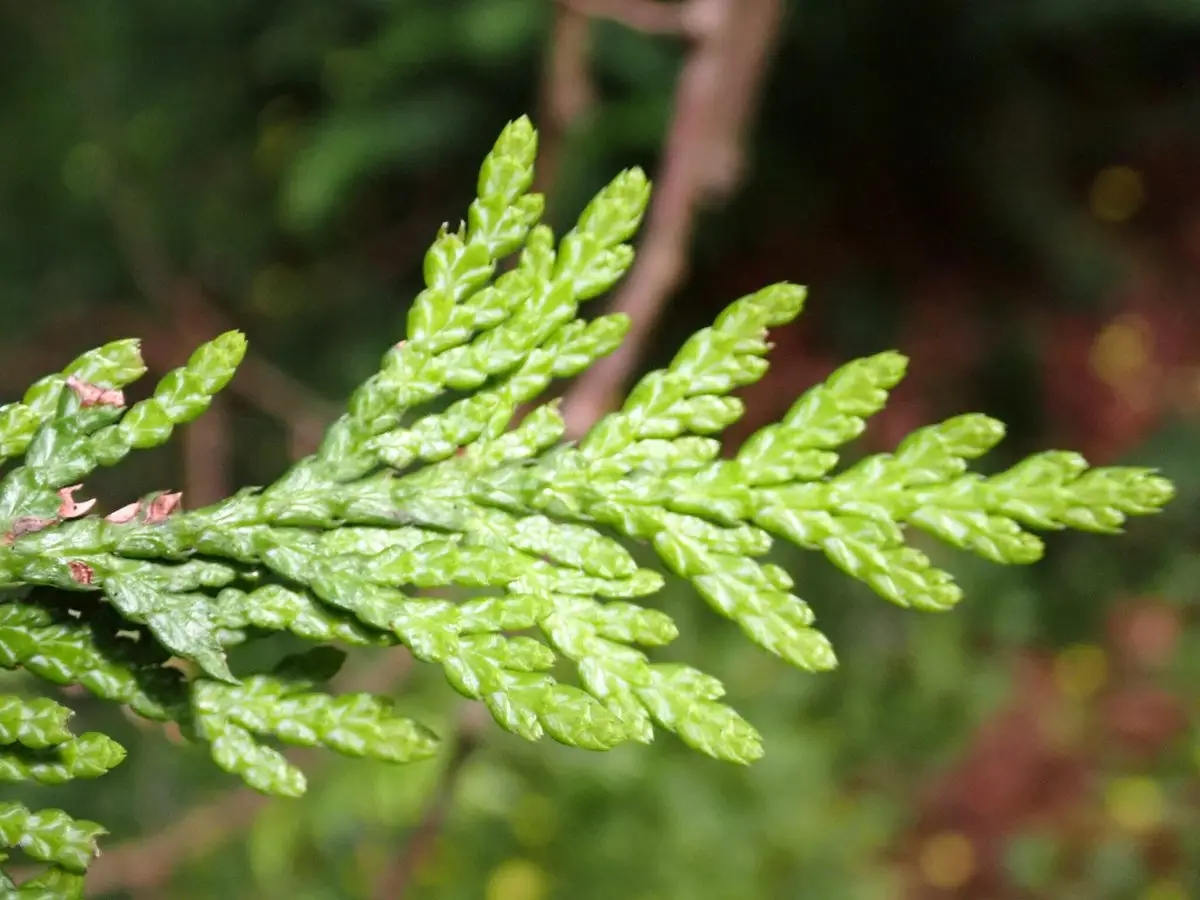
Lawson cypress is a narrow evergreen planted in parks, gardens and churchyards. Its flat, fern-like sprays of tiny scales smell sour, like parsley, when rubbed. Its top shoot droops over.

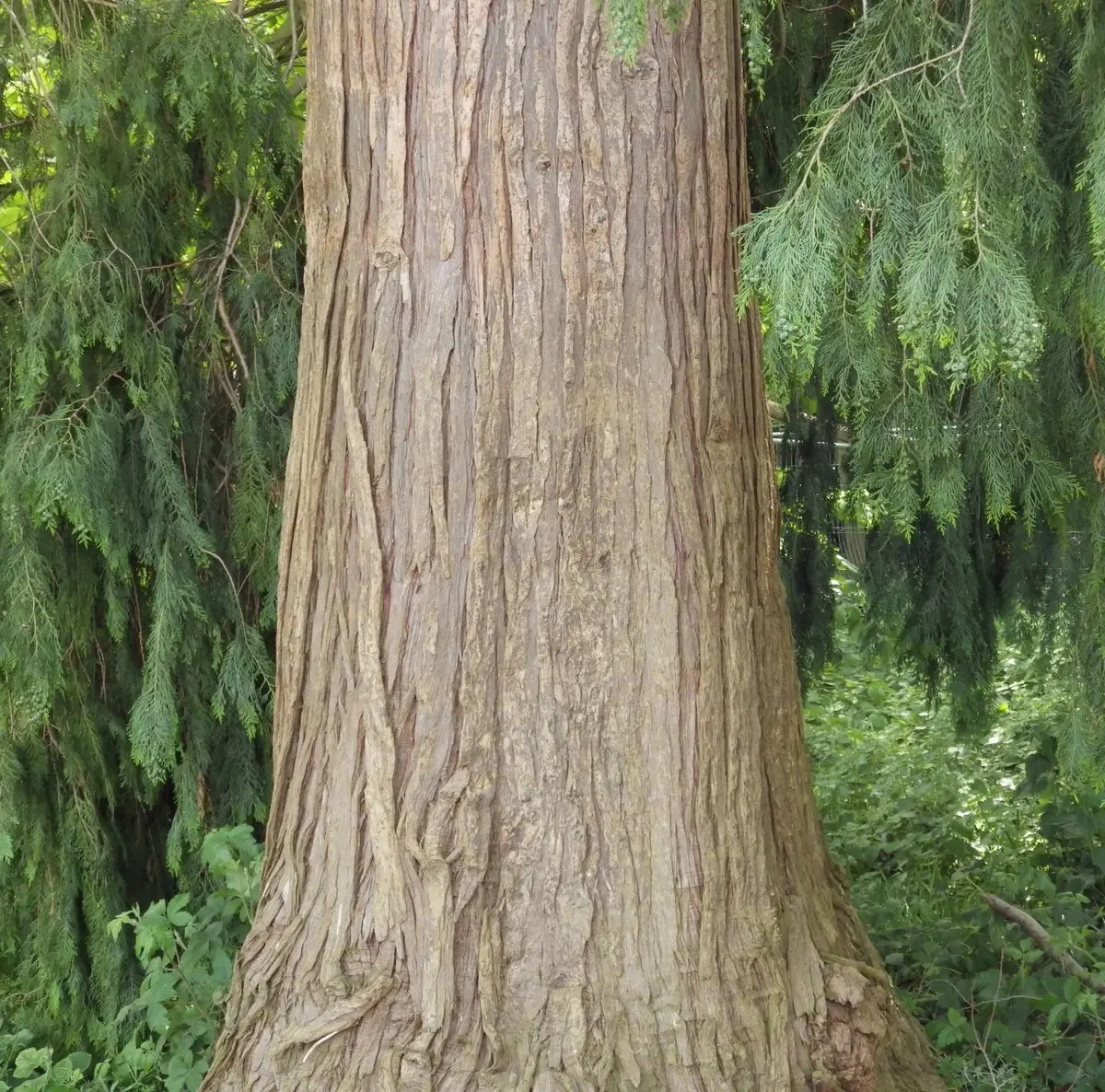
Know it byScalesWhite marks underneath, a sour parsley smell when rubbed.ShapeA narrow cone clothed to the ground, the trunk often forked.BarkReddish purple, cracking into long greyish plates on old trunks.

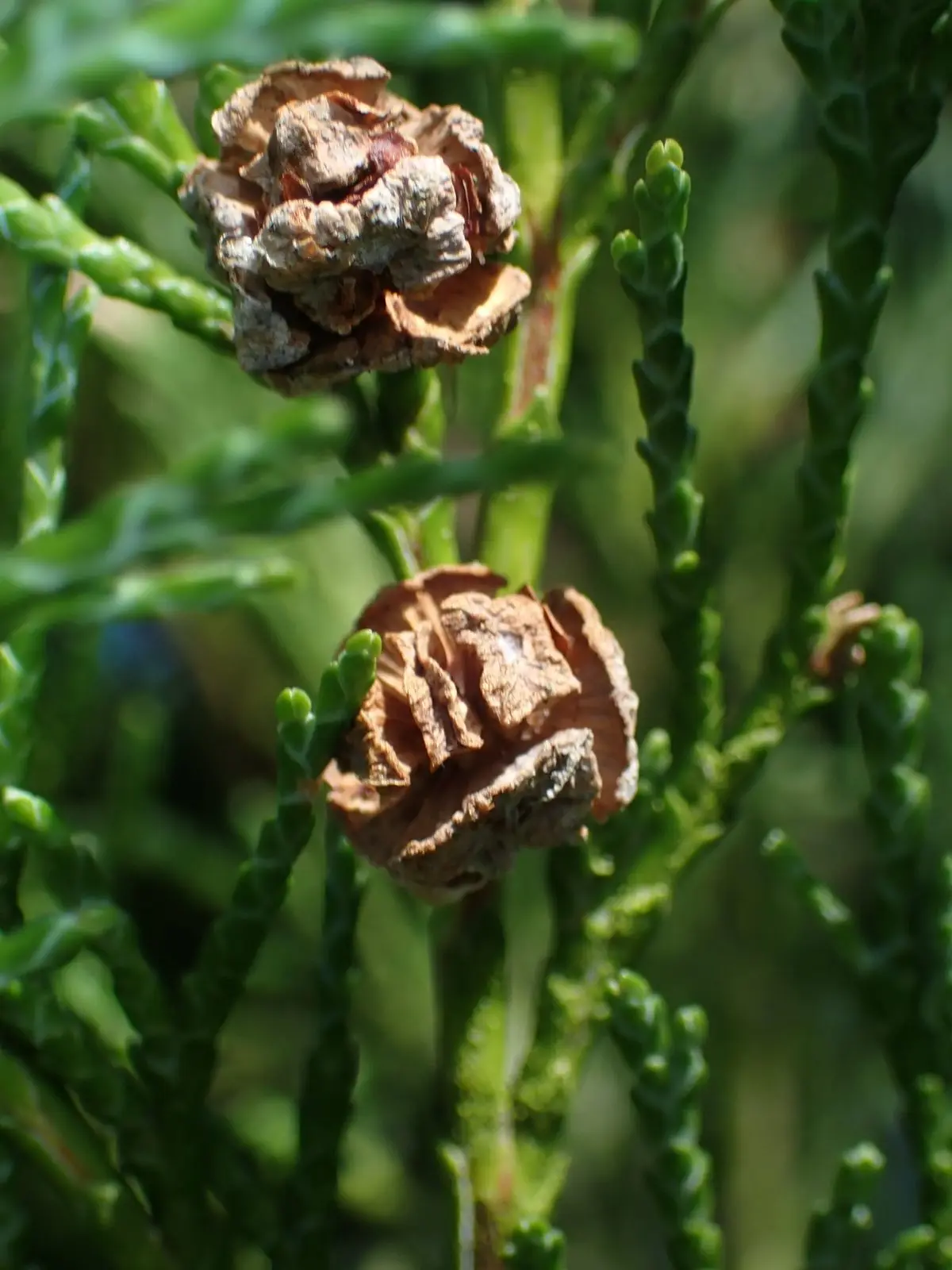
Then check · ConesRound and pea-sized, rarely over 1 cm, made of four pairs of scales, each dimpled in the centre.

How to identify a lawson cypress

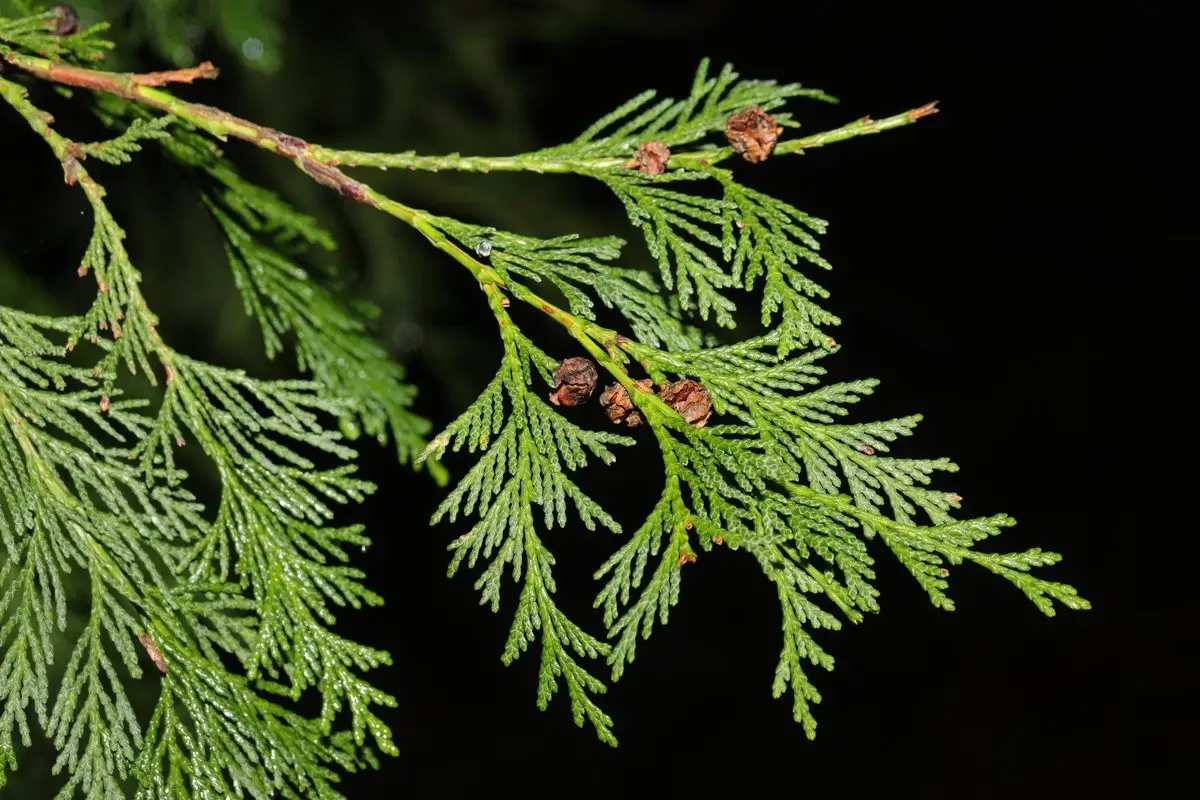
Lawson cypress: scales
Scales

Tiny and pressed flat in lacy, fern-like sprays, with narrow white markings underneath and a sour parsley smell when rubbed.
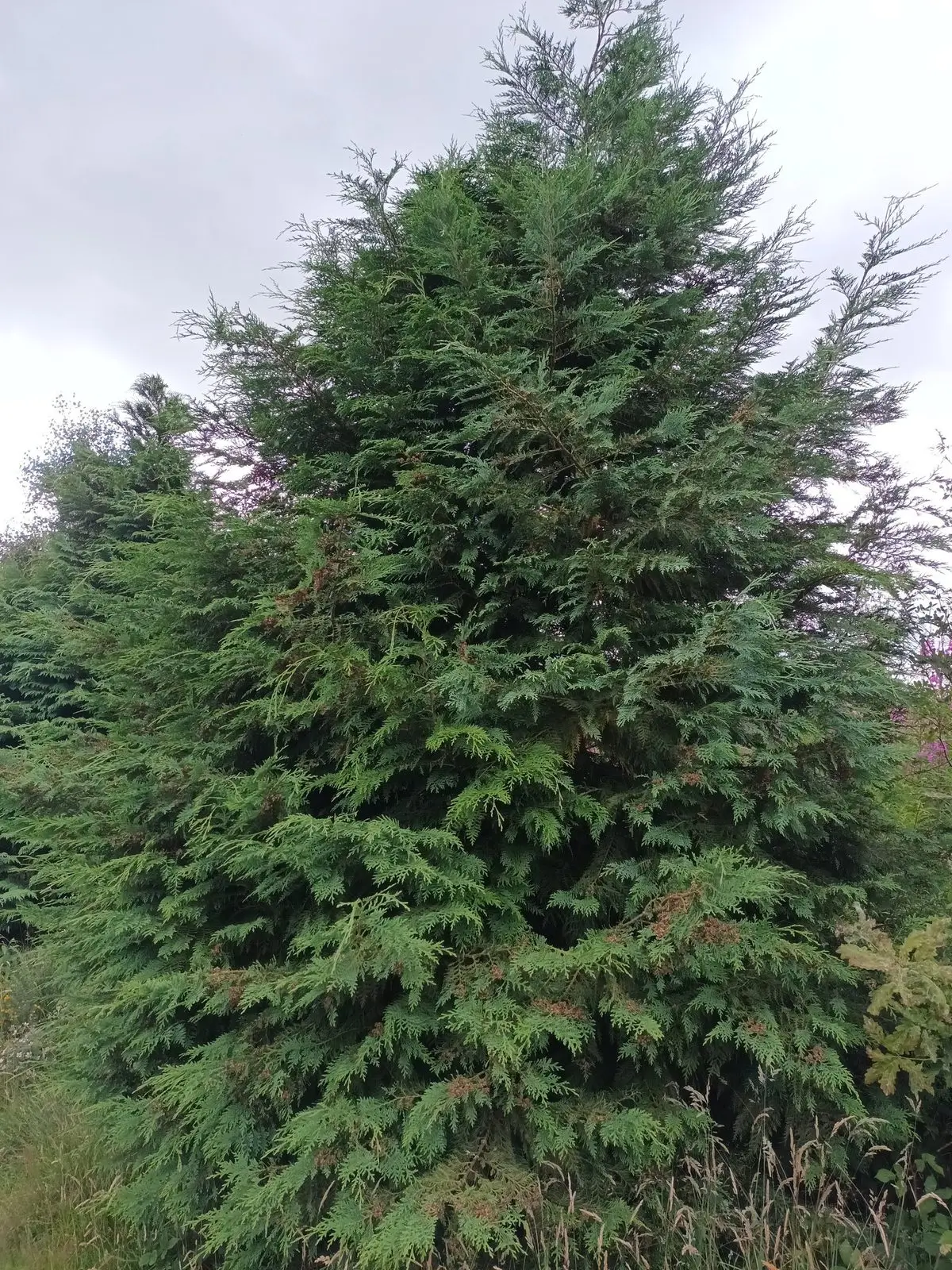
Lawson cypress: shape
Shape

A narrow cone clothed to the ground, with a top shoot that droops over and a trunk that often forks.

Bark

Reddish purple and soft enough to give under a thumb, cracking into long, greyish upright plates on older trunks.

Learn the lawson cypress in TreelyEvery part through the year, and a short round each day until you know it.Get Treely
Every part, in photographs

Lawson cypress sprays: flat fern-like sprays smelling of parsley
SpraysFlat fern-like sprays smelling of parsley
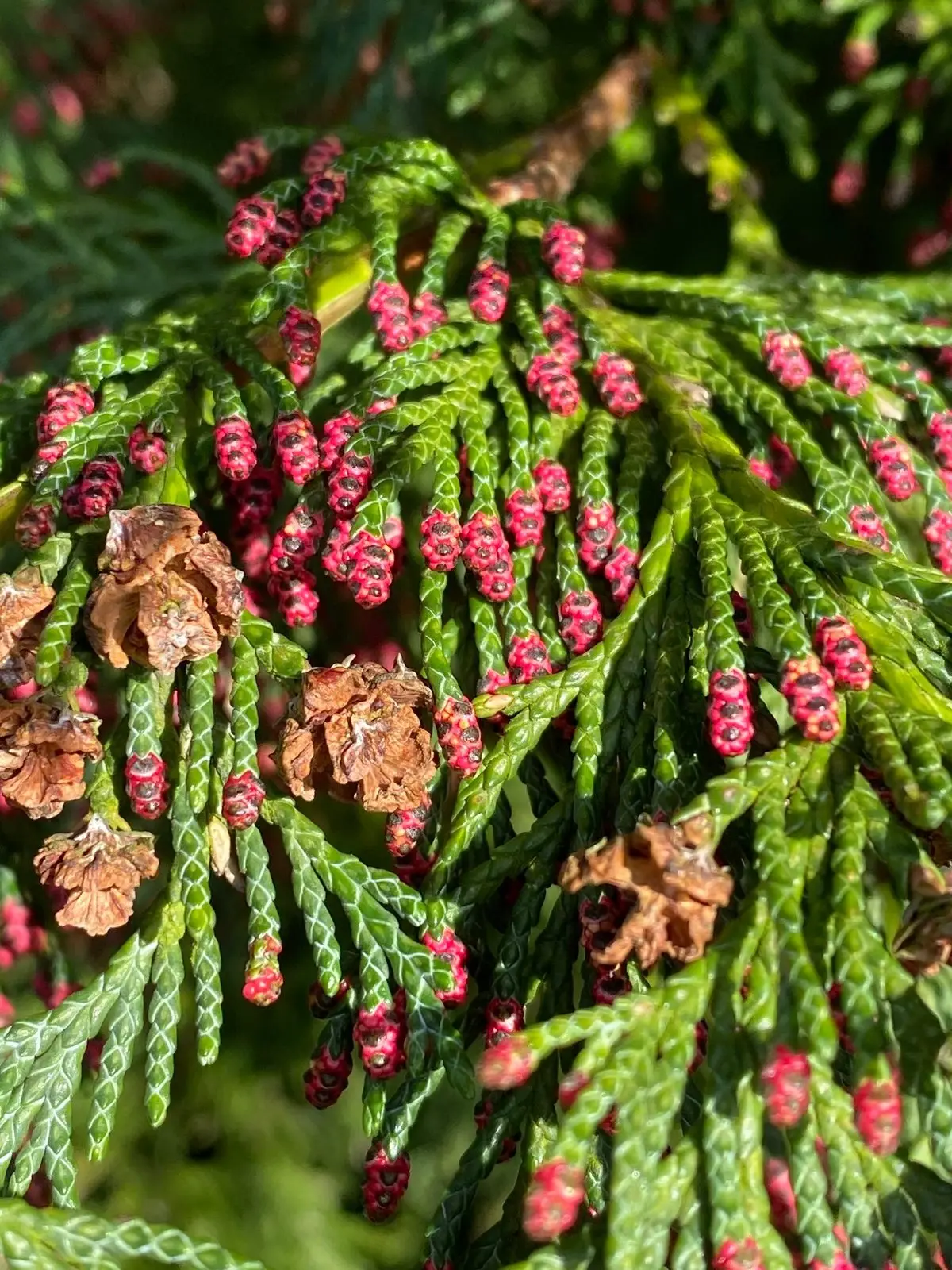
Lawson cypress pollen cones: dark red males at the twig tips
Pollen conesDark red males at the twig tips
Lawson cypress cones: pea-sized round cones, few broad scalesJarro Nevsbaru, CC BY 4.0
ConesPea-sized round cones, few broad scales
Lawson cypress bark: reddish purple, cracking into long upright platesJeff Jones, CC BY 4.0
BarkReddish purple, cracking into long upright plates
Lawson cypress shape: narrow cone with a drooping top shoot
ShapeNarrow cone with a drooping top shoot

When to look

JFMAMJJASOND
In leaf
Flowers
Cones

In leaf: all year · Flowers: December to April · Cones: June to October

Every tree on the calendar

Where you’ll find it

Mostly planted, in parks, gardens, churchyards and hedges. It grows best on moist ground that is not waterlogged. It also seeds itself, and young trees come up on sandy banks, walls and woodland edges across lowland Britain.

What it’s mistaken for

  • Leyland cypressBoth are evergreens with sprays of scale leaves, planted by the thousand as screens and hedges. Leaf. Lawson cypress: narrow white markings along the joints. Leyland cypress: no white markings at all.
  • Western red cedarBoth hang flat sprays of tiny scale leaves that smell strongly when crushed. Leaf. Lawson cypress: sour and green, like parsley. Western red cedar: sweet, like pineapple.
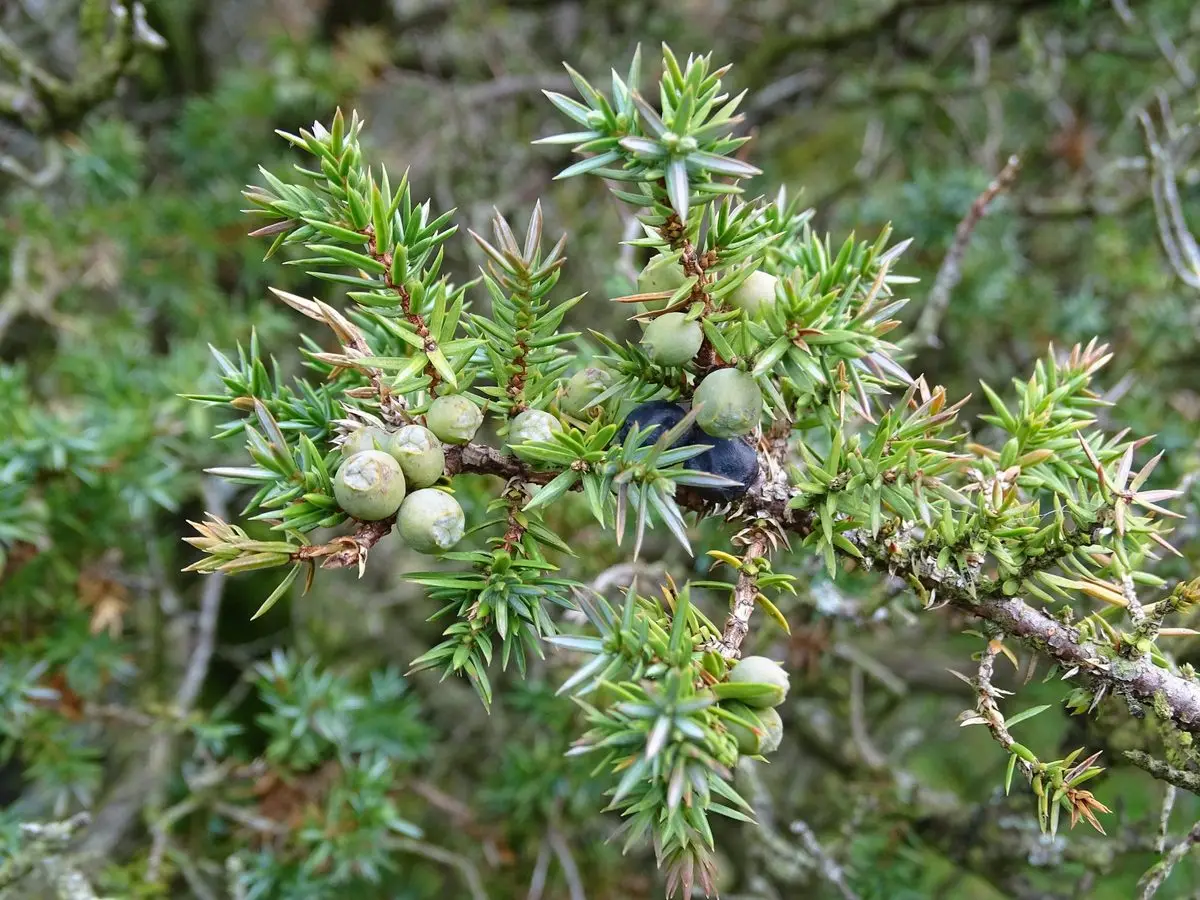
  • JuniperBoth are evergreens of the cypress family, with foliage that smells when you crush it. Leaf. Lawson cypress: tiny scales pressed flat in fern-like sprays. Juniper: sharp needles in threes, standing straight out.
  • Giant redwoodBoth are cypress-family evergreens planted in parks and churchyards. Leaf. Lawson cypress: pressed flat in lacy, fern-like sprays. Giant redwood: hard scales set all round a cord-like shoot.
In the app

There’s more of the lawson cypress in Treely

  • Every part, through the yearLeaves, bark, buds, flowers and fruit, photographed in every season
  • Its lookalikes, side by sideThe checks that settle it, part by part
  • A short round each dayUntil you know the lawson cypress on sight, from any side
  • Name it from a photoA leaf, the bark or a flower, and Treely tells you which tree
App StoreGoogle Play

Free to download.

Every fact on this page is checked against the Collins Tree Guide, last in November 2026. Spotted something that looks wrong in front of a real tree? Tell us. How we check.

Photographs: sturuss (CC0), steve_mcwilliam (CC0), Jeff Jones (CC BY 4.0), jmark (CC0), Jarro Nevsbaru (CC BY 4.0). With thanks to everyone who shares their photographs on iNaturalist and Wikimedia Commons.