Common ash
Fraxinus excelsiorAsh has an open, airy crown on slender, curving limbs. Its leaves usually have 9 to 13 leaflets, and sooty black buds sit in pairs on its grey shoots.
How to identify common ash →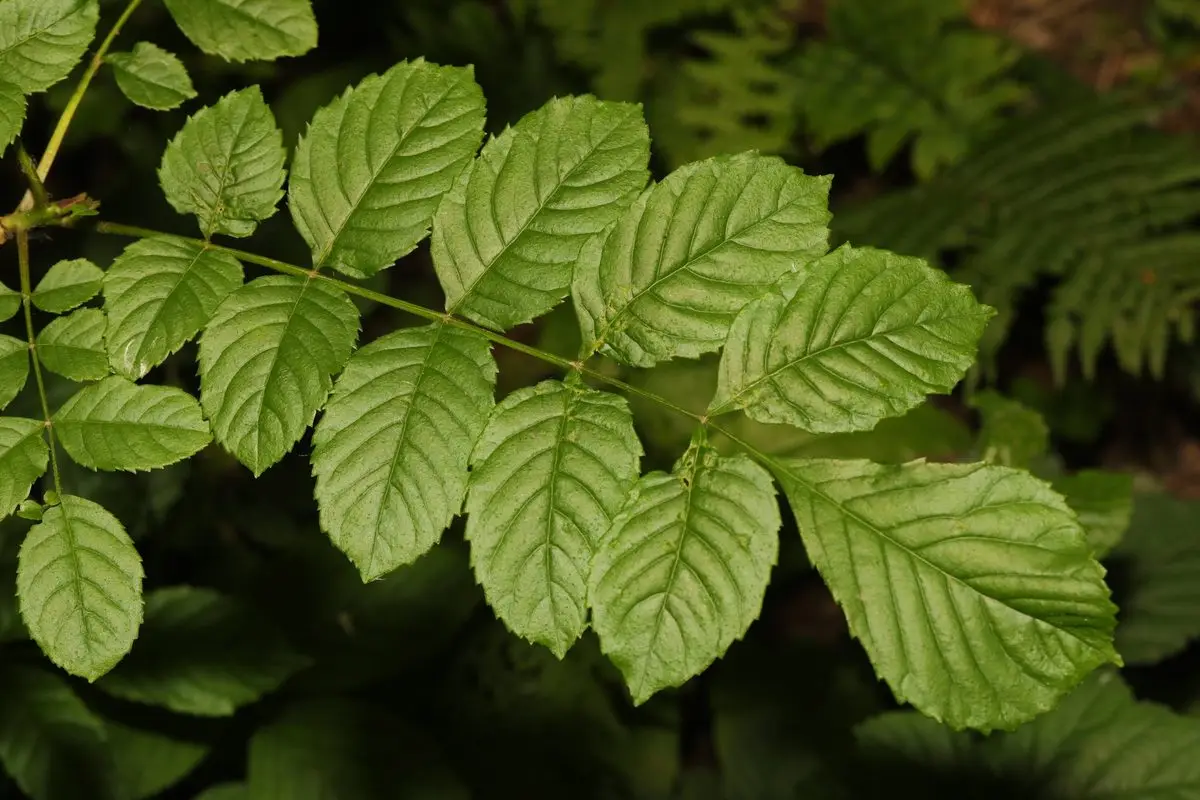
 cigazze, CC BY 4.0
Both are big trees with feathered leaves, planted in streets and parks.
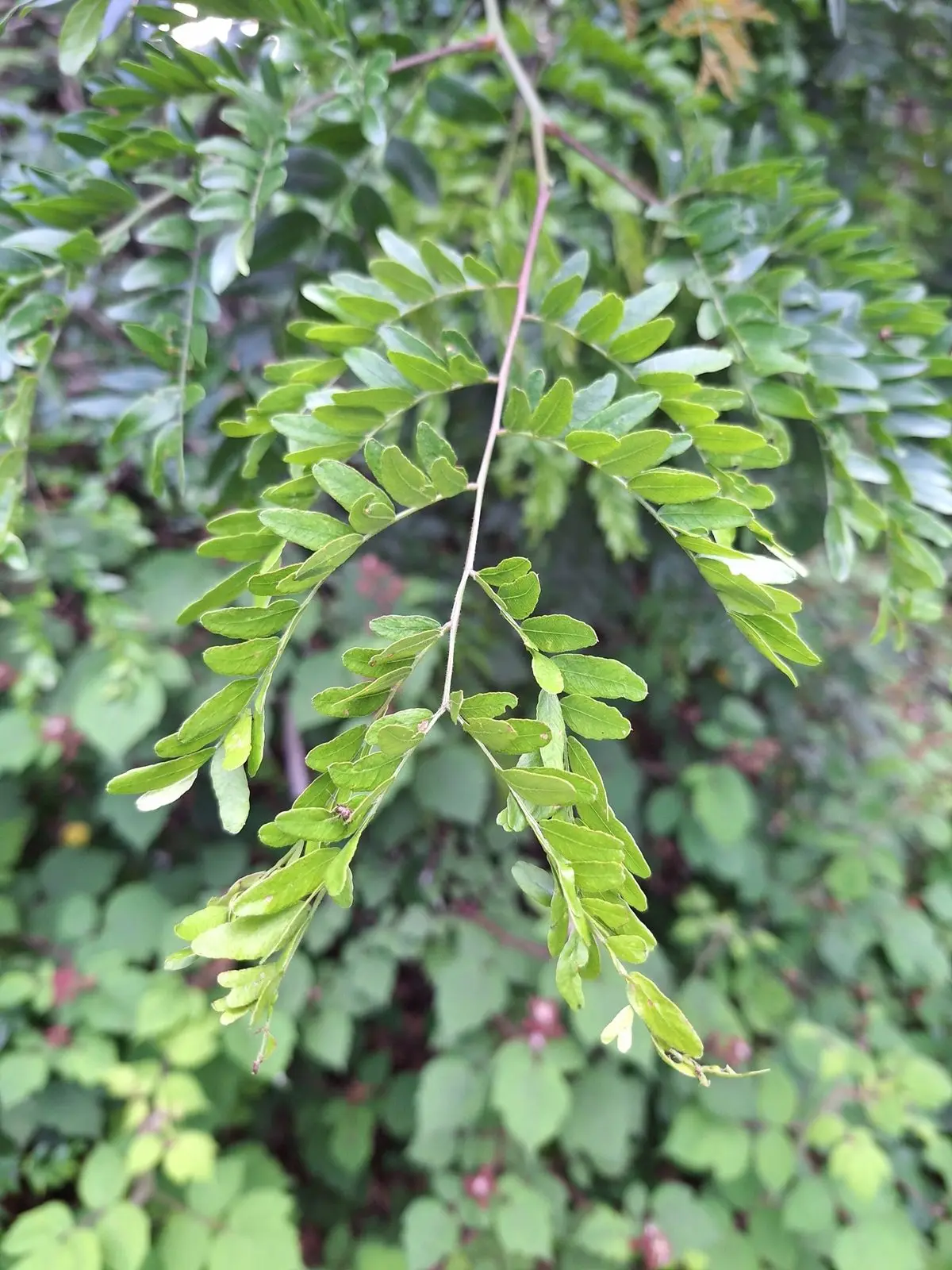
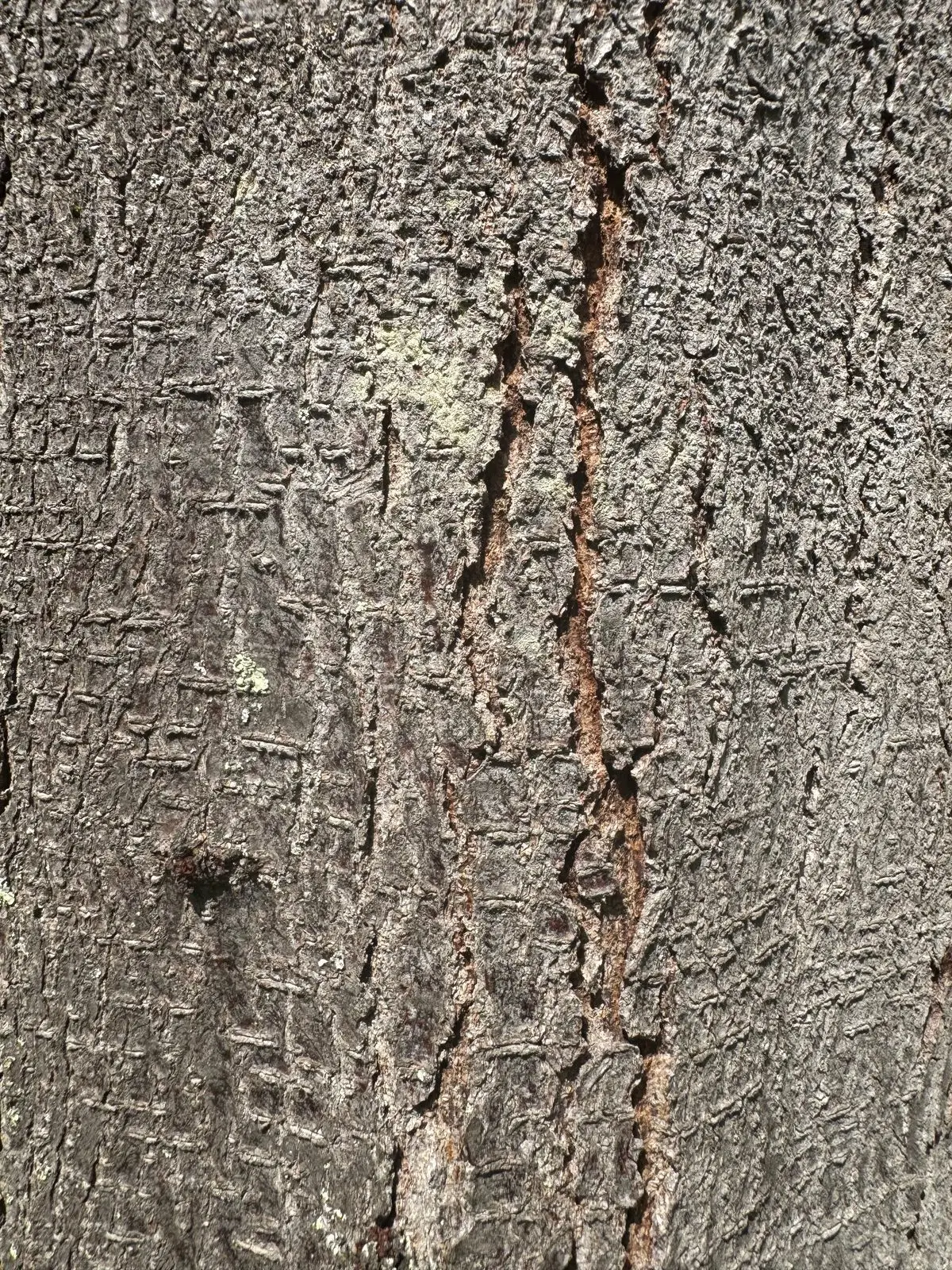
The quickest check is the leaflets. Common ash: usually 9 to 13, toothed, up to 12 cm. Honey locust: many small glossy leaflets, 2 to 3 cm, wavy-edged. No leaves on the tree? Check the older trunk.
| Look at | Common ash | Honey locust |
|---|---|---|
| Leaflets | Usually 9 to 13, toothed, up to 12 cm | Many small glossy leaflets, 2 to 3 cm, wavy-edged |
| Older trunk | Pale grey, shallow ridges in an even net | Purplish grey, in wide raised ridges |
| Winter bud | Sooty black, in opposite pairs | Minute and orange, about 1 mm |
Ash has an open, airy crown on slender, curving limbs. Its leaves usually have 9 to 13 leaflets, and sooty black buds sit in pairs on its grey shoots.
How to identify common ash →Honey locust is a slender, open tree with feathery leaves of many small leaflets, often bright yellow when young. Most planted in Britain are thornless. The ordinary thorny kind, rare in Britain, carries clumps of long spines on its trunk.
How to identify honey locust →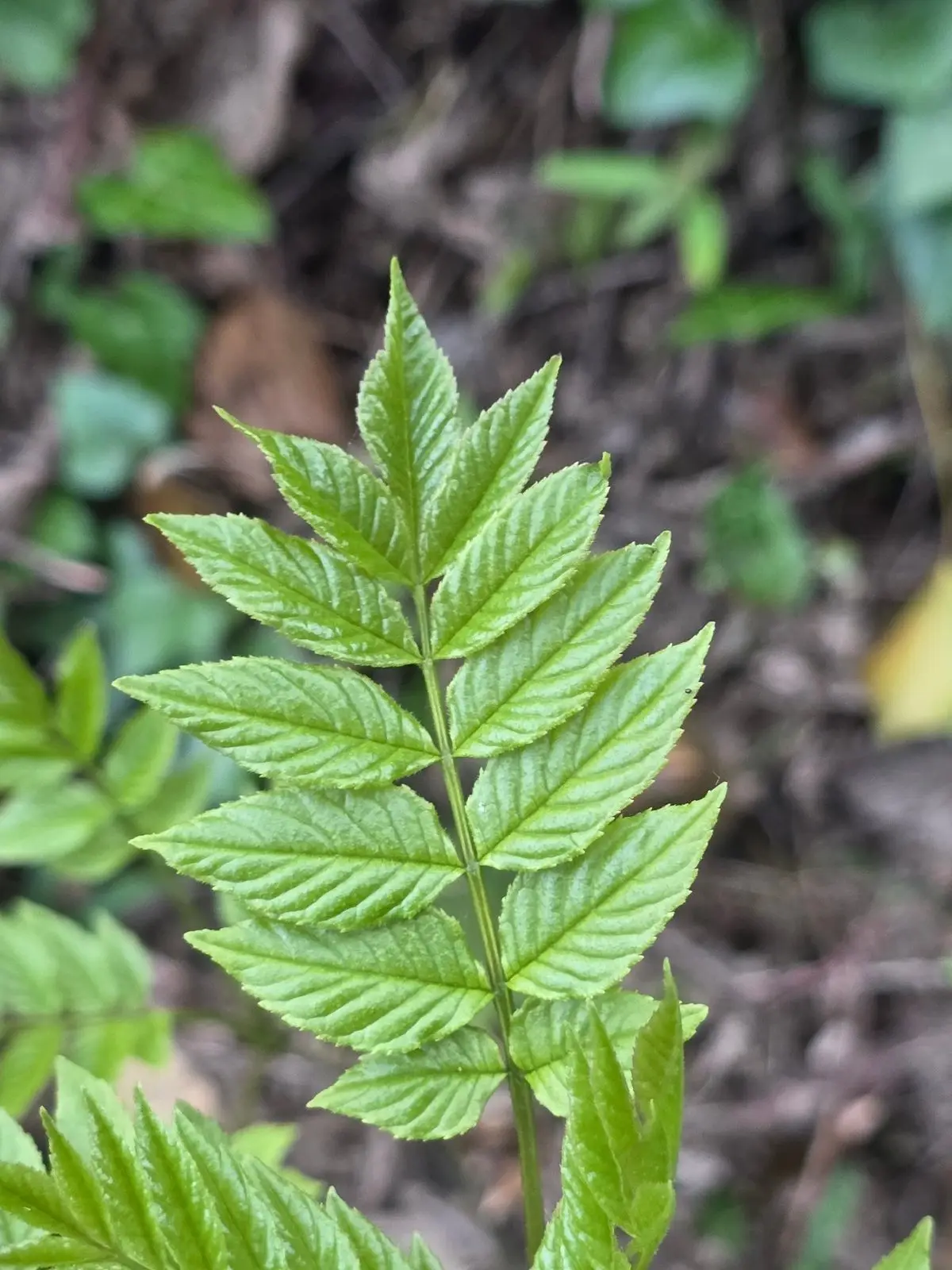
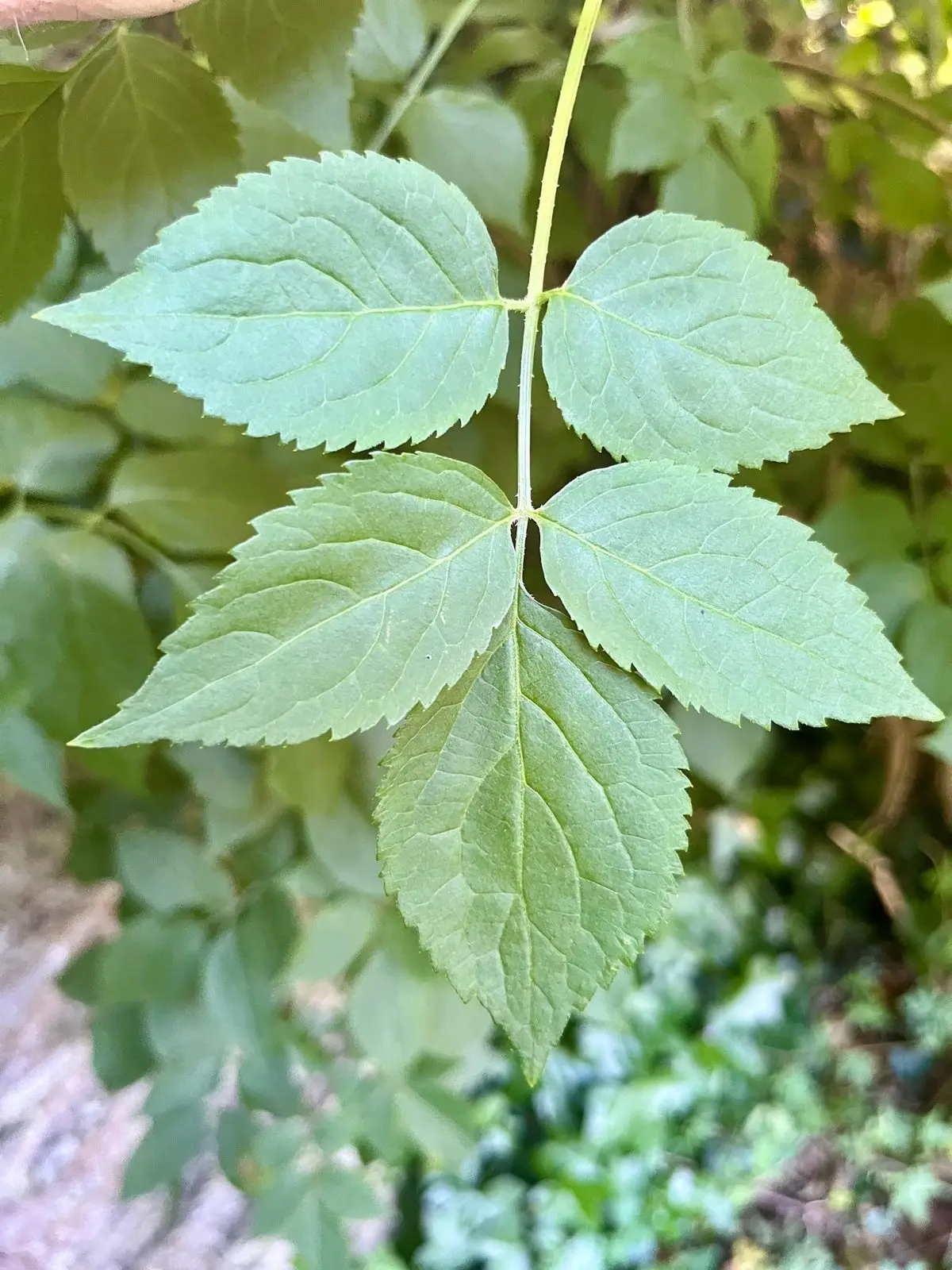 Common ash or elder?Quickest check: the leaflets on one leaf→
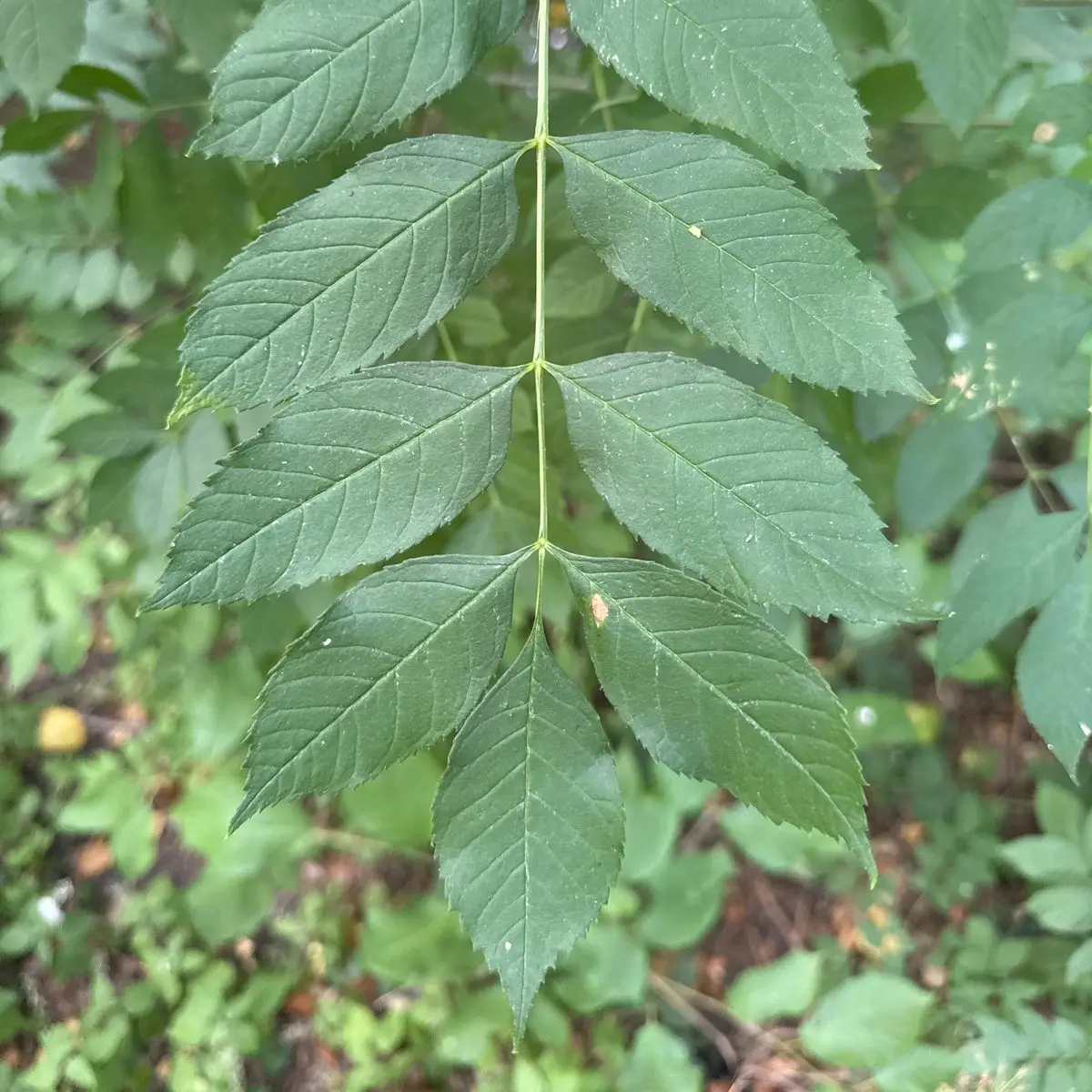
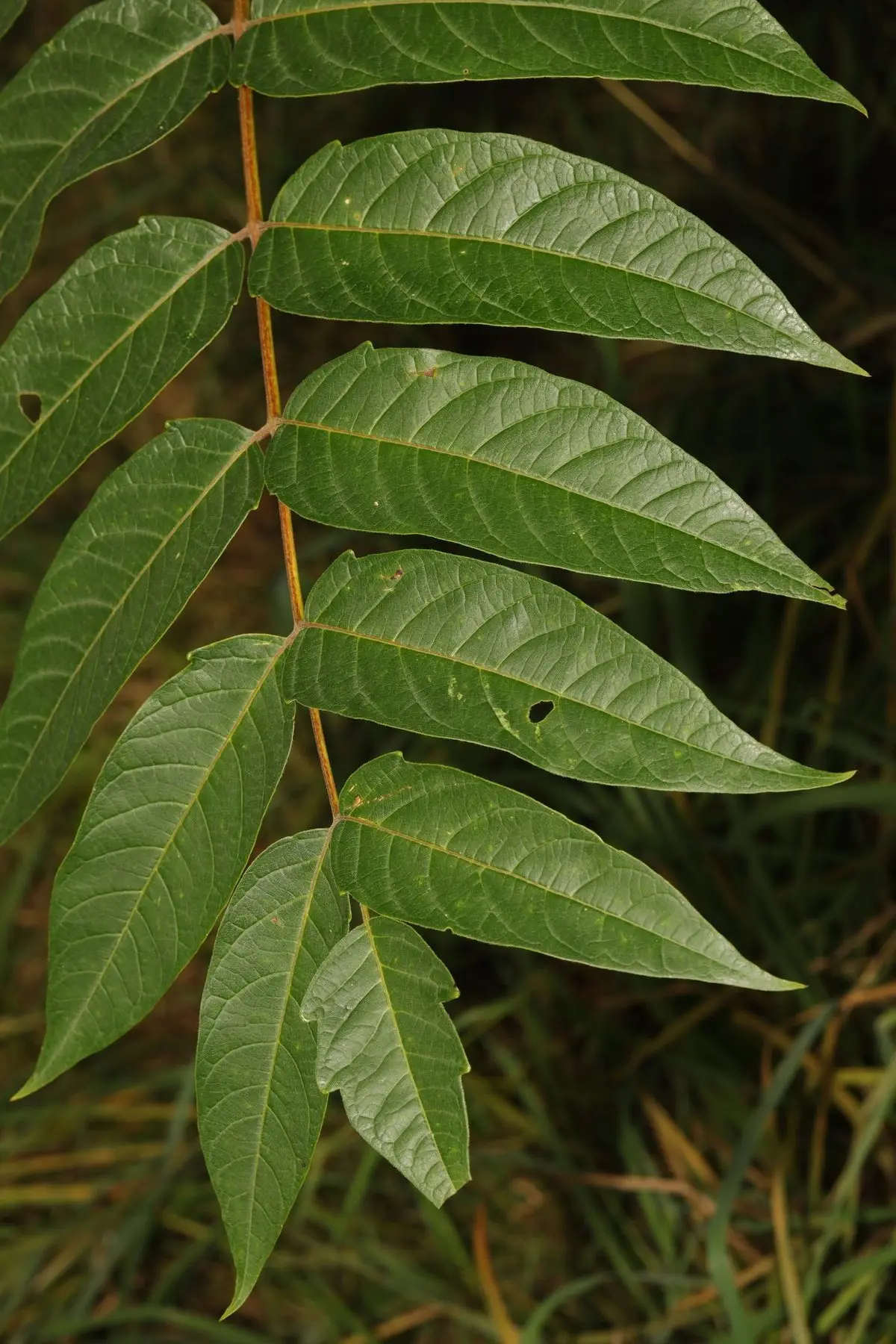 Common ash or tree of heaven?Quickest check: the edge of a leaflet→
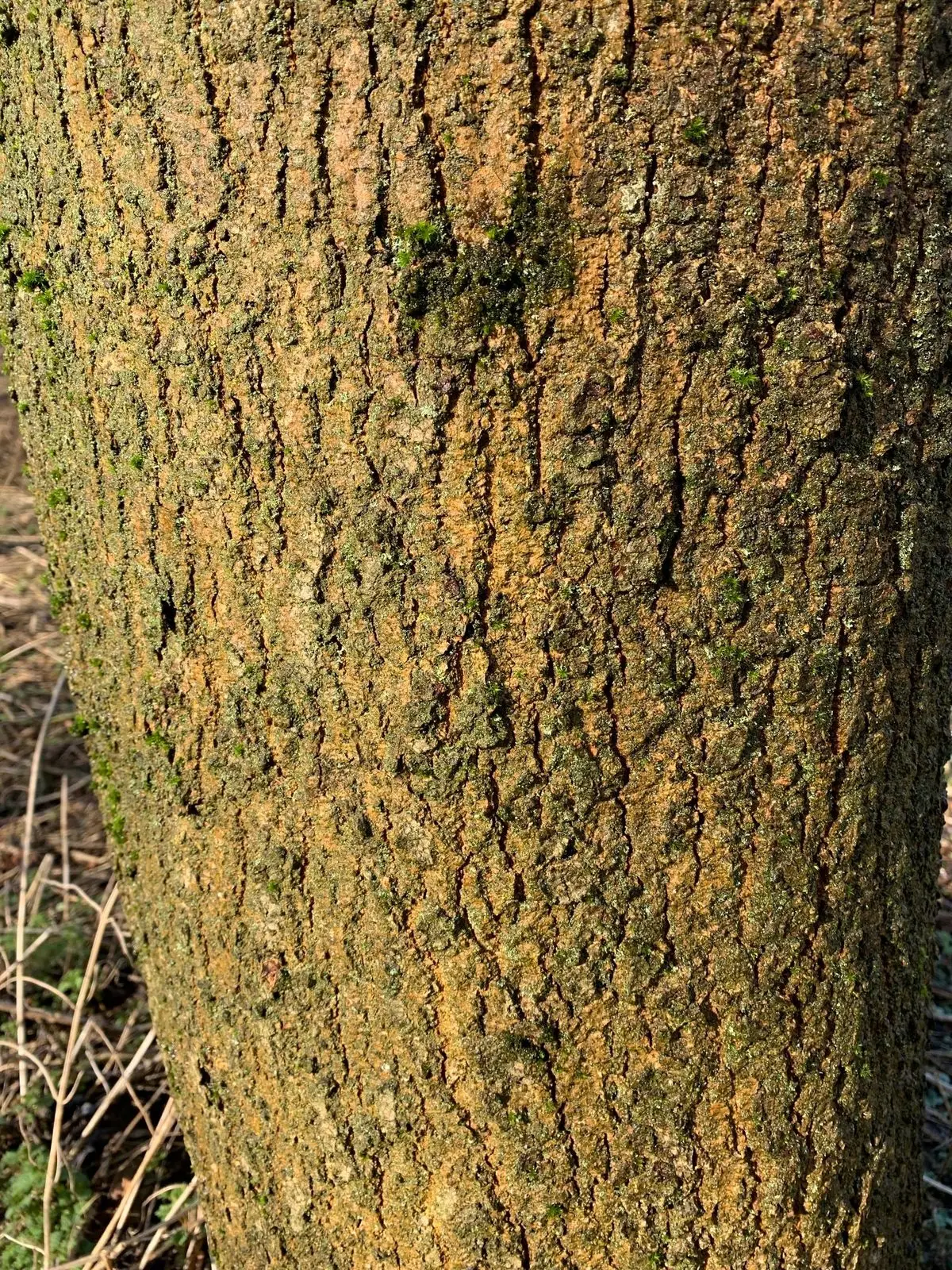
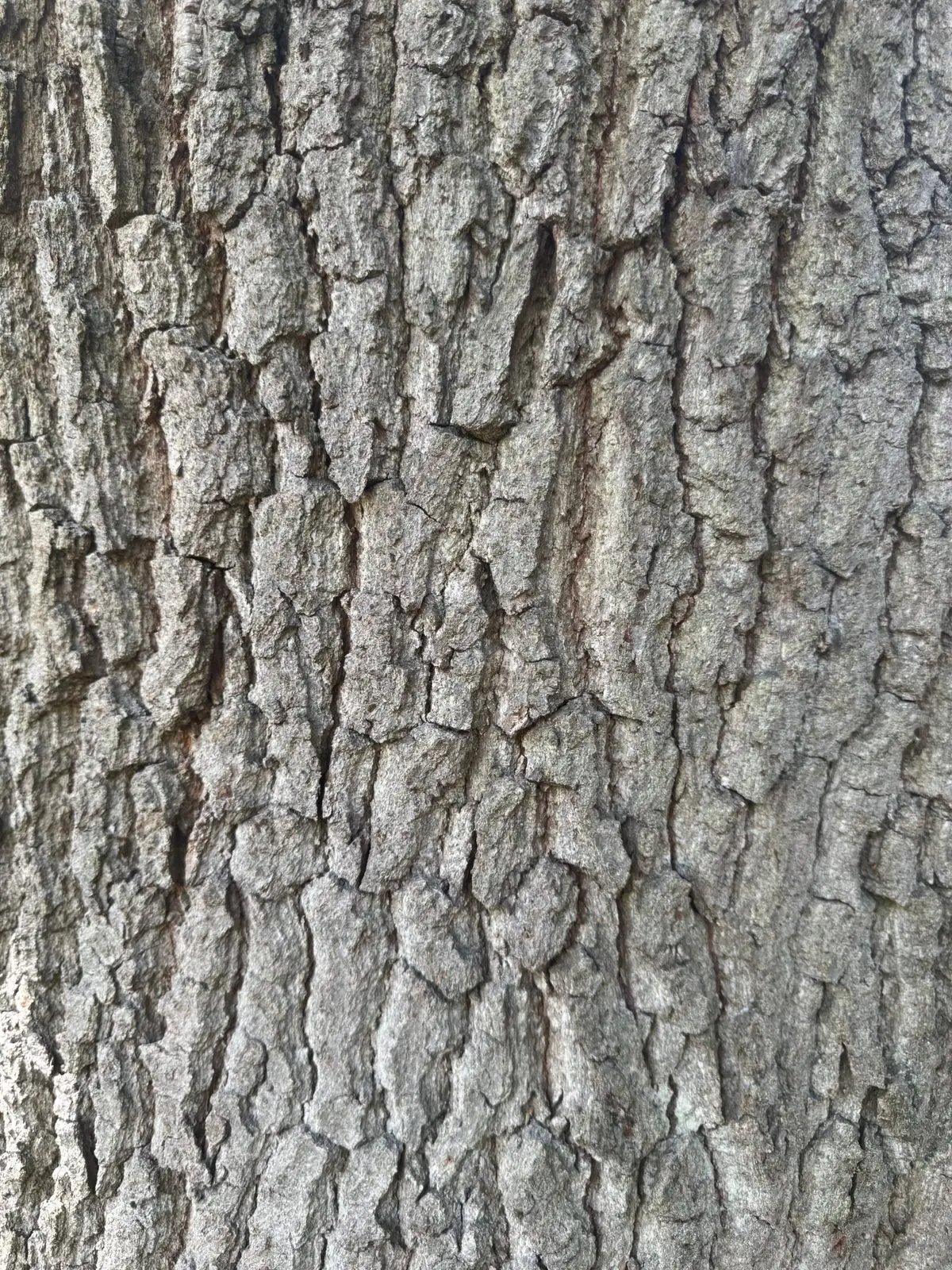 Common ash or English oak?Quickest check: the older trunk→
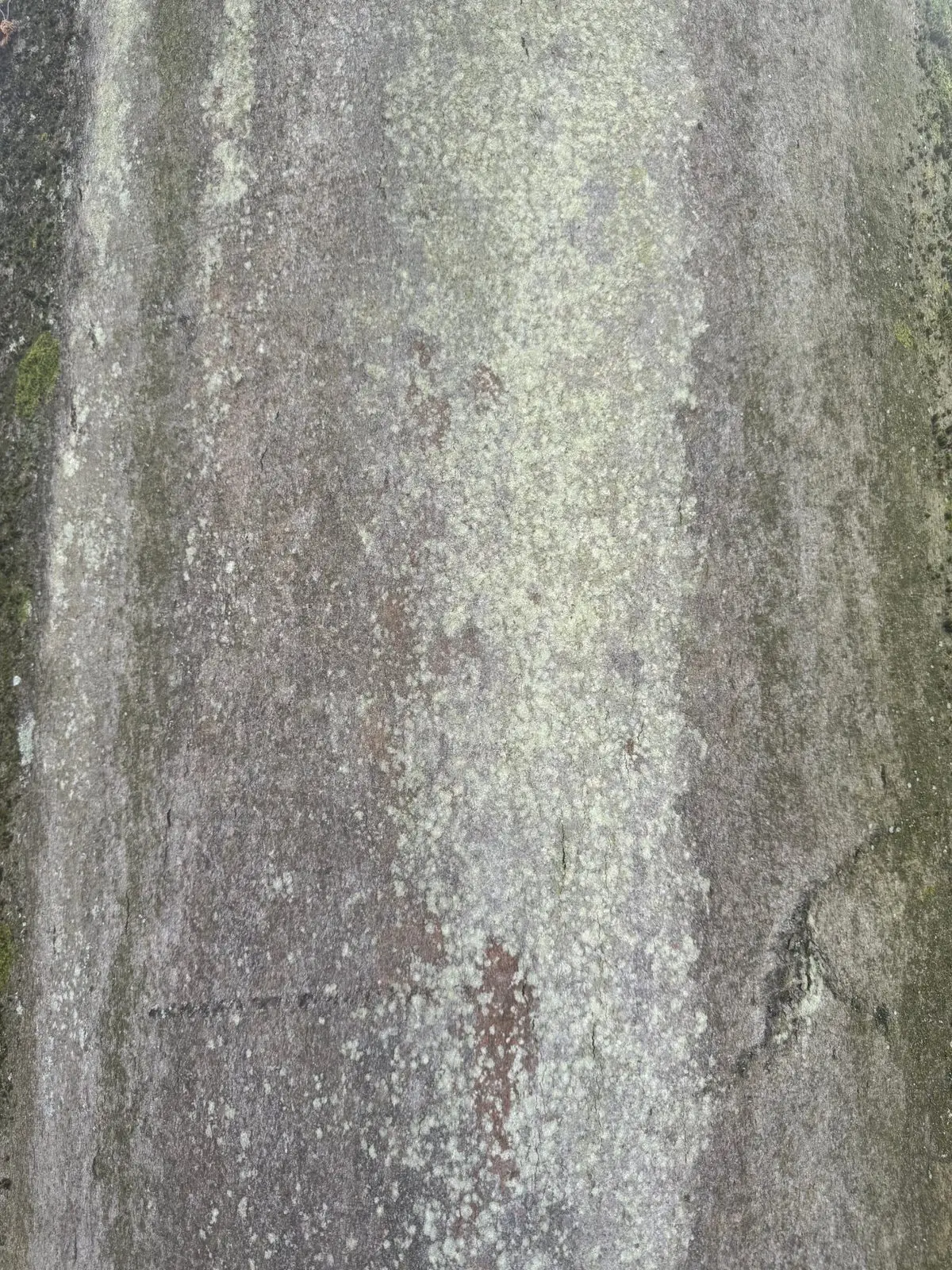 Common ash or common beech?Quickest check: the older trunk→
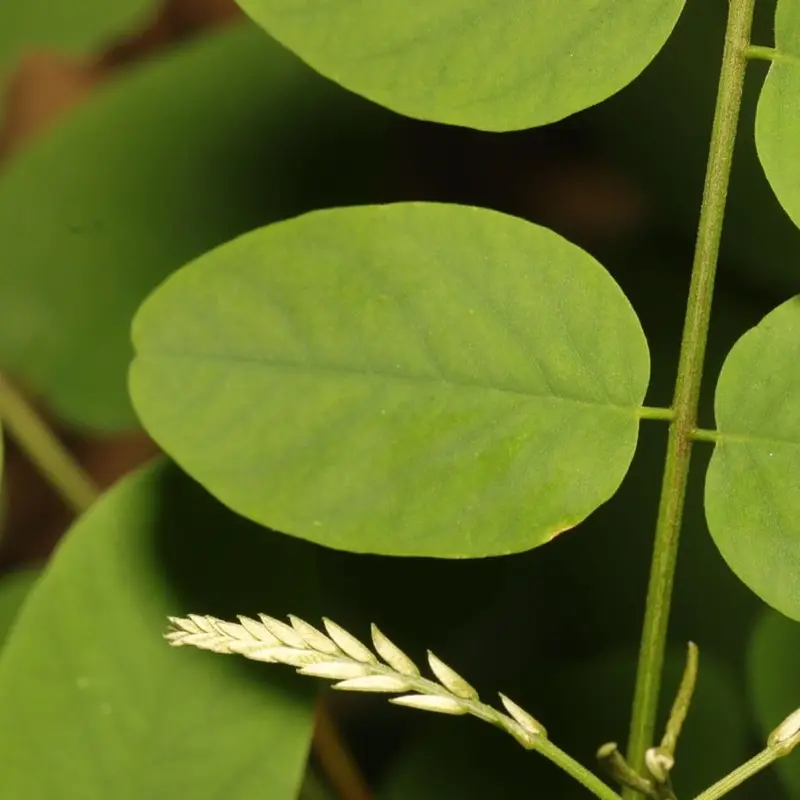 Common ash or false acacia?Quickest check: the edge of a leaflet→
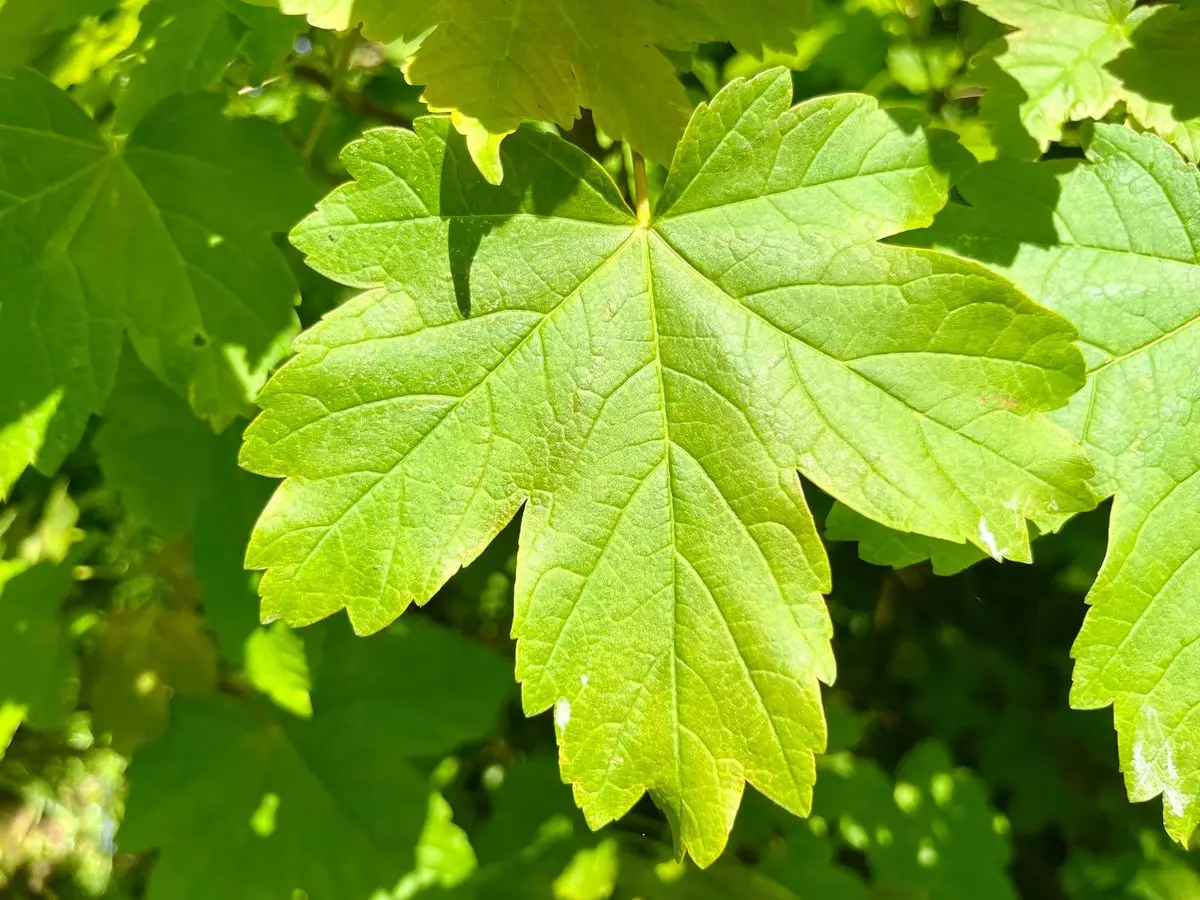 Common ash or sycamore?Quickest check: the whole leaf→
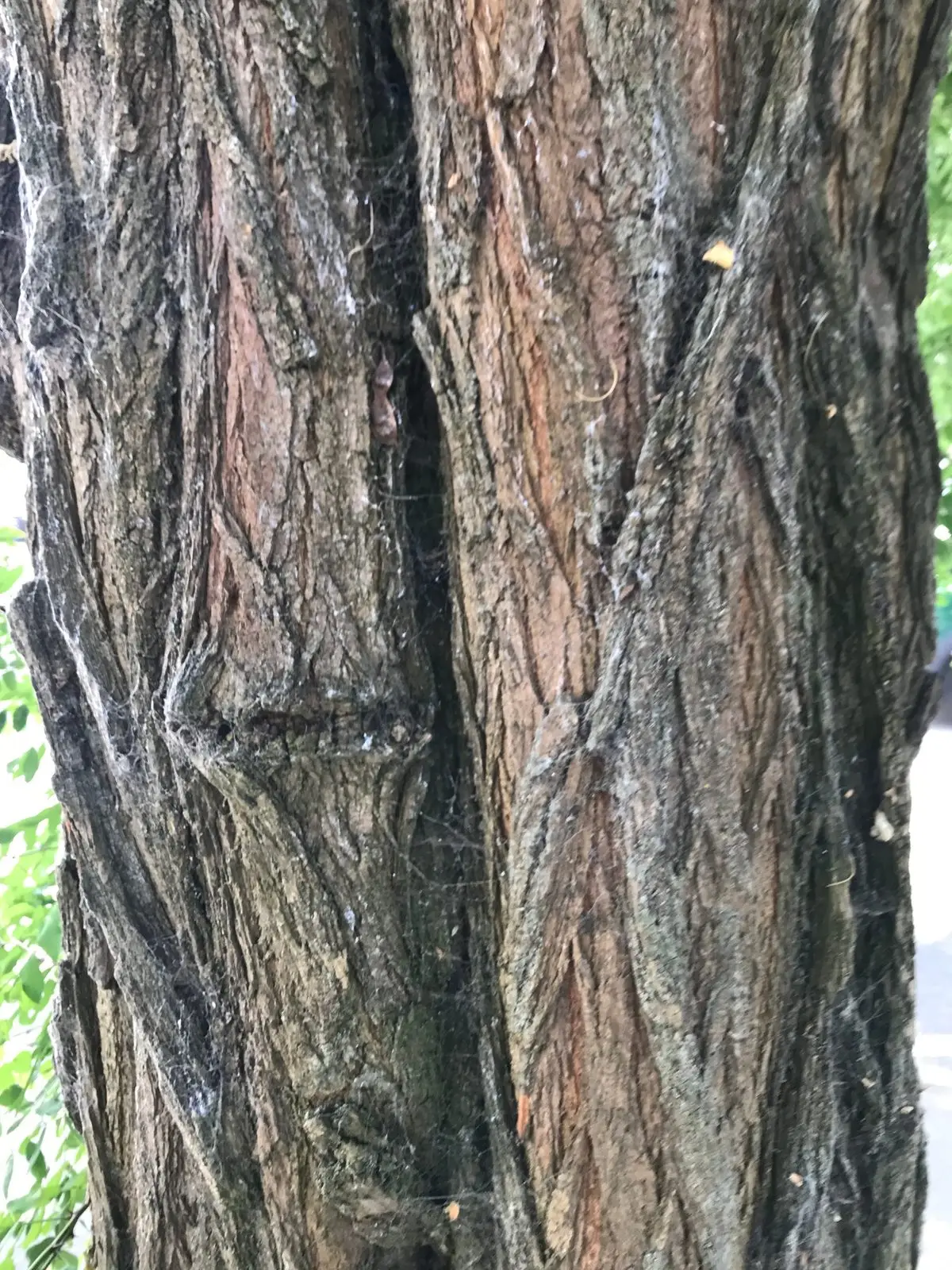 Honey locust or false acacia?Quickest check: the trunk→
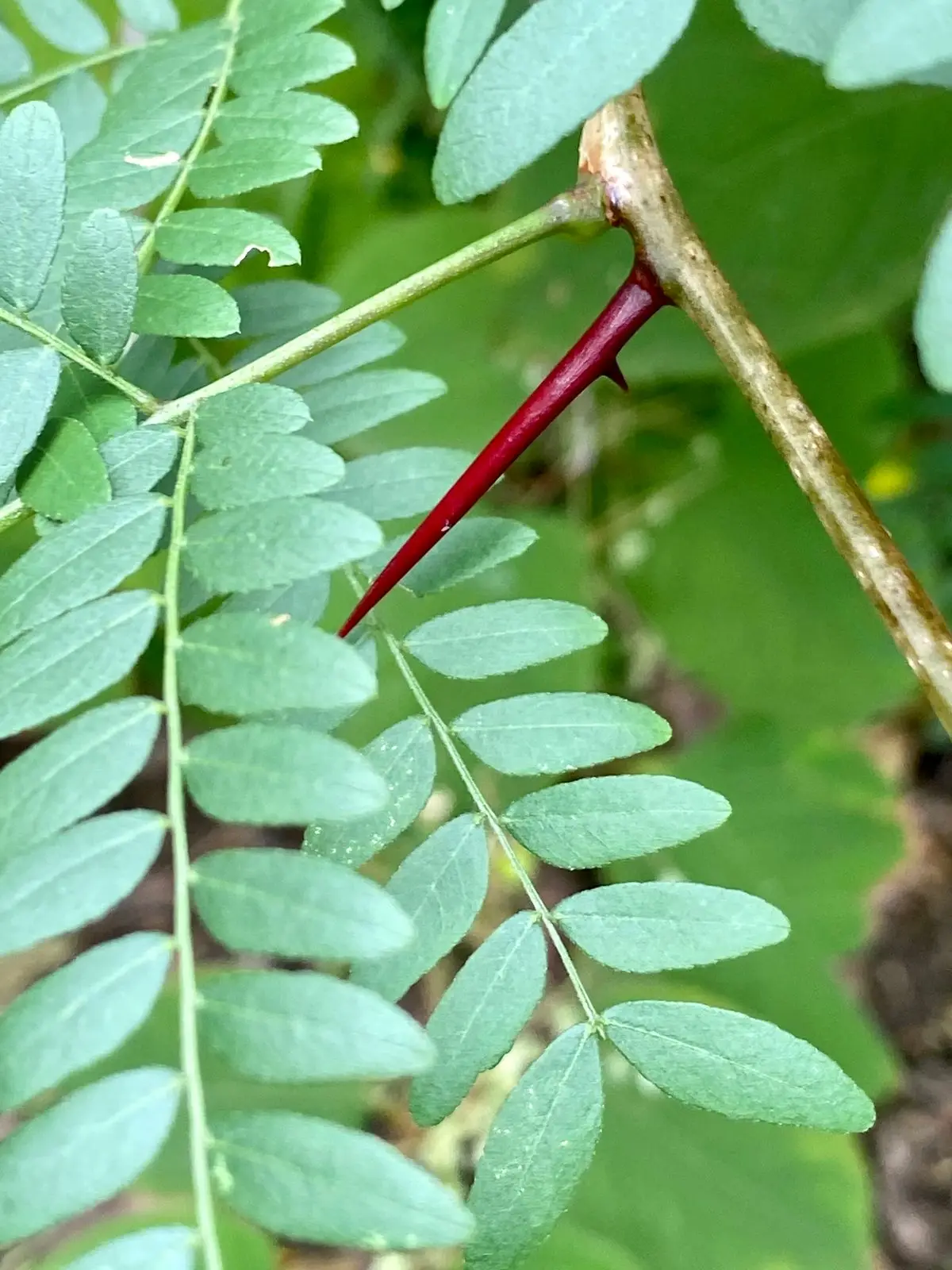
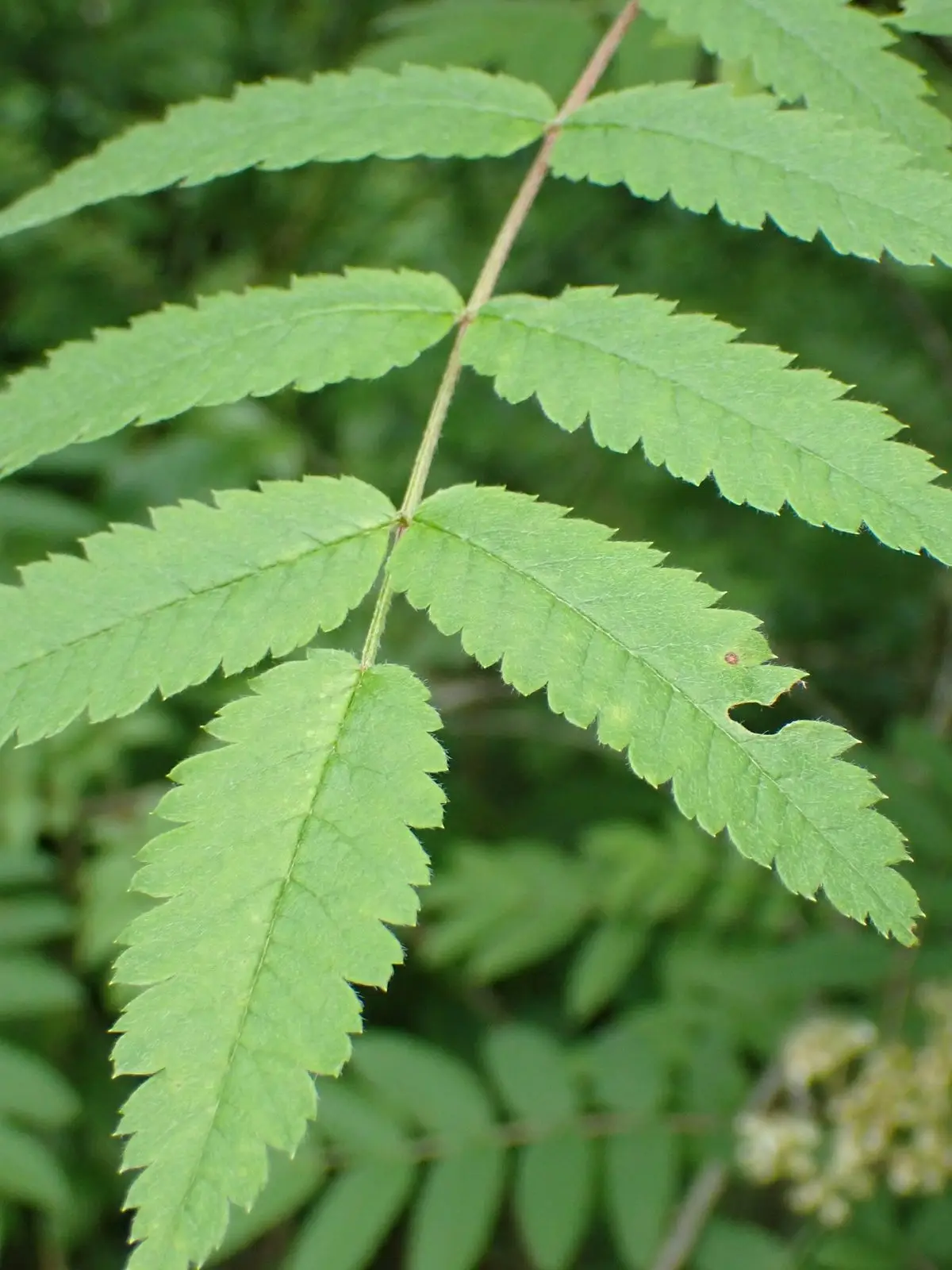 Honey locust or rowan?Quickest check: the leaflet edge→
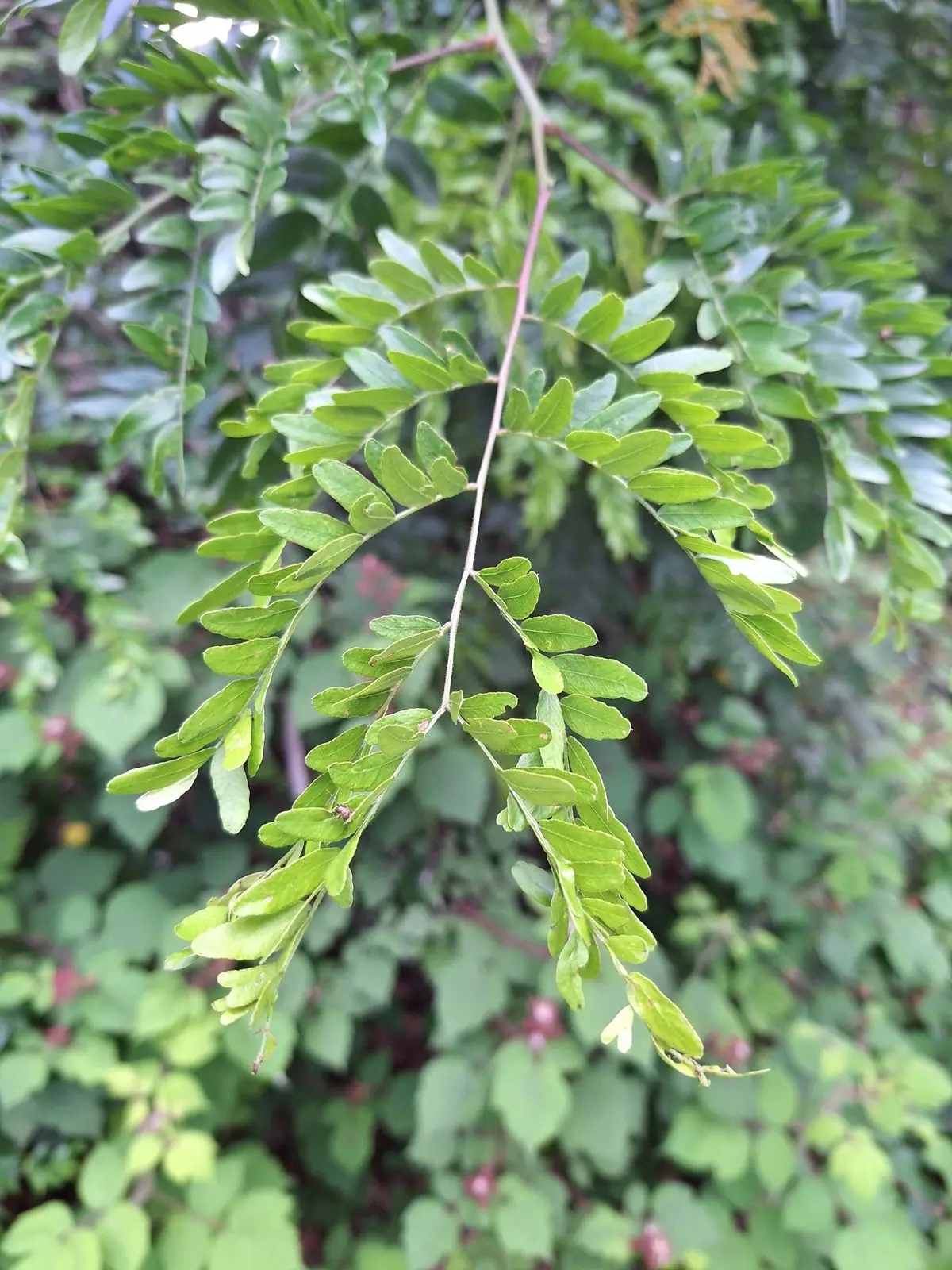
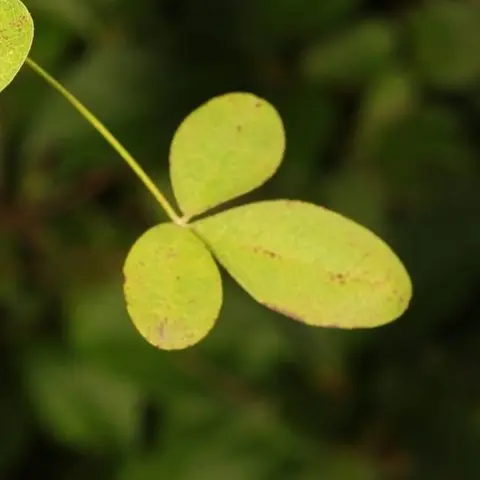 Honey locust or laburnum?Quickest check: the leaflets on one leaf→
Free to download.
Every fact on this page is checked against the Collins Tree Guide, last in November 2026. Spotted something that looks wrong in front of a real tree? Tell us. How we check.
Photographs: steve_mcwilliam (CC0), cigazze (CC BY 4.0), Jan Sheppard (CC BY 4.0), Leon Cross (CC BY 4.0). With thanks to everyone who shares their photographs on iNaturalist and Wikimedia Commons.