Lookalikes

Honey locust or rowan?

Both have feathered leaves and grow in streets and gardens.

The quickest check

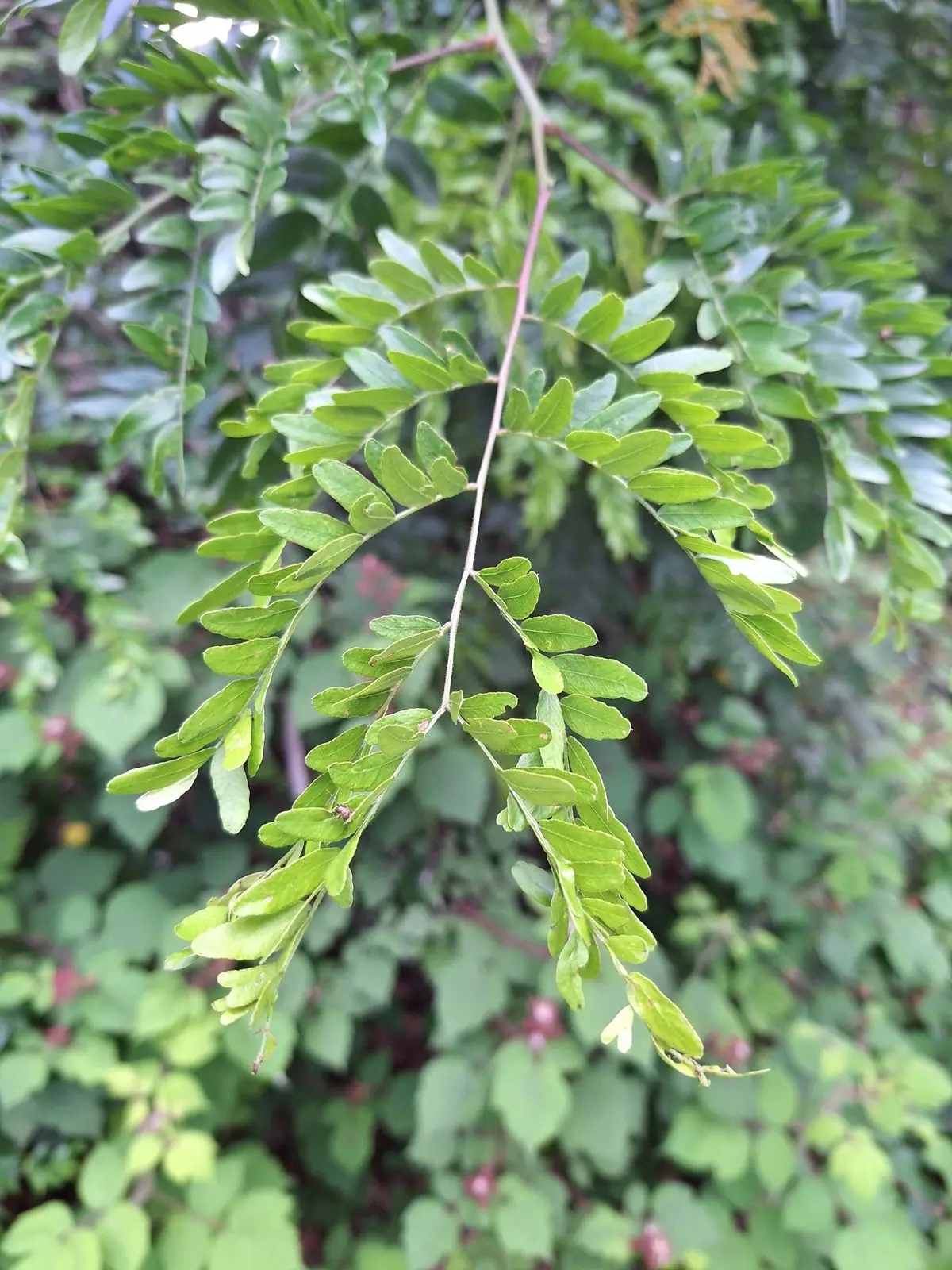
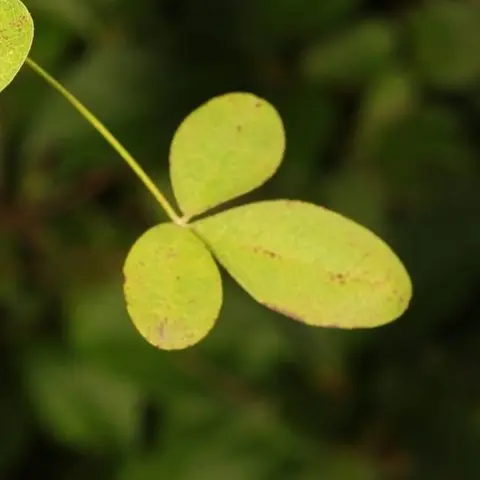
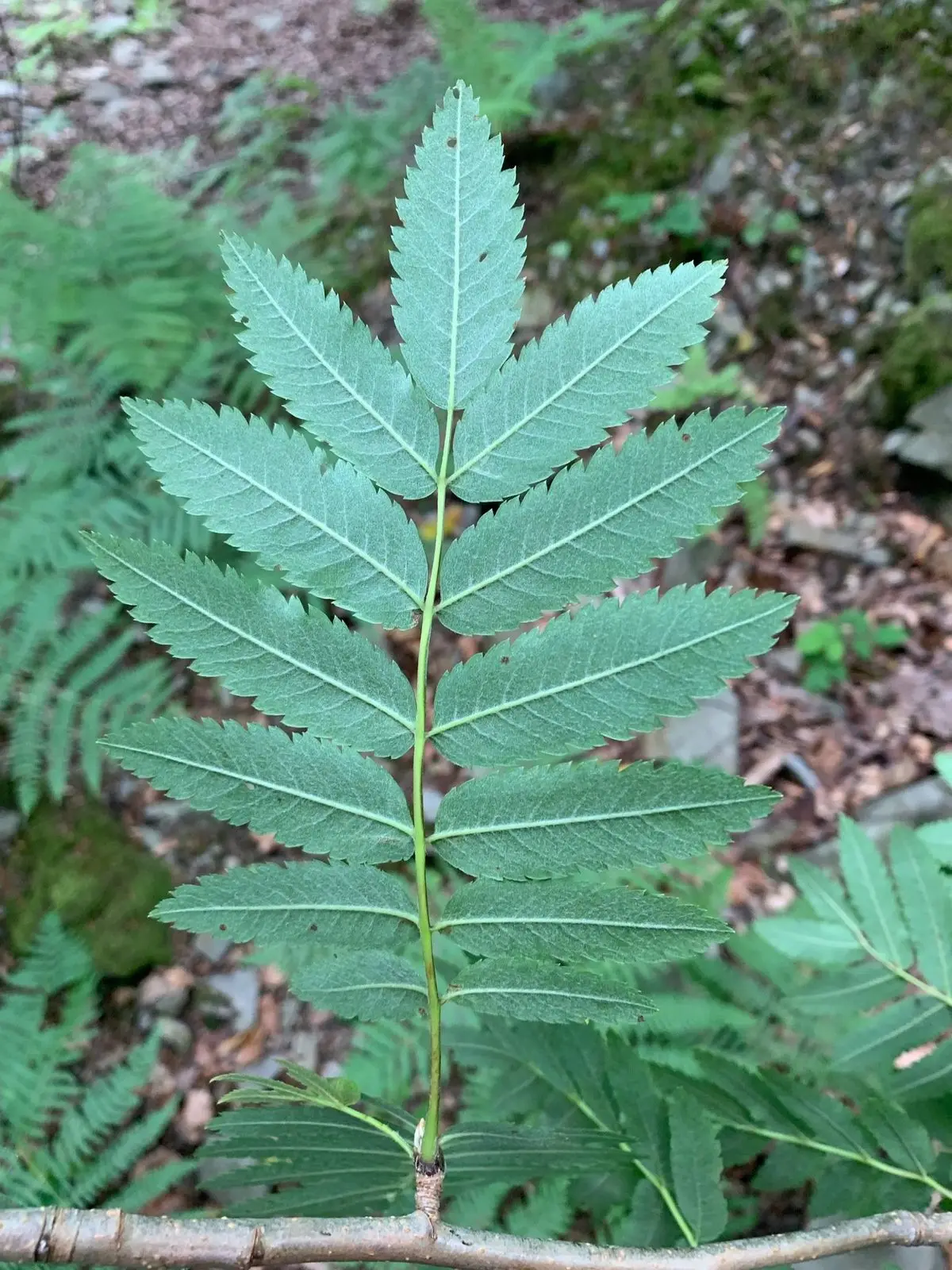
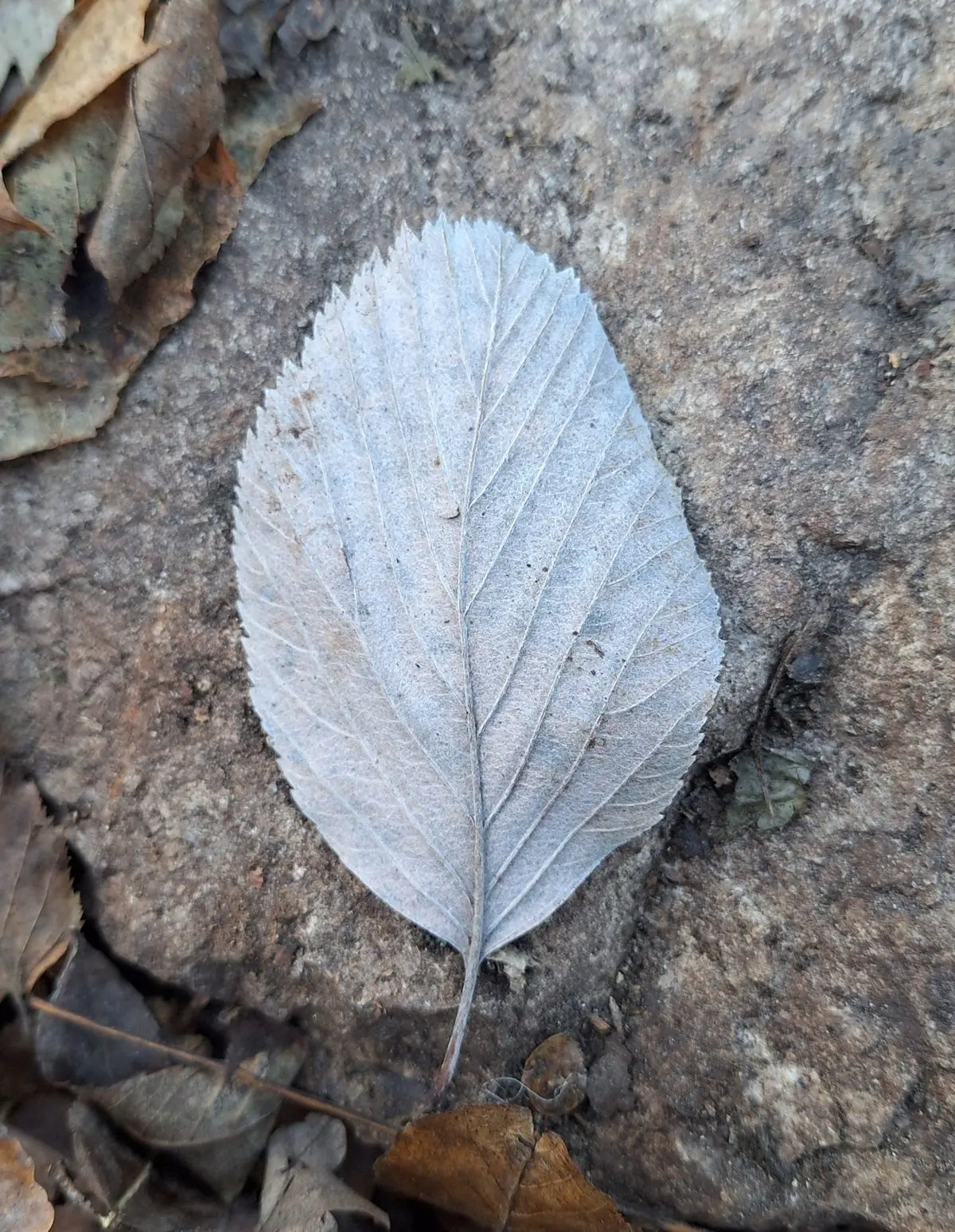
The quickest check is the leaflet edge. Honey locust: gently wavy, rarely toothed. Rowan: toothed to within 1 to 2 cm of the base. No leaves on the tree? Check the trunk.

At a glance

Look atHoney locustRowan
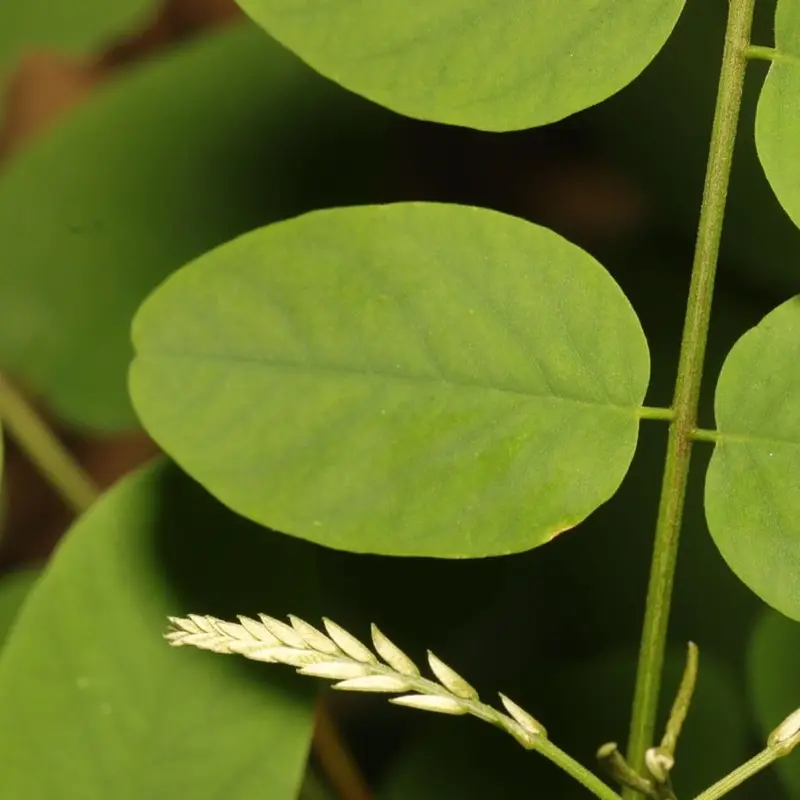
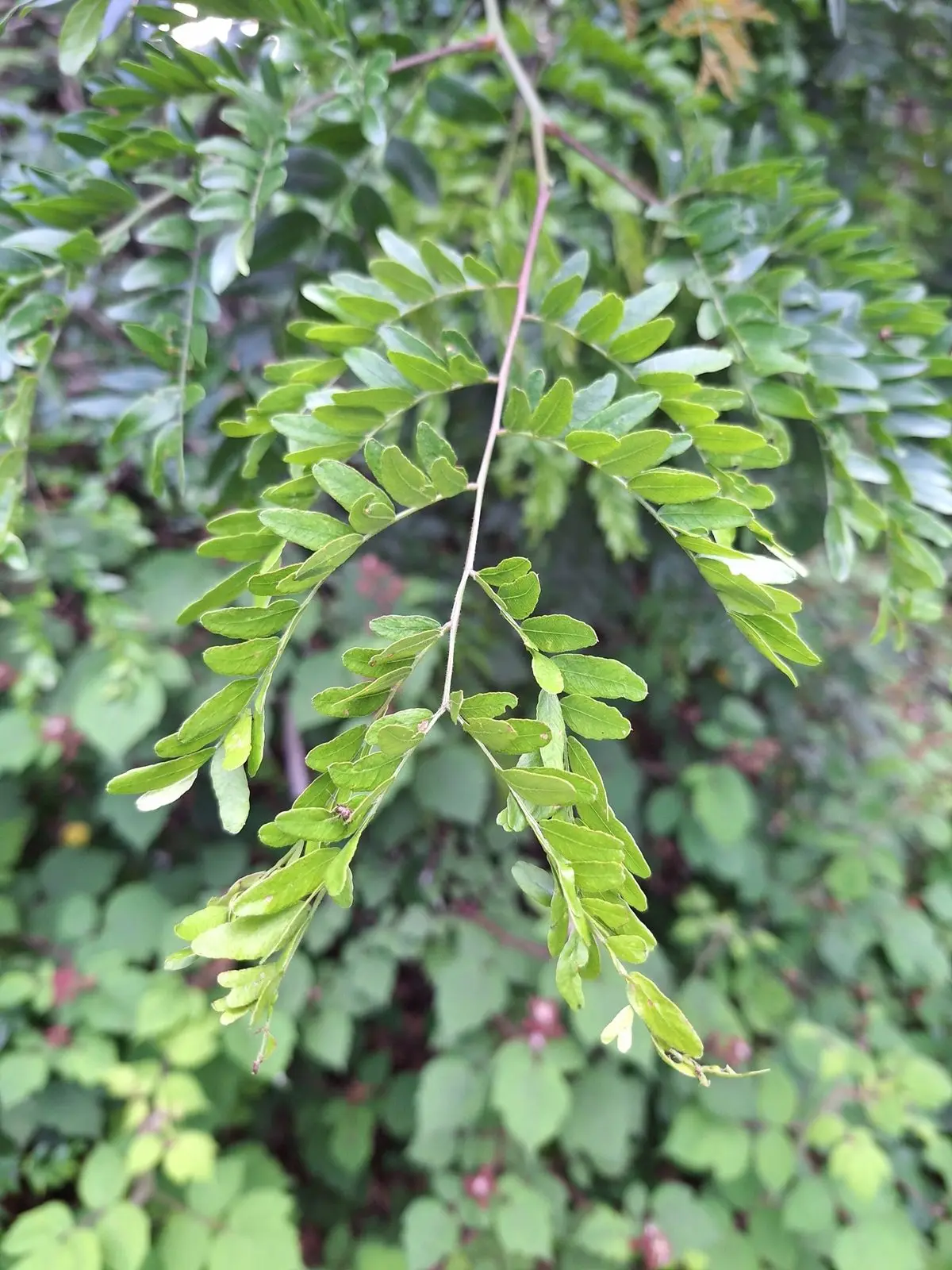
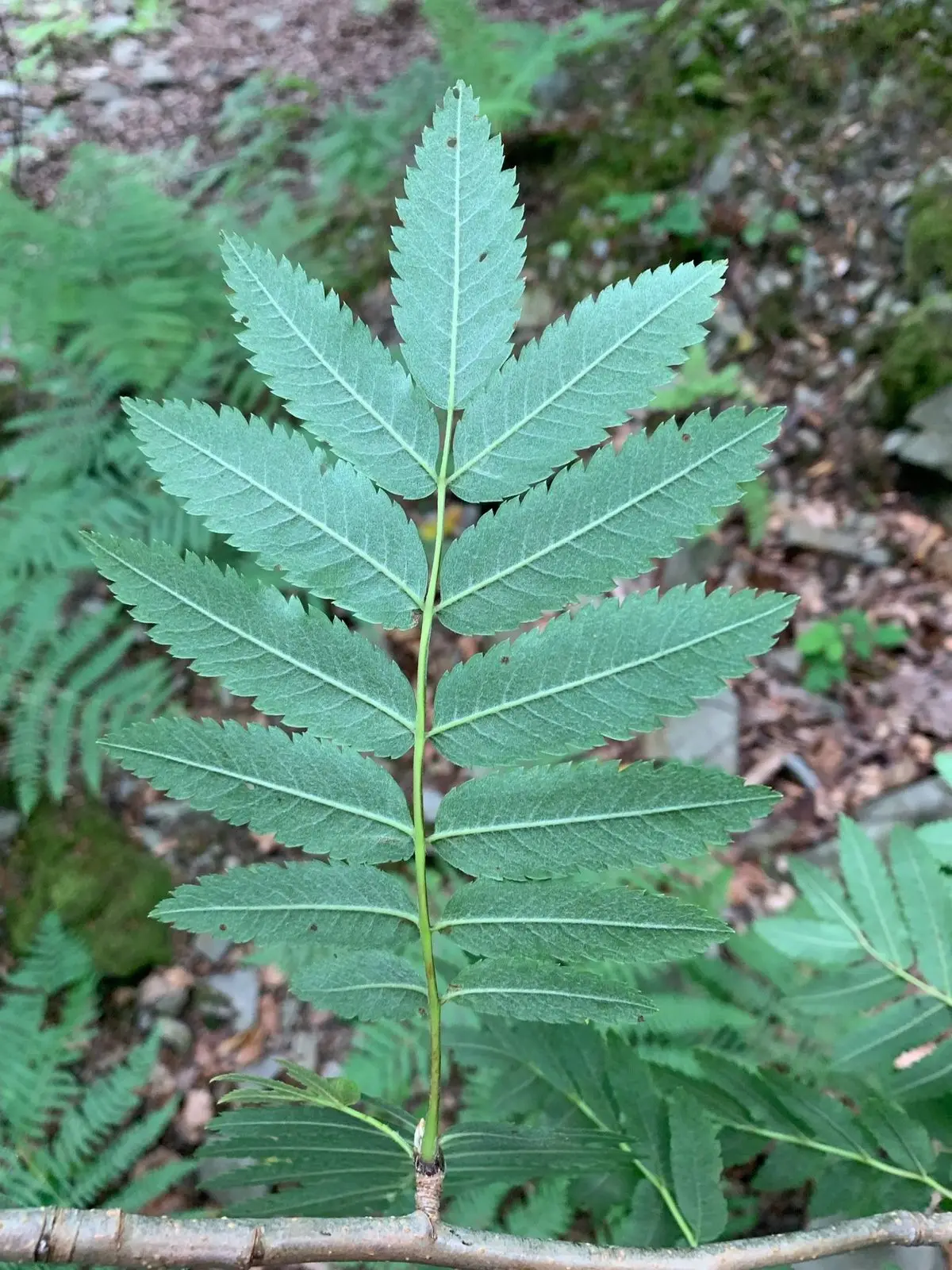
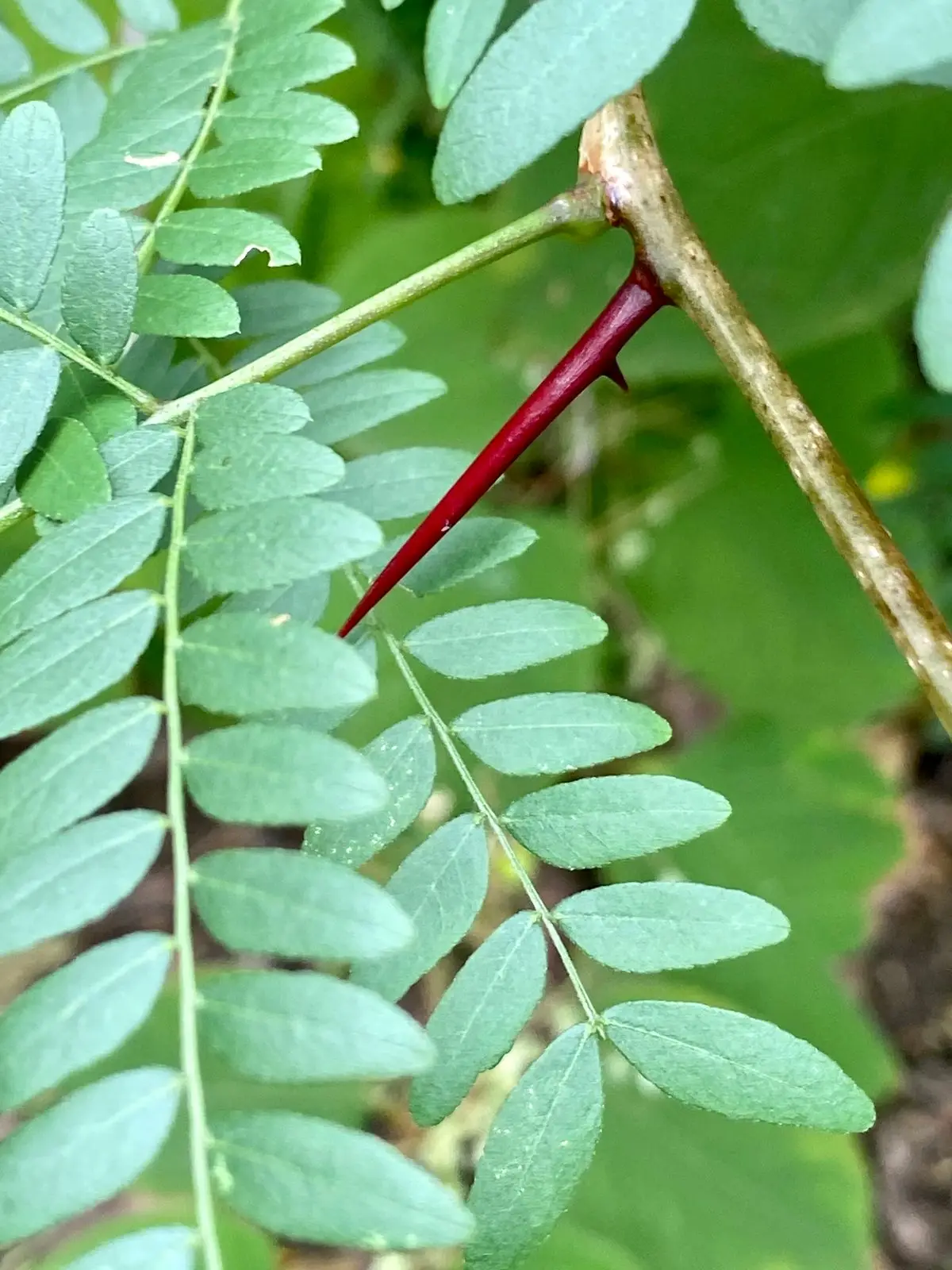
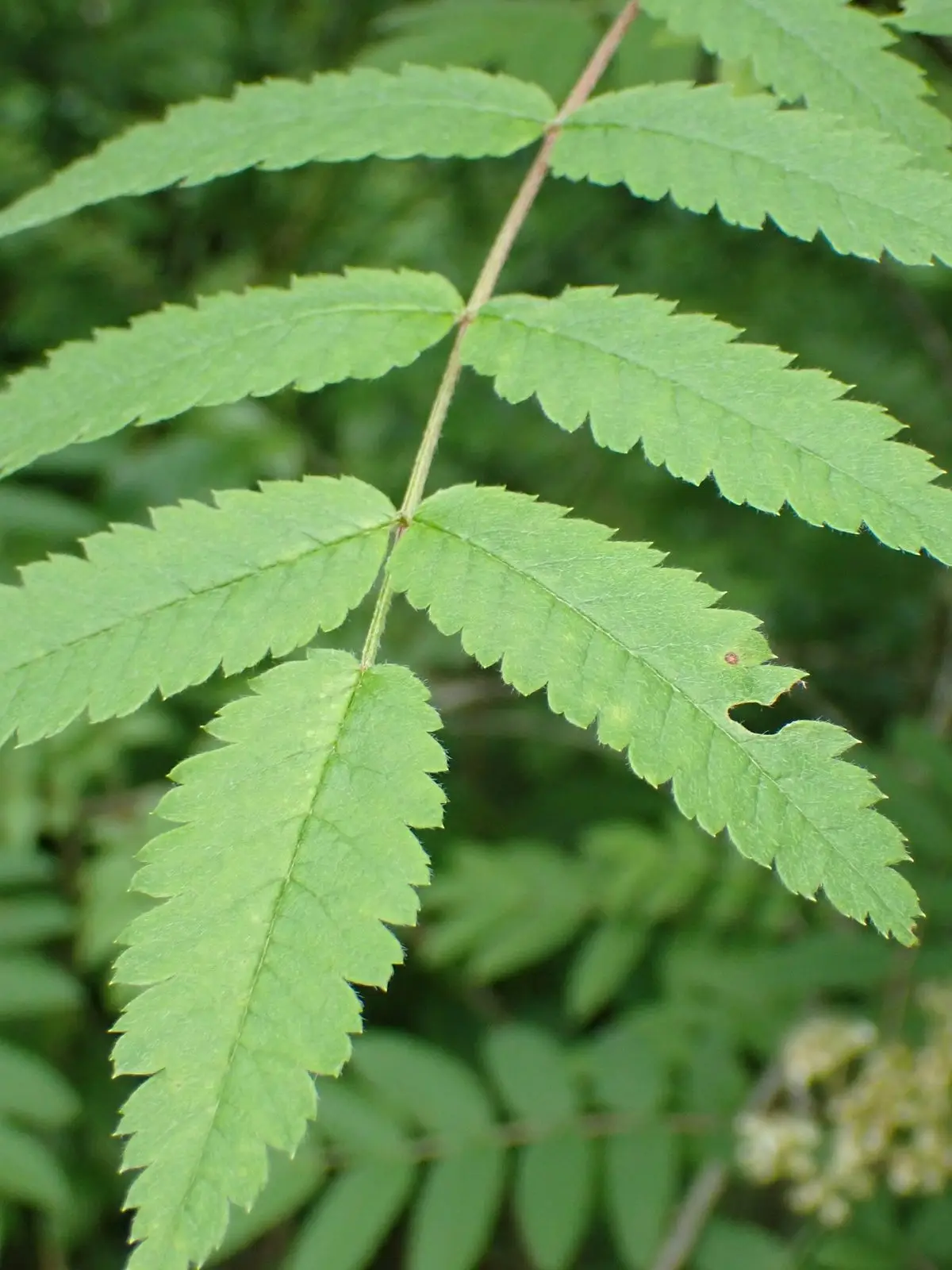
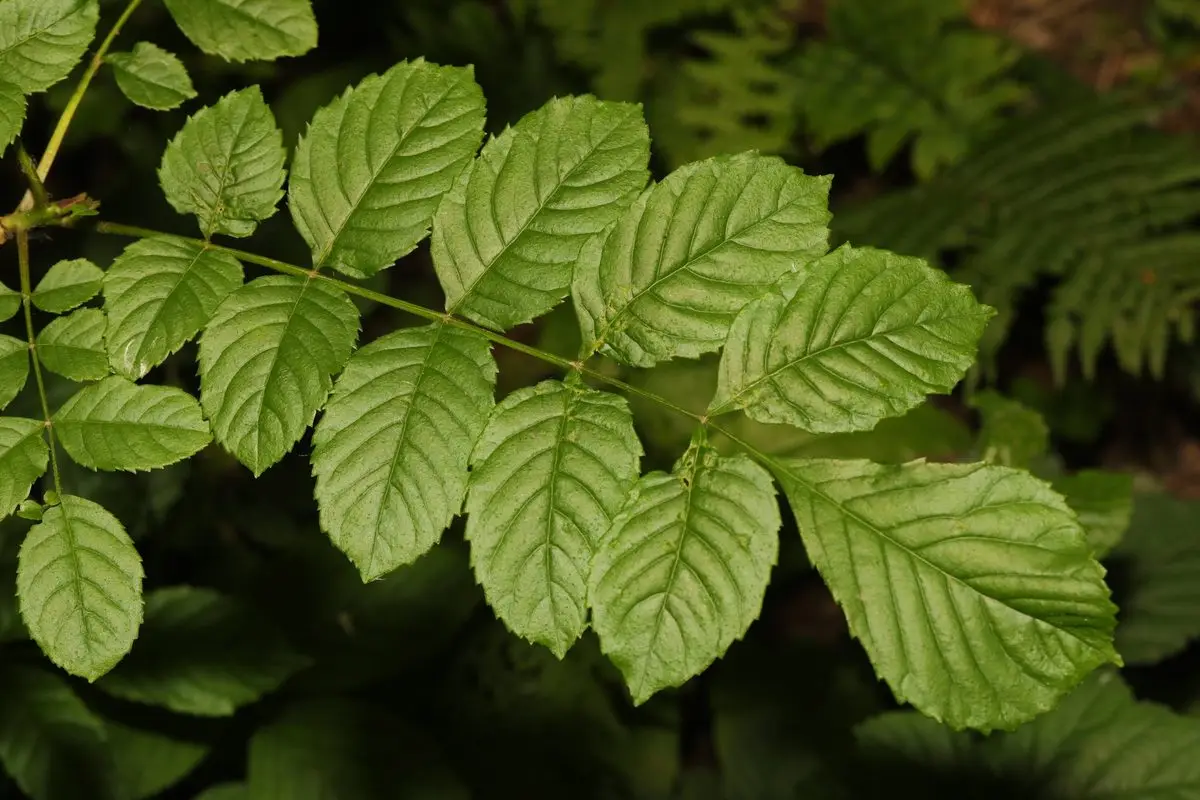
Leaflet edgeGently wavy, rarely toothedToothed to within 1 to 2 cm of the base
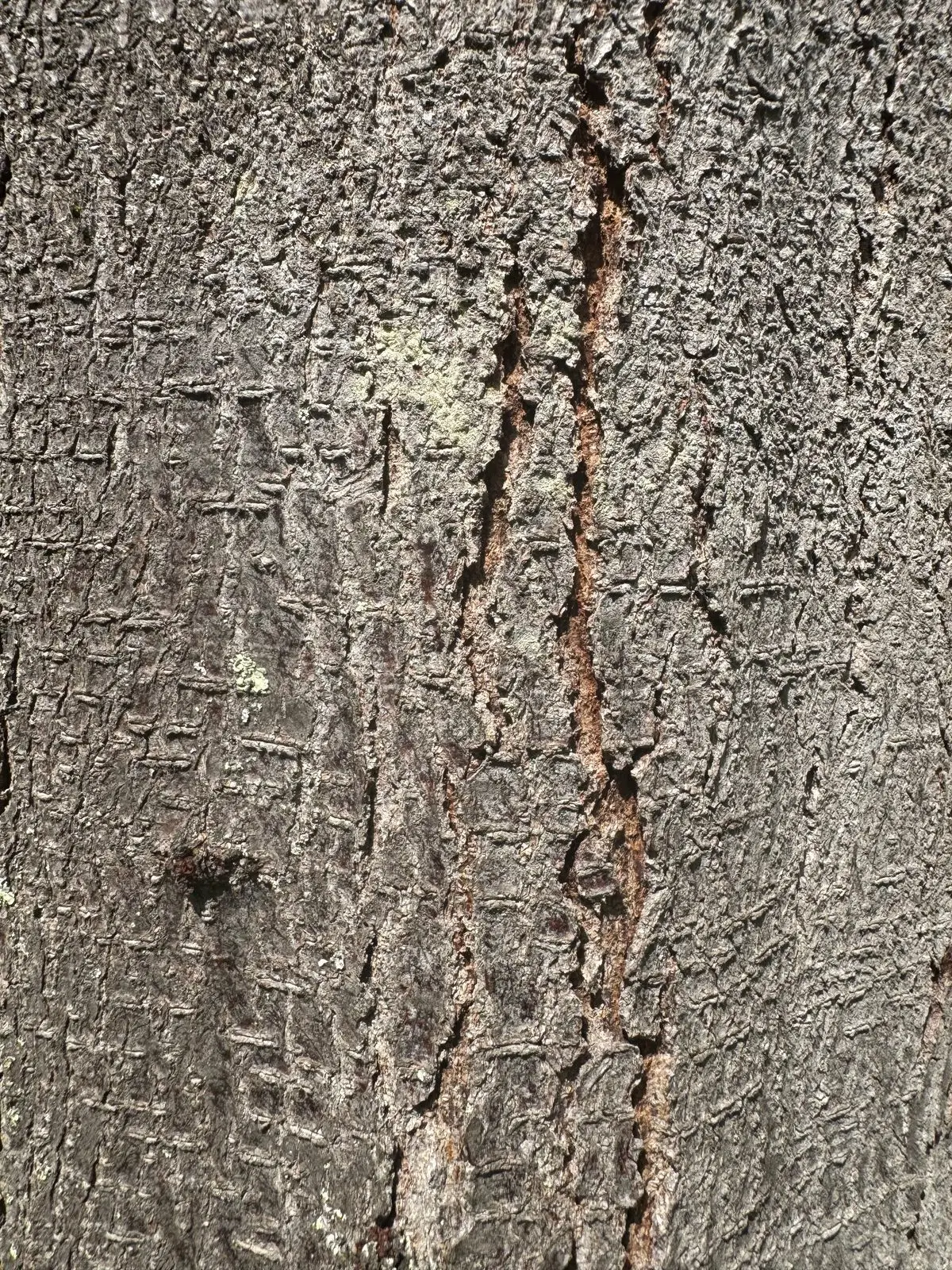
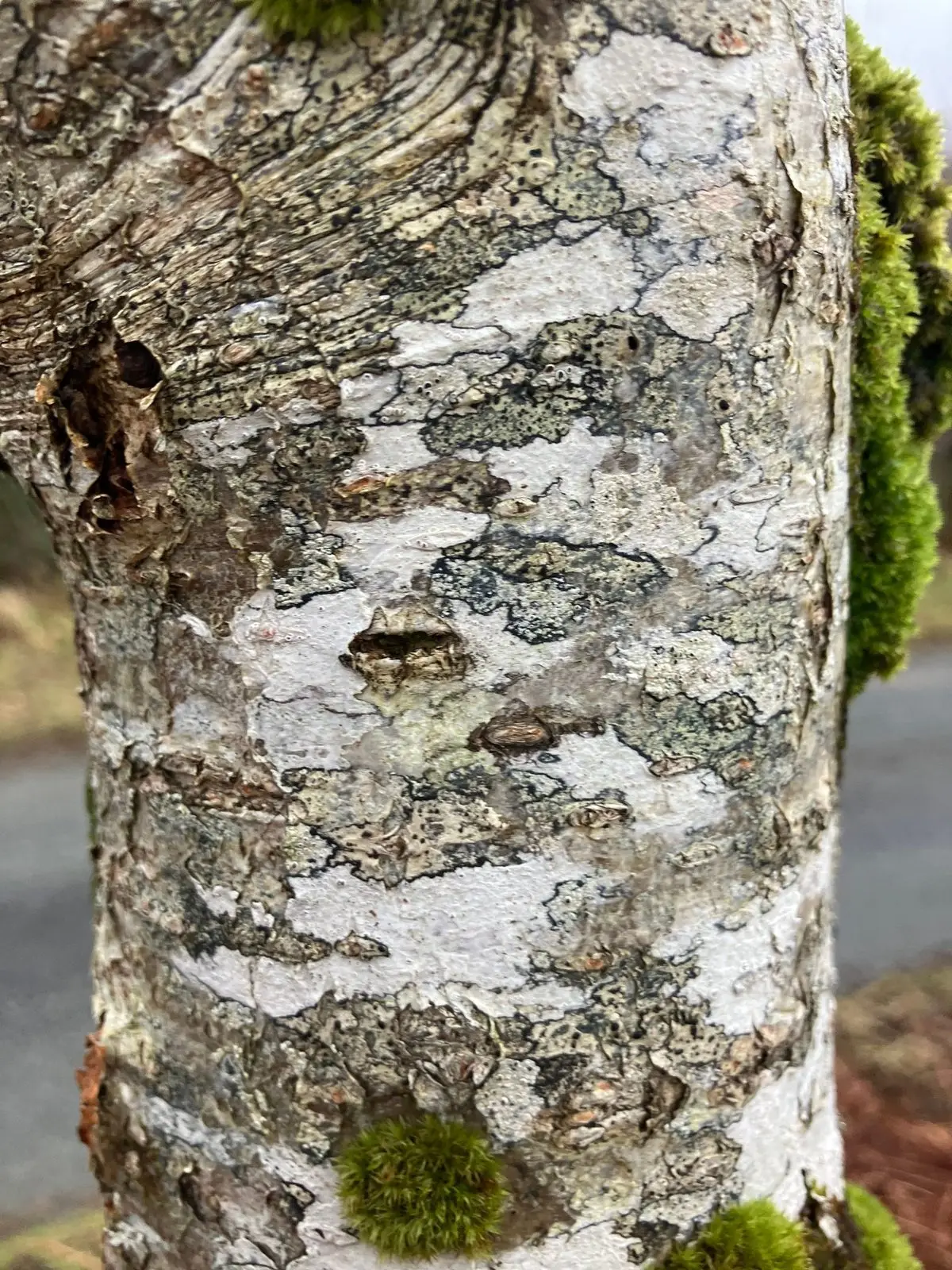
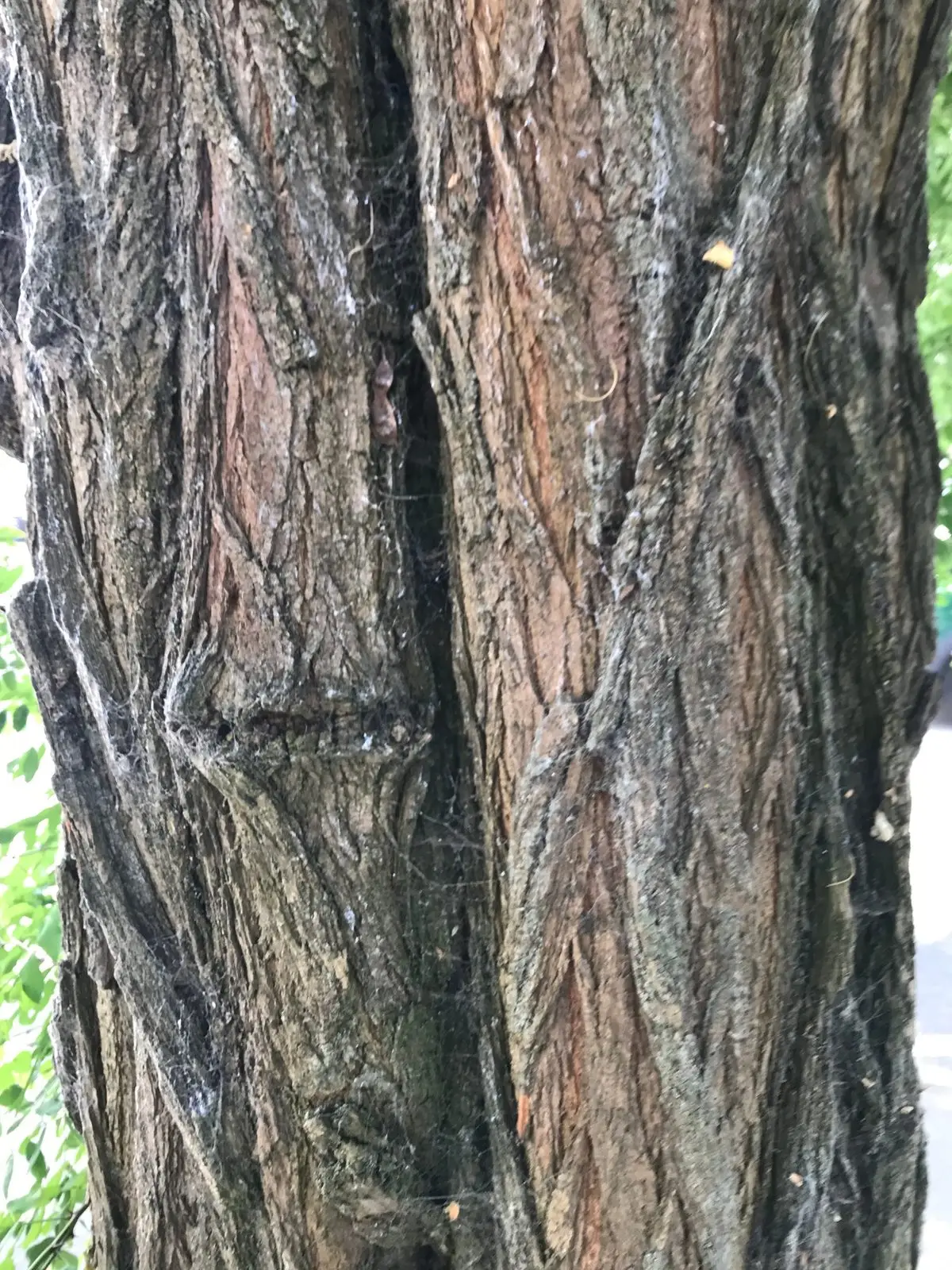
TrunkPurplish grey, in wide raised ridgesSmooth and silvery grey, with dark dashes
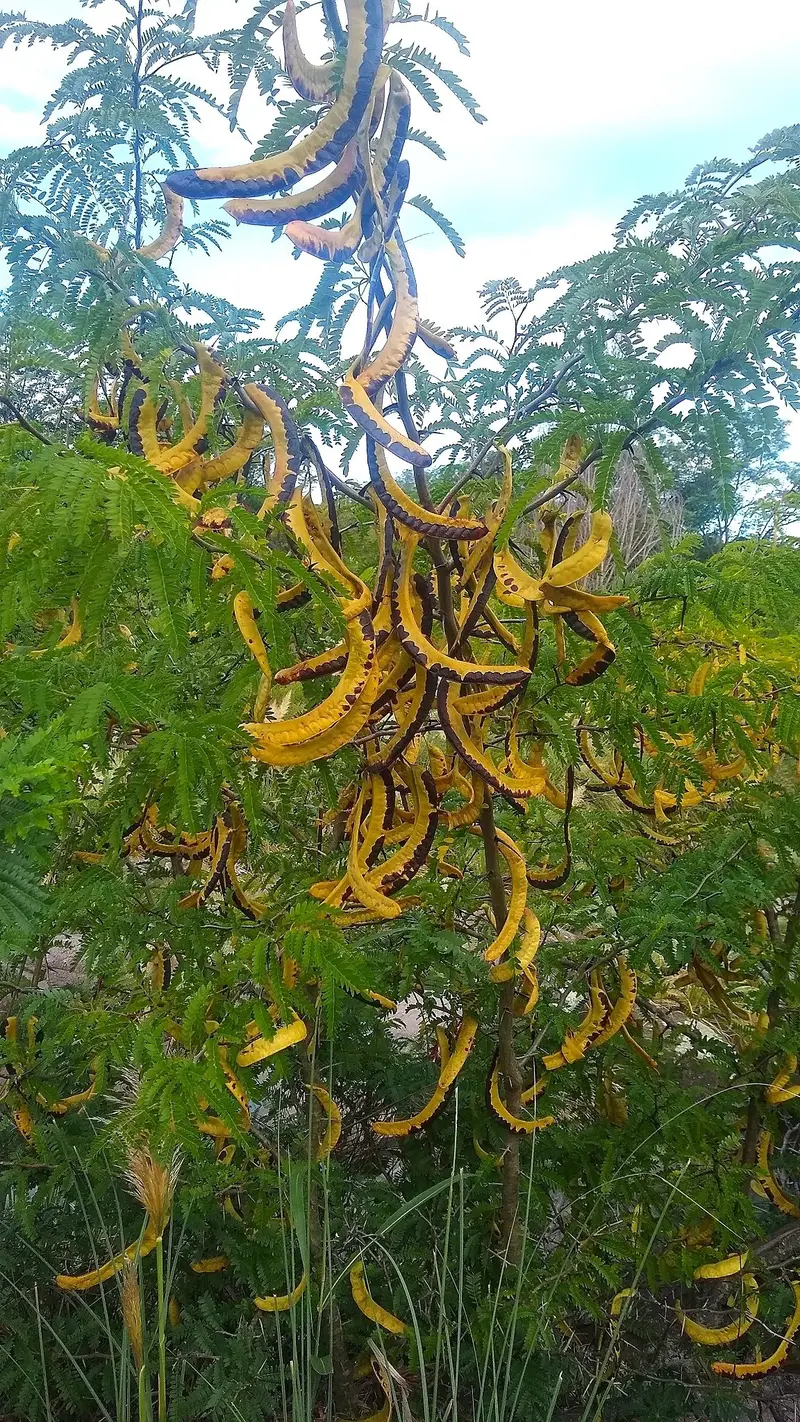
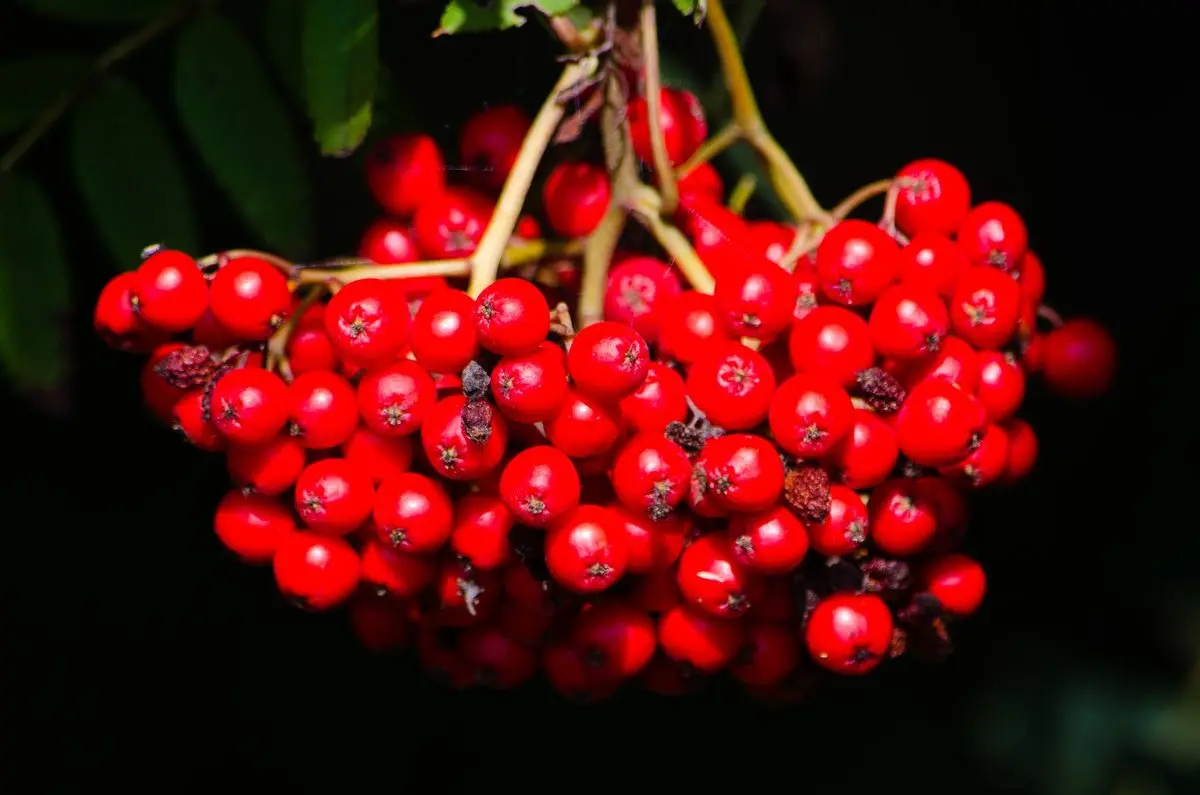
Fruit in autumnFlat, very dark brown pods, up to 45 cmFlat heads of scarlet berries, about 1 cm

Three ways to tell them apart

Leaflet edgeLeaves
Honey locustGently wavy, rarely toothed
Rowan: leaflet edge
RowanToothed to within 1 to 2 cm of the base
TrunkBark
Honey locust: trunk
Honey locustPurplish grey, in wide raised ridges
RowanSmooth and silvery grey, with dark dashes
Fruit in autumnPods
Honey locustFlat, very dark brown pods, up to 45 cm
RowanFlat heads of scarlet berries, about 1 cm
Think you can tell them apart now? Try the tree quiz: real photographs, and what gives each tree away.Take the quiz

The two trees

Honey locust

Gleditsia triacanthos

Honey locust is a slender, open tree with feathery leaves of many small leaflets, often bright yellow when young. Most planted in Britain are thornless. The ordinary thorny kind, rare in Britain, carries clumps of long spines on its trunk.

How to identify honey locust →
Rowan

Sorbus aucuparia

Rowan is a small, open tree with smooth silvery grey bark and feathered leaves of 13 to 15 toothed leaflets. From August it carries flat heads of scarlet berries.

How to identify rowan →
In the app

See them side by side in Treely

  • Both trees, part by partLeaves, bark, buds, flowers and fruit, photographed through the year
  • Every lookalike side by sideThe checks that settle it, for every pair people mix up
  • A short round each dayUntil you can tell them apart at a glance
  • The full GuideBoth trees written up in full, with where to find them
App StoreGoogle Play

Free to download.

Every fact on this page is checked against the Collins Tree Guide, last in November 2026. Spotted something that looks wrong in front of a real tree? Tell us. How we check.

Photographs: cigazze (CC BY 4.0), 呂一起(Lyu yi-chi) (CC BY 4.0), Sandy Wolkenberg (CC BY 4.0), bobwardell (CC0), Leon Cross (CC BY 4.0), anguspritchard (CC BY 4.0), Tomás Carranza Perales (CC BY 4.0), David Ashcroft (CC BY 4.0). With thanks to everyone who shares their photographs on iNaturalist and Wikimedia Commons.