Field elm
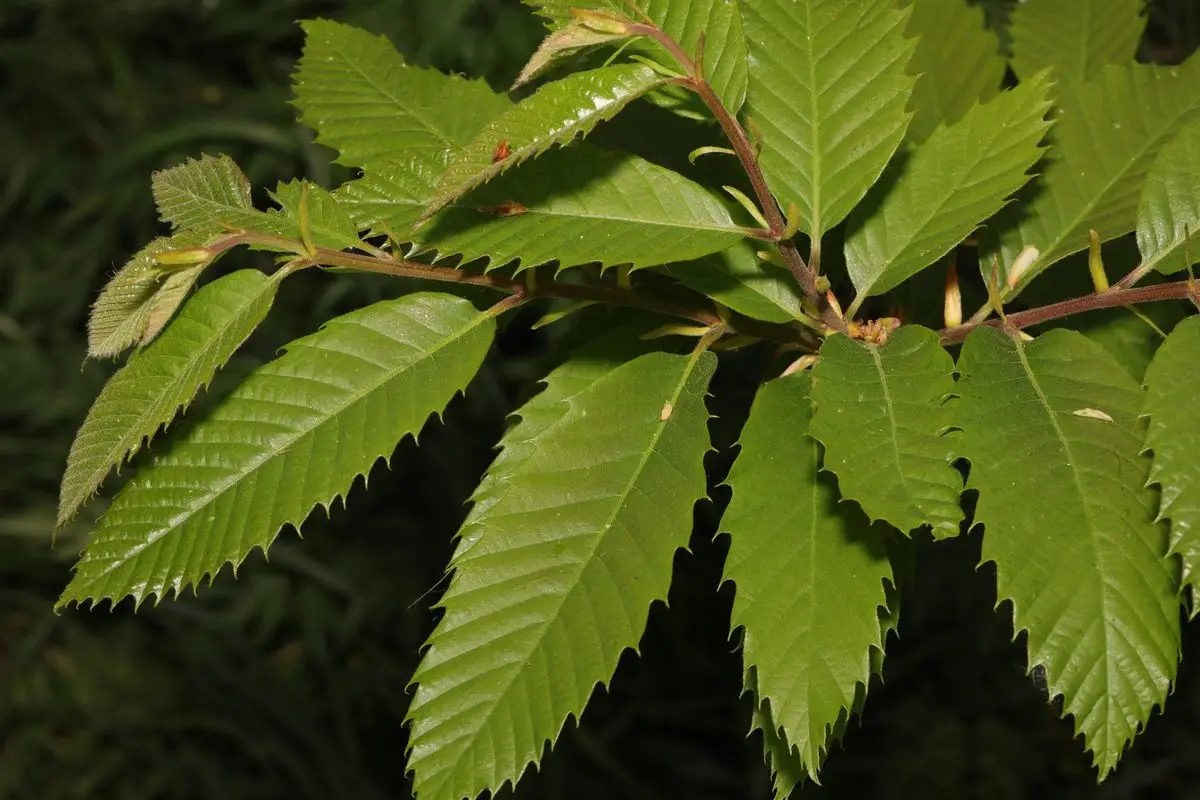
Ulmus minorField elm is now rarely seen full-grown, because Dutch elm disease has killed most of Britain's elms. It survives as young stems in hedges, with oval leaves lopsided at the base.
How to identify field elm →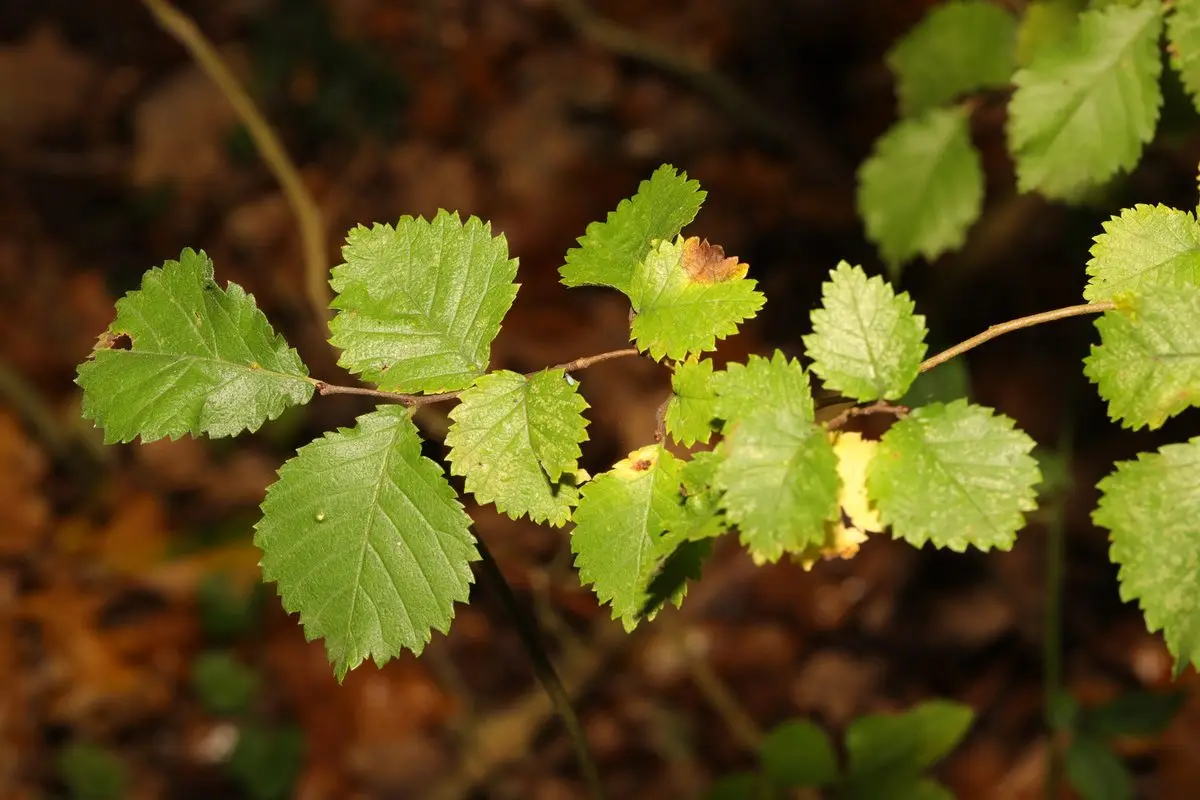
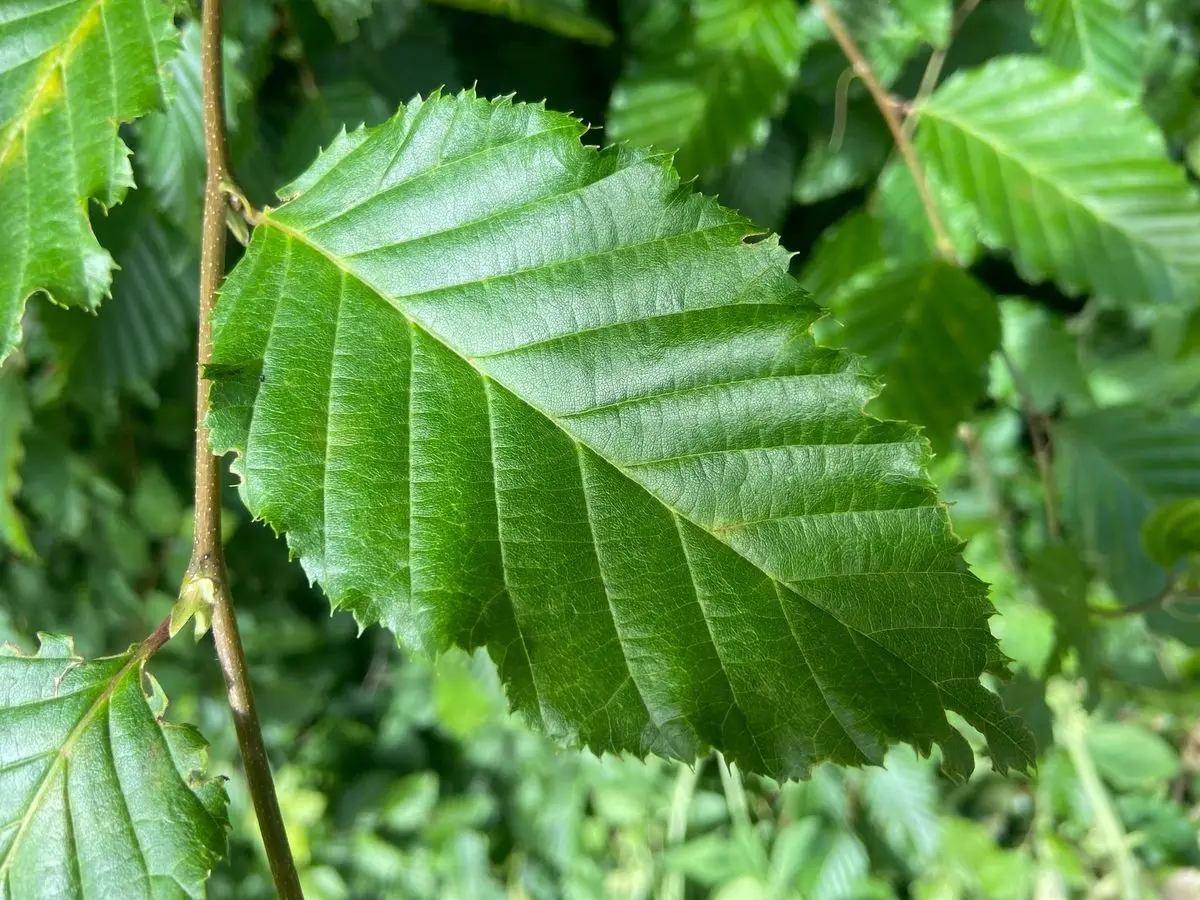 Joss Carr, CC BY 4.0
Both have oval, toothed leaves that look much alike at a glance.
The quickest check is the leaf surface. Field elm: smooth and glossy above. Hornbeam: matt, creased by deep-set veins. No leaves on the tree? Check the older trunk.
| Look at | Field elm | Hornbeam |
|---|---|---|
| Leaf surface | Smooth and glossy above | Matt, creased by deep-set veins |
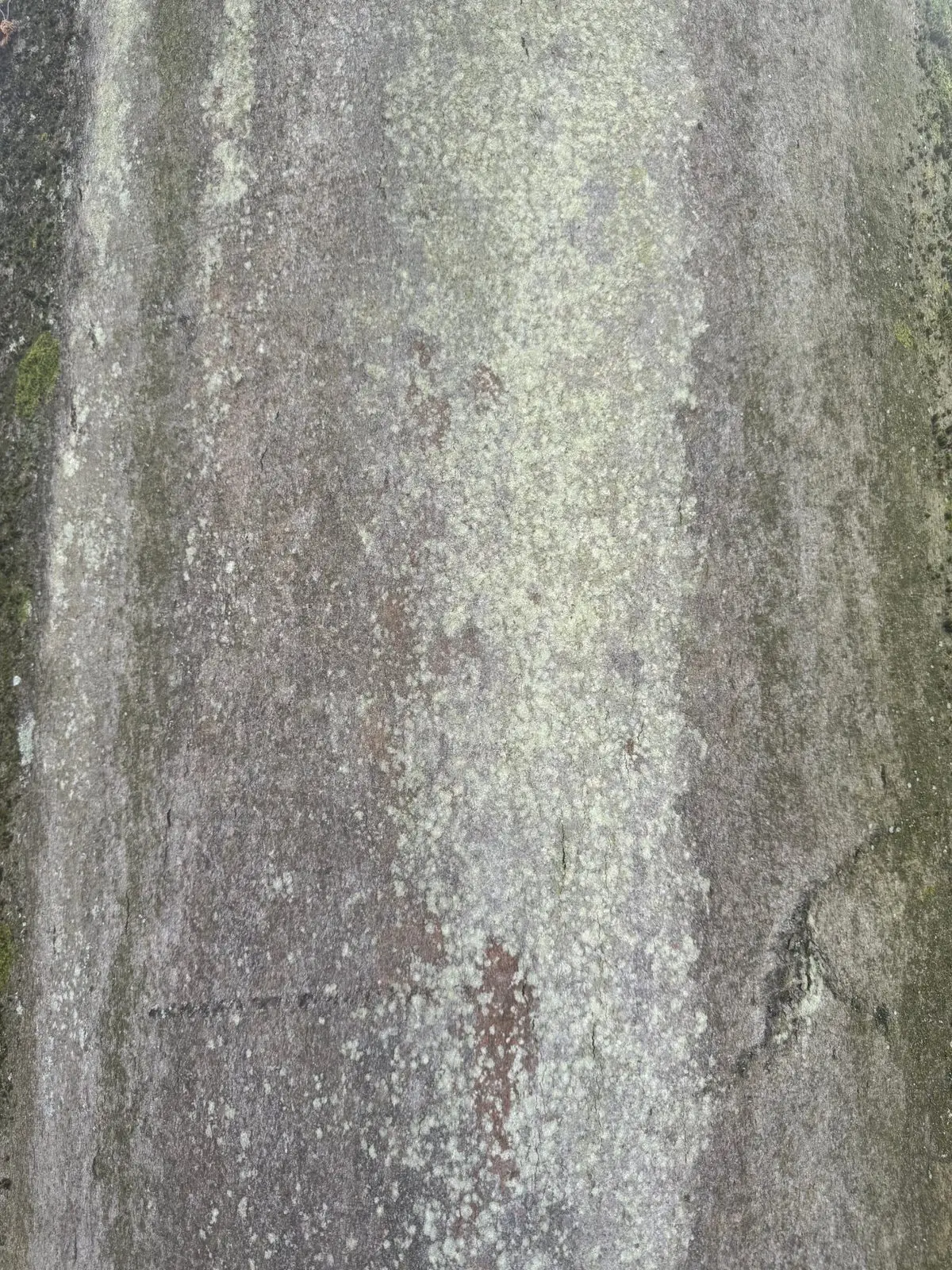
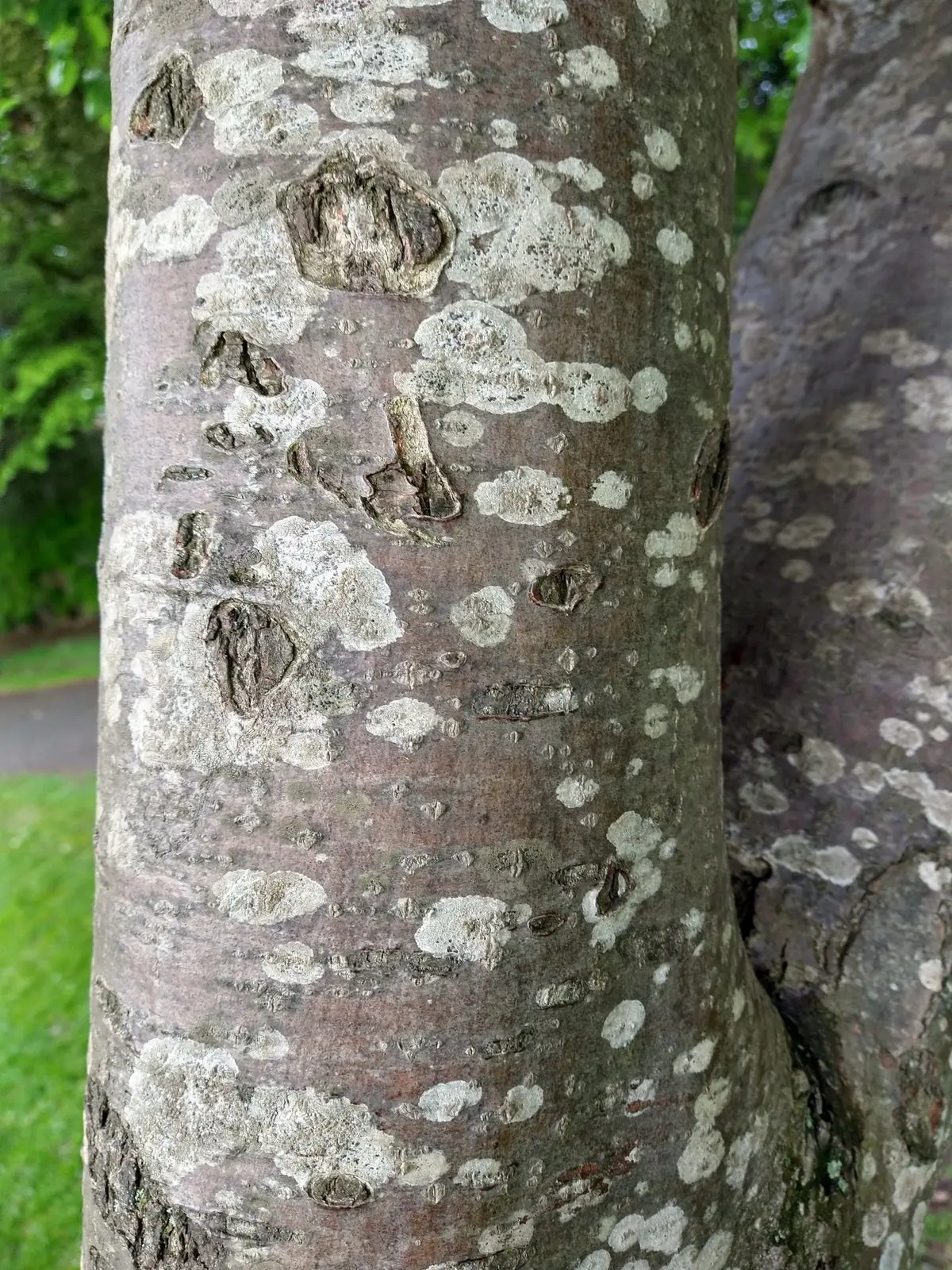
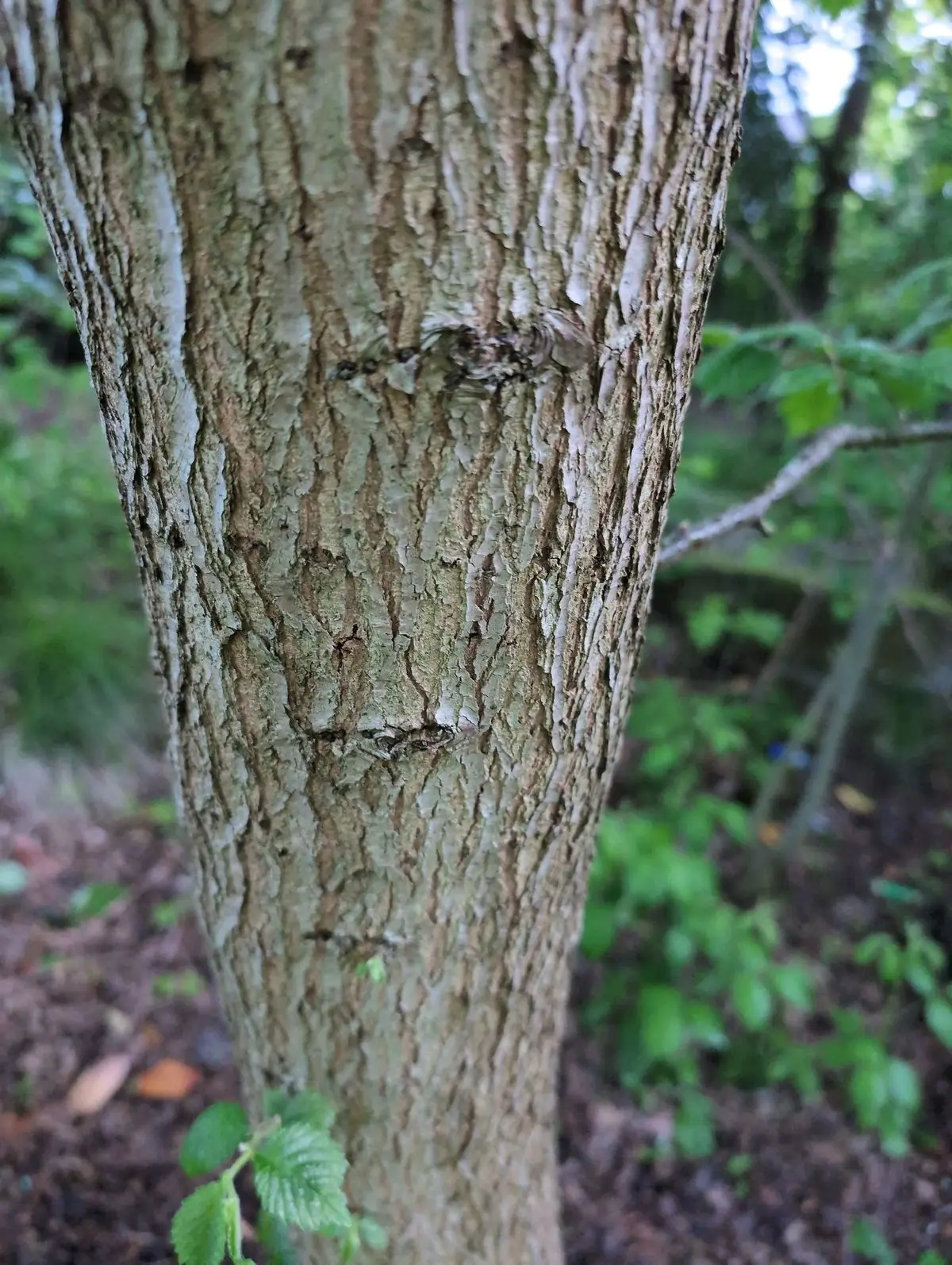
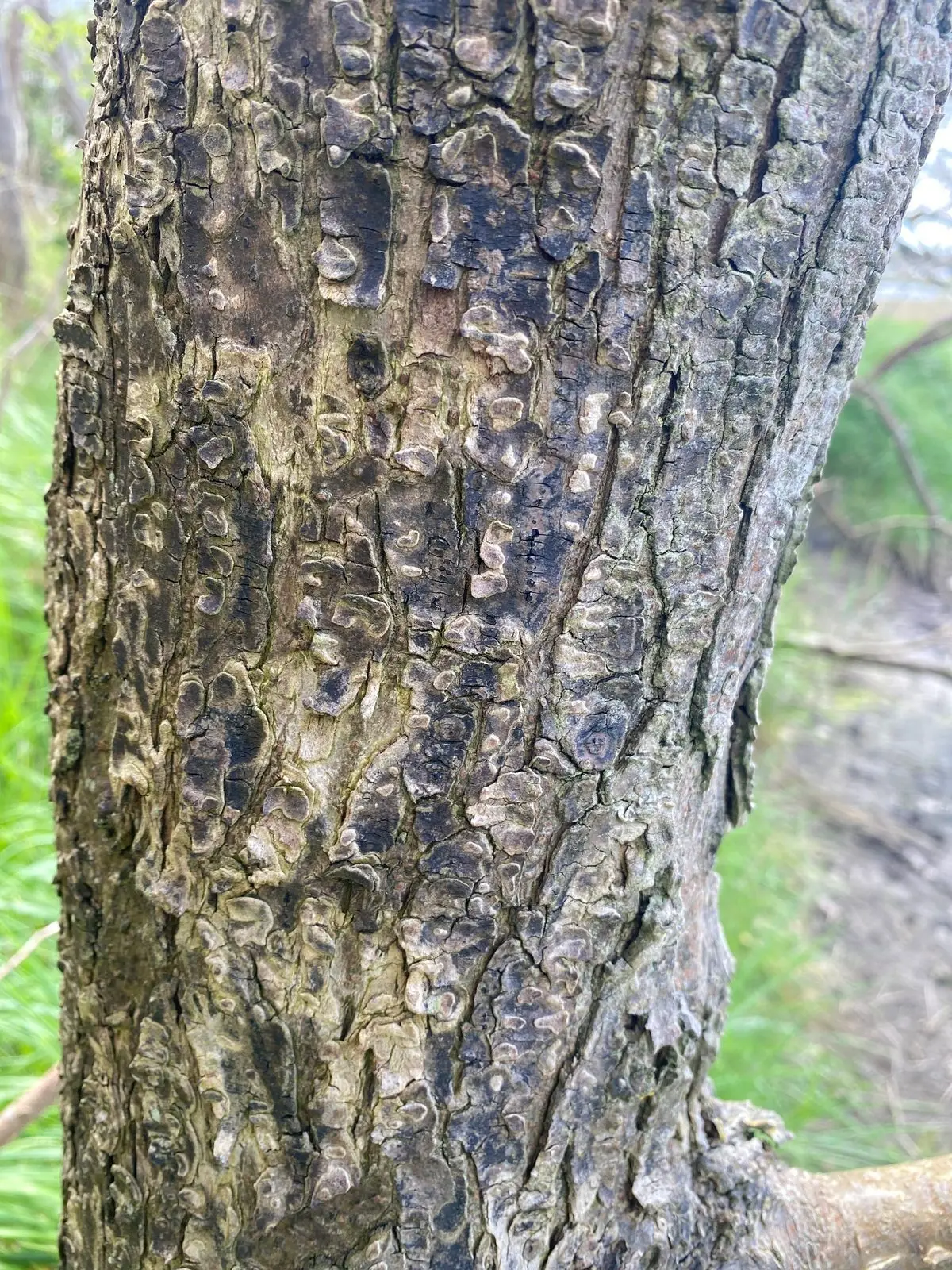
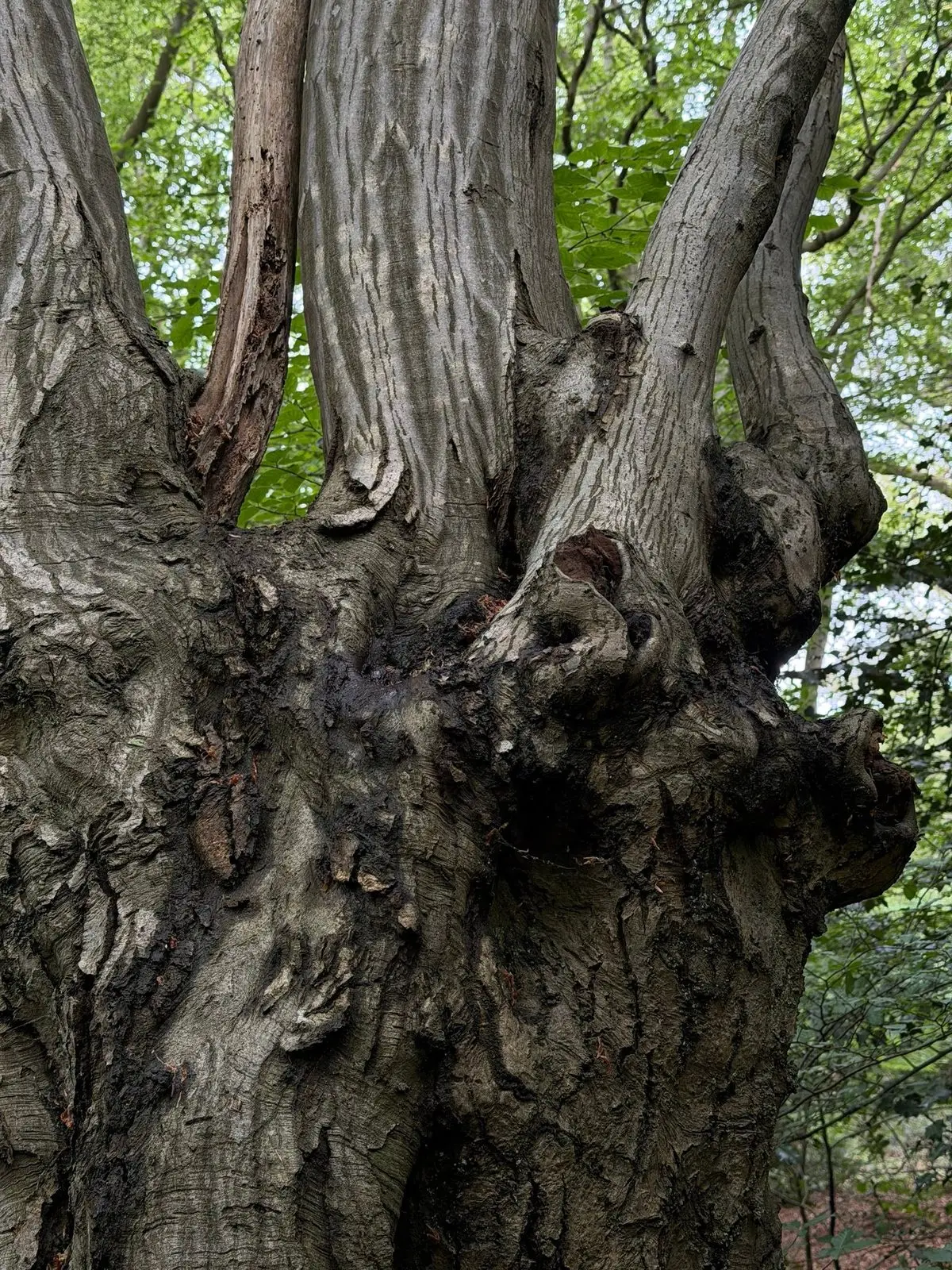
| Older trunk | Greyish brown, ridges crossing into blocks | Smooth grey over ridges and hollows |
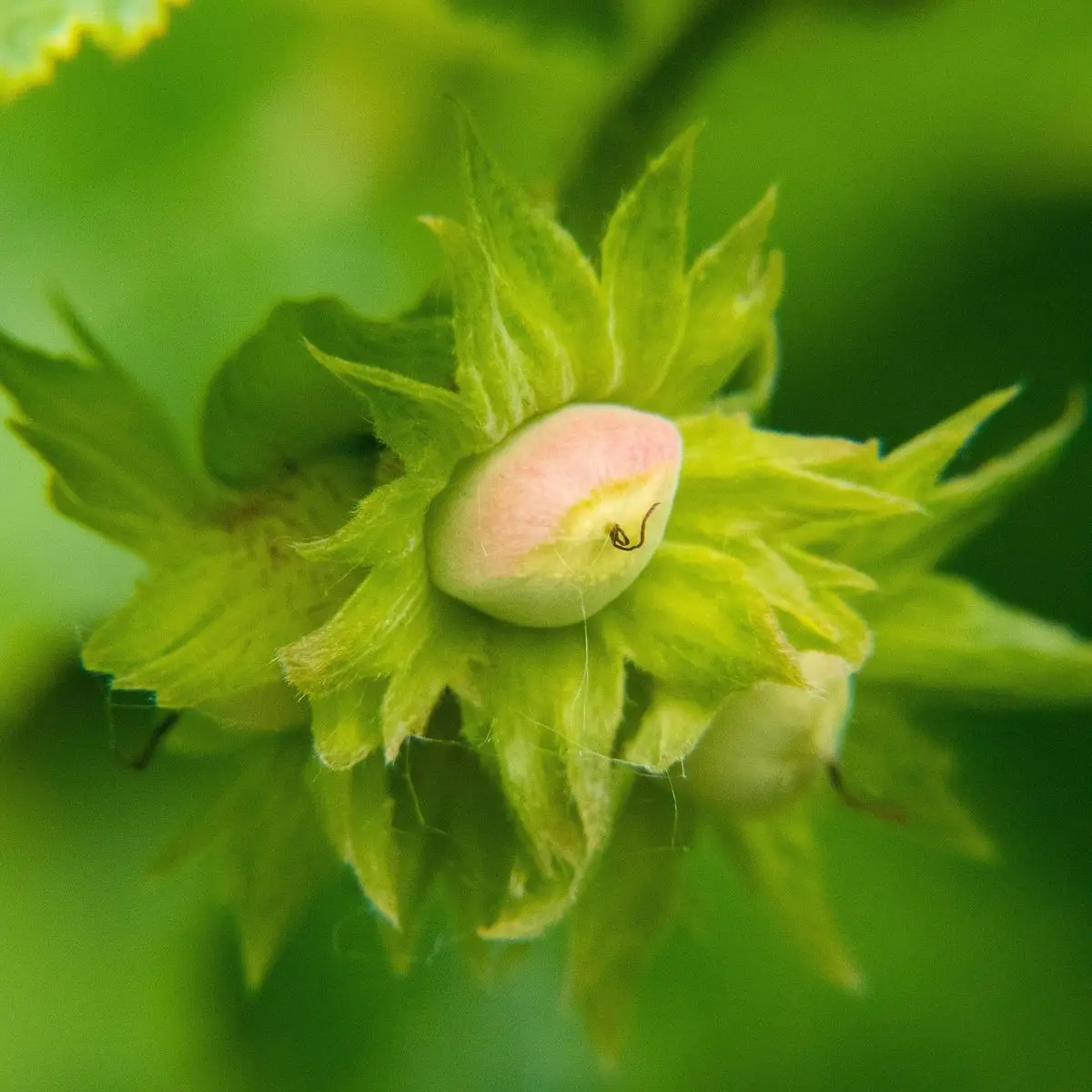
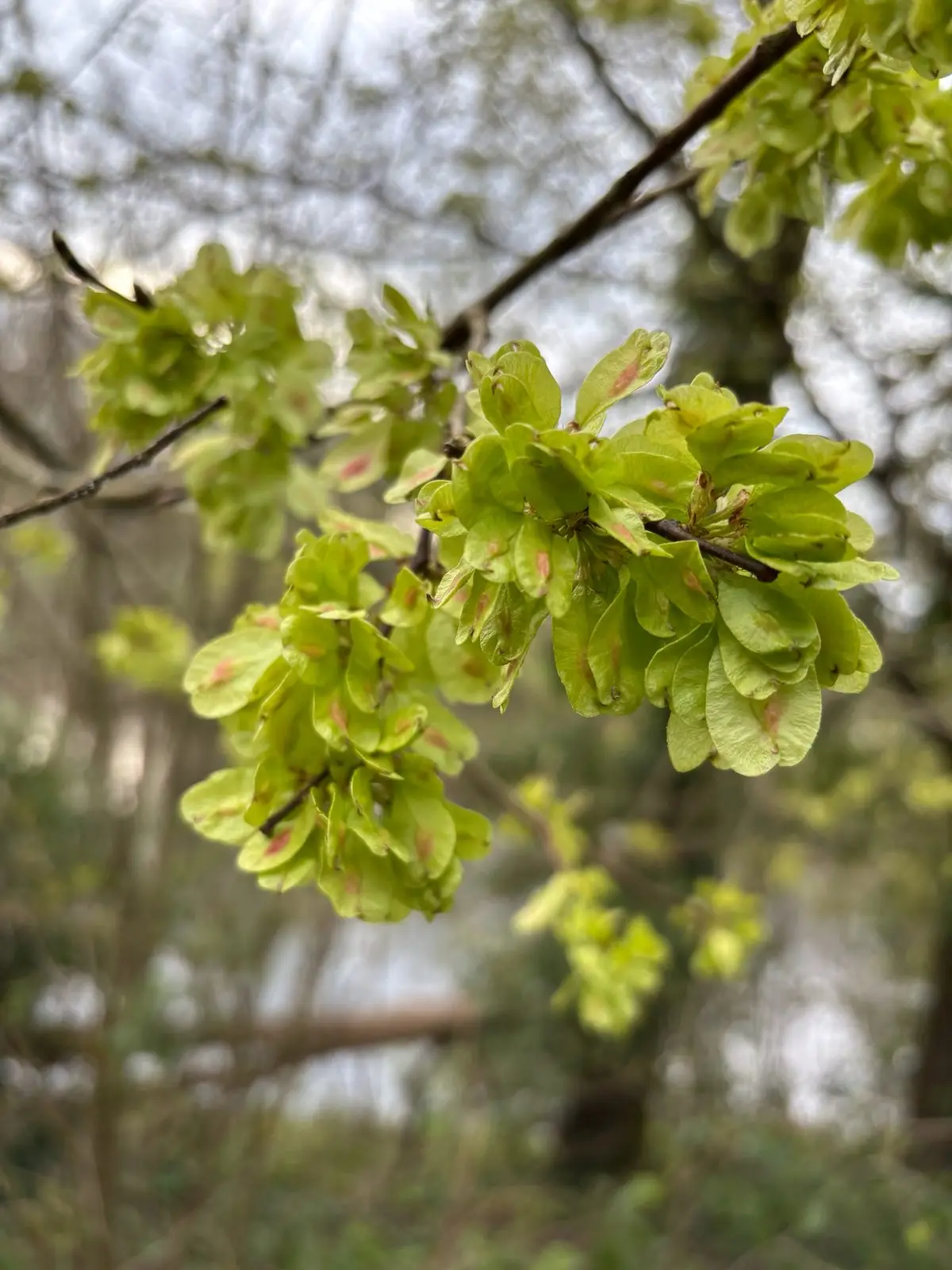
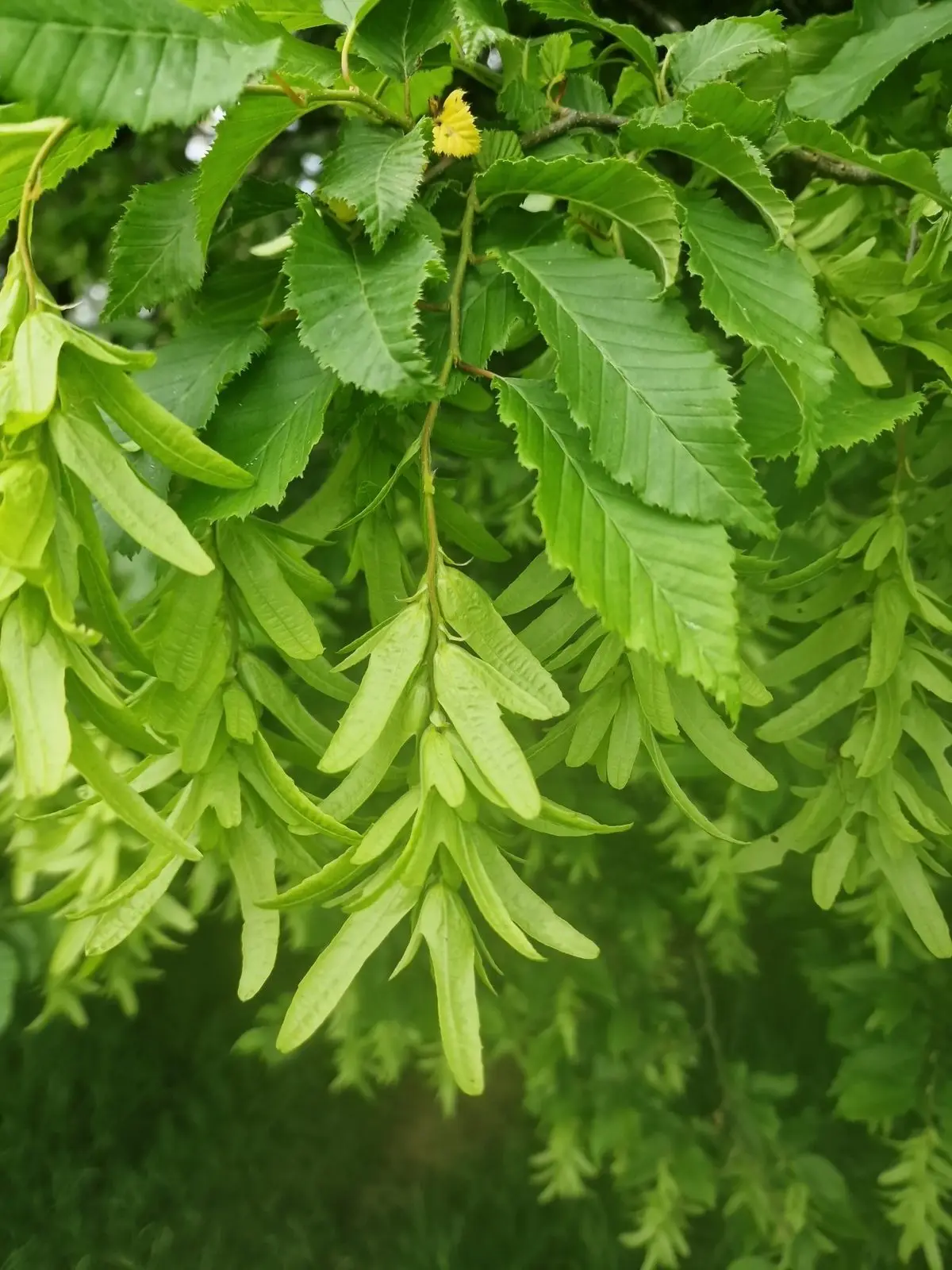
| Seed and its wing | Seed in a flat papery disc | A small nut on a three-lobed leafy flap |
Field elm is now rarely seen full-grown, because Dutch elm disease has killed most of Britain's elms. It survives as young stems in hedges, with oval leaves lopsided at the base.
How to identify field elm →Hornbeam is a broad, dense tree, often clipped as a hedge. Its smooth grey trunk is ridged like muscle, with wriggling silver or orange marks running up it.
How to identify hornbeam →Free to download.
Every fact on this page is checked against the Collins Tree Guide, last in November 2026. Spotted something that looks wrong in front of a real tree? Tell us. How we check.
Photographs: steve_mcwilliam (CC0), Joss Carr (CC BY 4.0), Wendy Herniman (CC BY 4.0), Ewan Shilland (CC BY 4.0), Jose Gutierrez Higa (CC BY 4.0), anniet39 (CC0). With thanks to everyone who shares their photographs on iNaturalist and Wikimedia Commons.