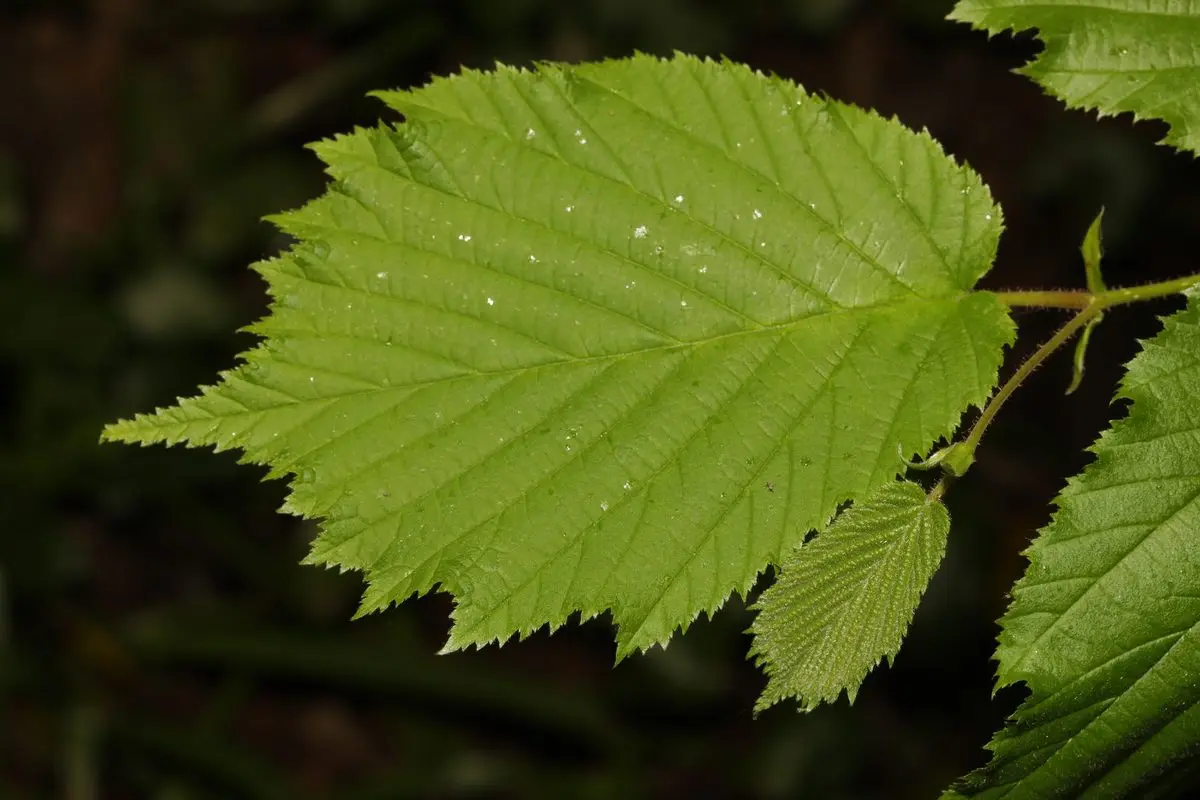
Hornbeam leaves are oval and short-pointed, creased by close, deep-set veins. Each vein runs out to a bigger tooth, with smaller teeth in between.
Native, in south-east England · Up to 30 m
Hornbeam
Carpinus betulus · Betulaceae
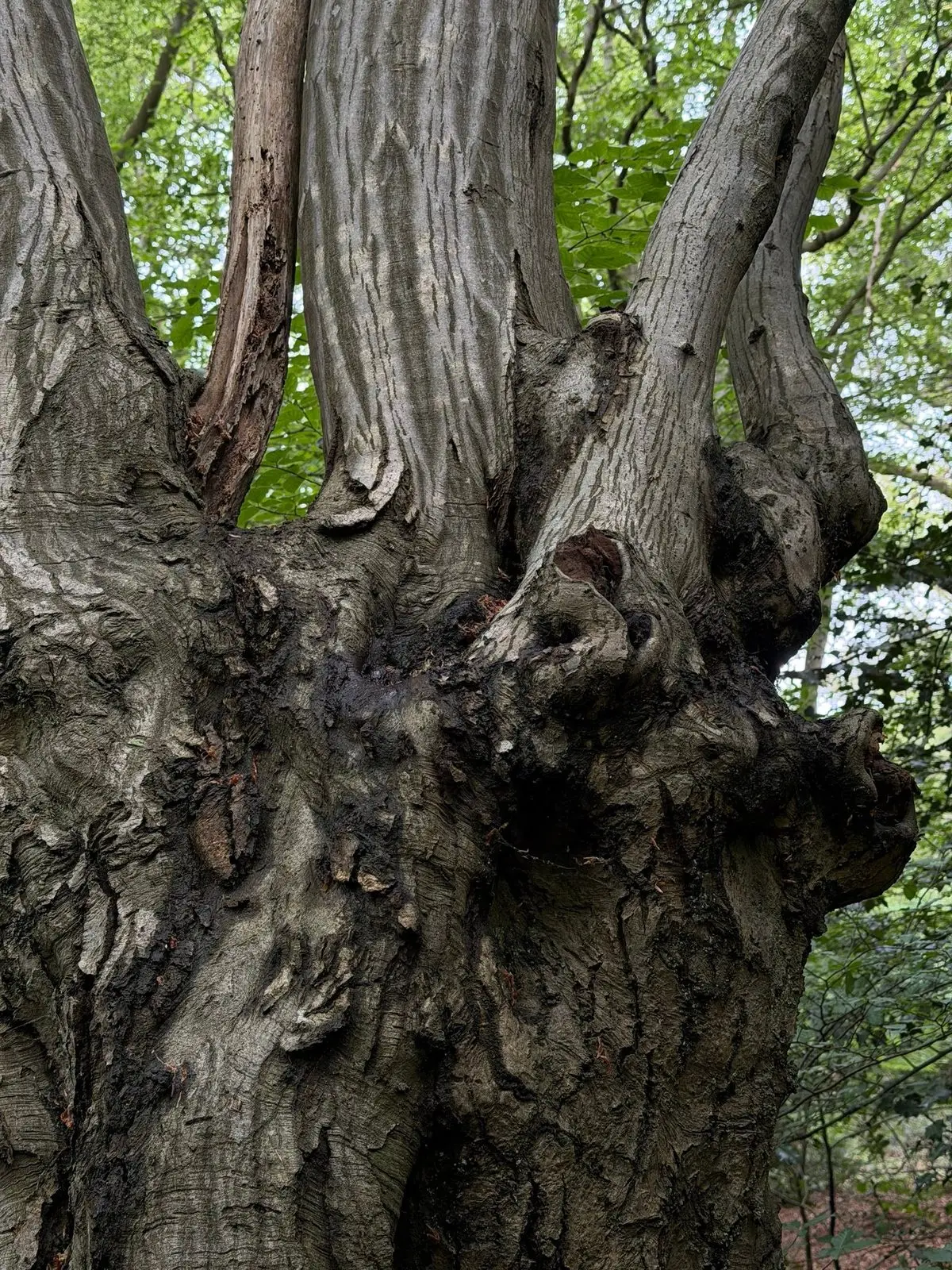
Hornbeam is a broad, dense tree, often clipped as a hedge. Its smooth grey trunk is ridged like muscle, with wriggling silver or orange marks running up it.
Often mistaken for common beech. How to tell them apart →Know it by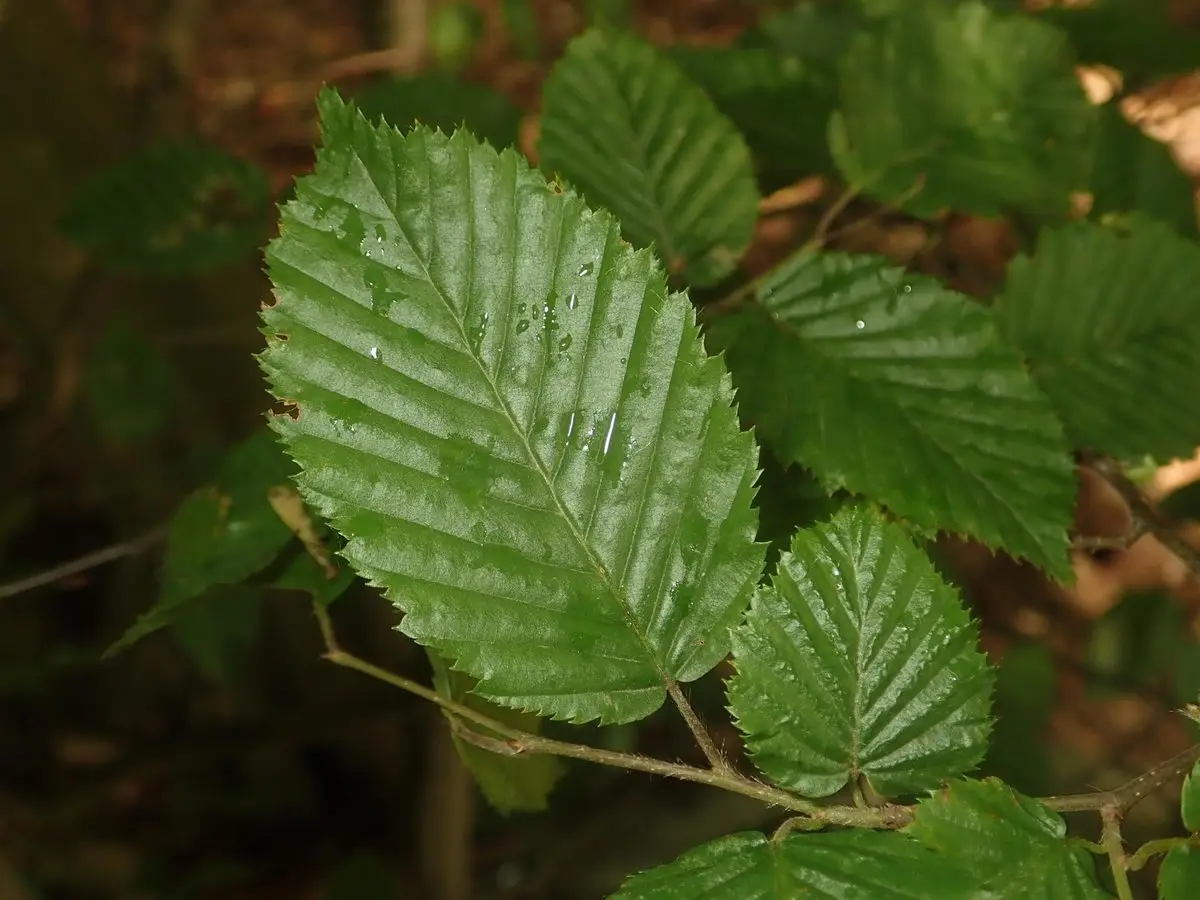 LeavesOval leaves creased by close, deep veins.
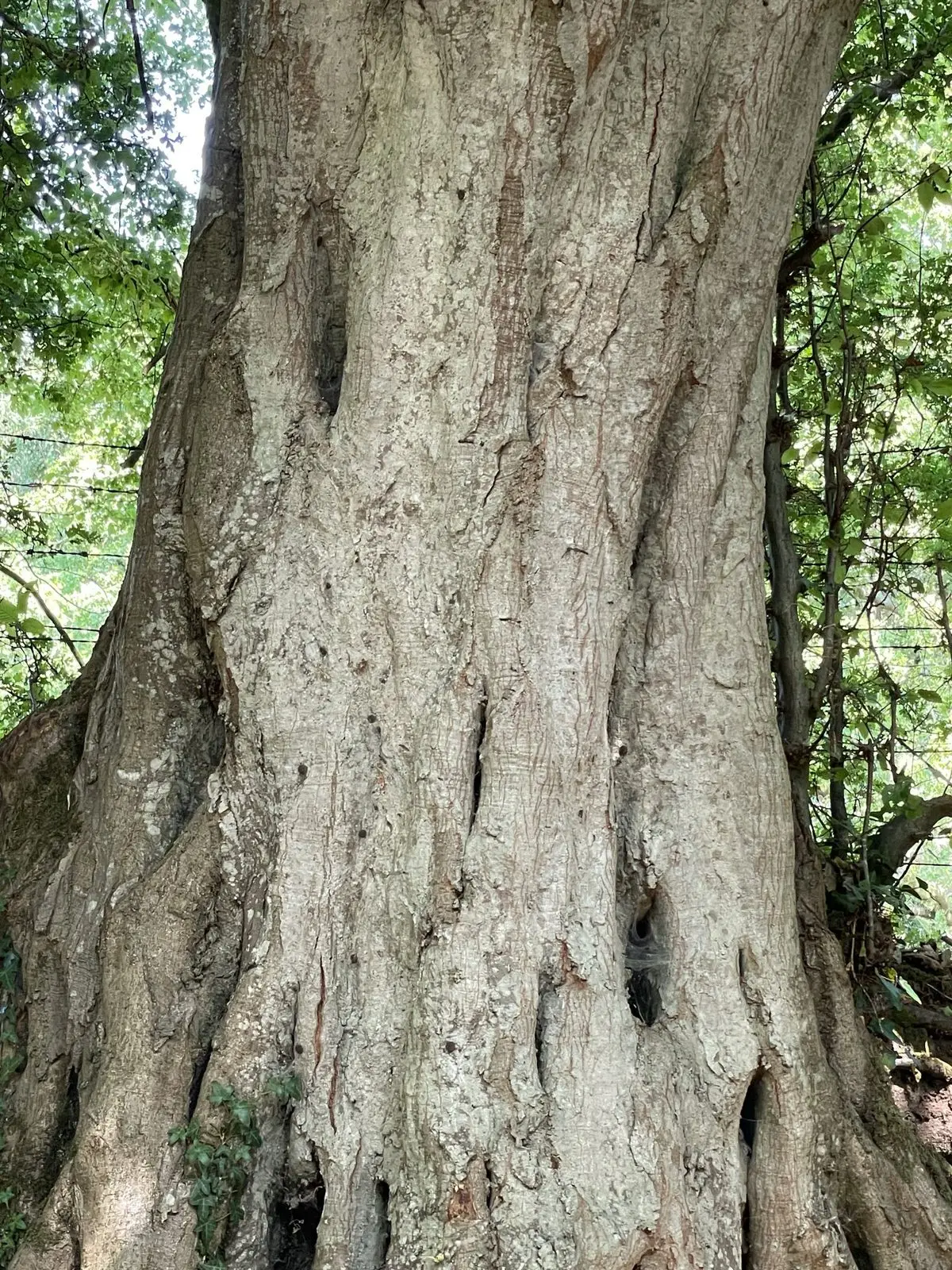 BarkSmooth grey bark over a ridged, muscly trunk.
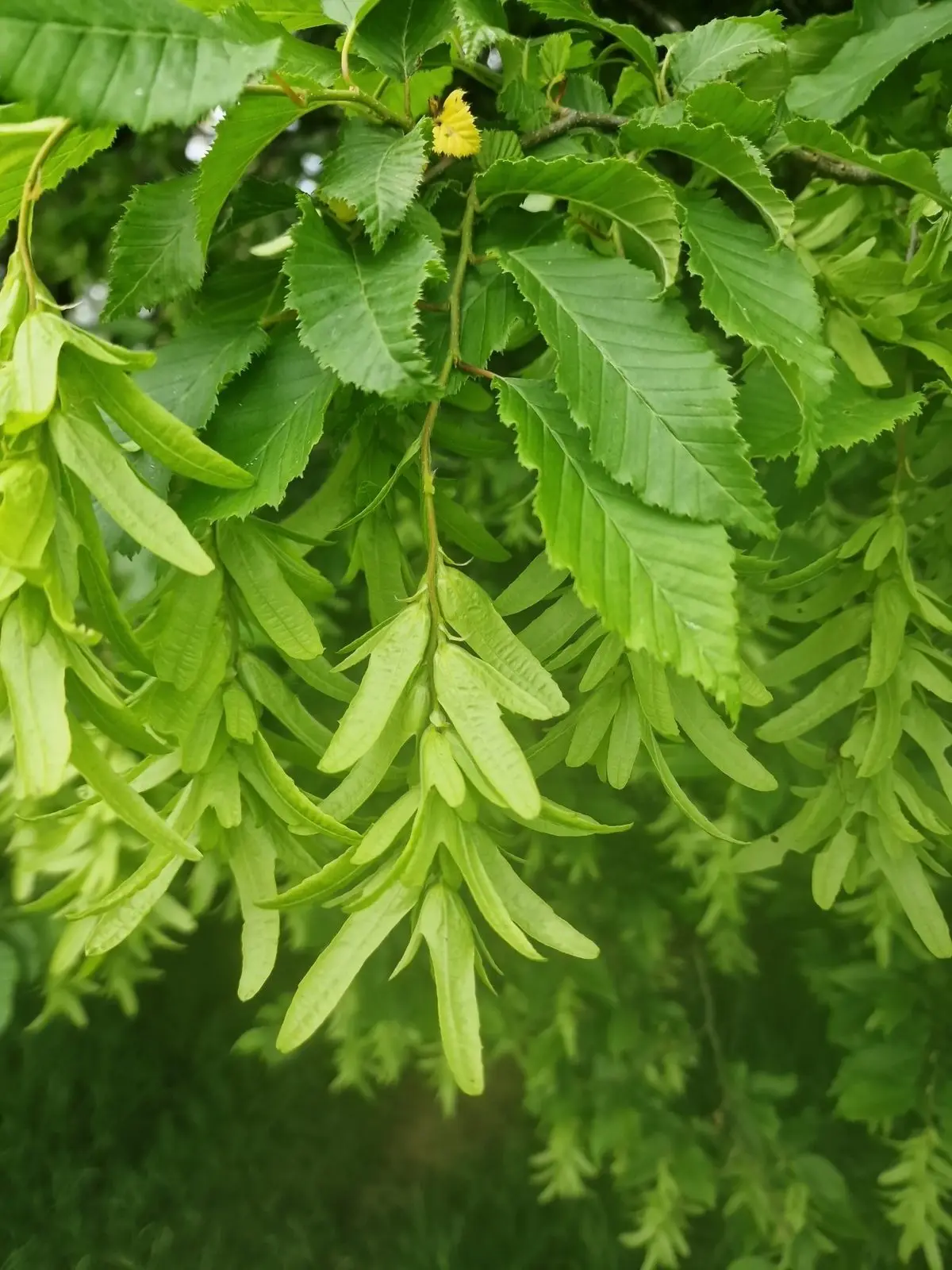
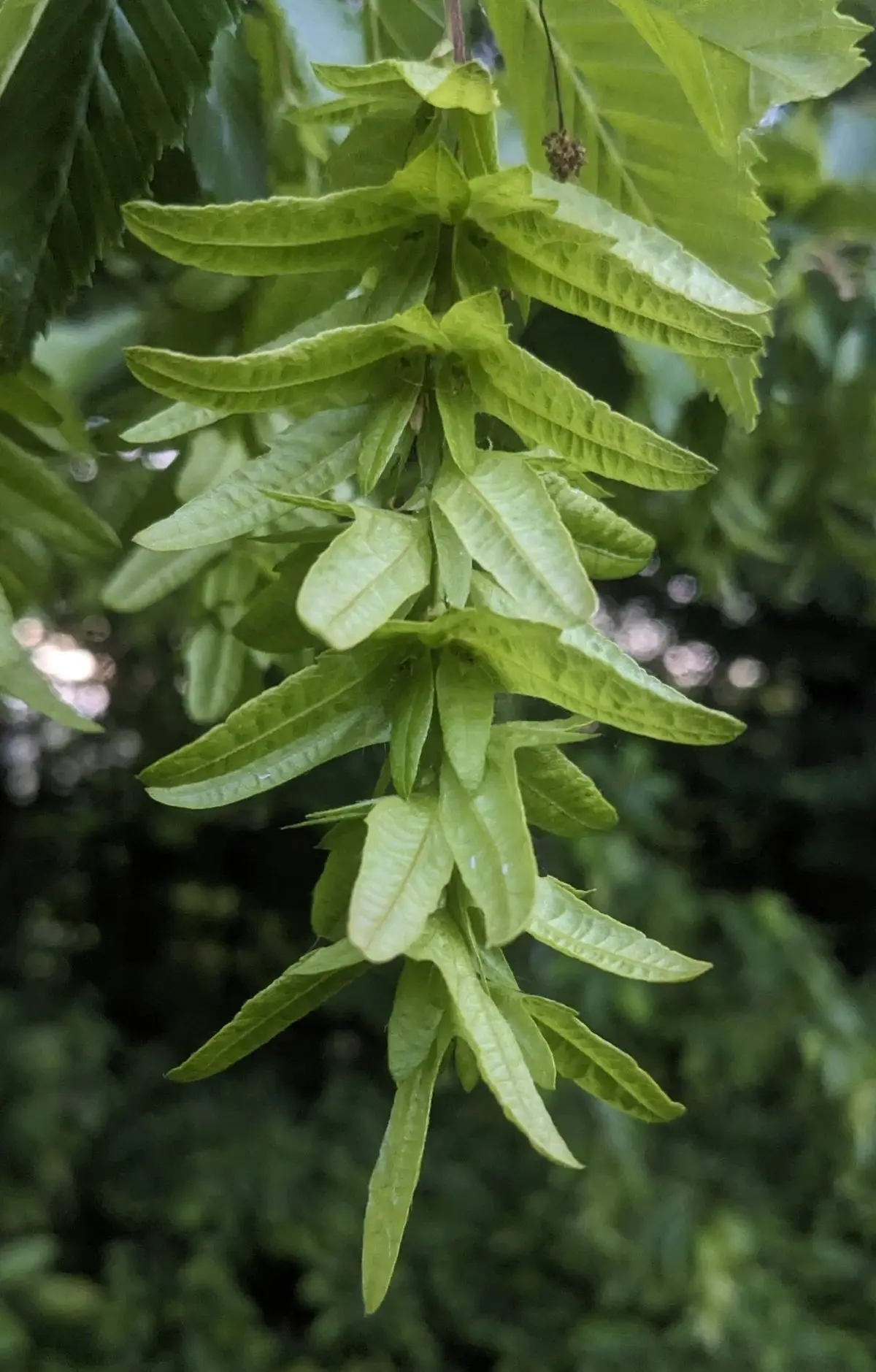 SeedsHanging clusters of three-lobed leafy flaps.
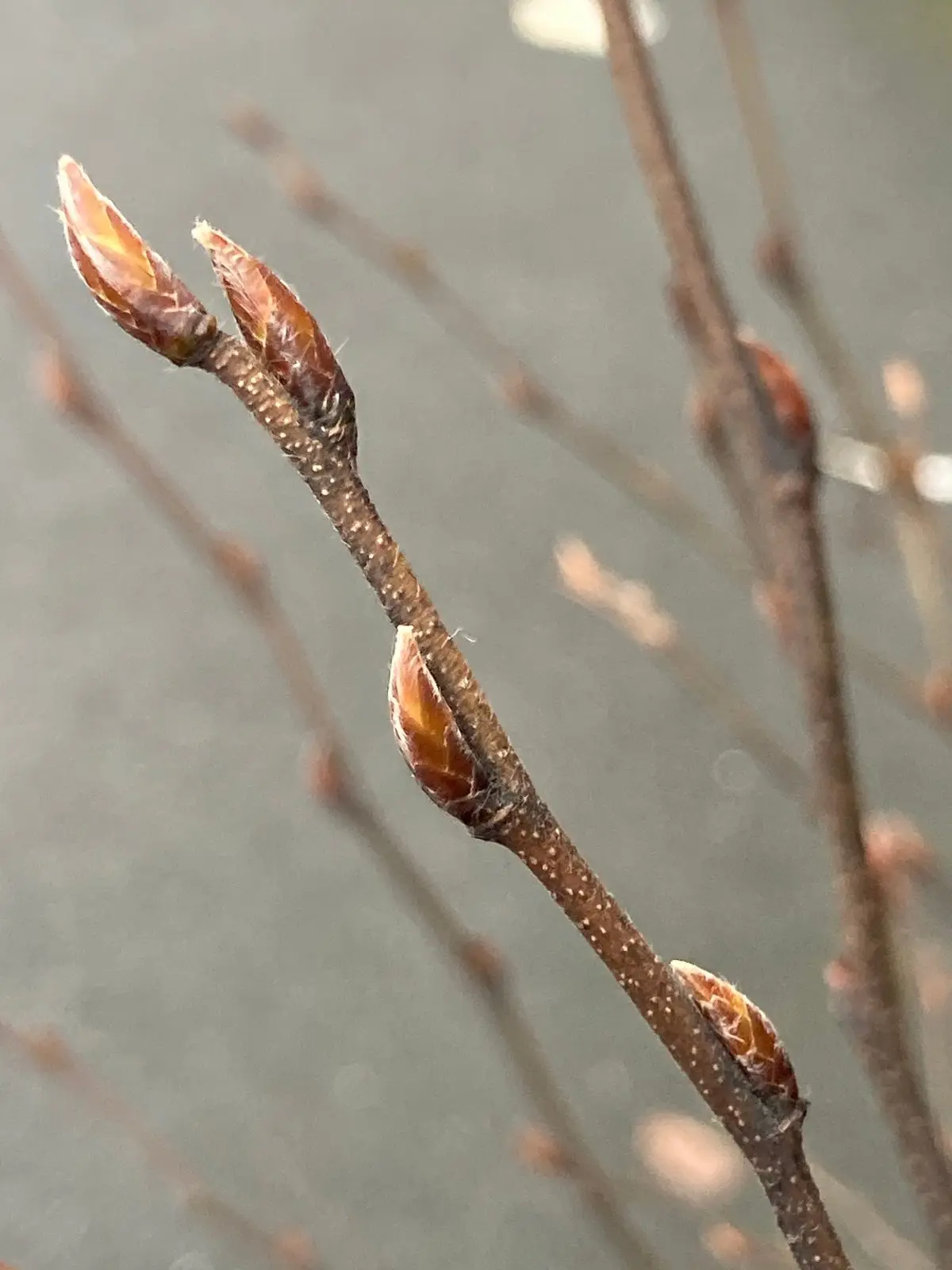
LeavesOval leaves creased by close, deep veins.BarkSmooth grey bark over a ridged, muscly trunk.SeedsHanging clusters of three-lobed leafy flaps.Then check · TwigsIn winter, slender brown buds, shorter than beech's, lie close along the shoot with their tips curved in. Beech's long buds stick out from the shoot.
How to identify a hornbeam
On all but young trees, the trunk runs in long ridges and hollows, like muscle under skin. The bark over it stays smooth and grey.
From July into autumn, clusters of leafy flaps hang from the twigs, each with a small nut at its foot. Each flap has three lobes, a long one in the middle and a short one either side.
 Learn the hornbeam in TreelyEvery part through the year, and a short round each day until you know it.Get Treely
Every part, in photographs
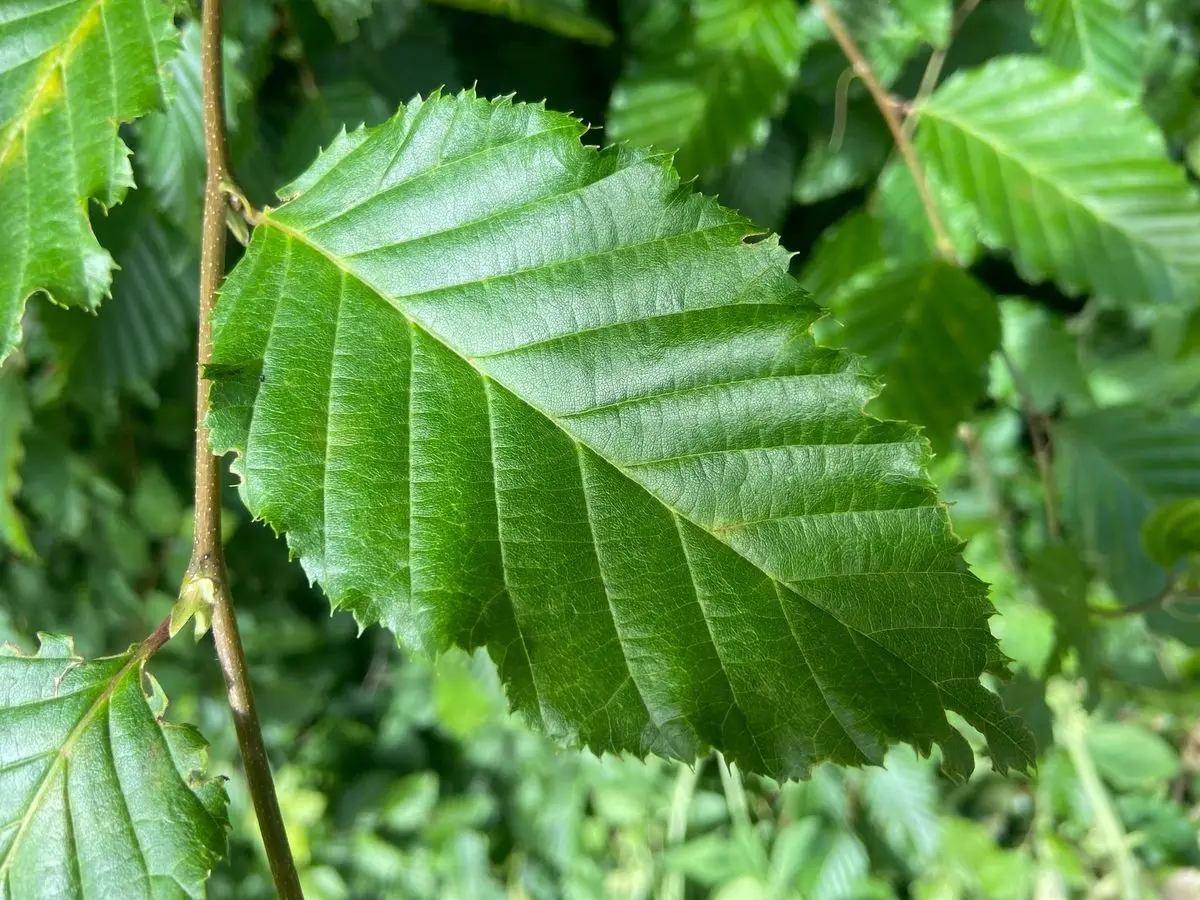 Joss Carr, CC BY 4.0
 Ewan Shilland, CC BY 4.0
 Nick Butcher, CC BY 4.0
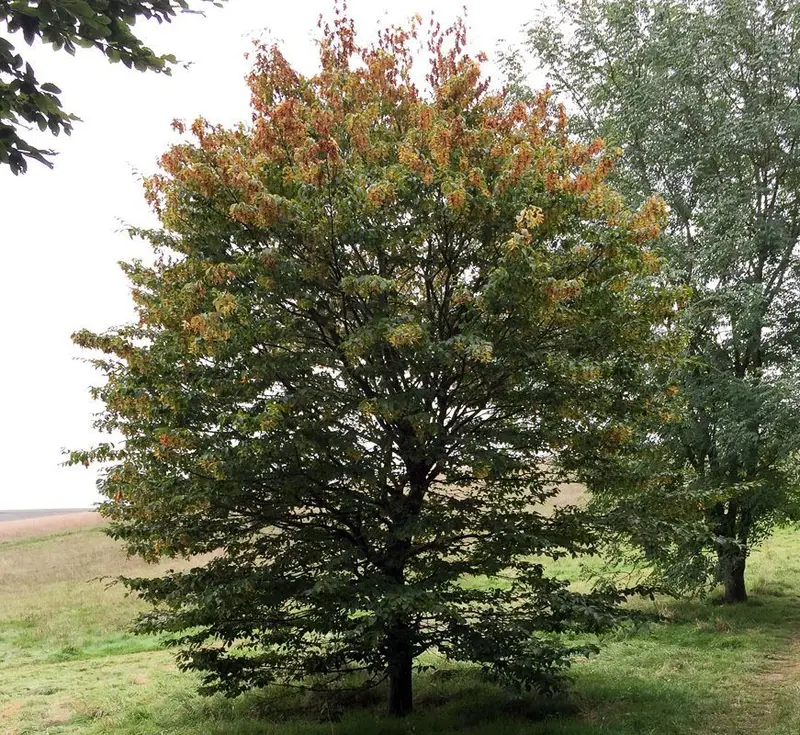 Drepanostoma, CC BY 4.0
When to look
JFMAMJJASOND
In leaf
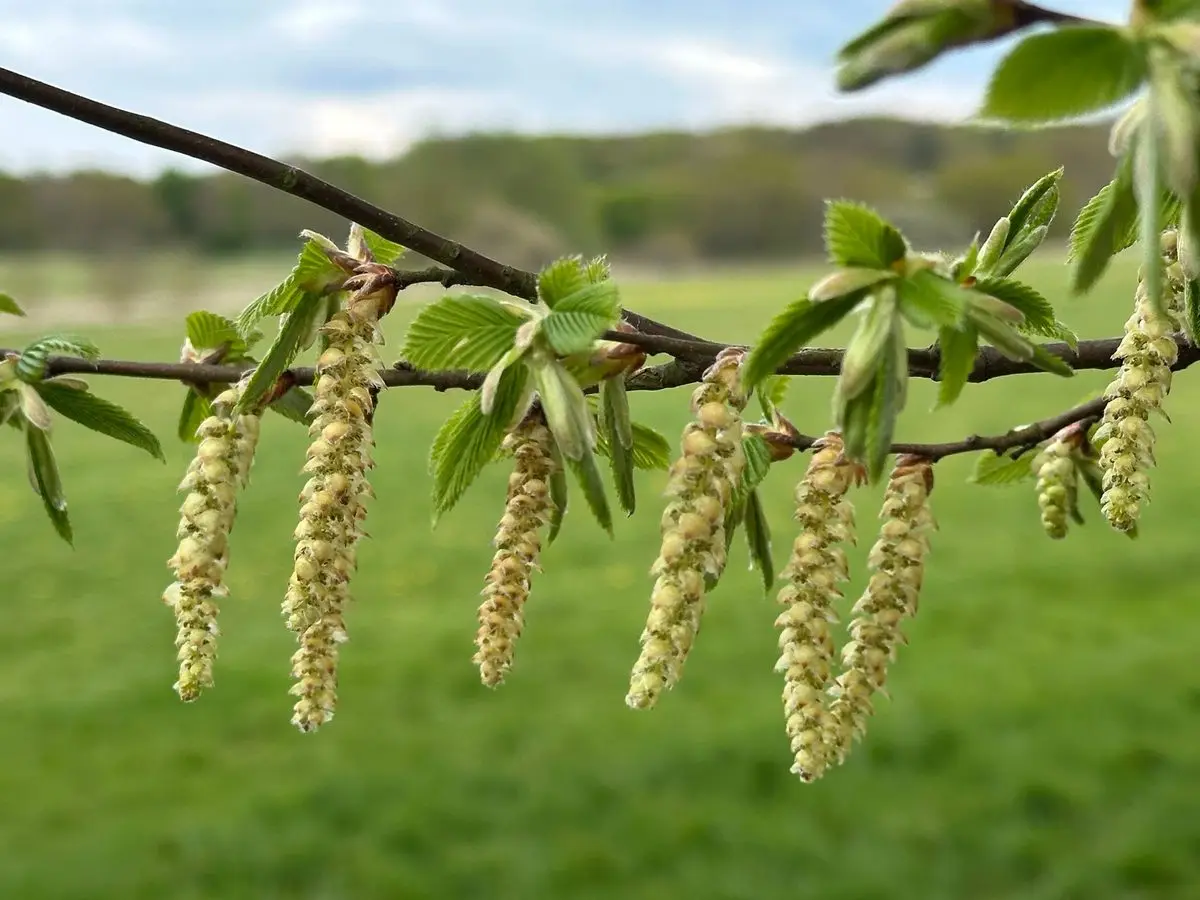
Catkins
Seeds
In leaf: March to November · Catkins: March to May · Seeds: May to November
Every tree on the calendar · How to identify trees in winter
Where you’ll find it
Woods on heavy clay, hedges and scrub. It is much planted in parks, gardens and streets, and clipped as hedging. It grows on most soils, chalk included, and stands waterlogging for part of the year.
What it’s mistaken for
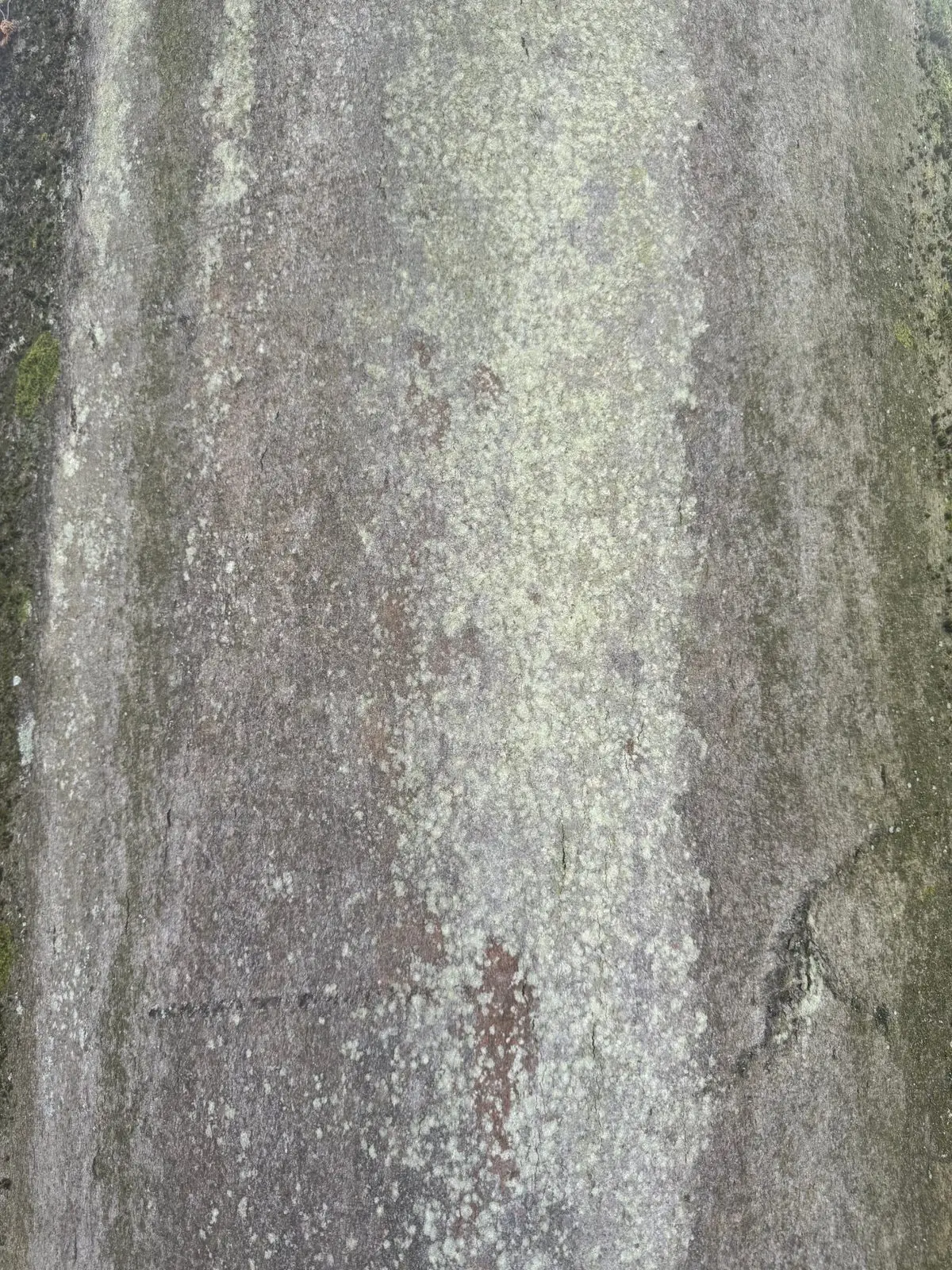 Hornbeam or common beech?Both have smooth grey bark and oval, pointed leaves, and both hold dead leaves low down in winter, when they look most alike.Trunk surface→
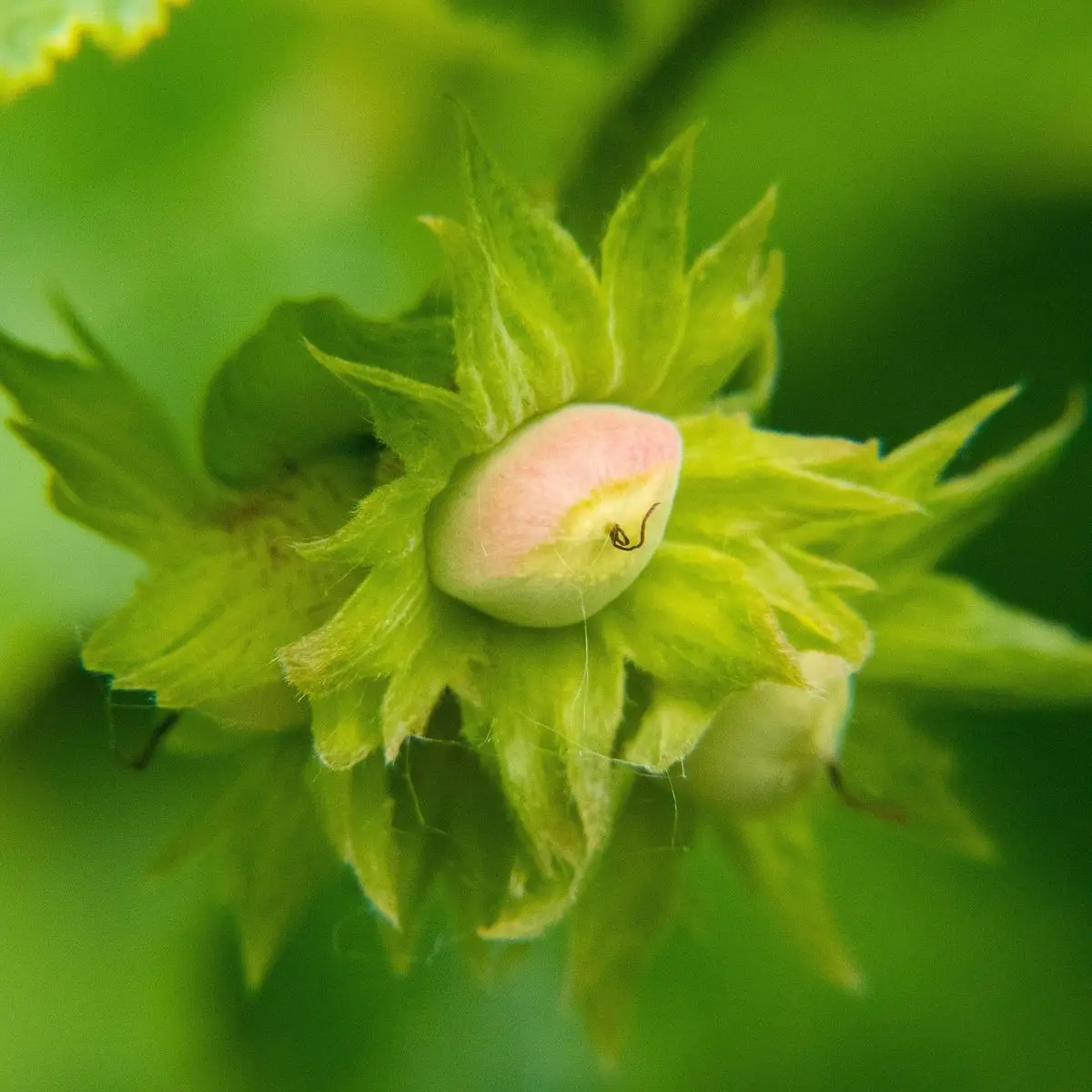 Hornbeam or hazel?Both have toothed leaves, in the same woods and hedges.What holds each nut→
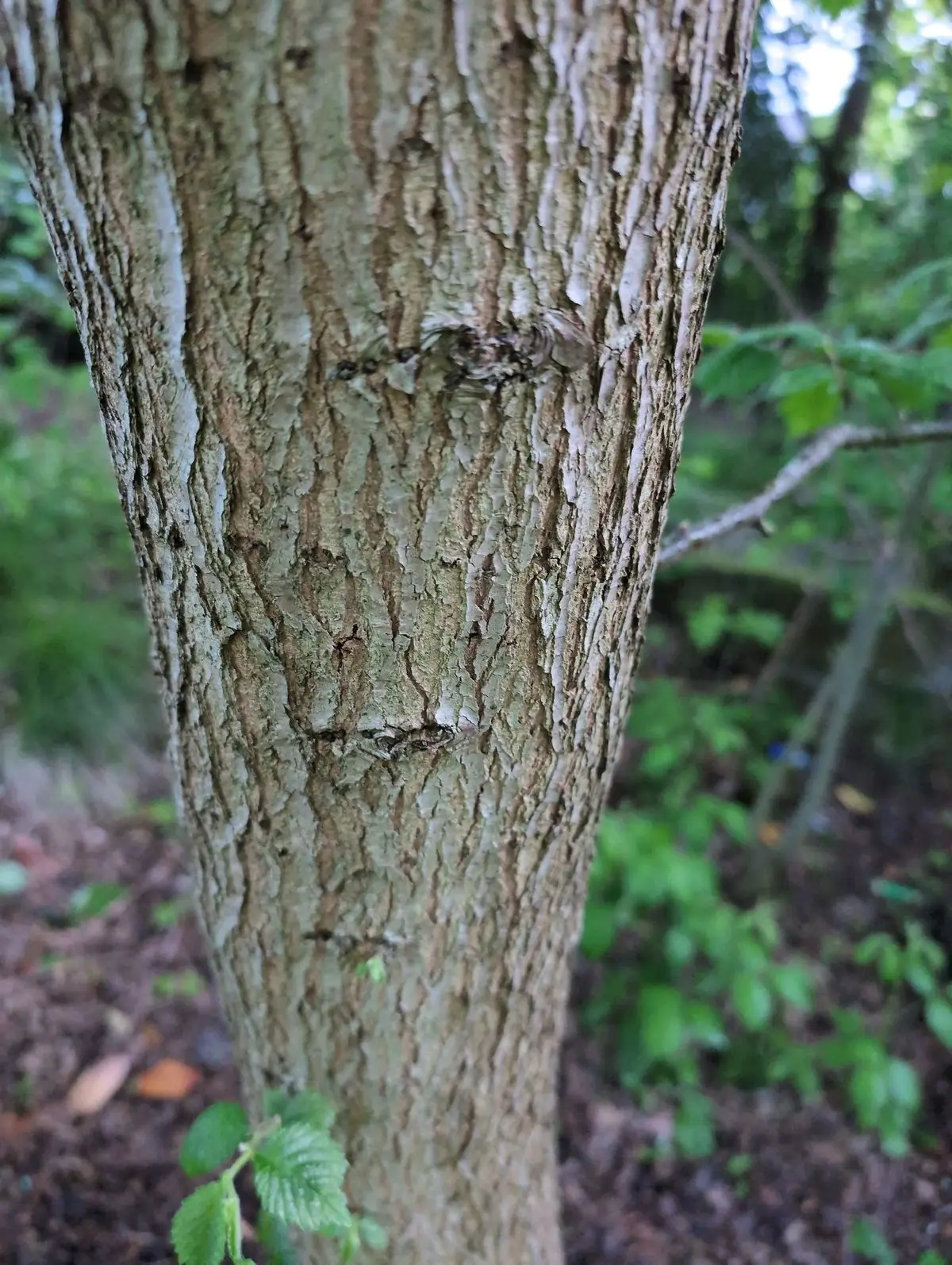 Hornbeam or wych elm?Both have leaves with big and small teeth and straight, parallel veins, and young, bushy elm can pass for hornbeam.Older trunk→
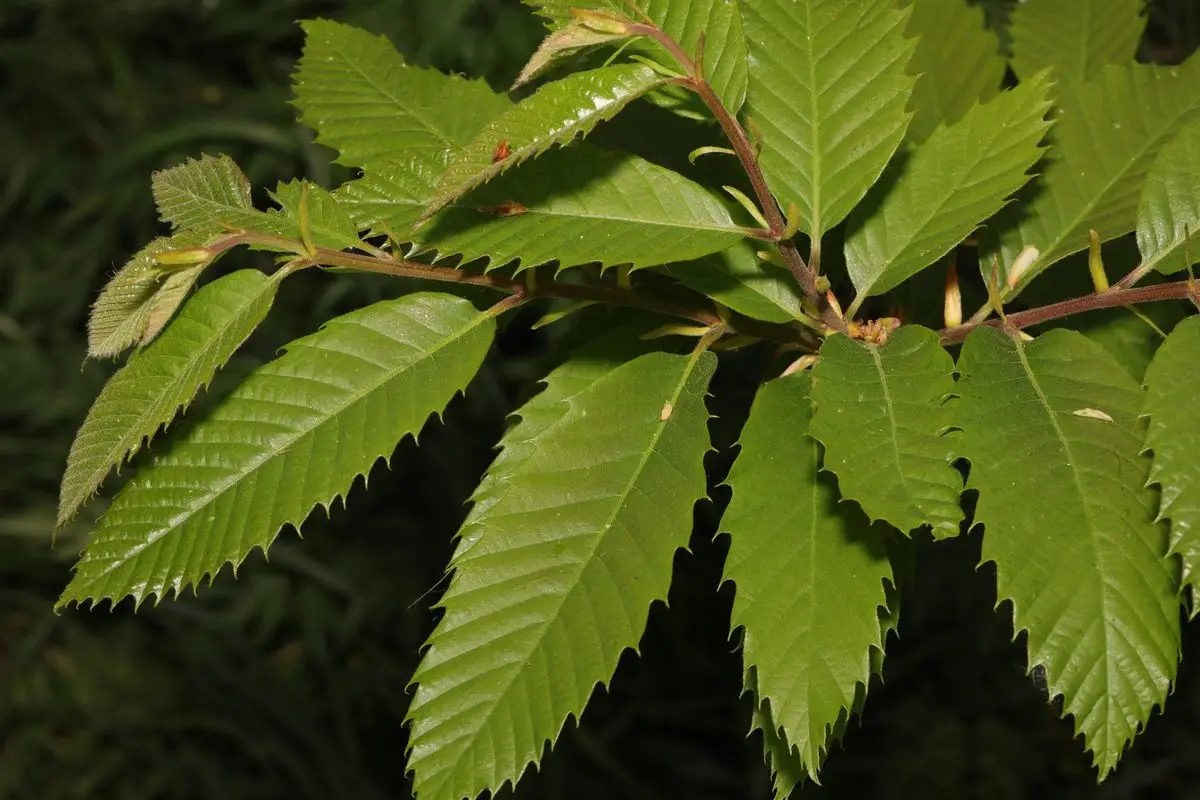 Hornbeam or sweet chestnut?Both have toothed leaves with parallel veins.Leaf length→
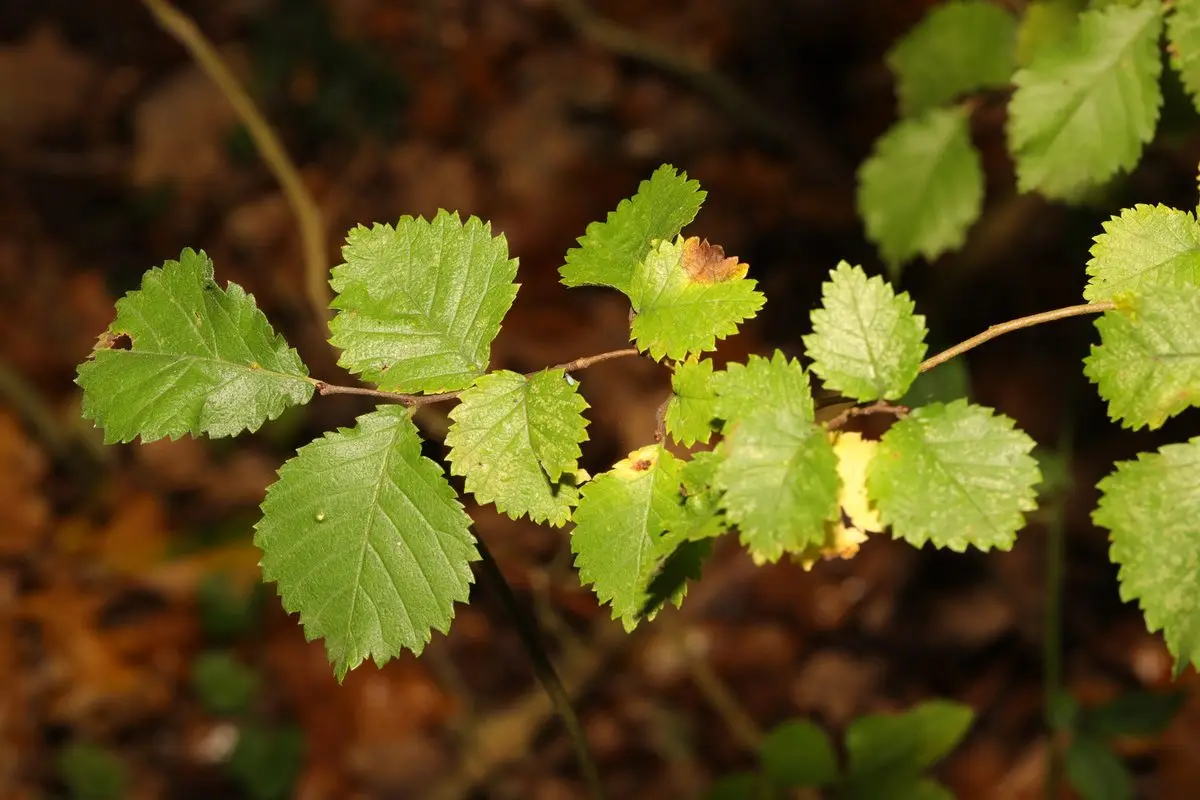 Hornbeam or field elm?Both have oval leaves with big and small teeth, in the same hedges.Leaf surface→
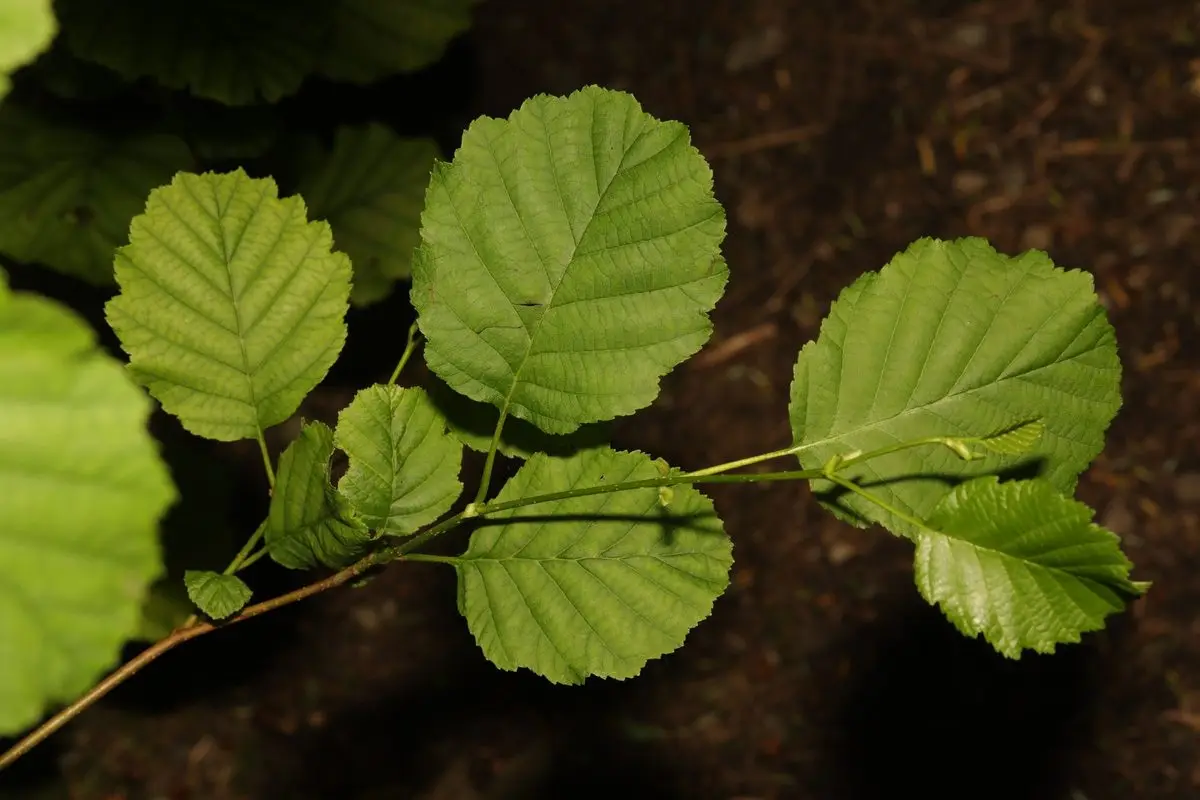
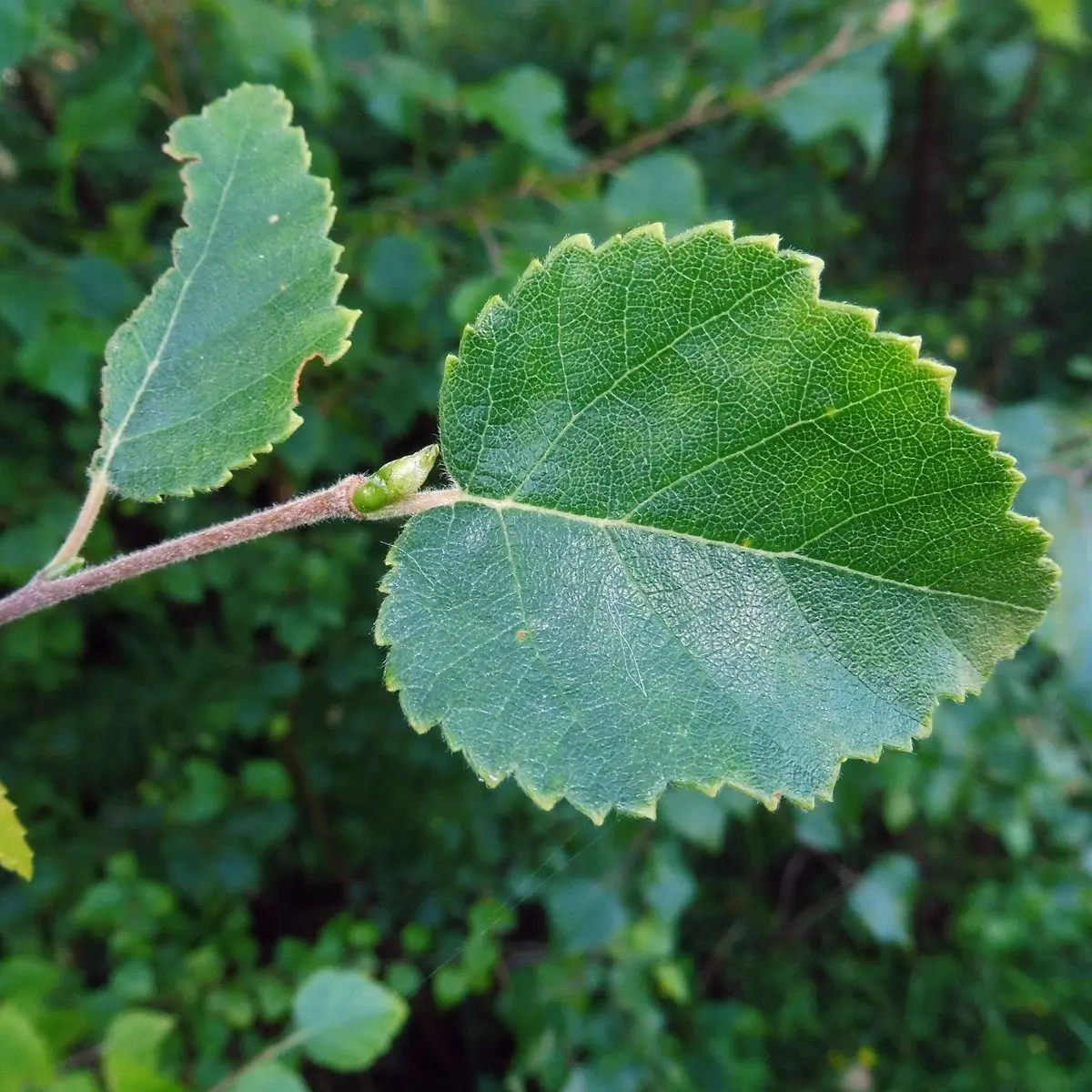
More birches, alders, hazel and hornbeam
In the app
There’s more of the hornbeam in Treely
- Every part, through the yearLeaves, bark, buds, flowers and fruit, photographed in every season
- Its lookalikes, side by sideThe checks that settle it, part by part
- A short round each dayUntil you know the hornbeam on sight, from any side
- Name it from a photoA leaf, the bark or a flower, and Treely tells you which tree
Free to download.
Every fact on this page is checked against the Collins Tree Guide, last in November 2026. Spotted something that looks wrong in front of a real tree? Tell us. How we check.
Photographs: Drepanostoma (CC BY 4.0), Alexis Tinker-Tsavalas (CC BY 4.0), Justin Cormack (CC BY 4.0), Richard Shirky (CC BY 4.0), Joss Carr (CC BY 4.0), cjoynson (CC0), anniet39 (CC0), Ewan Shilland (CC BY 4.0), Nick Butcher (CC BY 4.0), Leon Cross (CC BY 4.0), David Ashcroft (CC BY 4.0), Sinclair Laing (CC BY 4.0), steve_mcwilliam (CC0). With thanks to everyone who shares their photographs on iNaturalist and Wikimedia Commons.