Japanese larch
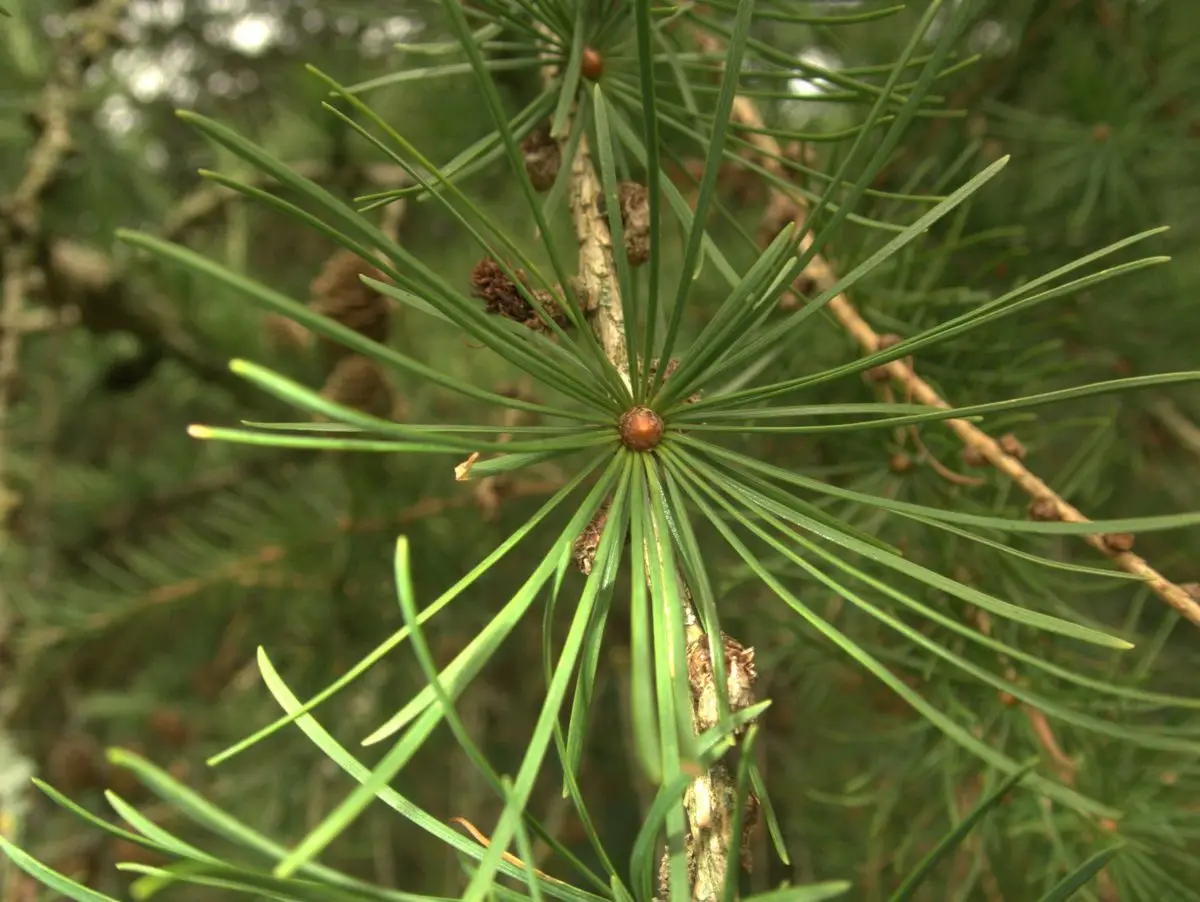
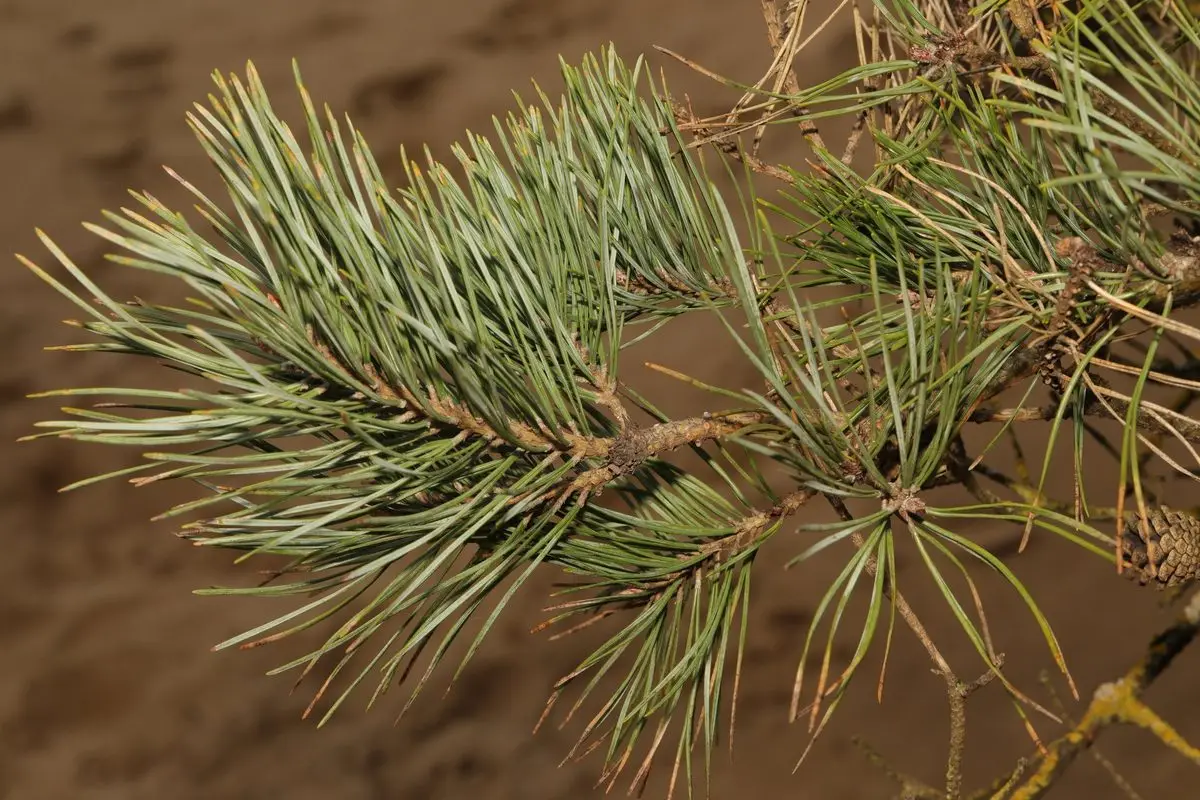
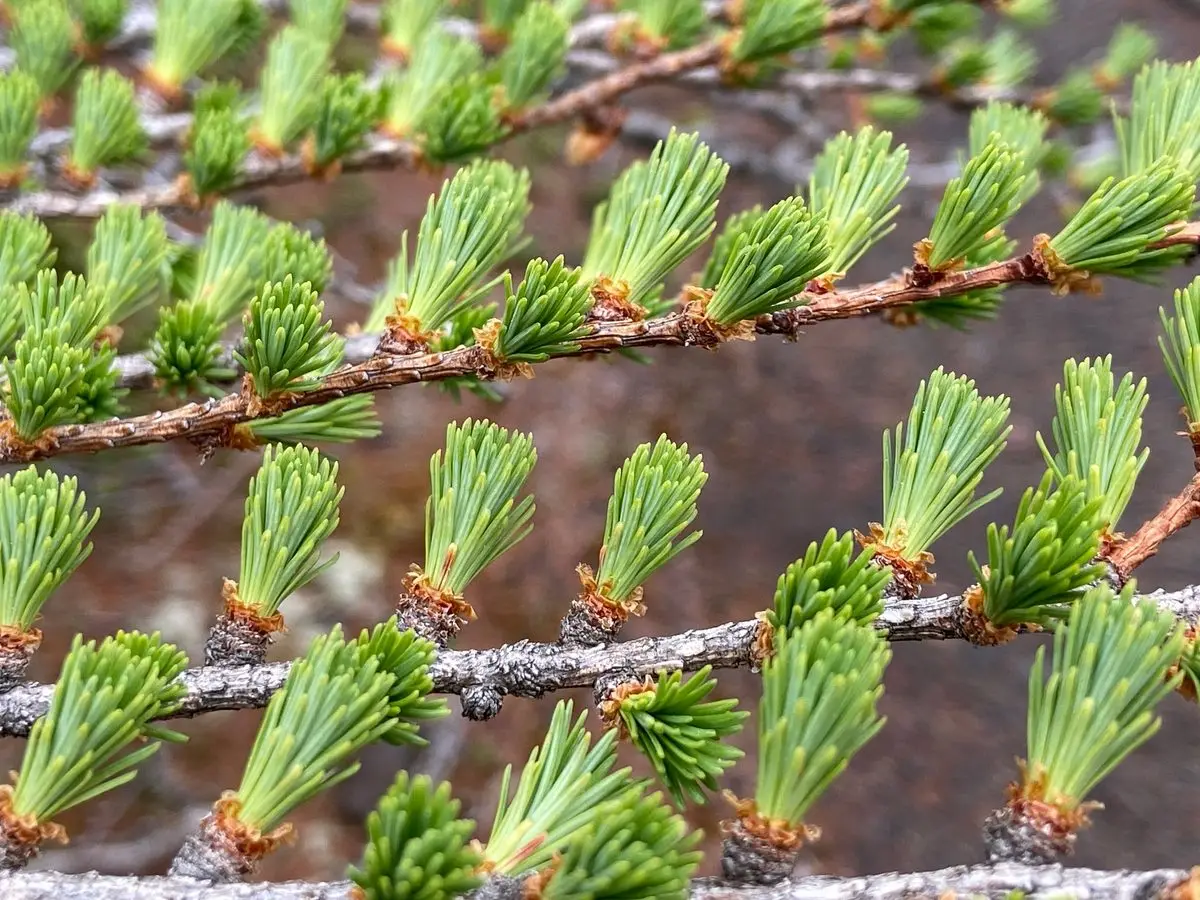
Larix kaempferiJapanese larch is a conifer planted in forests across Britain. Its dark greyish green needles all fall in autumn. Its round cones have thin scales whose tips curl out and back.
How to identify Japanese larch →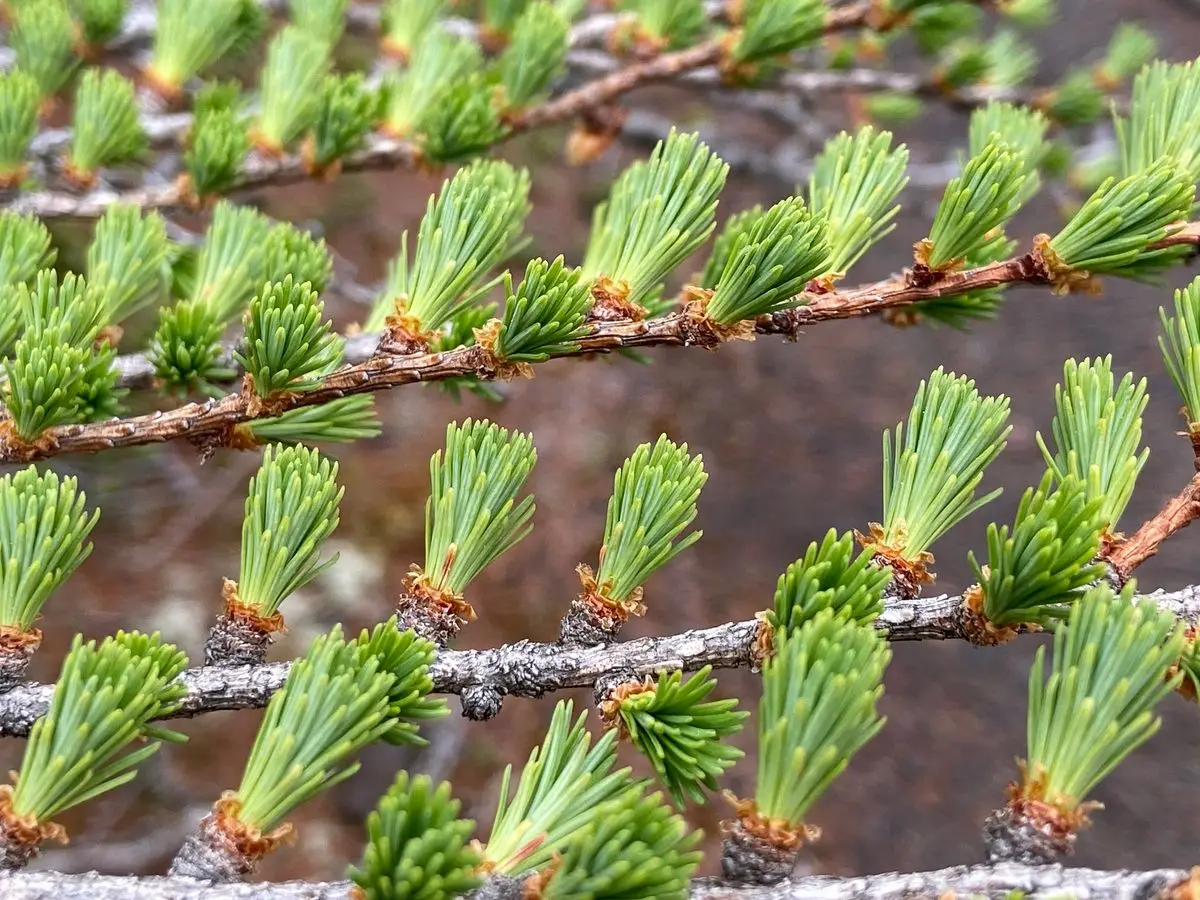 Simon Colenutt, CC BY 4.0
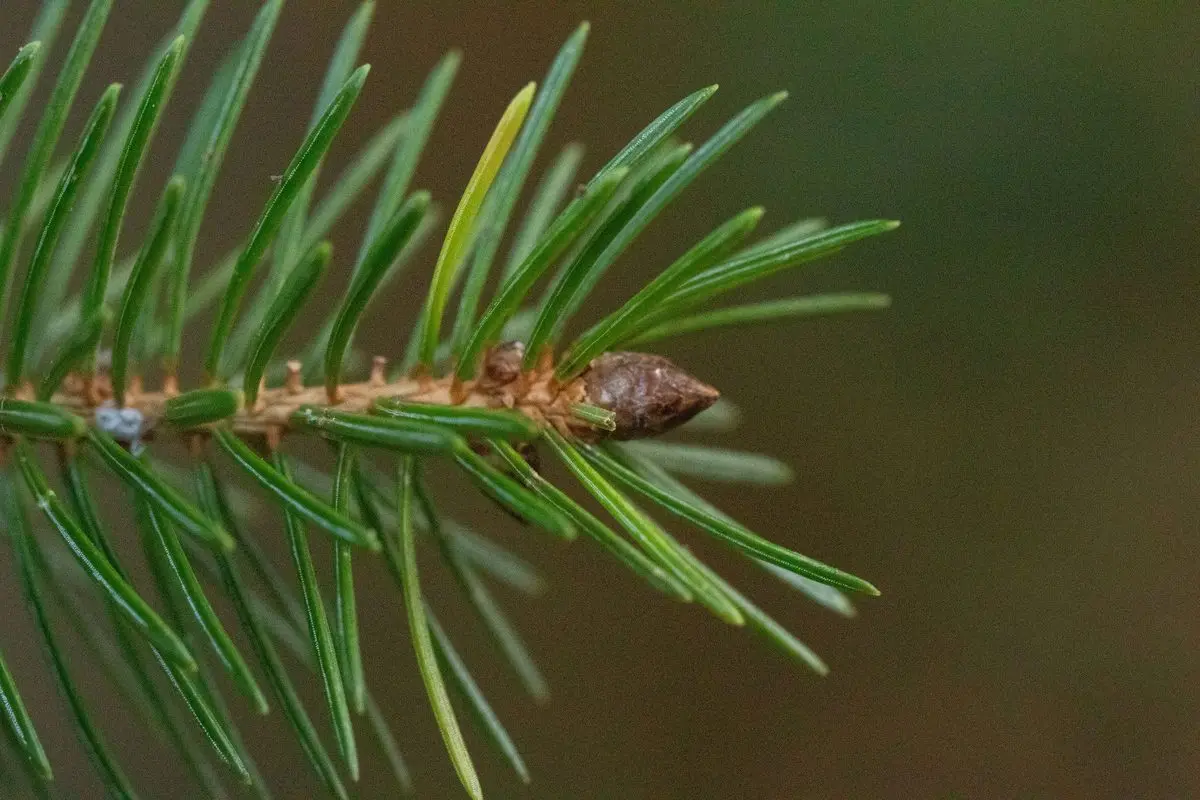 dawn2022, CC BY 4.0
Both are plantation conifers on the same hillsides.
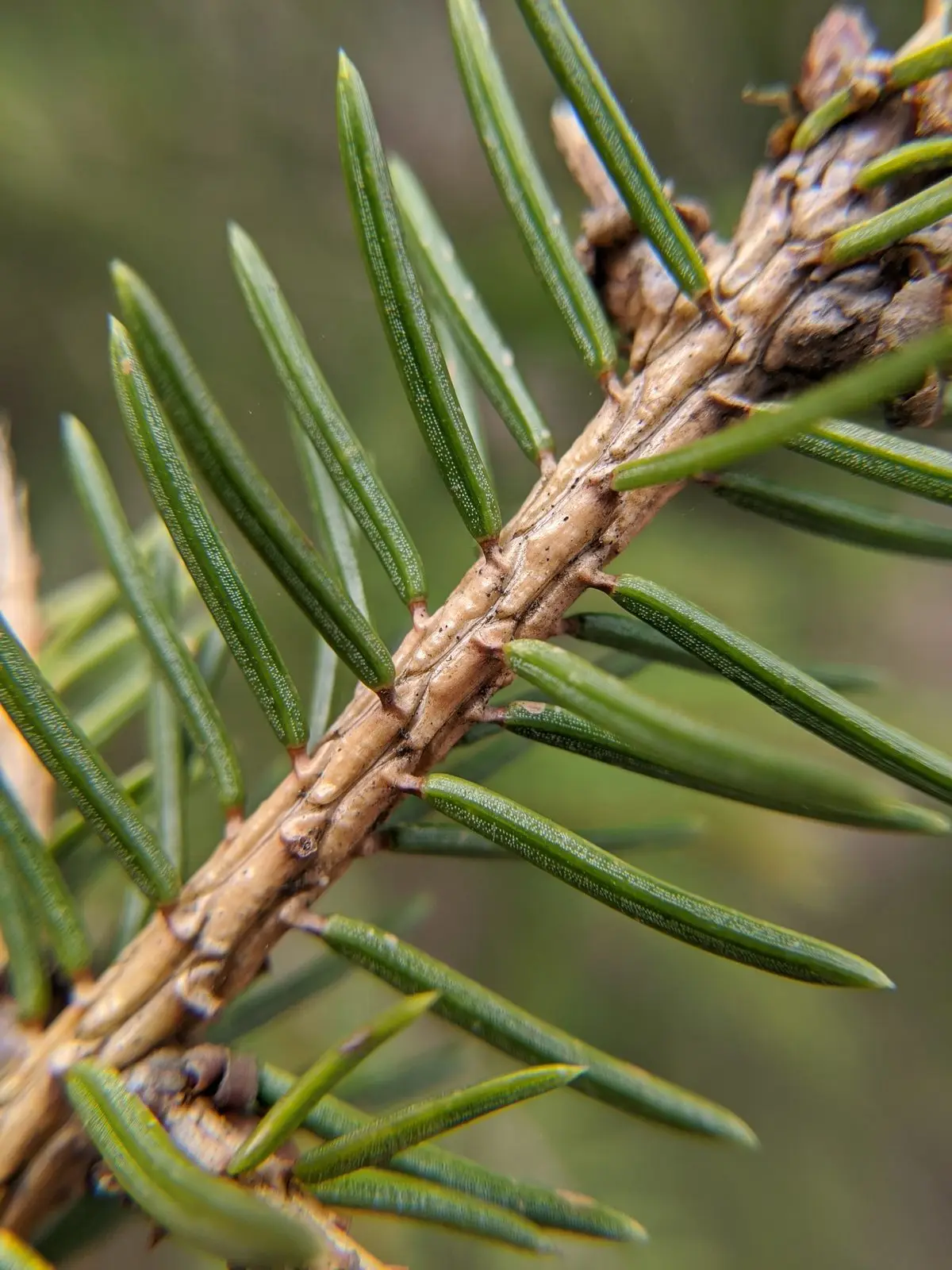
The quickest check is where the needles join the shoot. Japanese larch: soft, crowded in tufts on short spurs. Norway spruce: single, stiff and sharp, on woody pegs. No leaves on the tree? Check the cone.
| Look at | Japanese larch | Norway spruce |
|---|---|---|
| Where the needles join the shoot | Soft, crowded in tufts on short spurs | Single, stiff and sharp, on woody pegs |
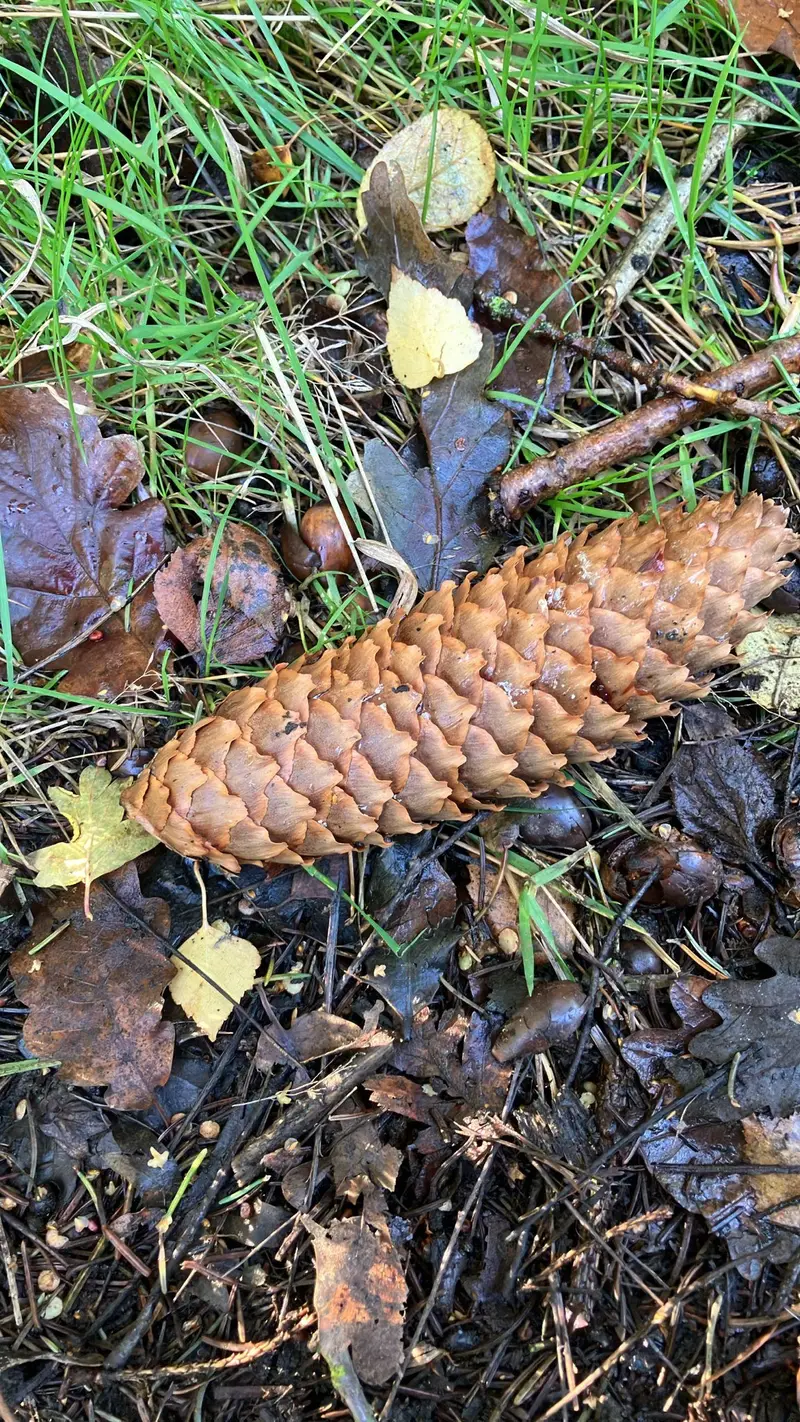
| Cone | Nearly round, about 30 mm, standing upright | Long and slender, hanging down, to 20 cm |
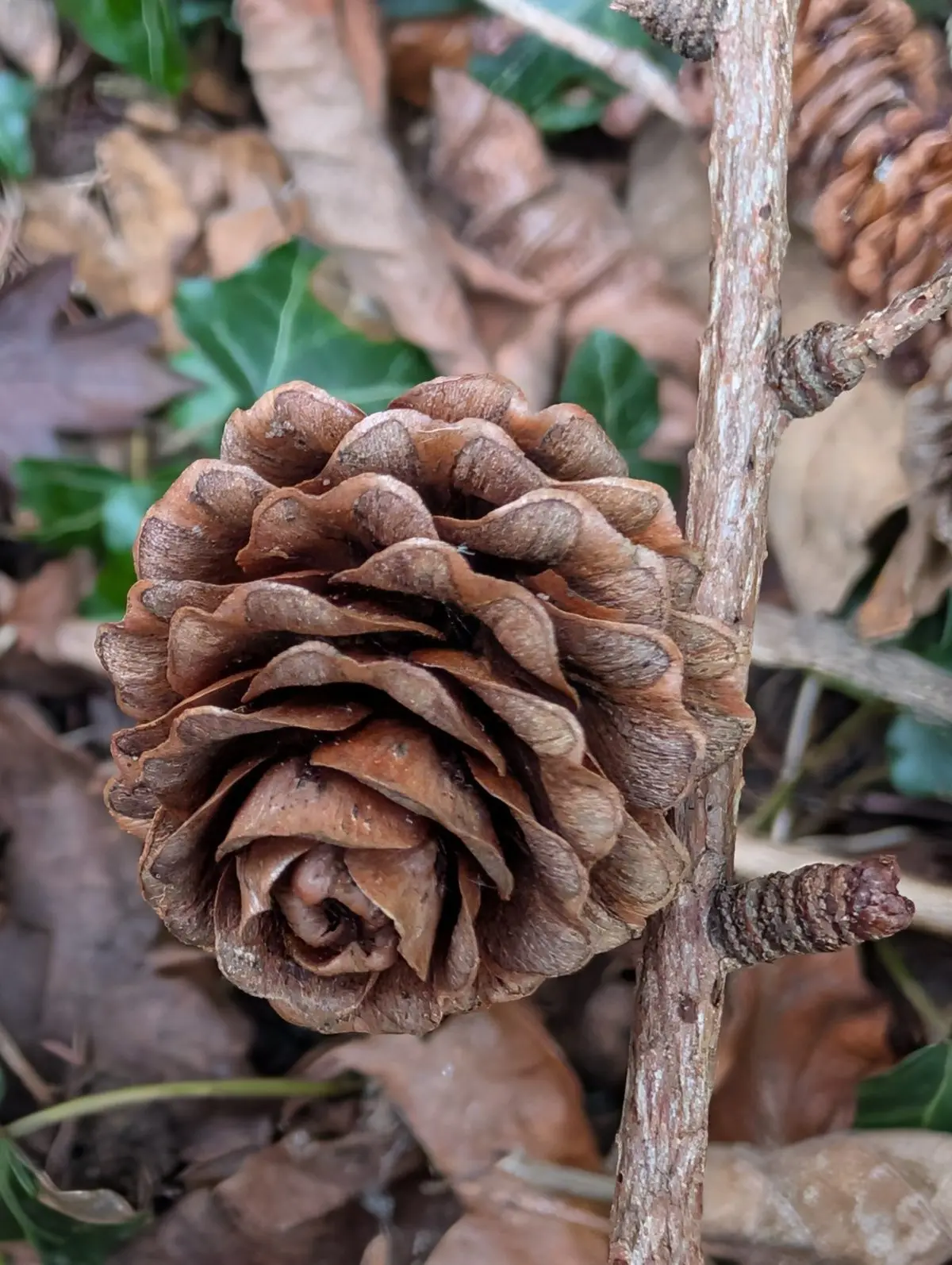
Japanese larch is a conifer planted in forests across Britain. Its dark greyish green needles all fall in autumn. Its round cones have thin scales whose tips curl out and back.
How to identify Japanese larch →Norway spruce is the traditional Christmas tree. Its needles sit singly on tiny woody pegs and roll between finger and thumb. Its long cones hang straight down.
How to identify Norway spruce →Free to download.
Every fact on this page is checked against the Collins Tree Guide, last in November 2026. Spotted something that looks wrong in front of a real tree? Tell us. How we check.
Photographs: Simon Colenutt (CC BY 4.0), dawn2022 (CC BY 4.0), megachile (CC0), pilmar (CC0), dsykodave (CC0). With thanks to everyone who shares their photographs on iNaturalist and Wikimedia Commons.