Norway spruce
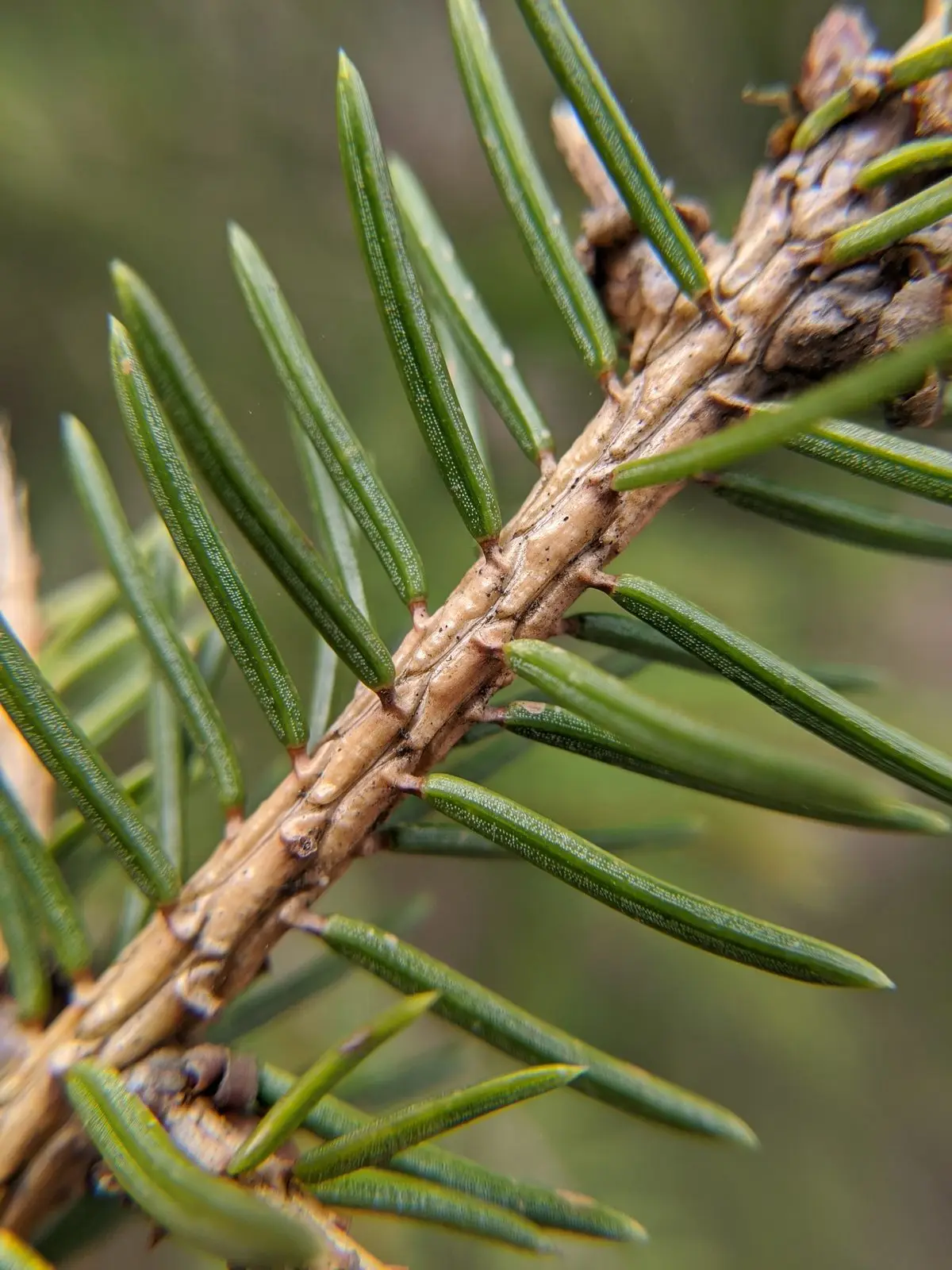
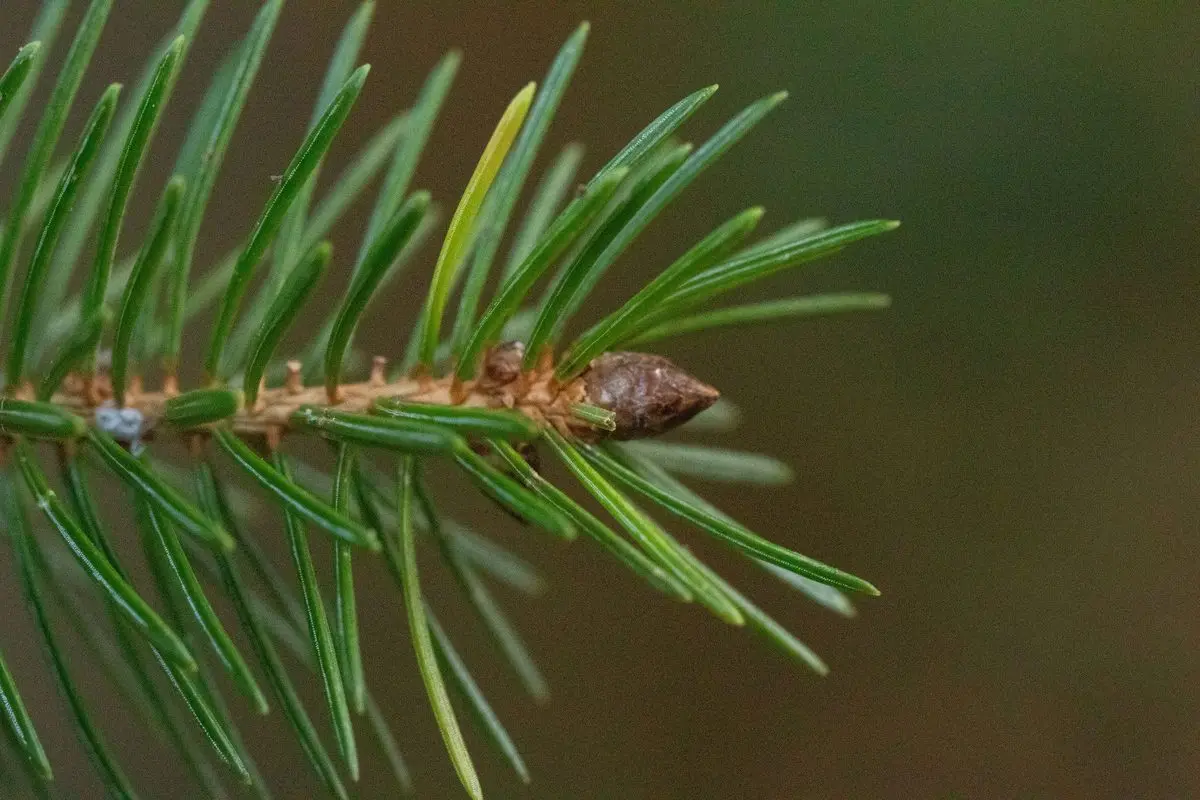
Picea abiesNorway spruce is the traditional Christmas tree. Its needles sit singly on tiny woody pegs and roll between finger and thumb. Its long cones hang straight down.
How to identify Norway spruce →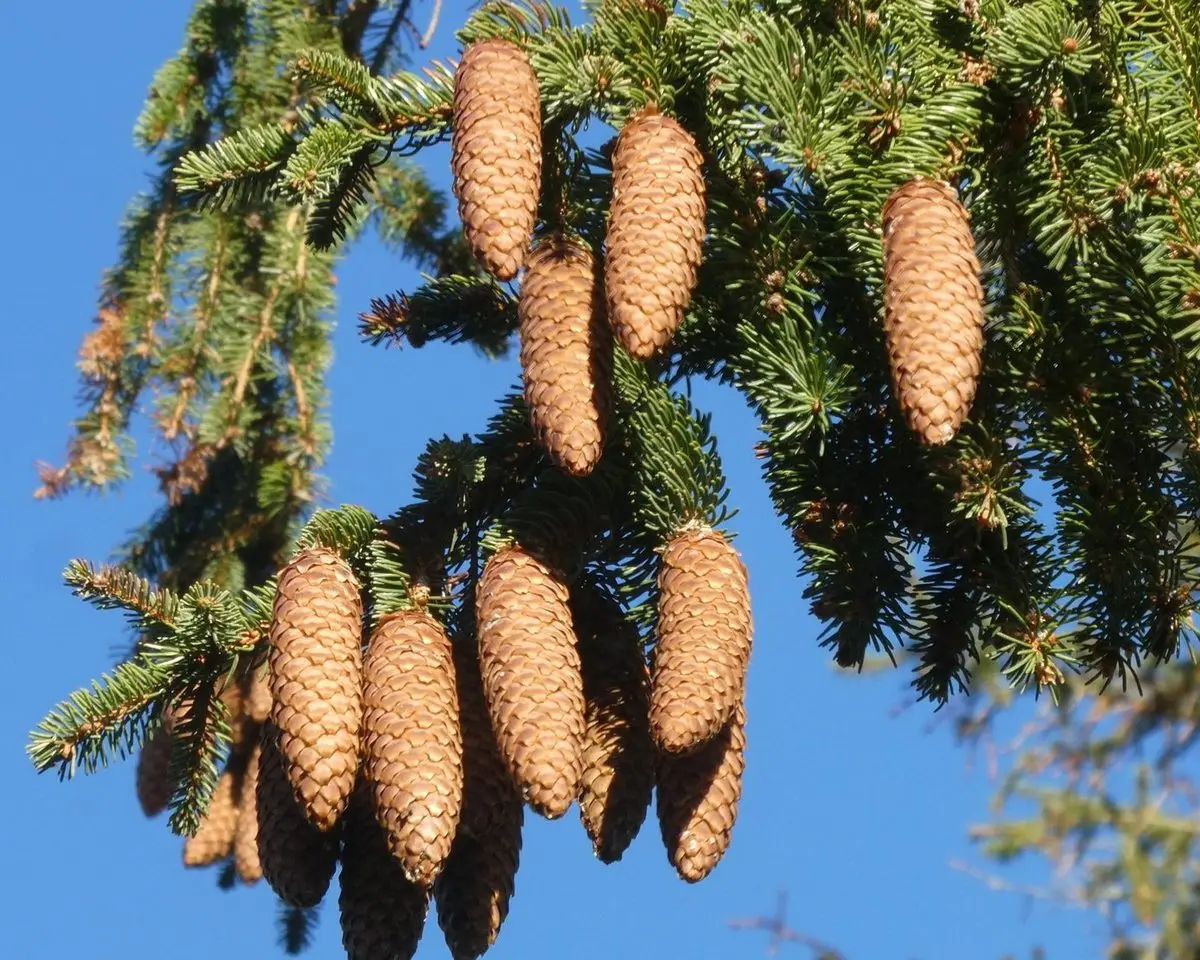 gwynmwilliams, CC BY 4.0
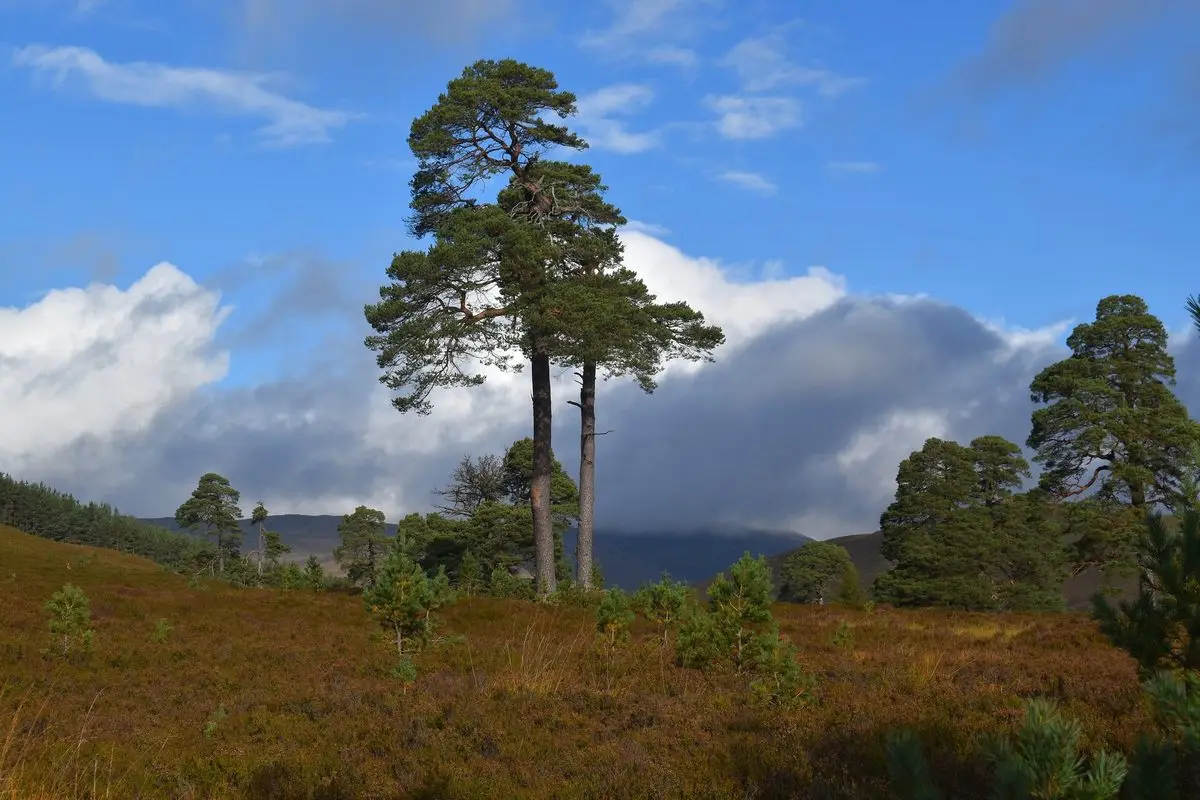 Gail A Baker, CC BY 4.0
Both are big planted conifers.
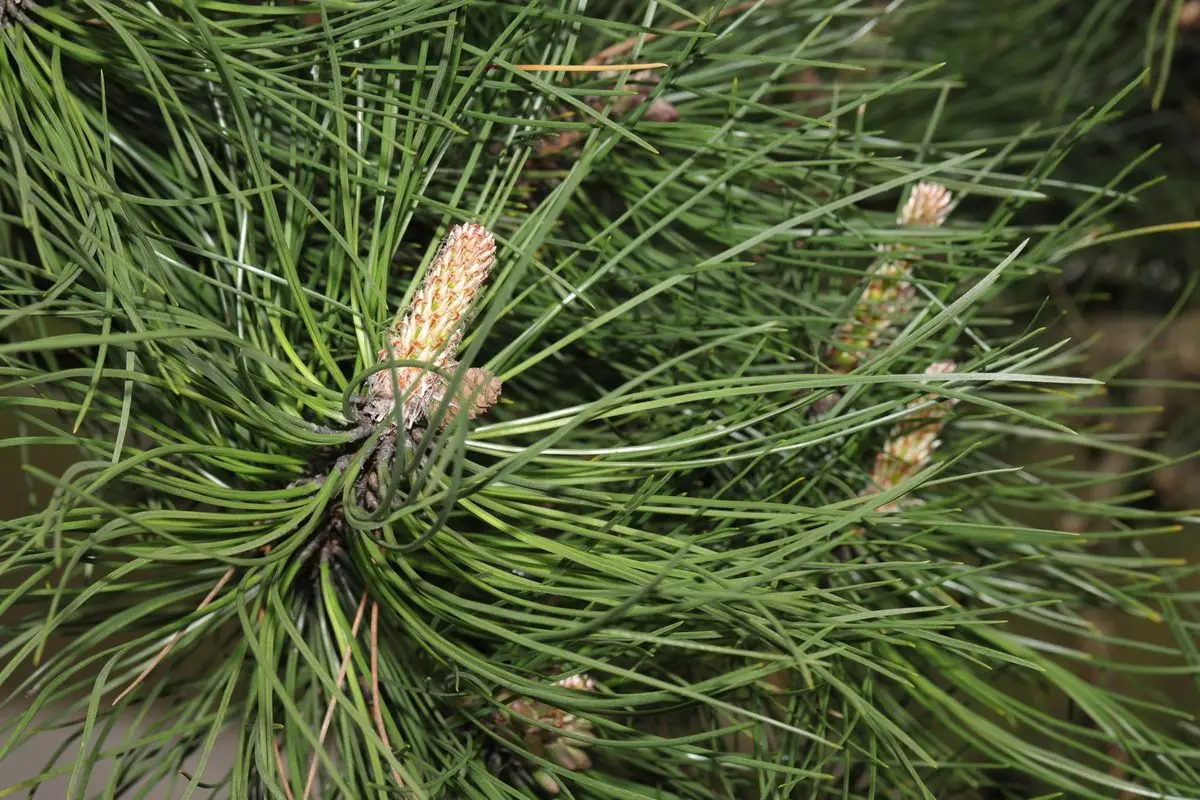
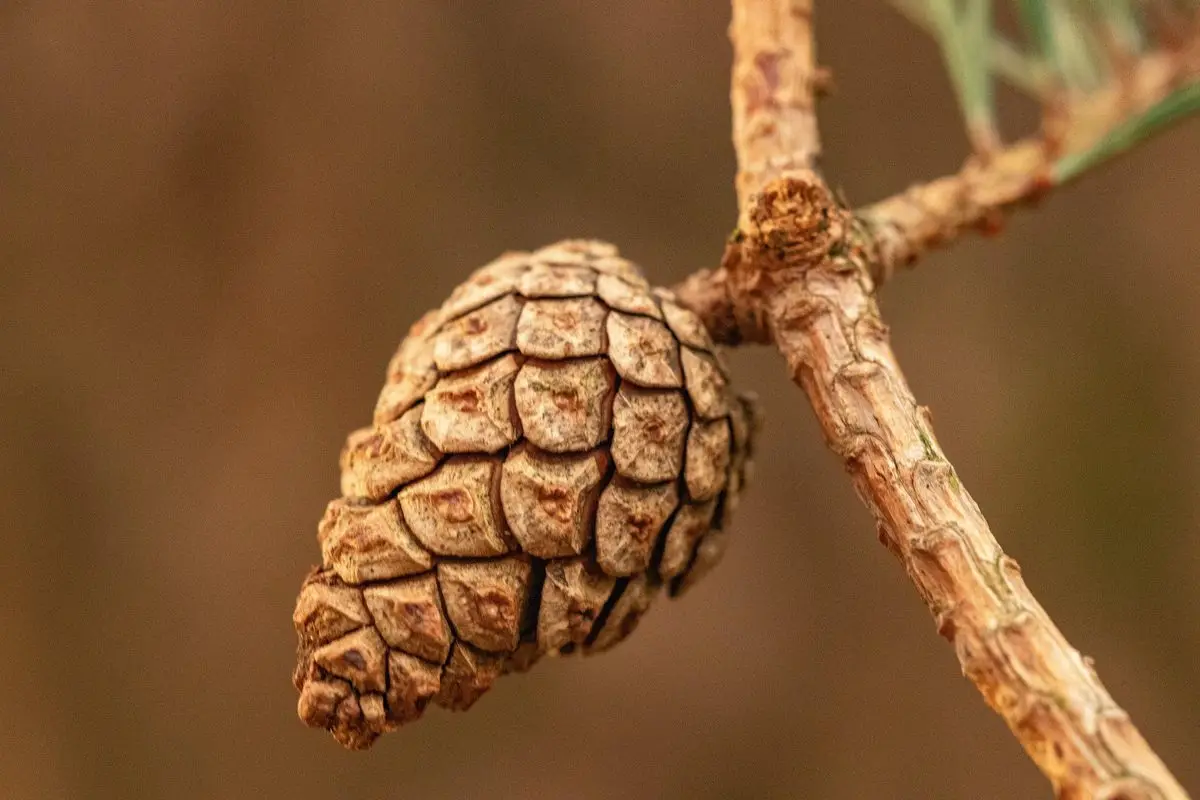
The quickest check is how the needles are set. Norway spruce: one at a time, each on a woody peg. Scots pine: two together in a papery sheath. No leaves on the tree? Check the fallen cone.
| Look at | Norway spruce | Scots pine |
|---|---|---|
| How the needles are set | One at a time, each on a woody peg | Two together in a papery sheath |
| Fallen cone | Long and slender, 9 to 17 cm | Tapering to a point, up to 8 cm |
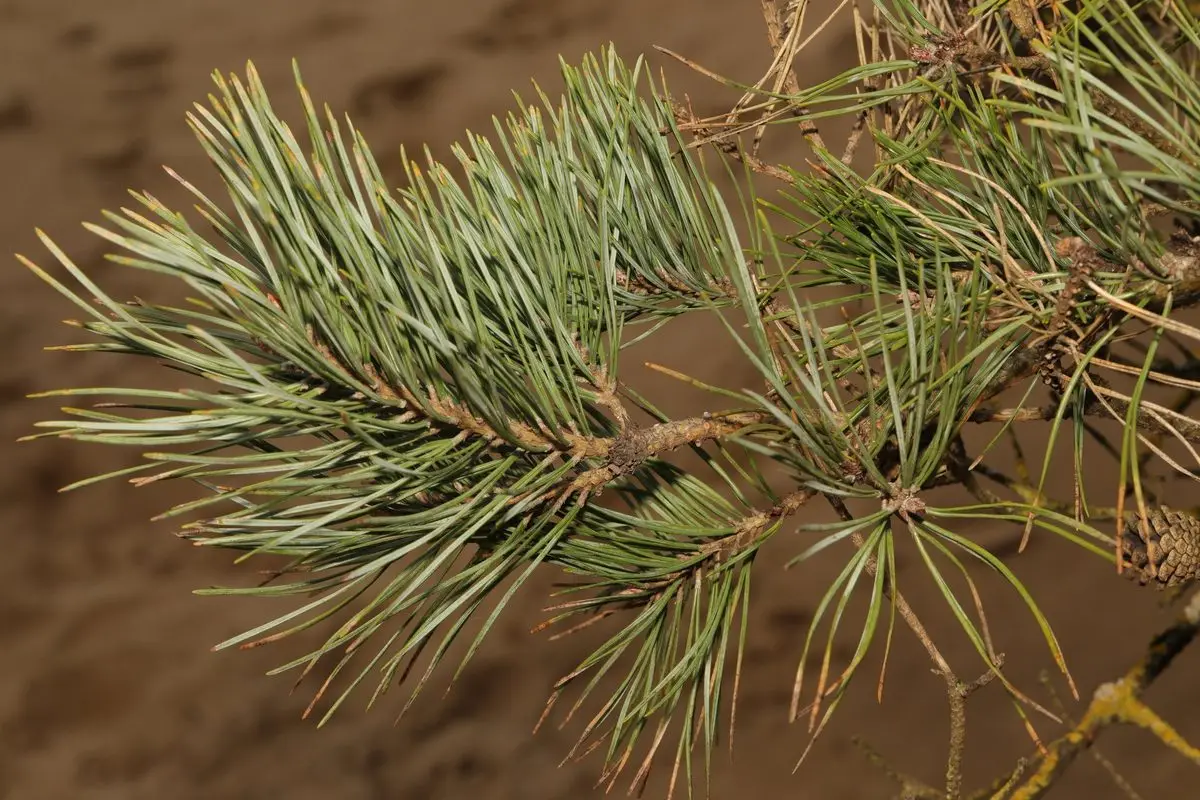
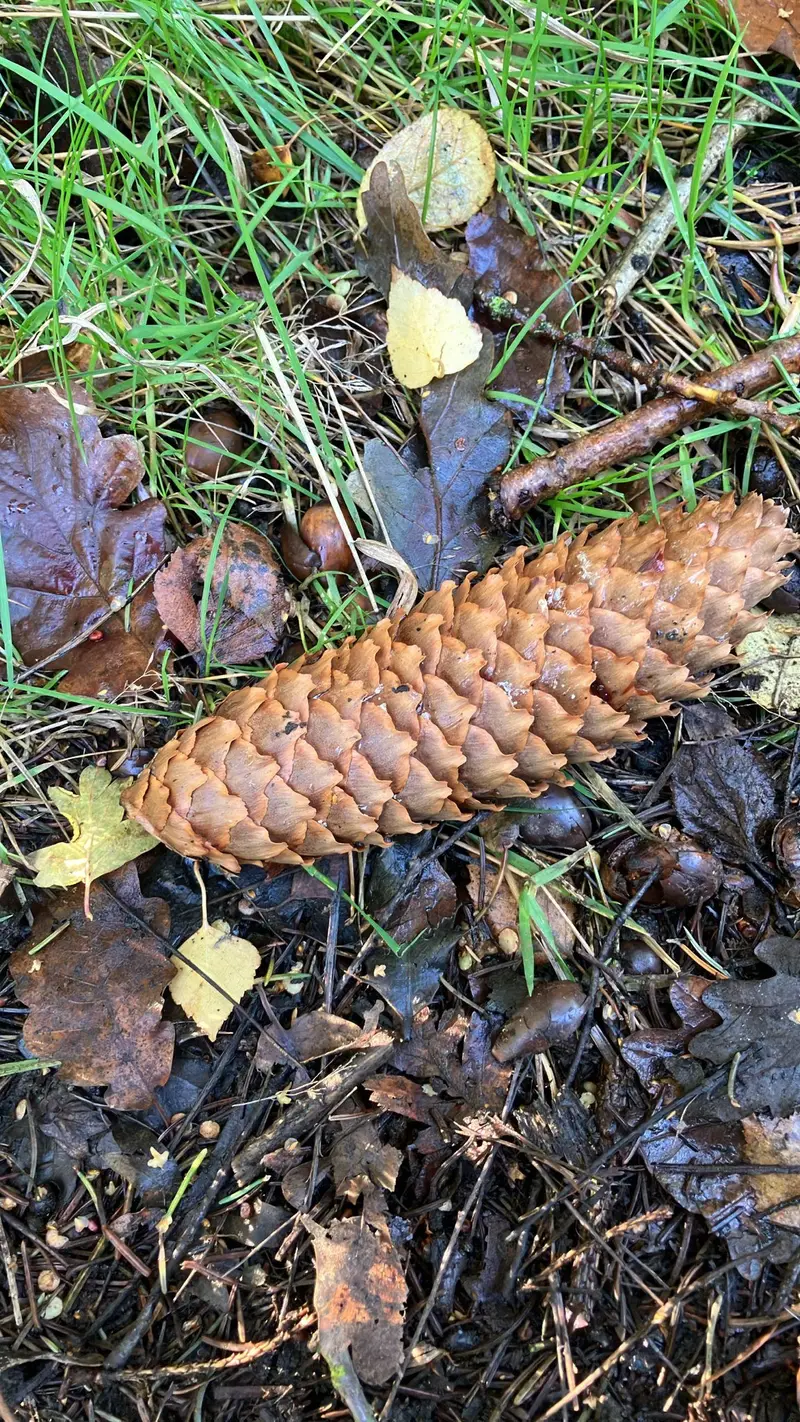
Norway spruce is the traditional Christmas tree. Its needles sit singly on tiny woody pegs and roll between finger and thumb. Its long cones hang straight down.
How to identify Norway spruce →The trunk is greyish brown and plated low down, turning thin, papery and orange towards the top. The needles come in short, twisted pairs.
How to identify Scots pine →Free to download.
Every fact on this page is checked against the Collins Tree Guide, last in November 2026. Spotted something that looks wrong in front of a real tree? Tell us. How we check.
Photographs: gwynmwilliams (CC BY 4.0), Gail A Baker (CC BY 4.0), dawn2022 (CC BY 4.0), steve_mcwilliam (CC0), dsykodave (CC0). With thanks to everyone who shares their photographs on iNaturalist and Wikimedia Commons.