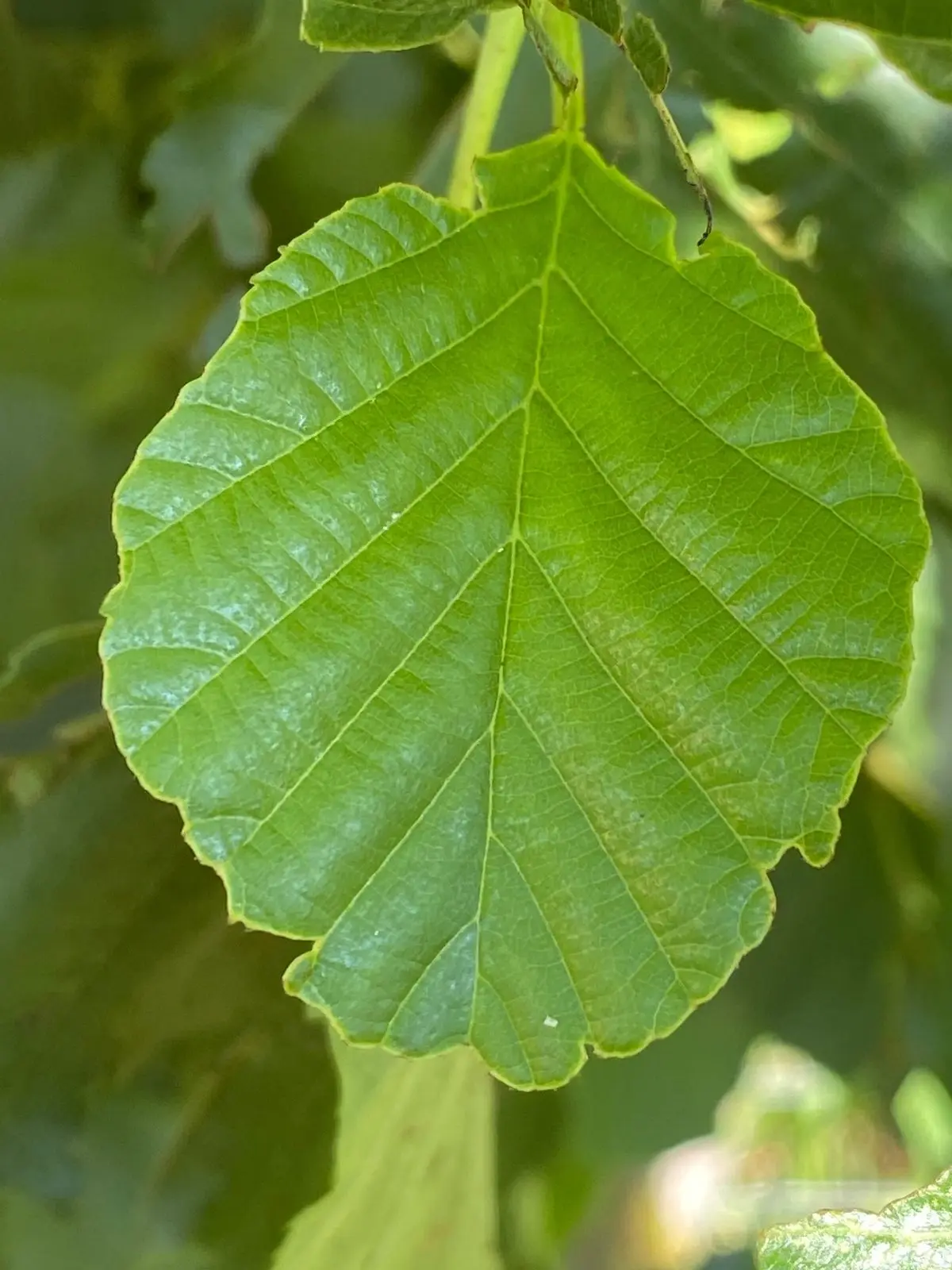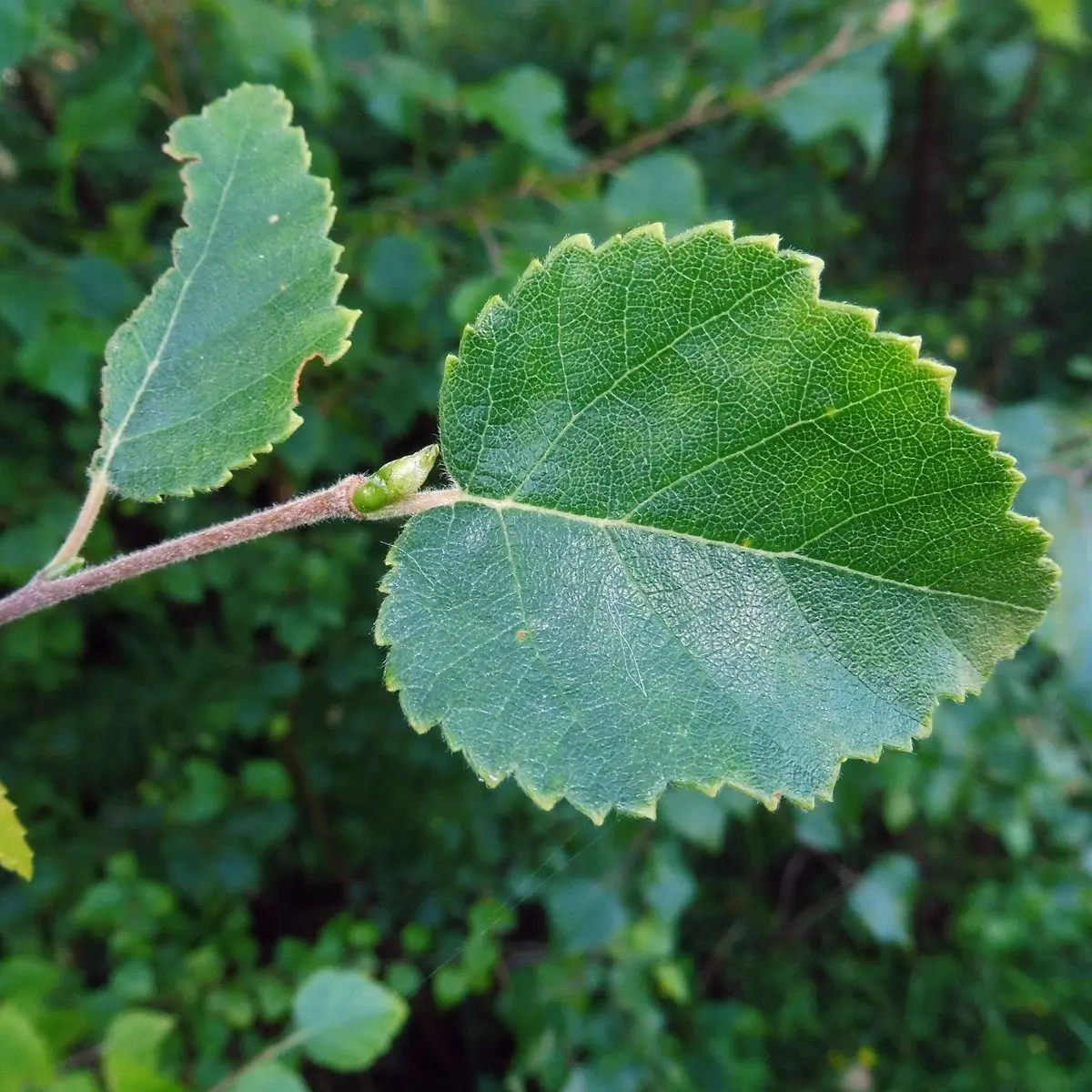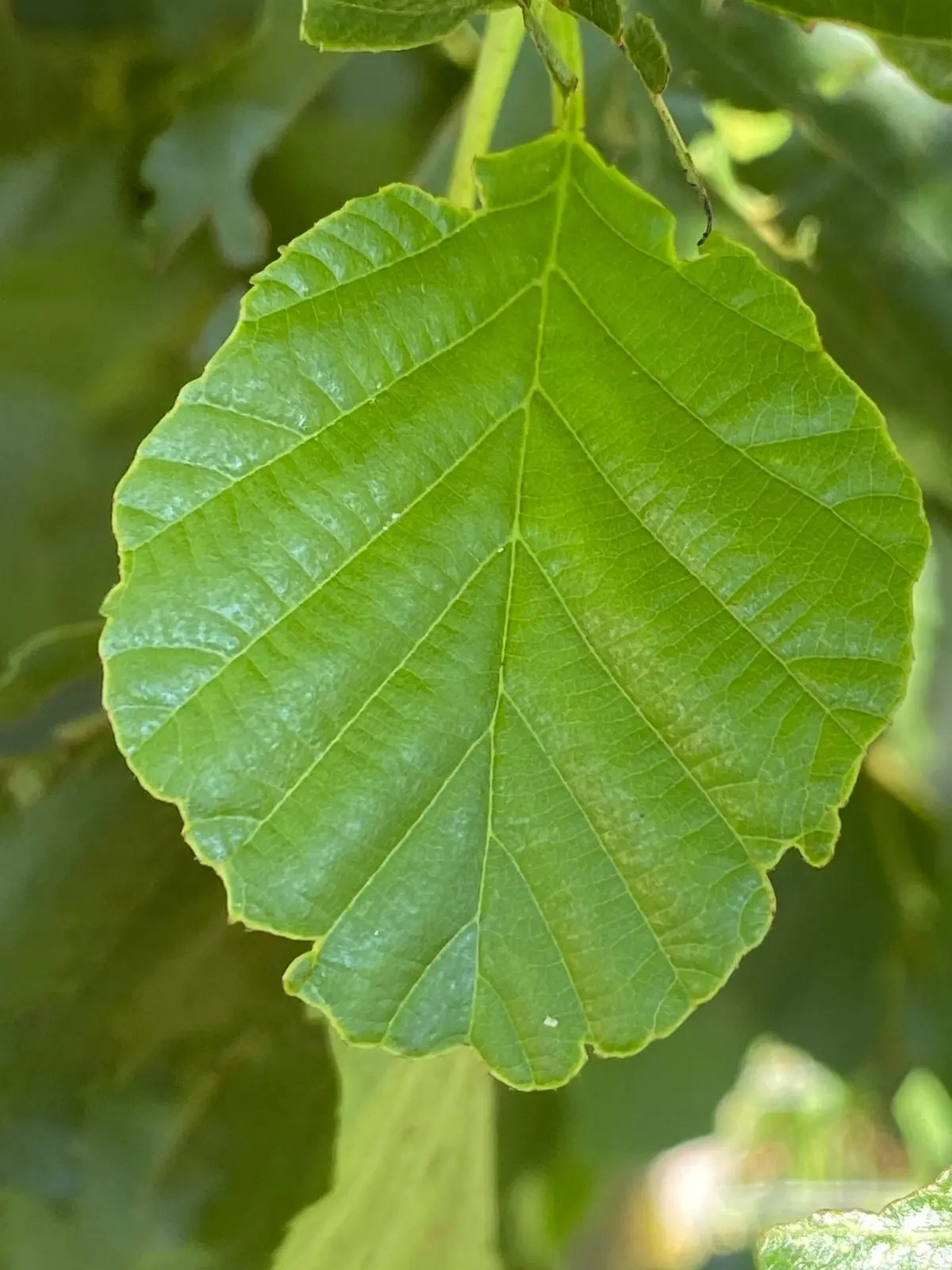
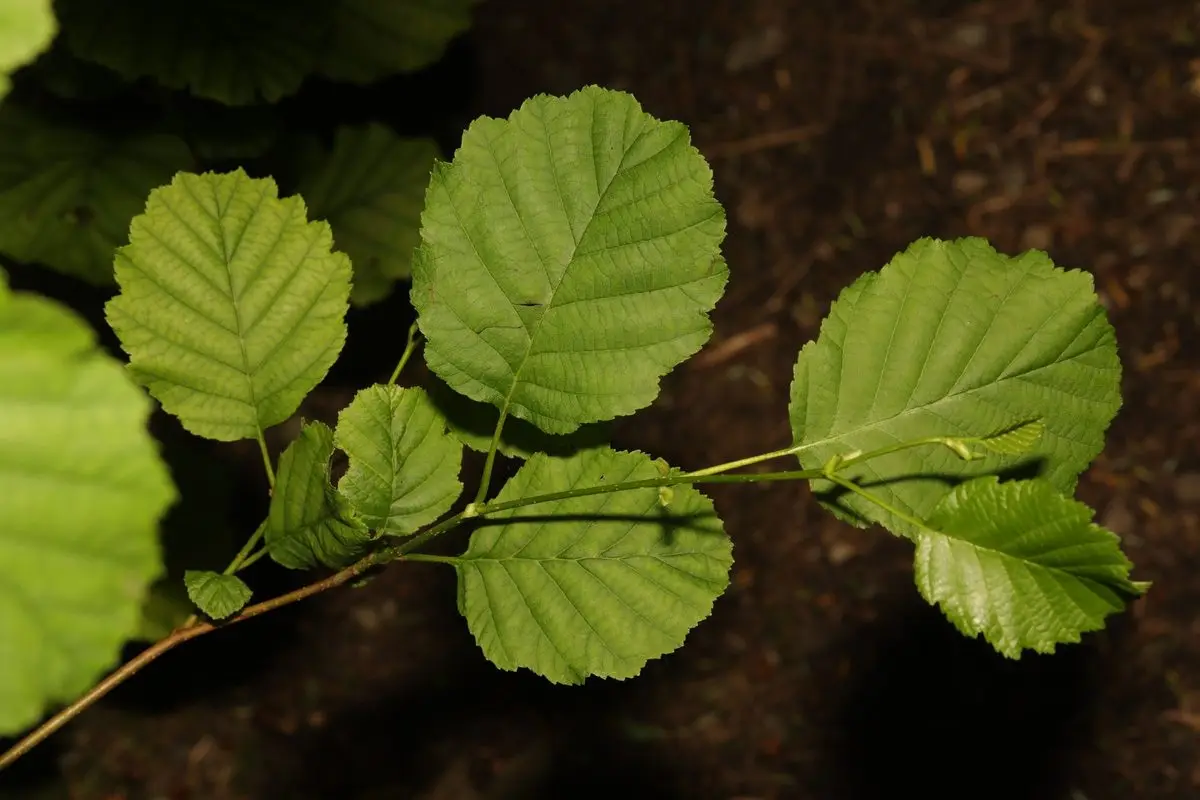
Alder leaves are dark, rounded and leathery, and widest near the tip, which is blunt or cut off flat, often with a small notch. The edge is wavy, with small teeth.
Alnus glutinosa · Betulaceae
Also called common alder or black alder
Alder grows by rivers and on wet ground. Its leaves are dark and rounded, and small woody cones hang on its twigs in every month of the year.
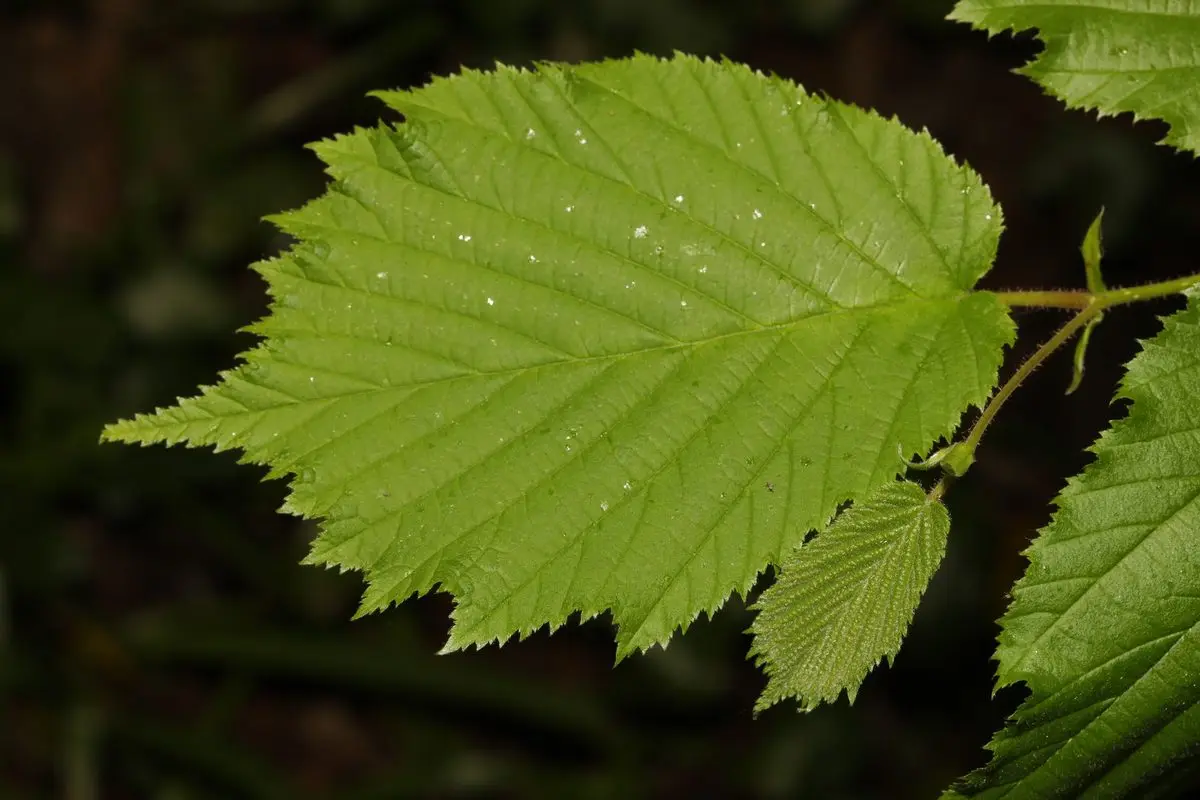
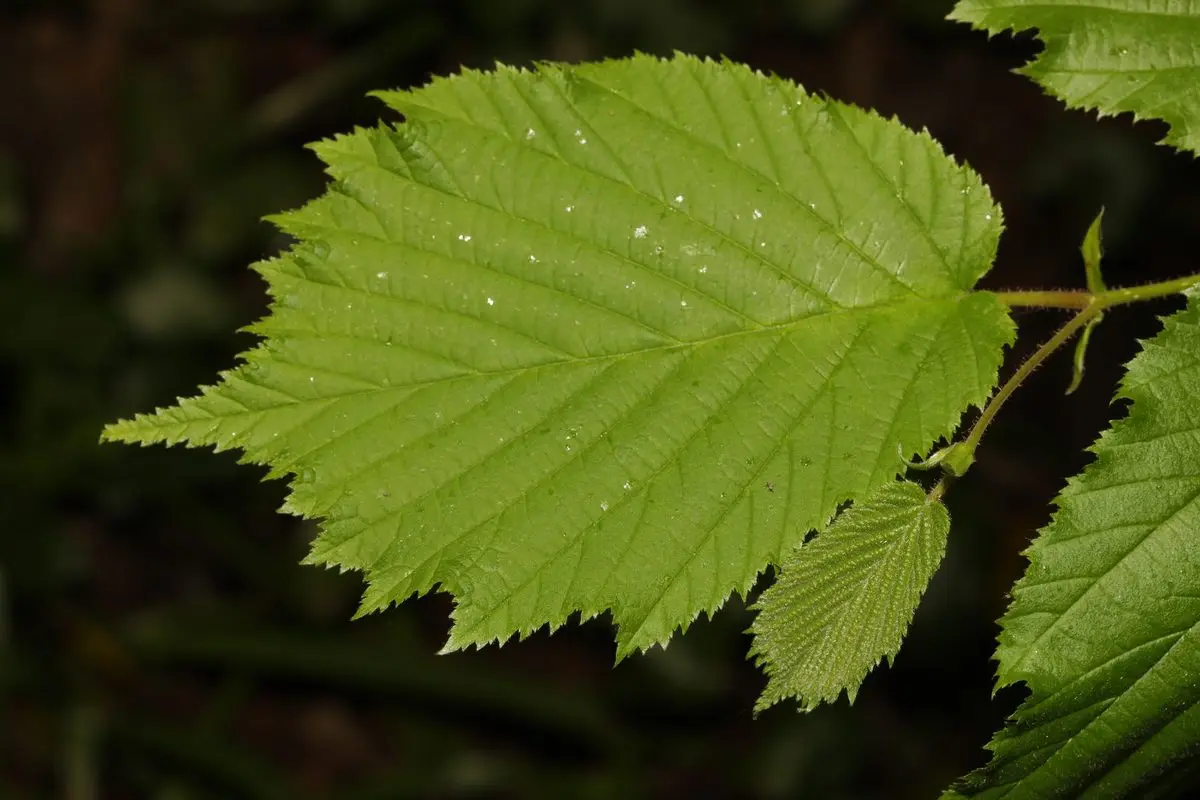
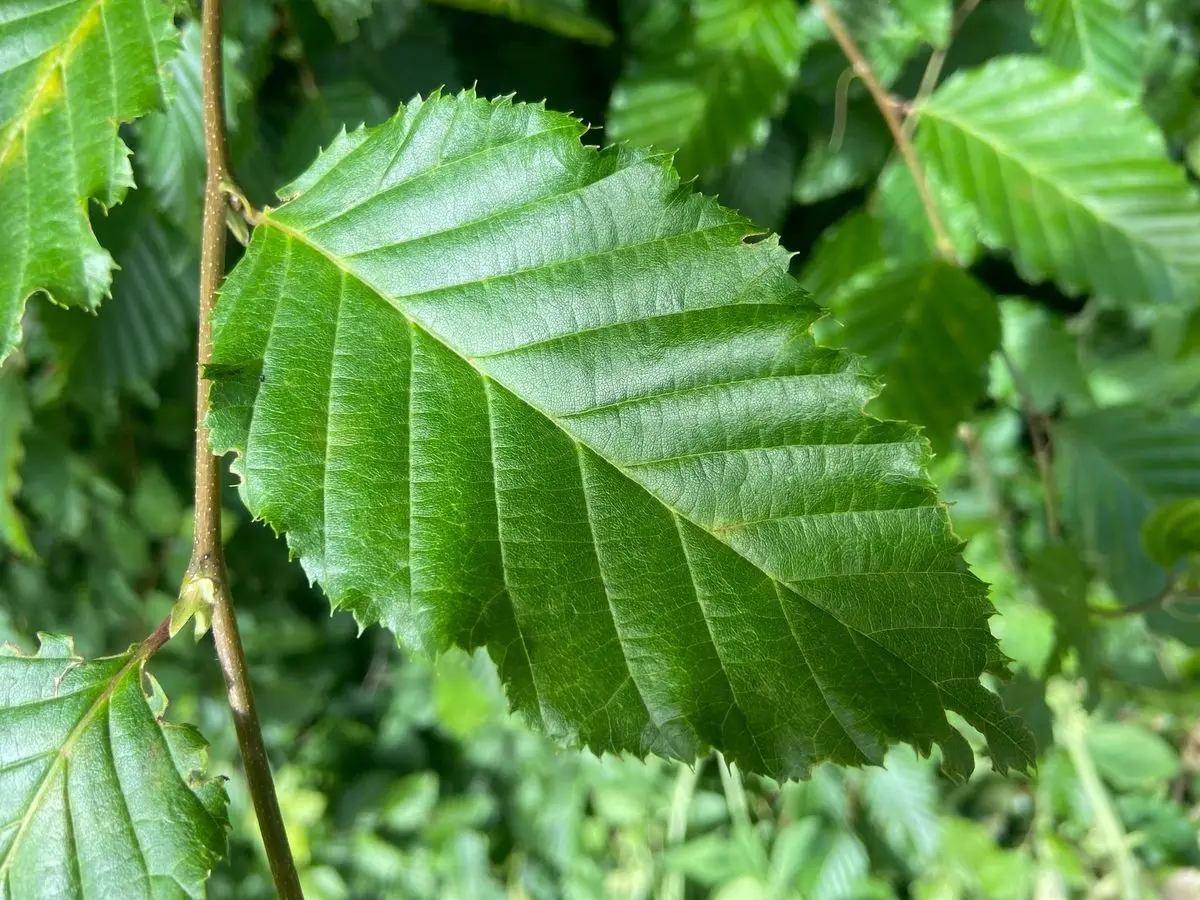
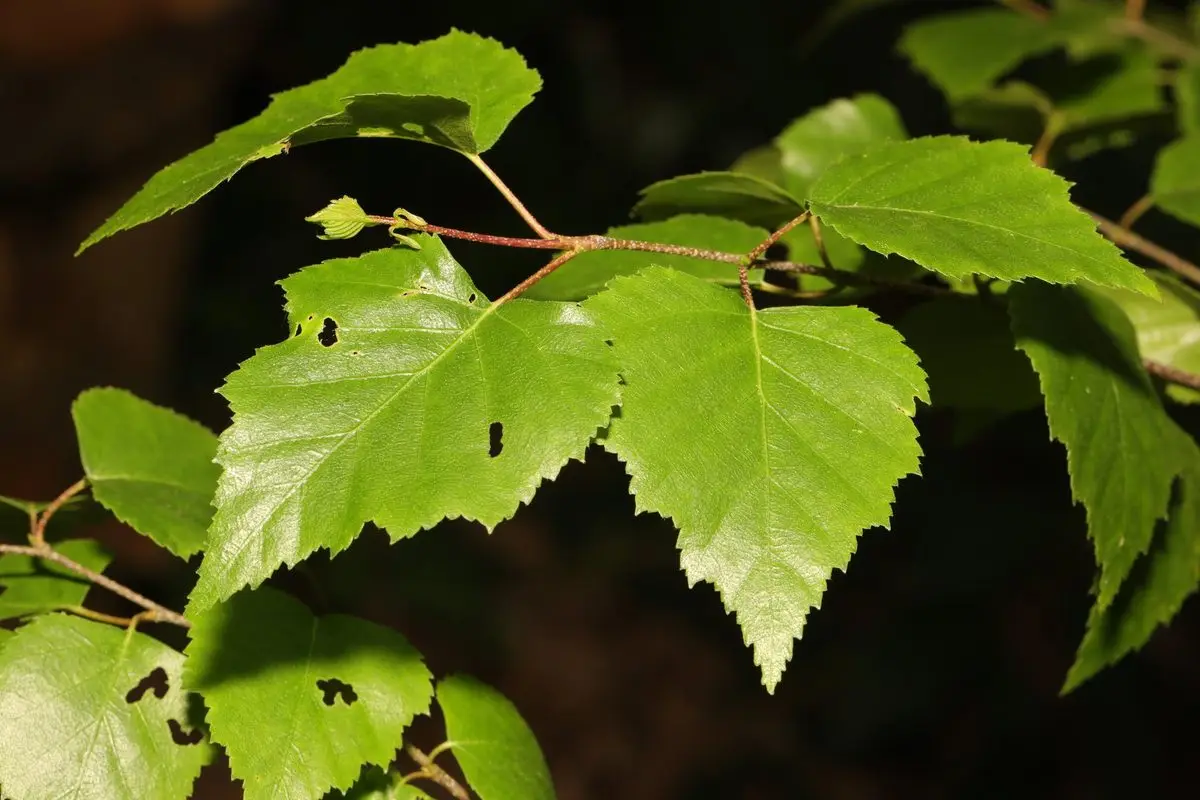
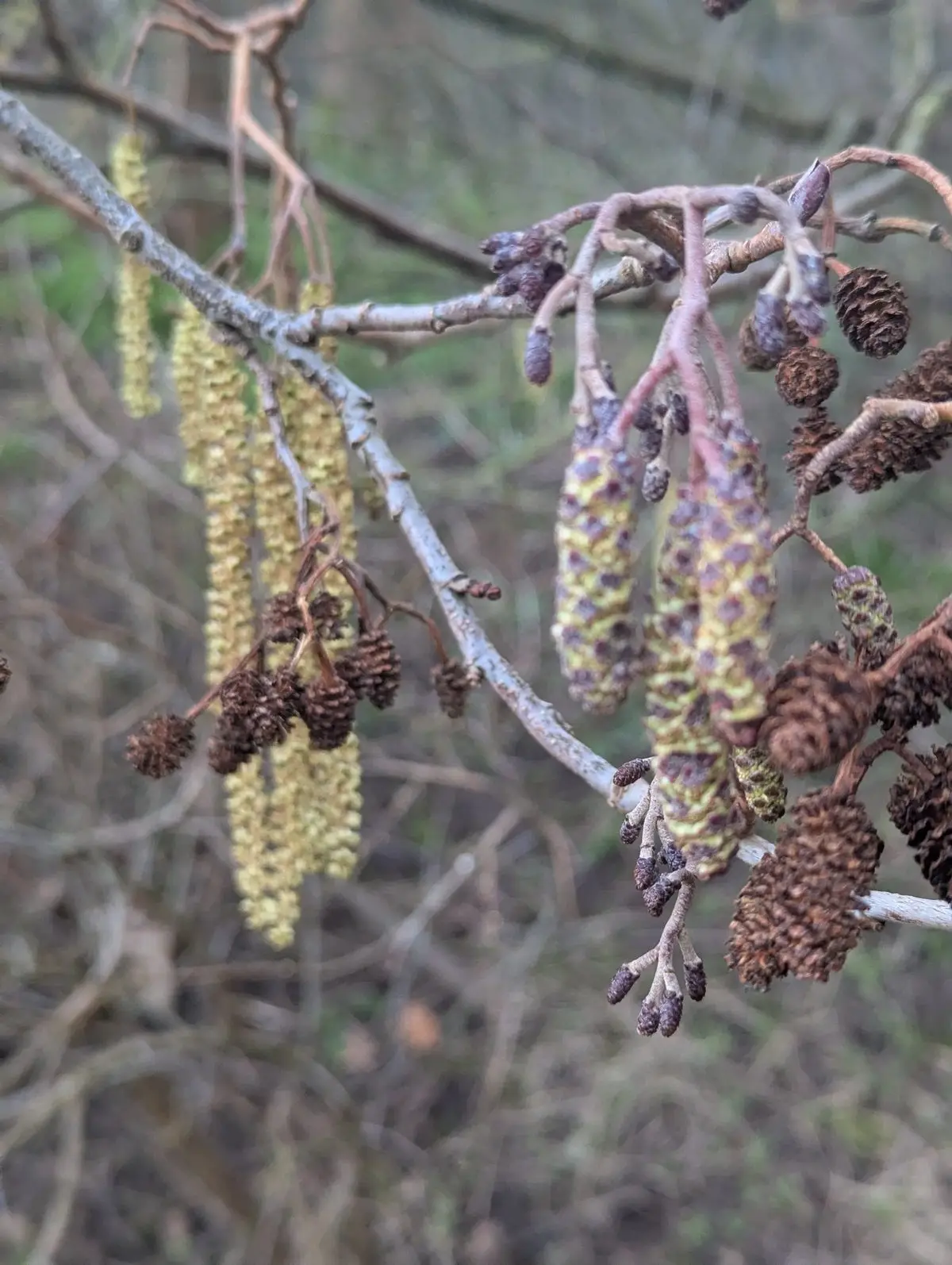
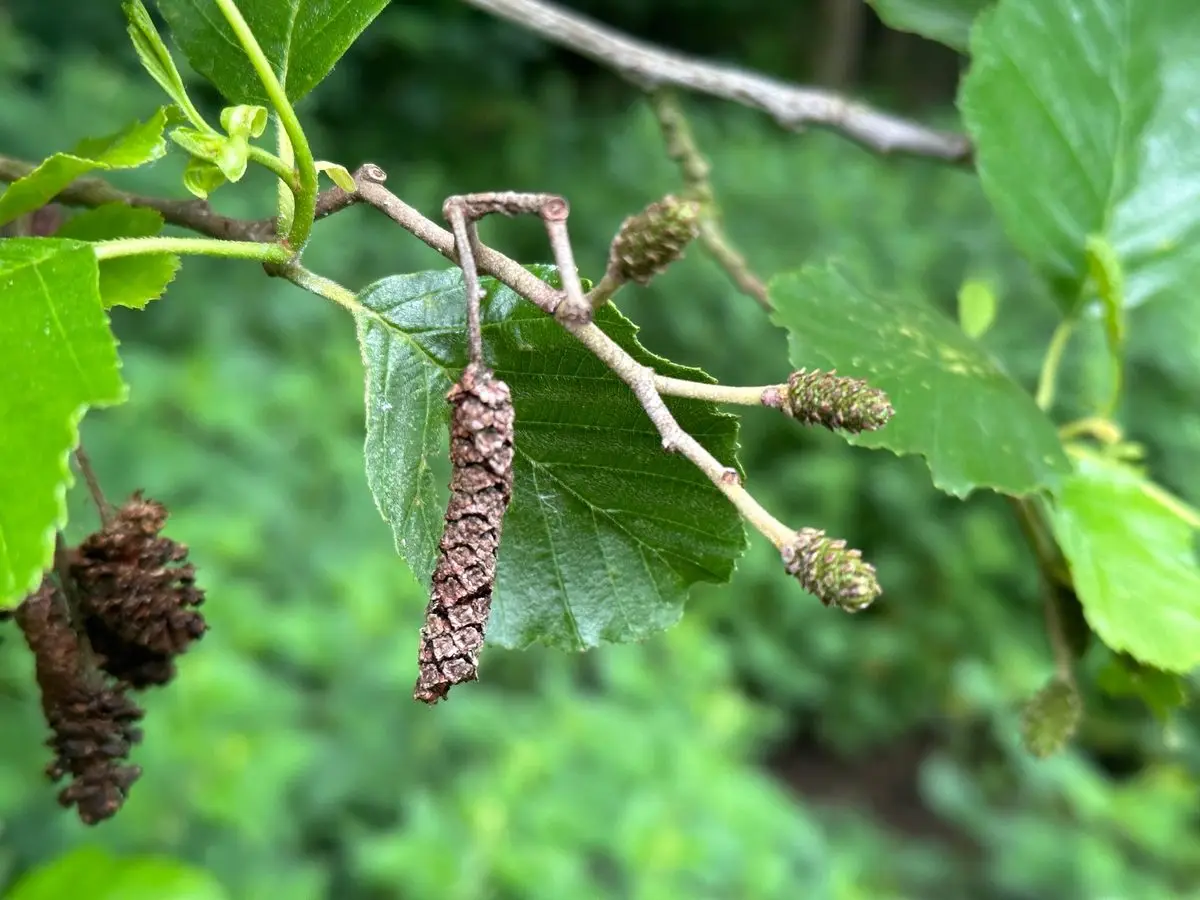
Often mistaken for hazel. How to tell them apart →LeavesDark, rounded leaves with a blunt, often notched tip.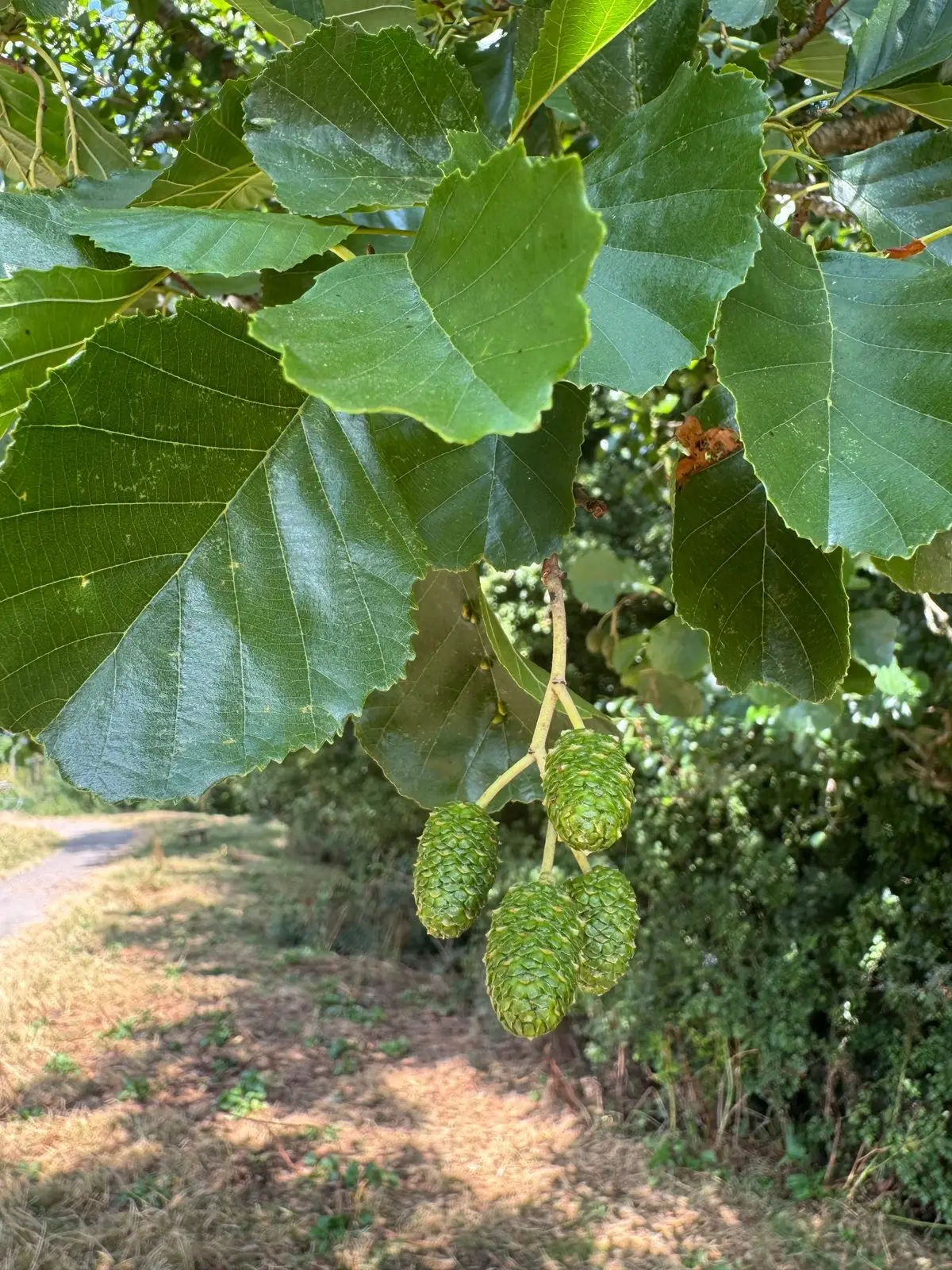 ConesSmall cones in bunches on the twigs, all year.
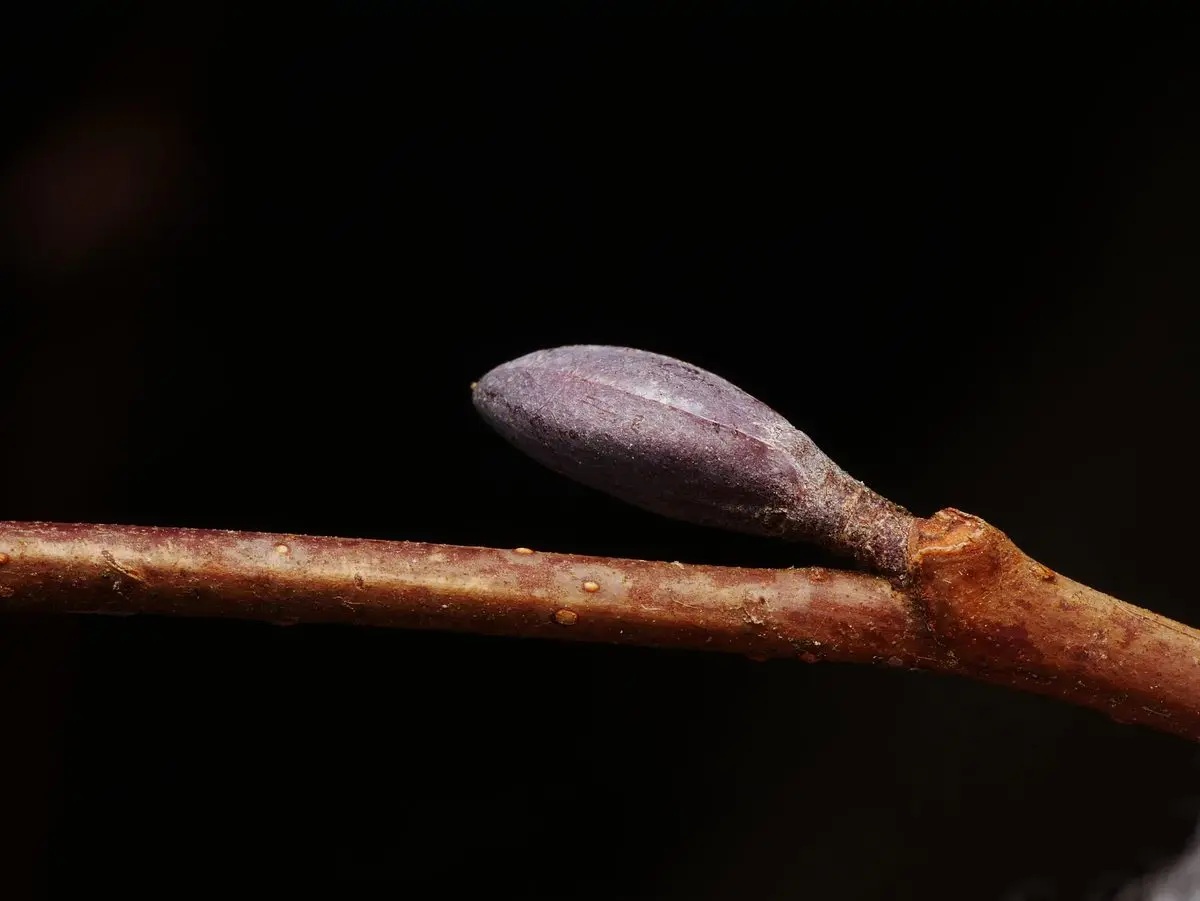
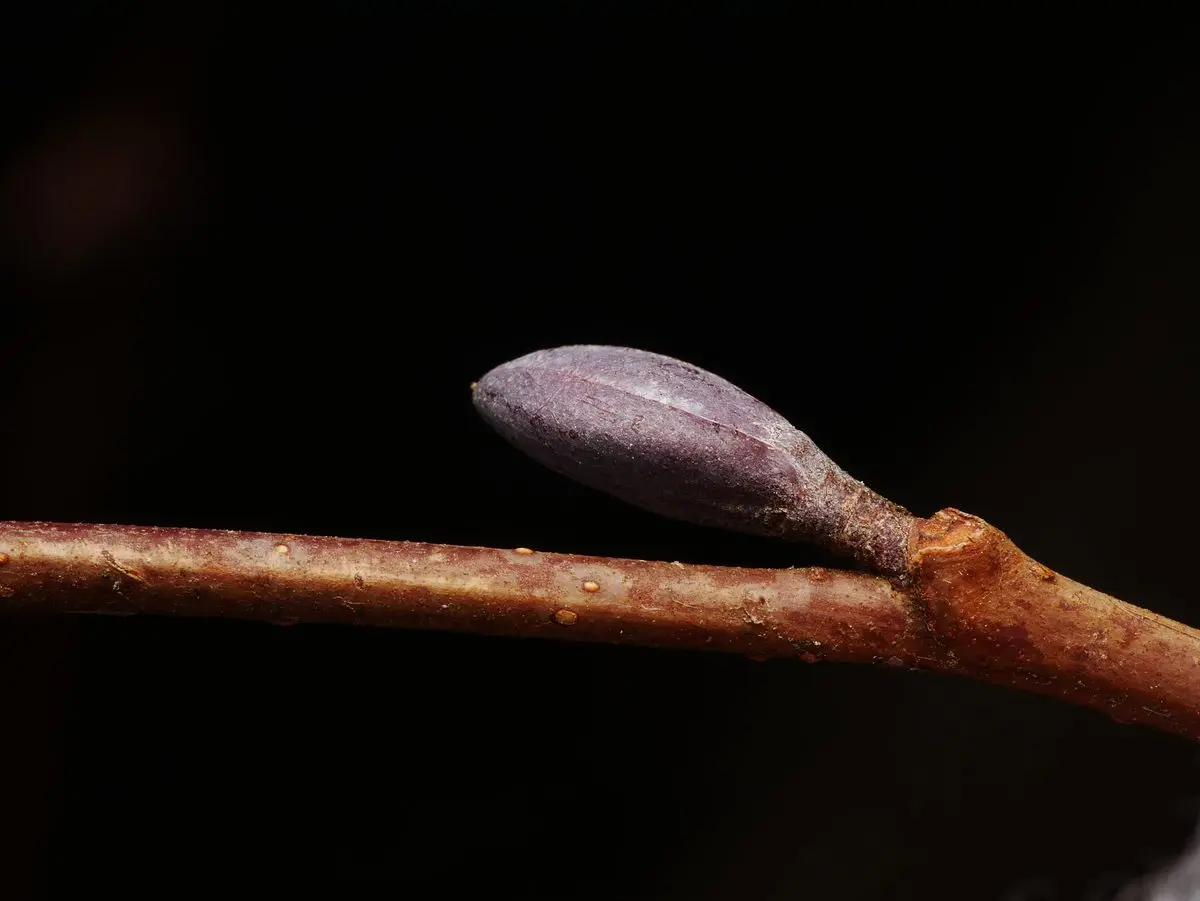 BudsMauve, club-shaped buds, each on its own short stalk.
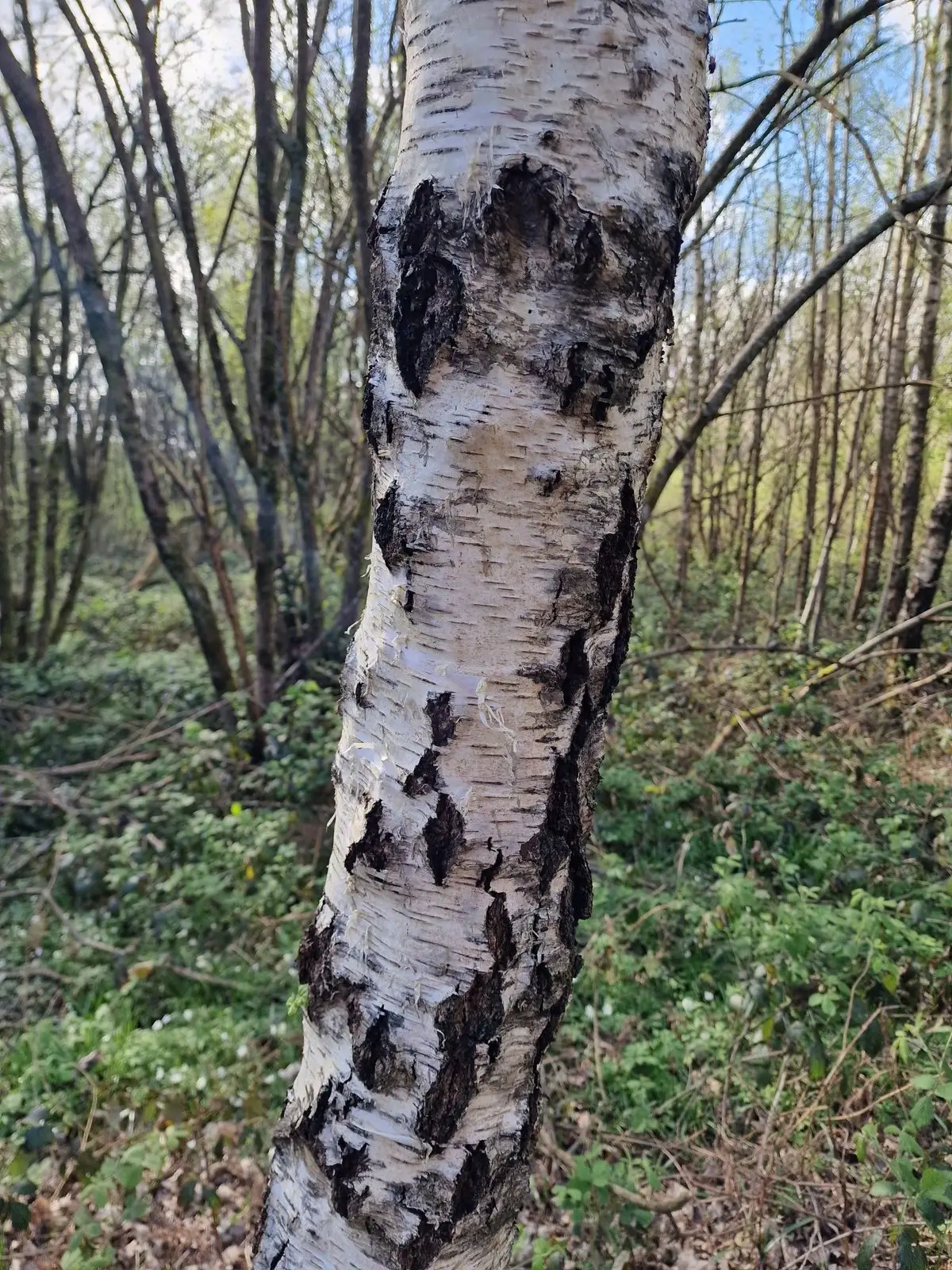
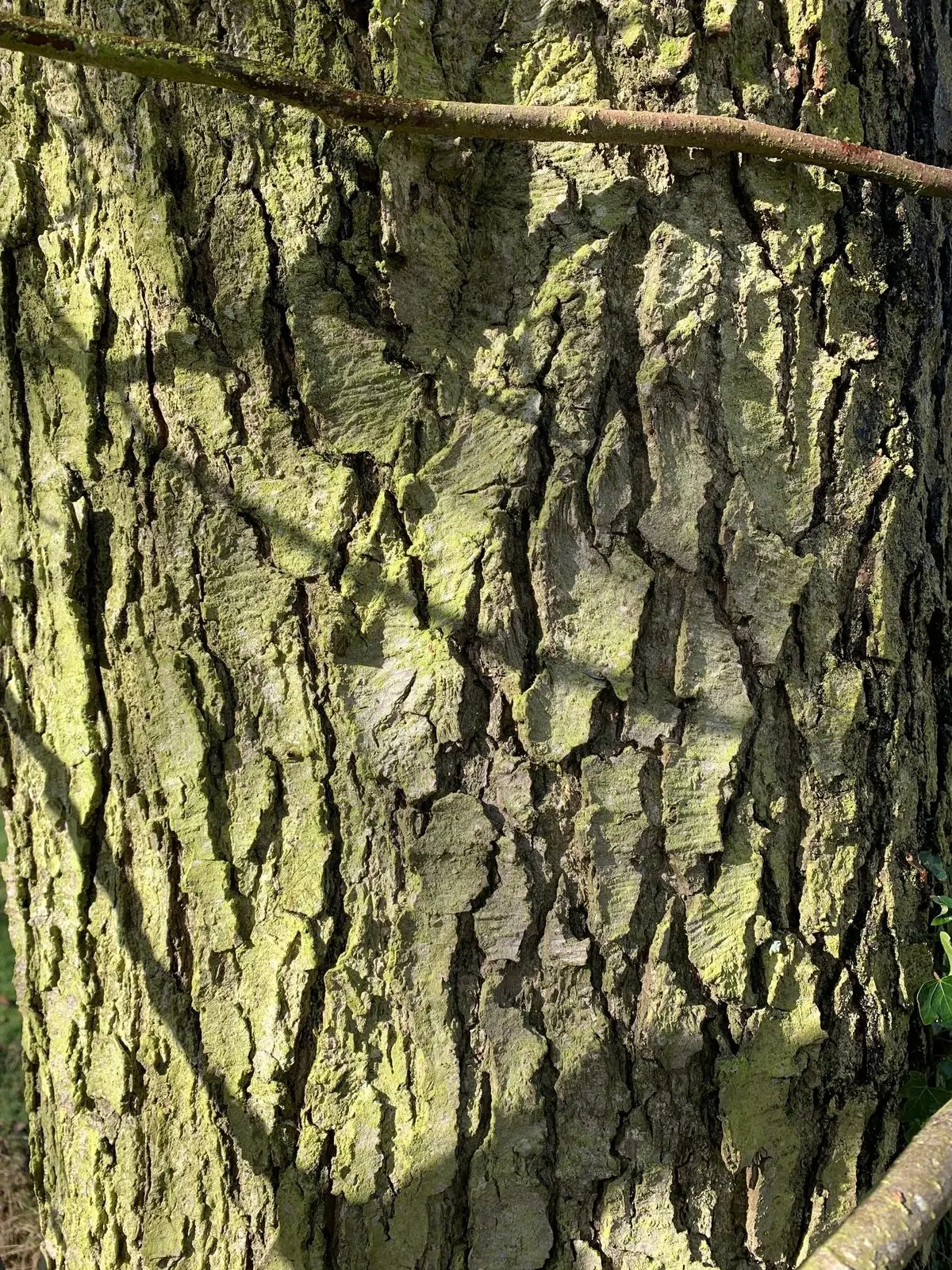
Then check · BarkAn older trunk is brown and cracked into small, deep square plates, set close together.
Alder leaves are dark, rounded and leathery, and widest near the tip, which is blunt or cut off flat, often with a small notch. The edge is wavy, with small teeth.
Small cones hang in bunches on the twigs all year. They are green and soft through summer, then woody and dark brown, and stay on the bare branches all winter.
In winter the buds are club-shaped and dusted mauve, and each one stands clear of the smooth twig on a short stalk of its own.
 Learn the alder in TreelyEvery part through the year, and a short round each day until you know it.Get Treely
 Owen and Carol Fawcett., CC BY 4.0
 scallions, CC BY 4.0
 Jan Sheppard, CC BY 4.0
 Alexis Tinker-Tsavalas, CC BY 4.0
 Chase Mathey, CC BY 4.0
In leaf: April to November · Catkins: August to March · Cones: all year
Every tree on the calendar · How to identify trees in winter
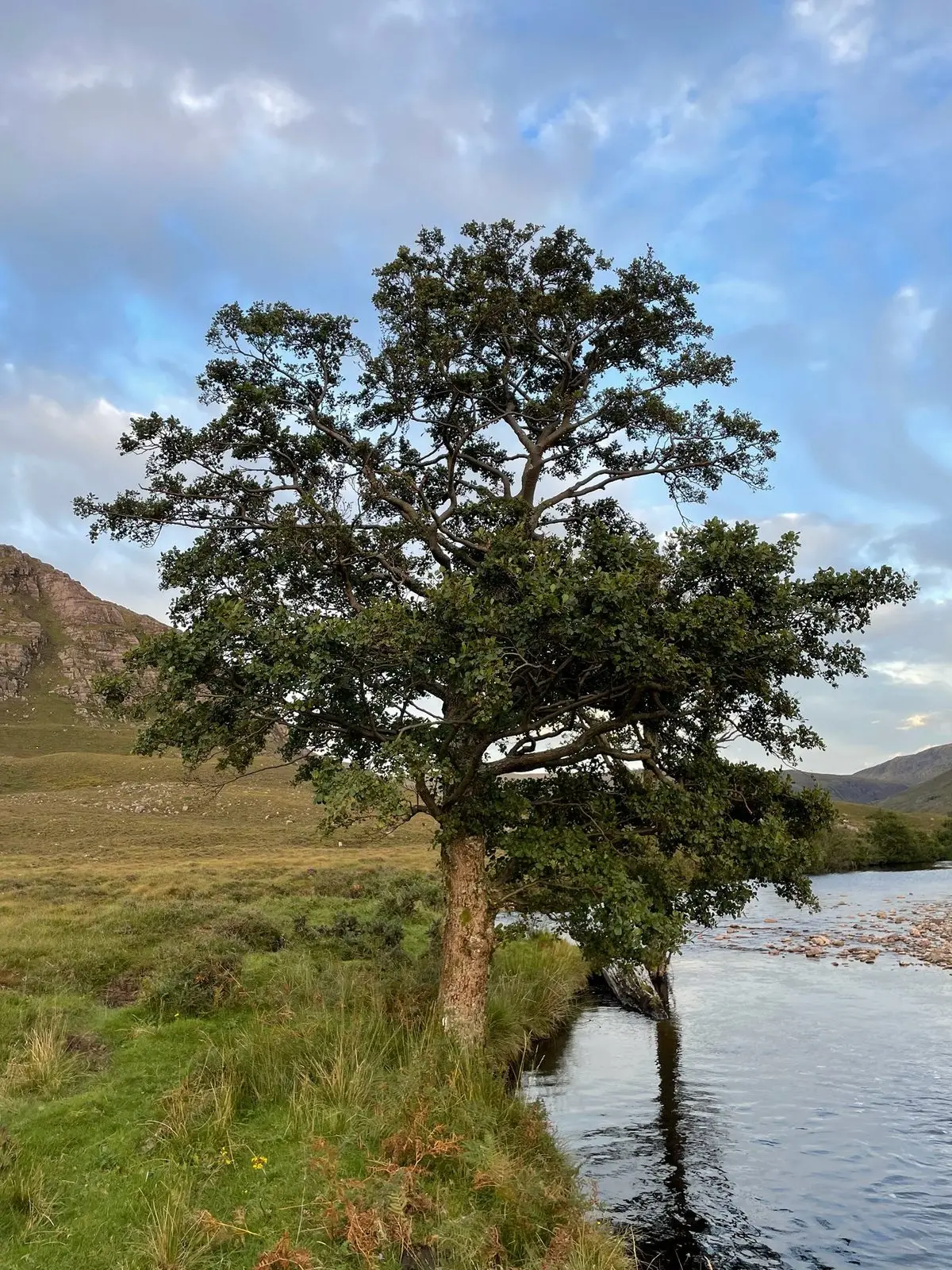
Riverbanks, streamsides, lake and fen edges, bogs, and the wet woodland called alder carr, where it is often the only tree. It grows almost everywhere in Britain and Ireland, and now and then on drier ground.
Free to download.
Every fact on this page is checked against the Collins Tree Guide, last in November 2026. Spotted something that looks wrong in front of a real tree? Tell us. How we check.
Photographs: Chase Mathey (CC BY 4.0), nick88 (CC0), Leon Cross (CC BY 4.0), Alexis Tinker-Tsavalas (CC BY 4.0), steve_mcwilliam (CC0), Owen and Carol Fawcett. (CC BY 4.0), scallions (CC BY 4.0), Jan Sheppard (CC BY 4.0), sim_elliott (CC0). With thanks to everyone who shares their photographs on iNaturalist and Wikimedia Commons.