Five lobes on strong shoots, dark greyish green above and thick with white fuzz underneath, on a flattened stalk.
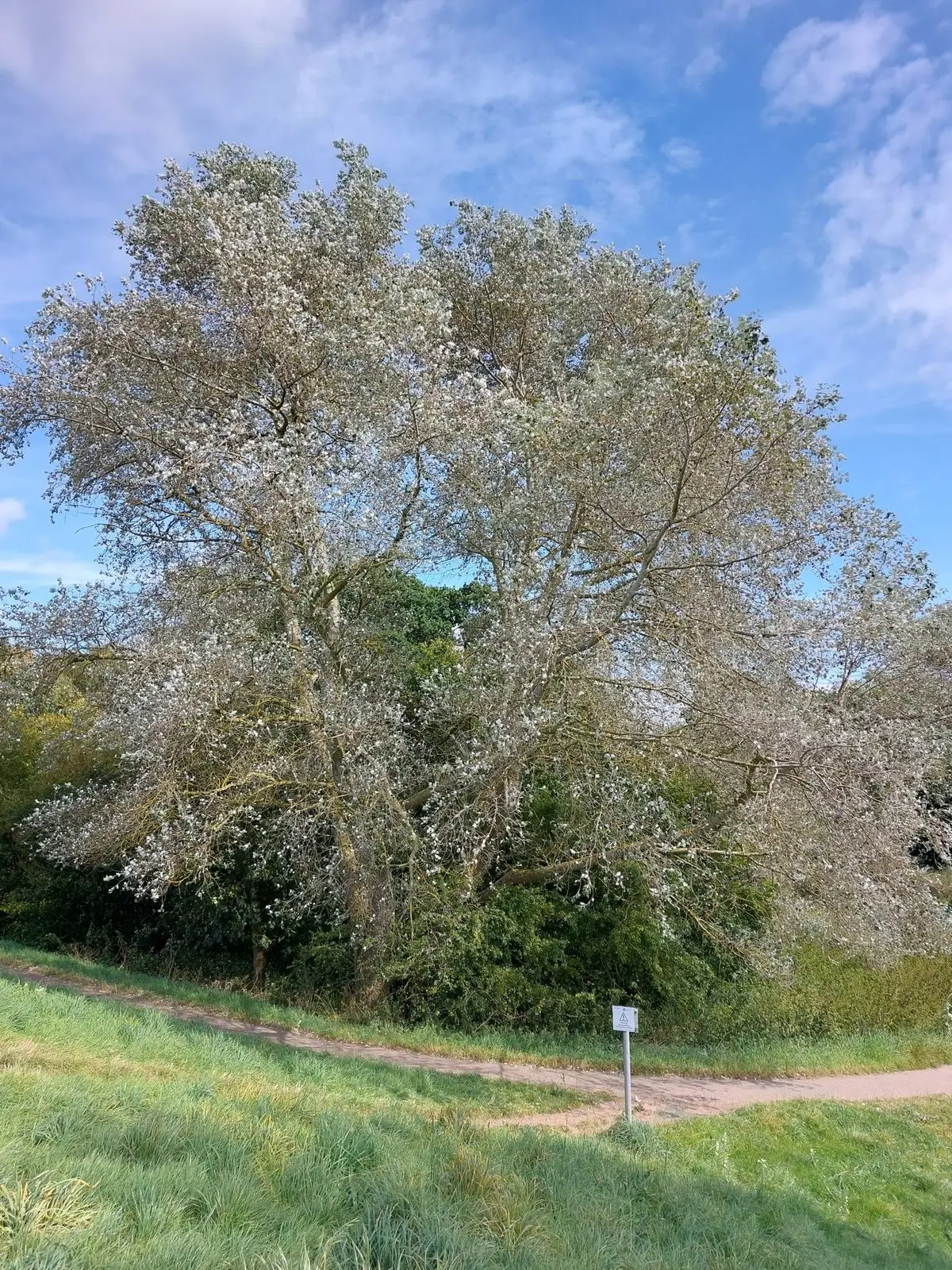
Introduced, naturalised · Up to 28 m
White poplar
Populus alba · Salicaceae
Also called abele
White poplar is a leaning tree, often with young shoots coming up from the roots around it. Its leaves have a thick white fuzz underneath that lasts all season.
Often mistaken for common whitebeam. How to tell them apart →Know it by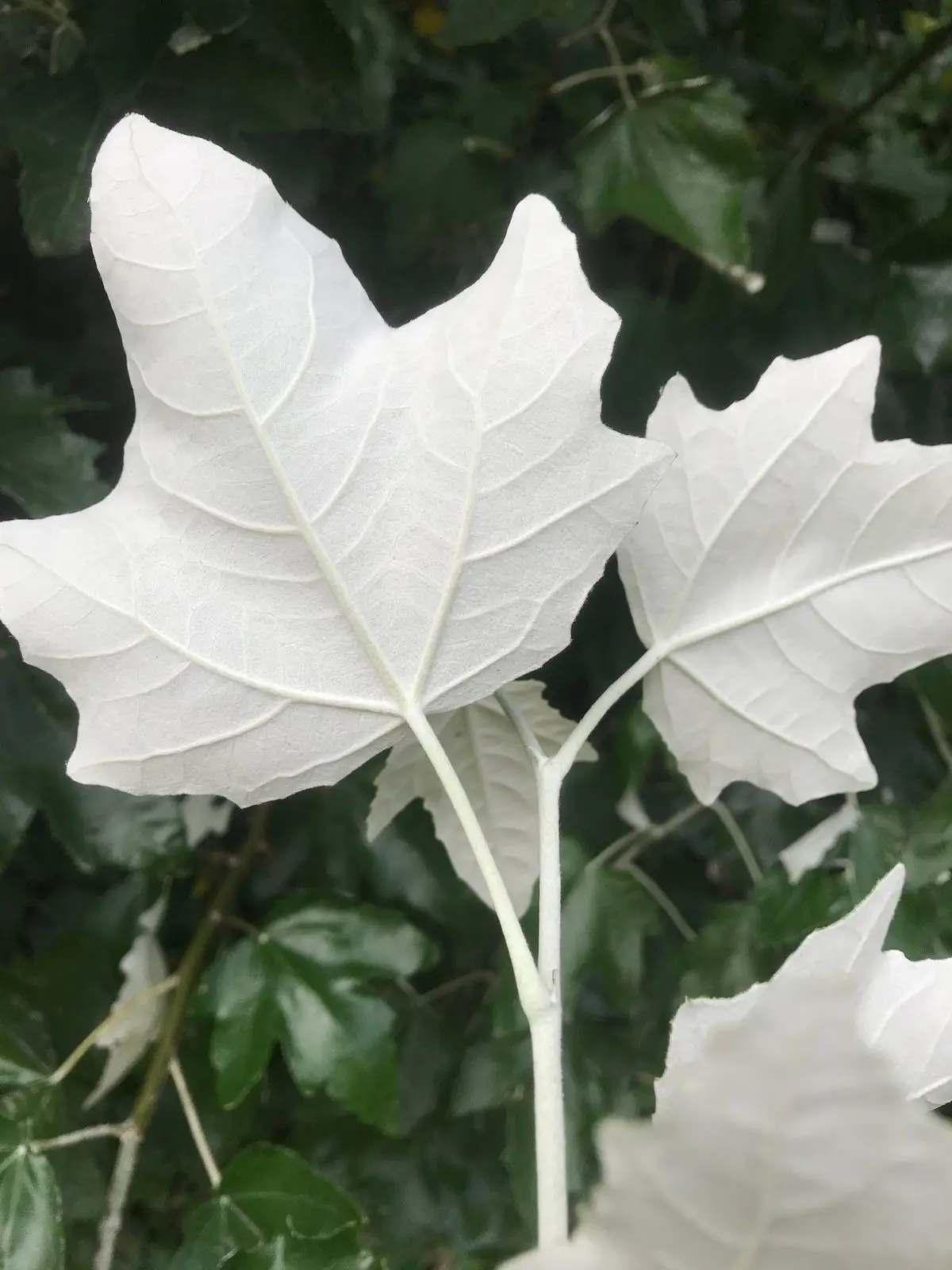 LeavesFive lobes on strong shoots, greyish green above, flattened stalk.
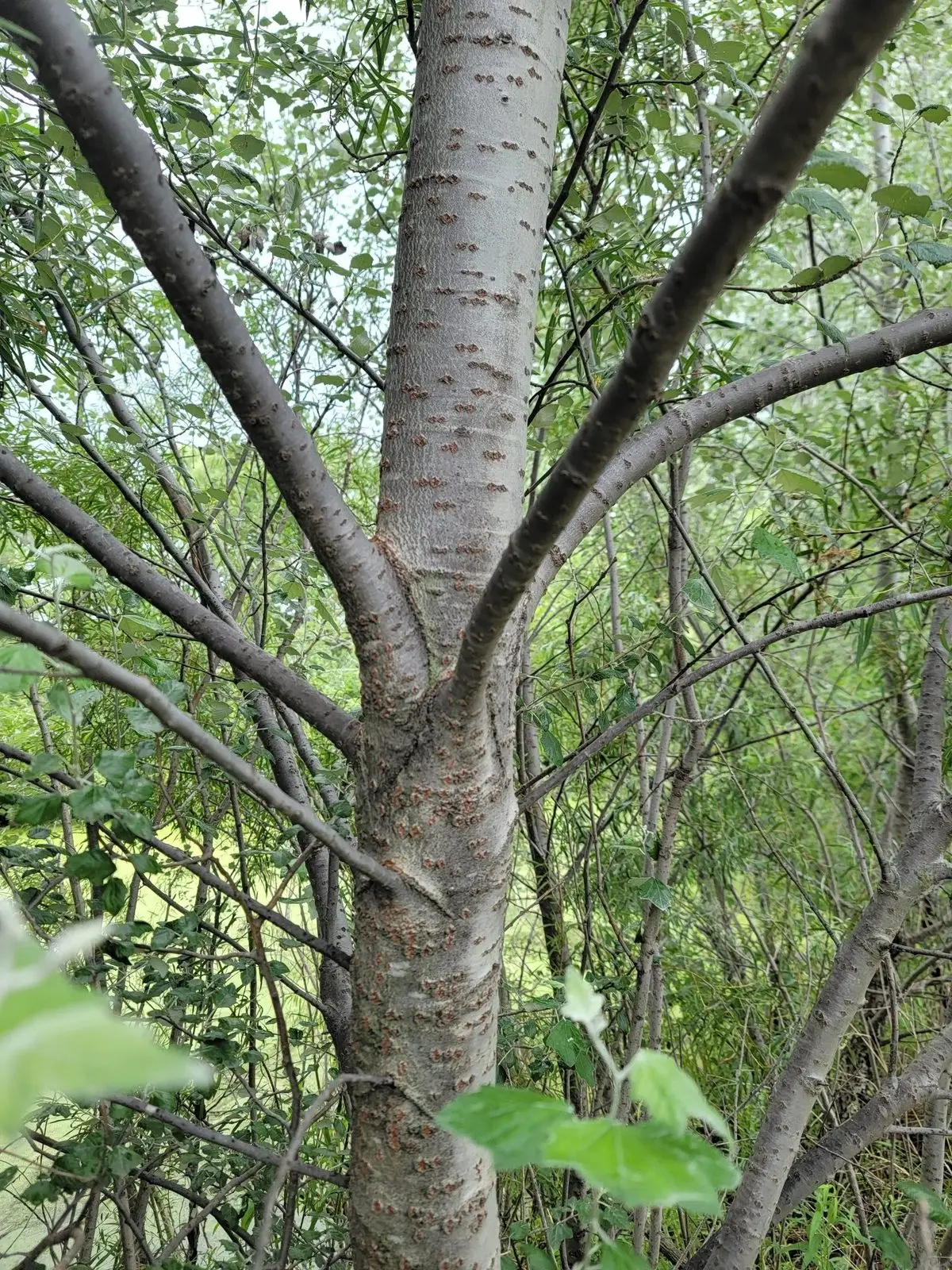 BarkPale grey and smooth, black and cracked at the base when old.TwigsDumpy fuzzy buds pressed close to the shoot in a spiral.
LeavesFive lobes on strong shoots, greyish green above, flattened stalk.BarkPale grey and smooth, black and cracked at the base when old.TwigsDumpy fuzzy buds pressed close to the shoot in a spiral.Then check · ShapeBroad and leaning, with light, twiggy branches going every way, and young shoots rising from its roots up to 30 m out.
How to identify a white poplar
Pale grey and smooth, with lines of black diamond-shaped marks. Old trees are dark and cracked at the base.
White fuzz covers the shoots all winter, and the dumpy buds too, pressed close to the shoot in a spiral.
 Learn the white poplar in TreelyEvery part through the year, and a short round each day until you know it.Get Treely
Every part, in photographs
hjcjim, CC BY 4.0Logan, CC BY 4.0When to look
JFMAMJJASOND
In leaf
Catkins
In leaf: April to October · Catkins: February to March
Where you’ll find it
Damp ground, often near water. It is planted in parks and on roadside verges, where it spreads by shoots from its roots. It is grown on the coast as a windbreak, since it stands salt spray and roots in sand. It is commonest near the coast, where it spreads into thickets, and less frequent inland.
What it’s mistaken for
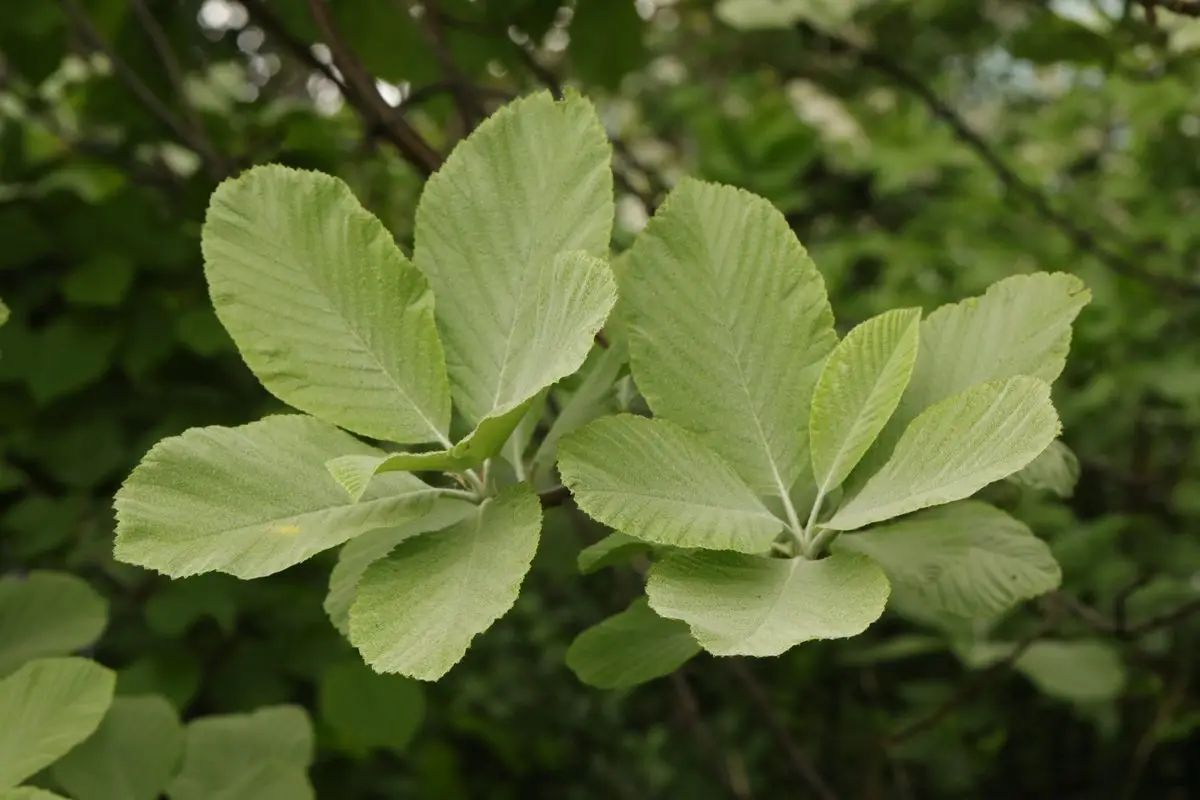
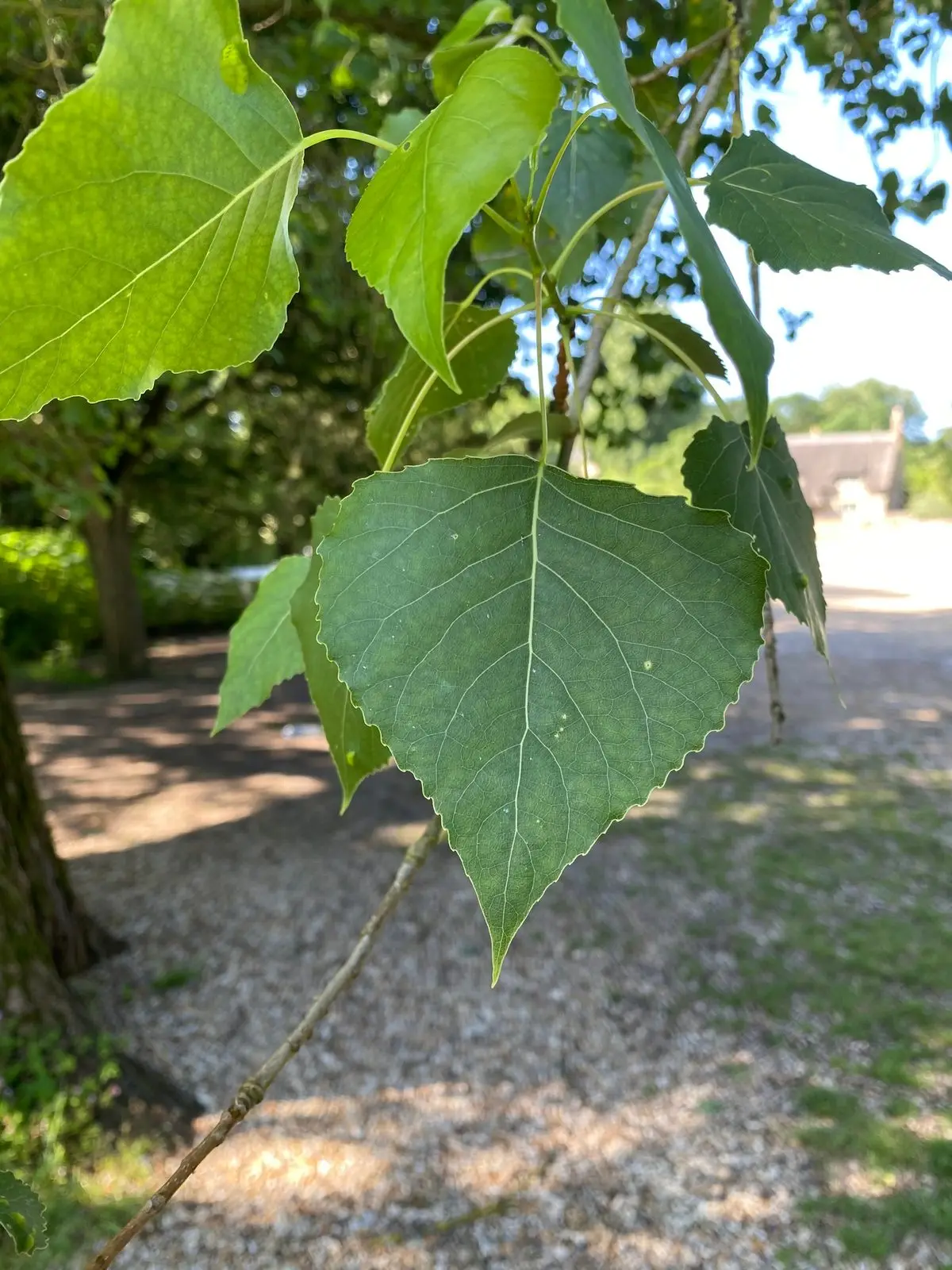
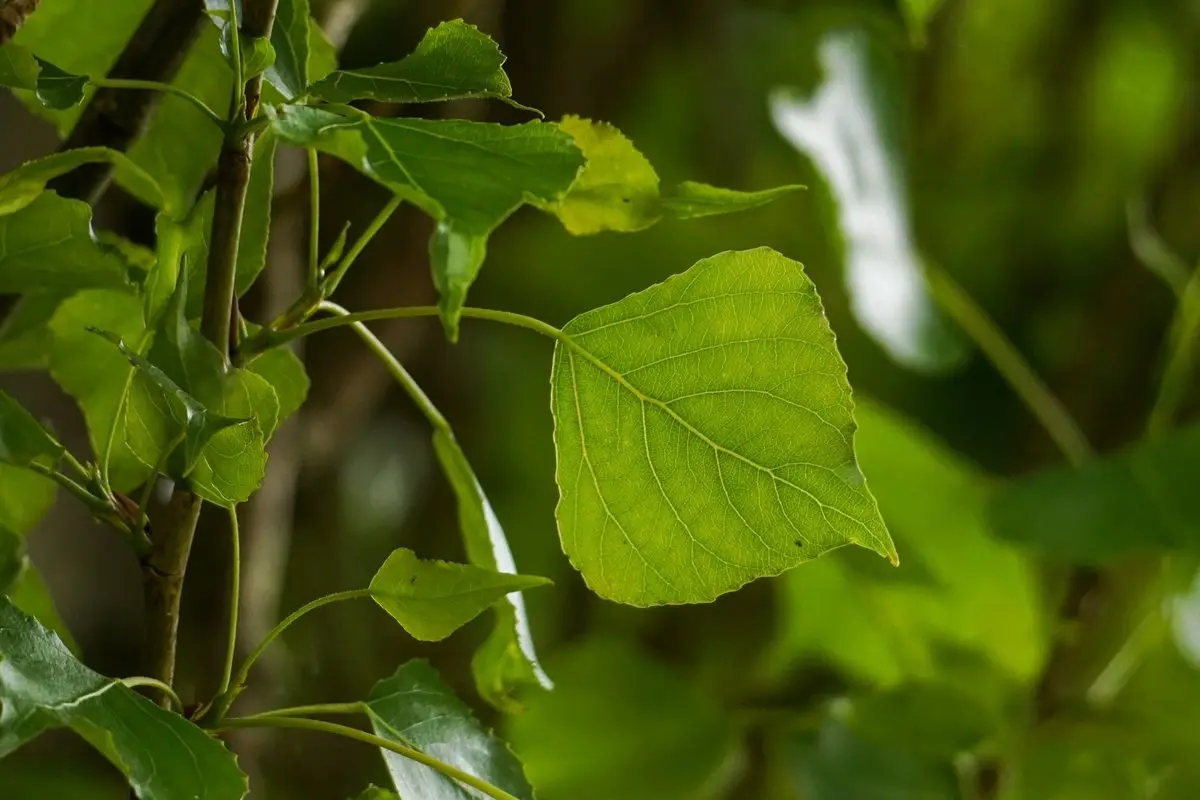
- Grey poplarGrey poplar is a cross of white poplar with aspen, and a big tree labelled white poplar is nearly always grey poplar. Leaf. White poplar: thick white fuzz, kept all season. Grey poplar: thin grey fuzz, gone from all but the newest.
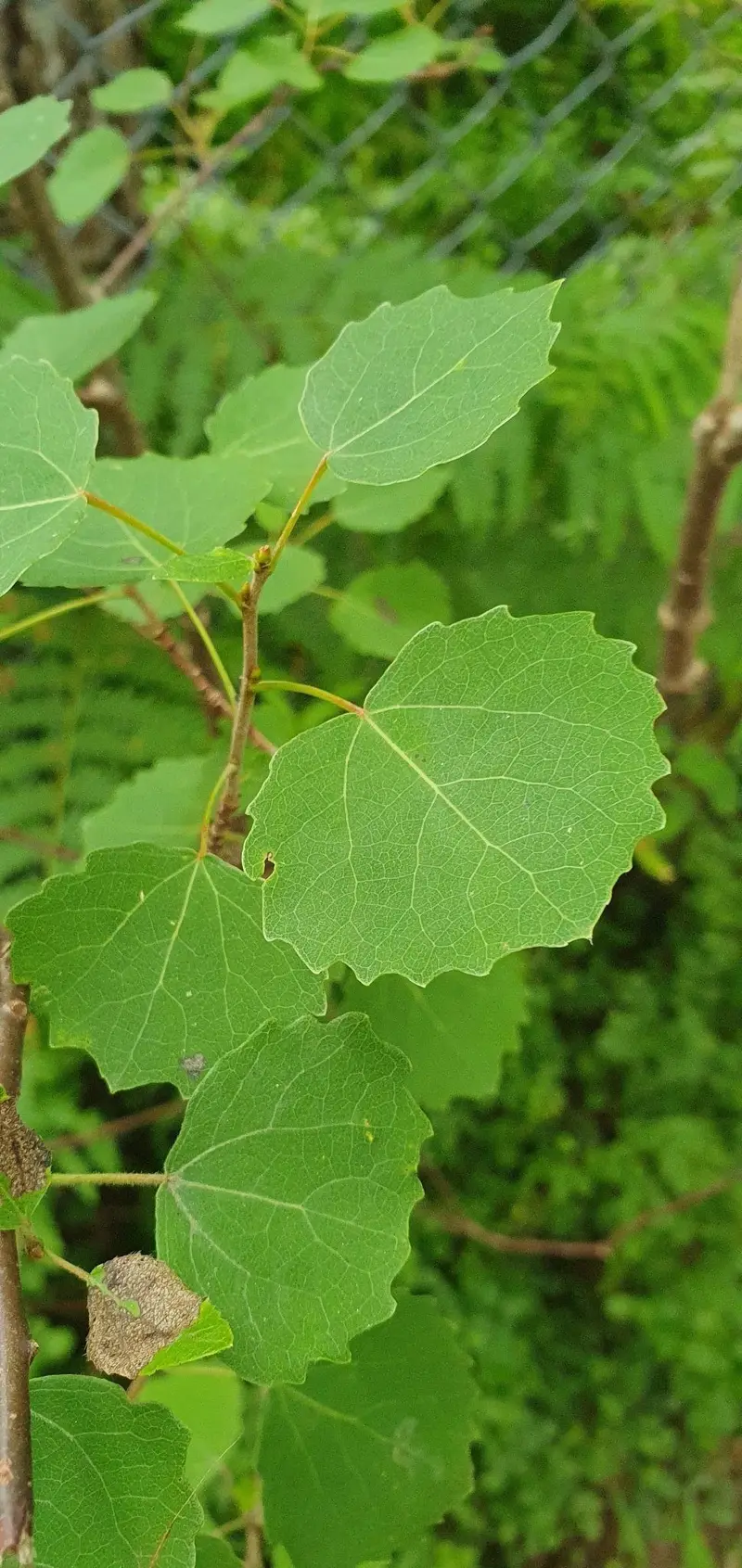
- AspenBoth are poplars with leaves on flattened stalks that turn in the least breeze. Leaf. White poplar: thick white fuzz right across. Aspen: smooth and green.
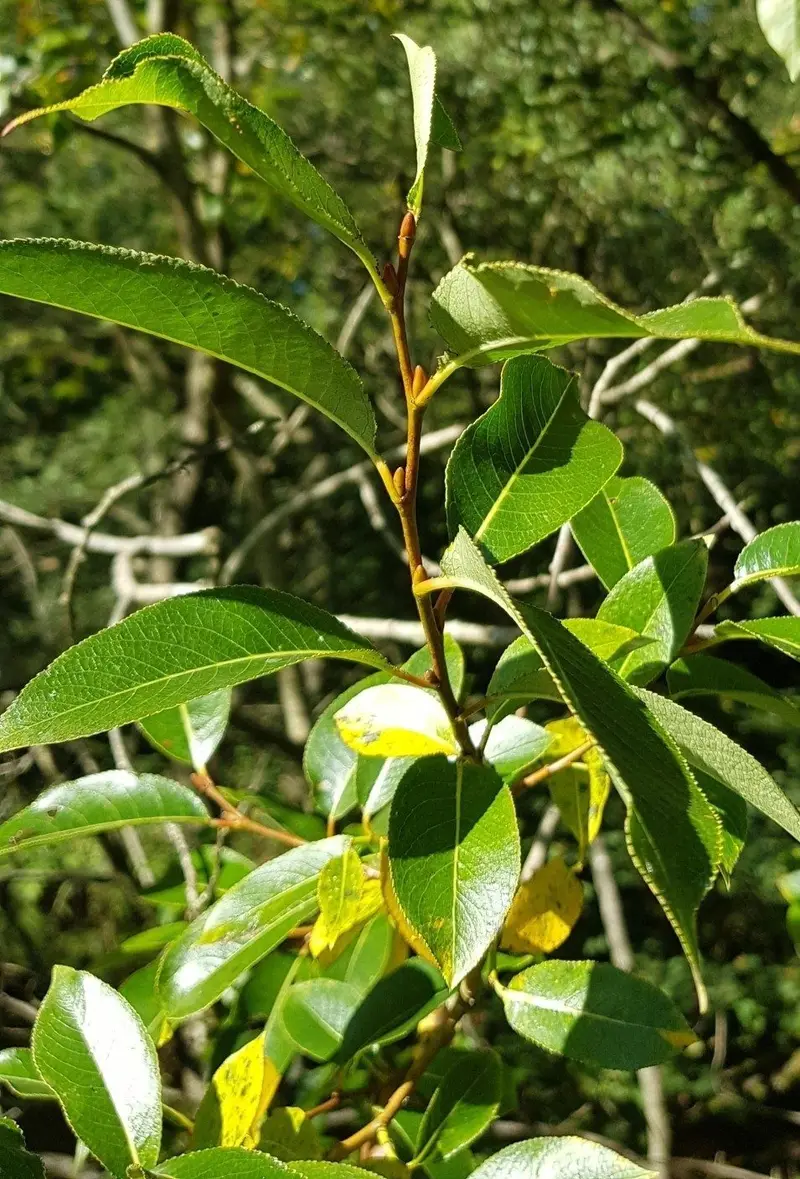
- Black poplarBoth have knobbly twigs, and the leaves are what tell them apart. Leaf. White poplar: thick white fuzz right across. Black poplar: shiny green, like the top.
In the app
There’s more of the white poplar in Treely
- Every part, through the yearLeaves, bark, buds, flowers and fruit, photographed in every season
- Its lookalikes, side by sideThe checks that settle it, part by part
- A short round each dayUntil you know the white poplar on sight, from any side
- Name it from a photoA leaf, the bark or a flower, and Treely tells you which tree
Free to download.
Every fact on this page is checked against the Collins Tree Guide, last in November 2026. Spotted something that looks wrong in front of a real tree? Tell us. How we check.
Photographs: johnt77 (CC0), hjcjim (CC BY 4.0), Logan (CC BY 4.0), steve_mcwilliam (CC0). With thanks to everyone who shares their photographs on iNaturalist and Wikimedia Commons.