Oval and leathery, 5 to 12 cm long, dark green and very glossy above, bluish grey beneath, with fine teeth.
Native, in northern Britain · Up to 20 m
Bay willow
Salix pentandra · Salicaceae
Bay willow grows as a large shrub or small tree, by rivers and on wet ground. Its thick, oval leaves are dark green and very glossy.
Know it by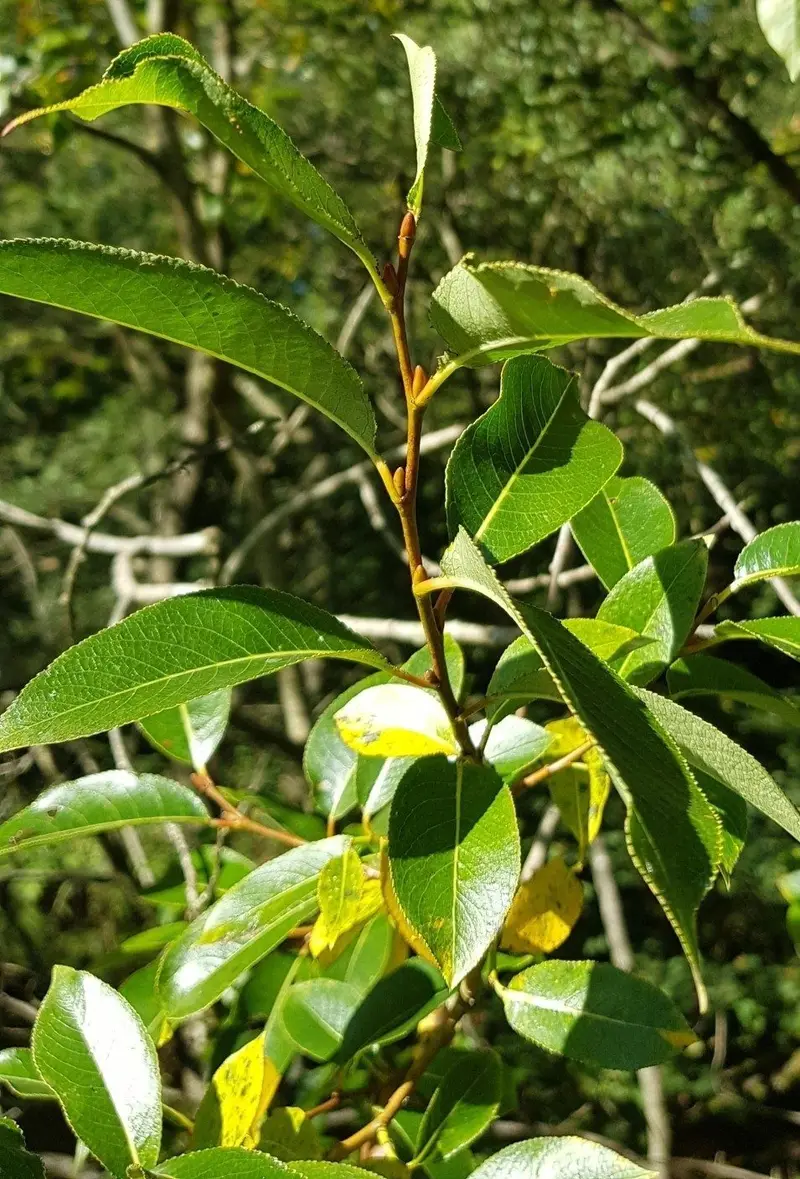 LeavesOval and leathery, 5 to 12 cm, bluish grey beneath, finely toothed.
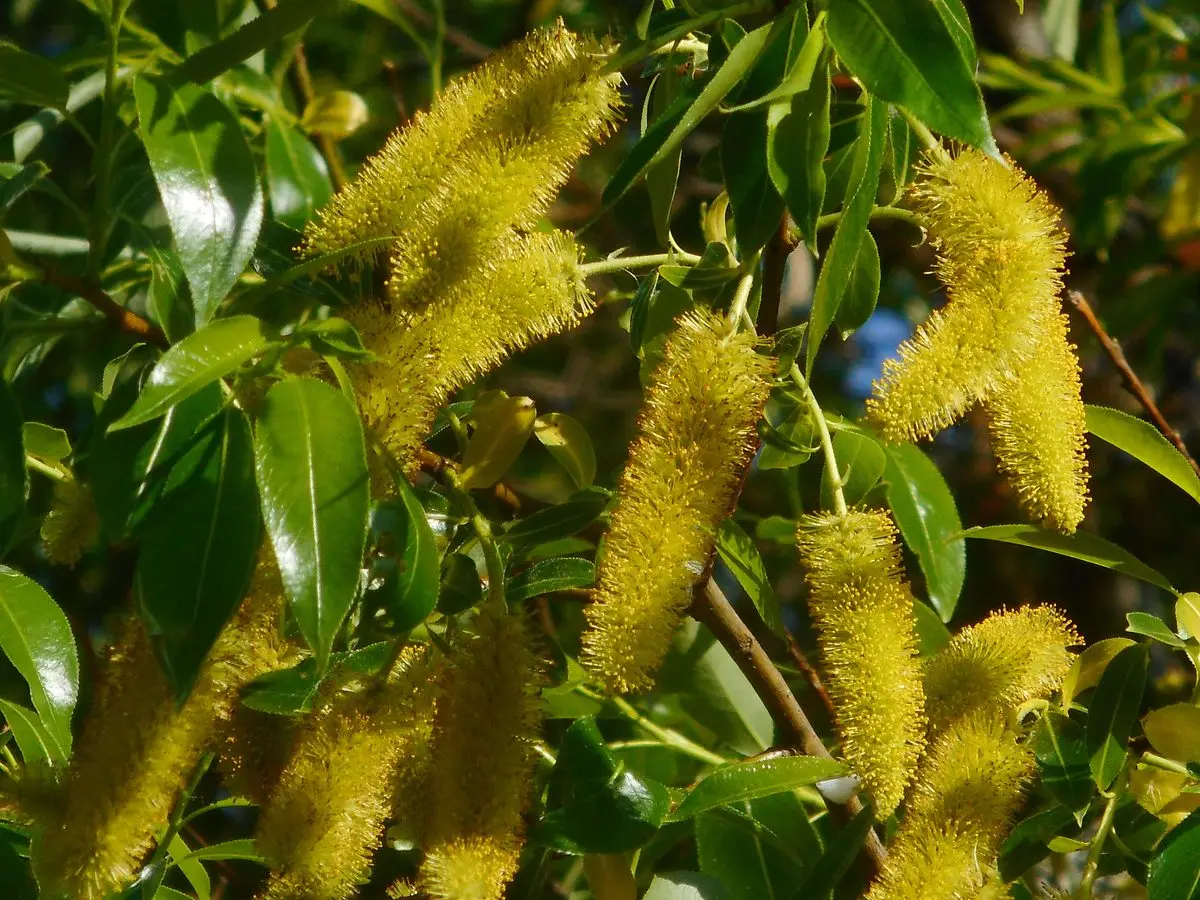 CatkinsMale upright and bright yellow, female dull green and drooping.TwigsGreenish brown and hairless, with narrow, sticky buds.
LeavesOval and leathery, 5 to 12 cm, bluish grey beneath, finely toothed.CatkinsMale upright and bright yellow, female dull green and drooping.TwigsGreenish brown and hairless, with narrow, sticky buds.Then check · ShapeA dense dome that looks blackish and glossy from a distance, or a bushy shrub with many stems.
How to identify a bay willow
Upright and bright yellow on male trees, dull green and drooping on female ones. They open in late May, after the leaves.
Greenish brown, hairless and highly polished. The narrow buds are glossy brown and can be sticky to the touch.
 Learn the bay willow in TreelyEvery part through the year, and a short round each day until you know it.Get Treely
Every part, in photographs
Helen Waterman, CC BY 4.0Eugene Popov, CC BY 4.0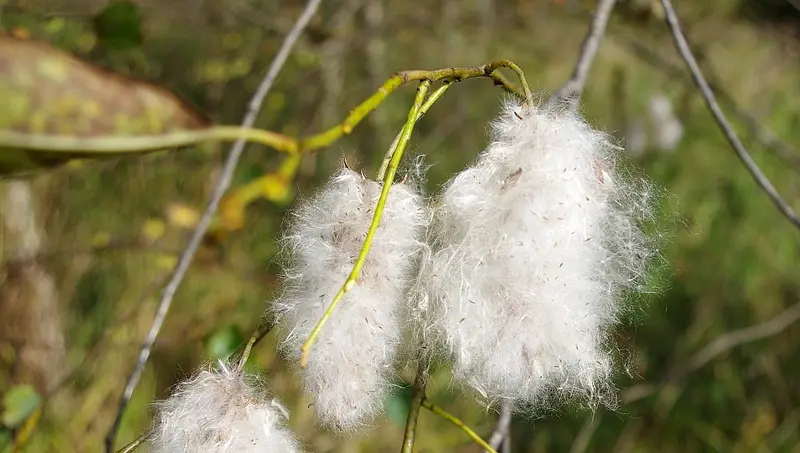 Георгий Виноградов (Georgy Vinogradov), CC BY 4.0
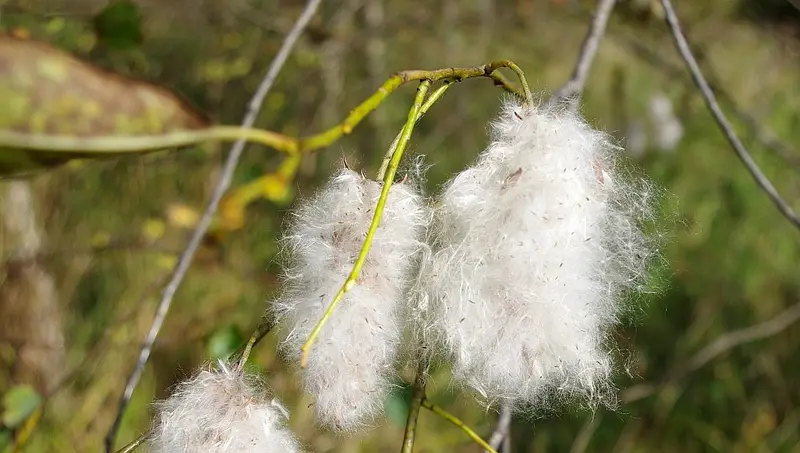 Георгий Виноградов (Georgy Vinogradov), CC BY 4.0
When to look
JFMAMJJASOND
In leaf
Catkins
Seed fluff
In leaf: April to October · Catkins: May to June · Seed fluff: June to December
Where you’ll find it
Riversides and wet woods, streamsides, marshes and fens, up to 450 m. In the north it also grows on moorland and in bogs and damp upland woods. It turns up on drier ground too, along roadsides and in neglected corners. It is fairly frequent in Britain, though not one of the commoner willows. Wild trees grow only in the north. In southern England, it was planted.
What it’s mistaken for
- Crack willowBoth are willows of wet ground with glossy, hairless leaves. Leaf. Bay willow: oval, 5 to 12 cm, rounded at the base. Crack willow: long and narrow, to 15 cm, fine point.
- White willowBoth are big willows of riversides. Leaf. Bay willow: bluish grey and hairless. White willow: white with silky hairs, kept all season.
- Goat willowBoth carry broad oval leaves rather than the narrow blade of most willows. Leaf. Bay willow: thick, leathery and highly glossy. Goat willow: dull green, wrinkled, finely hairy.
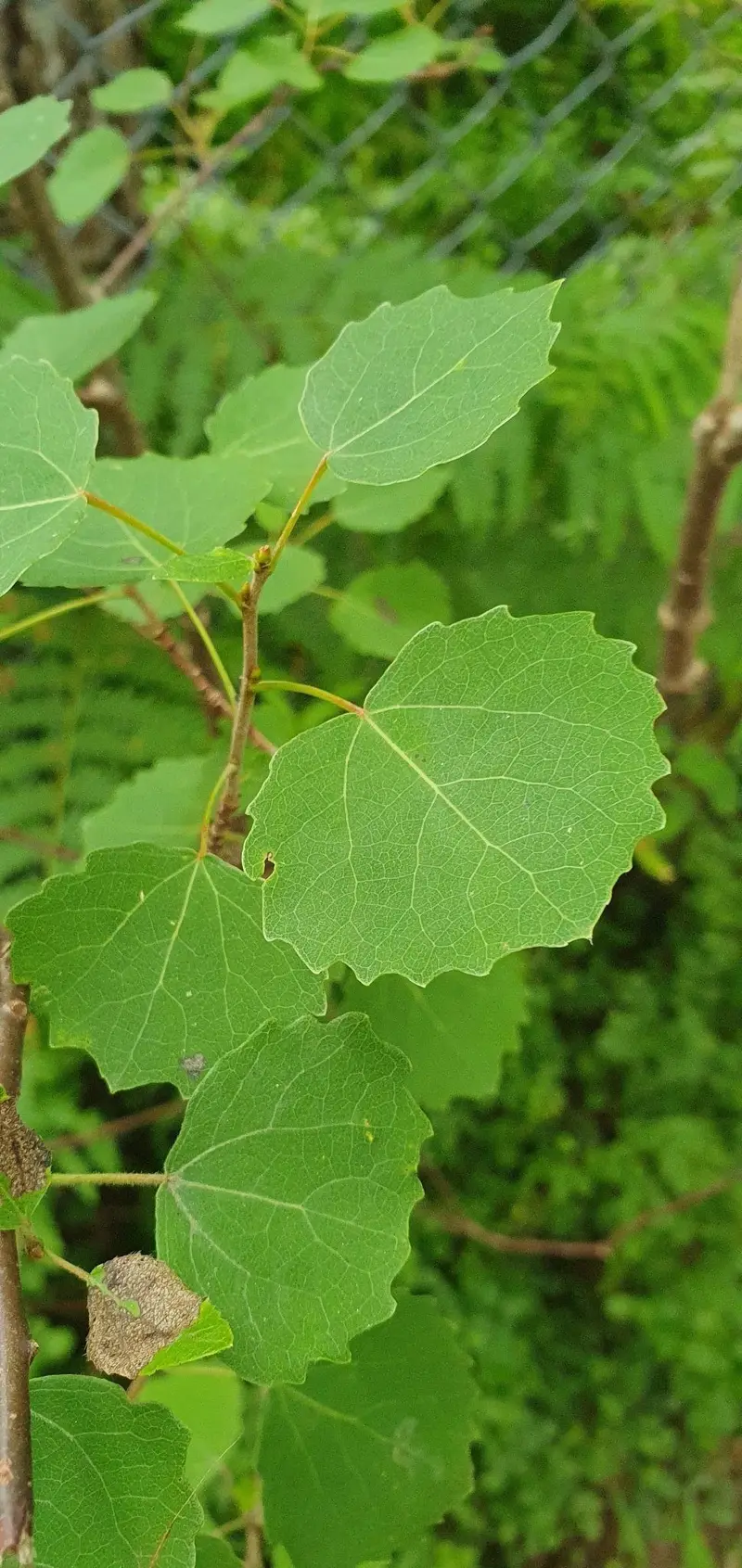
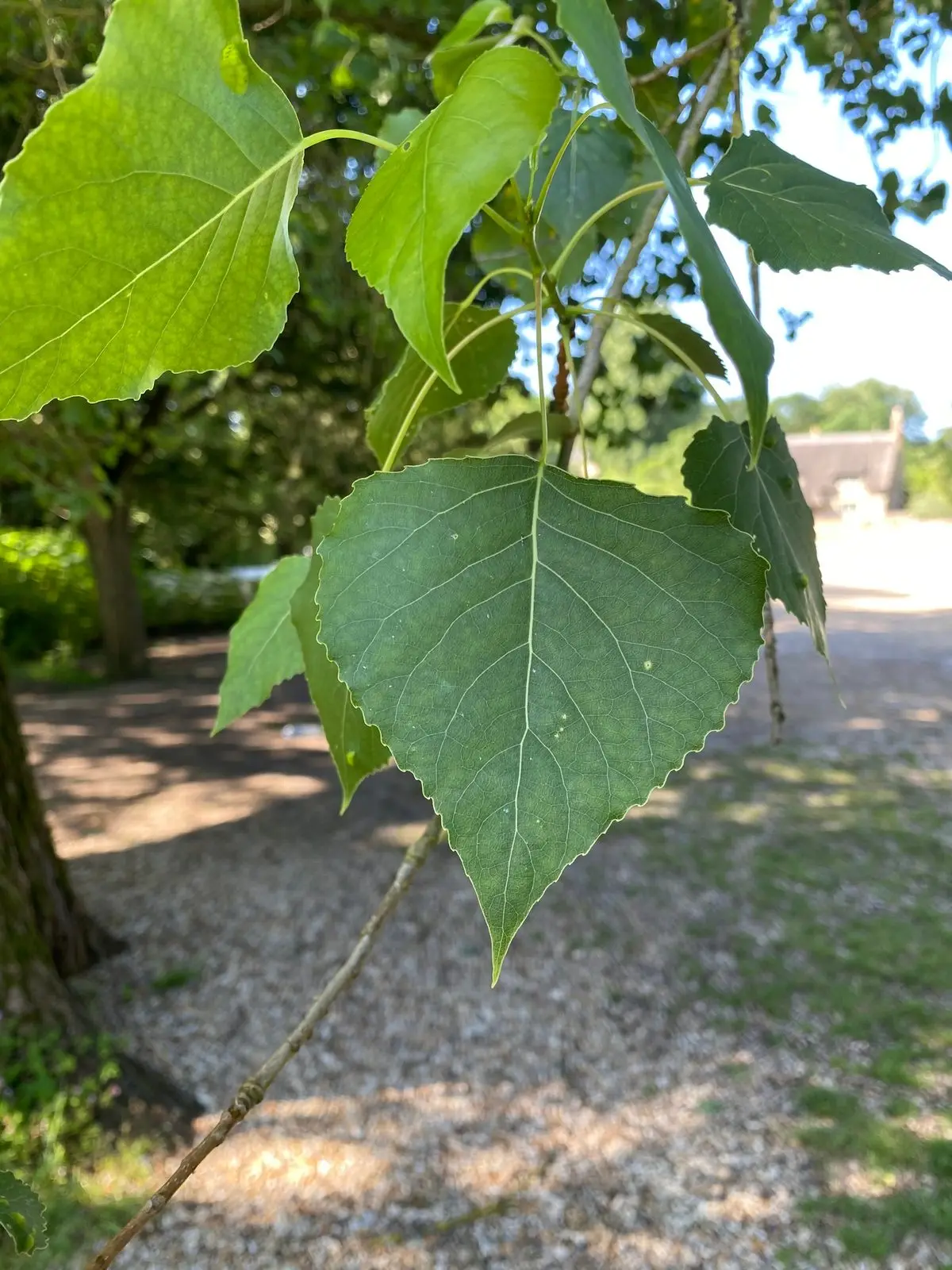
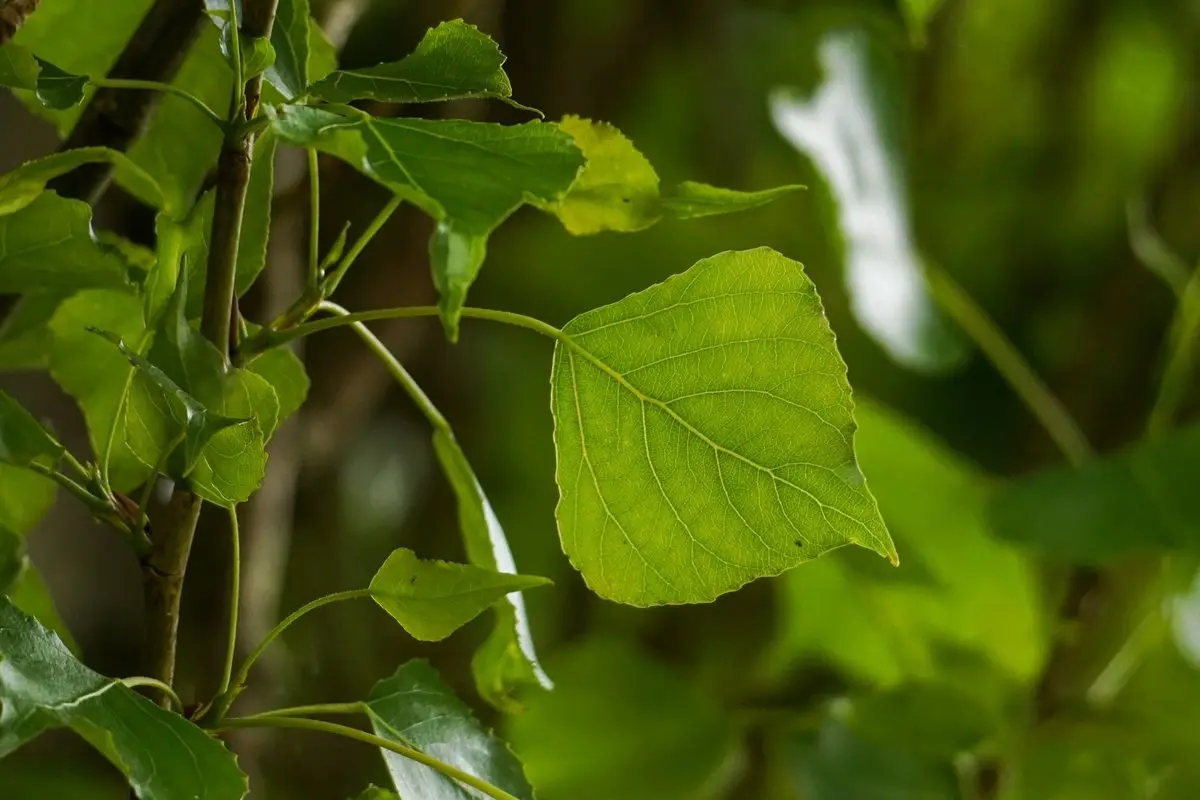
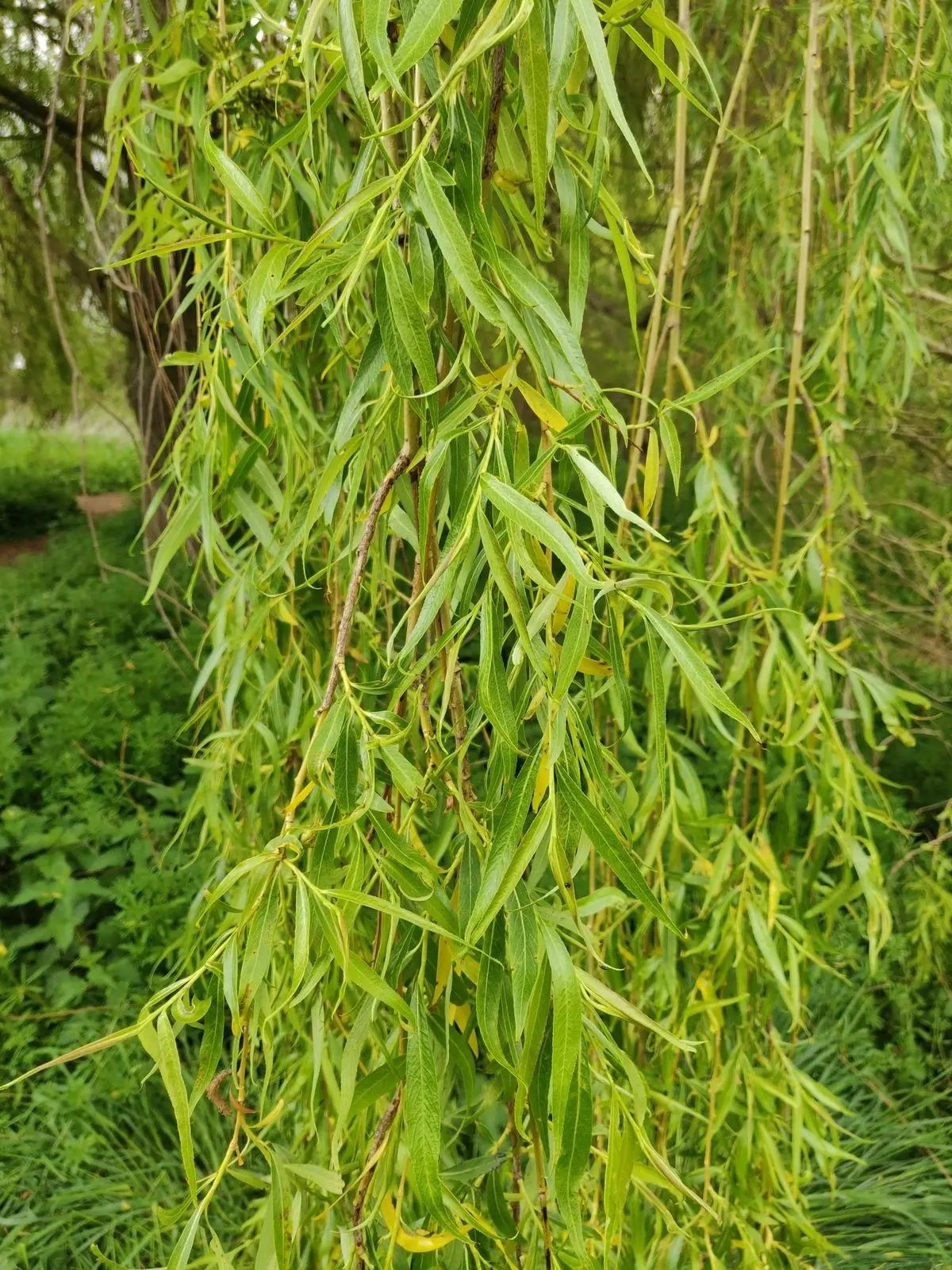
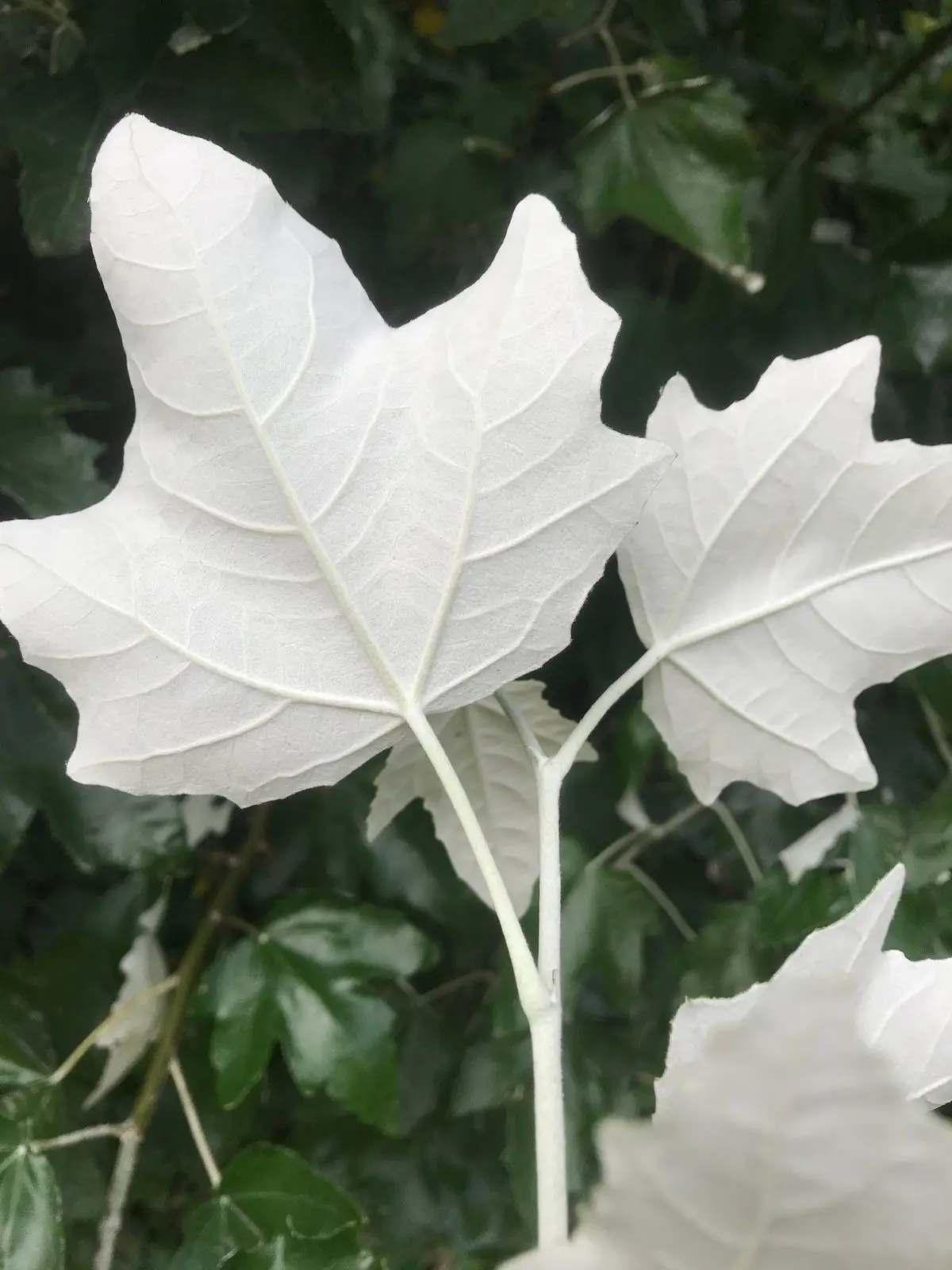
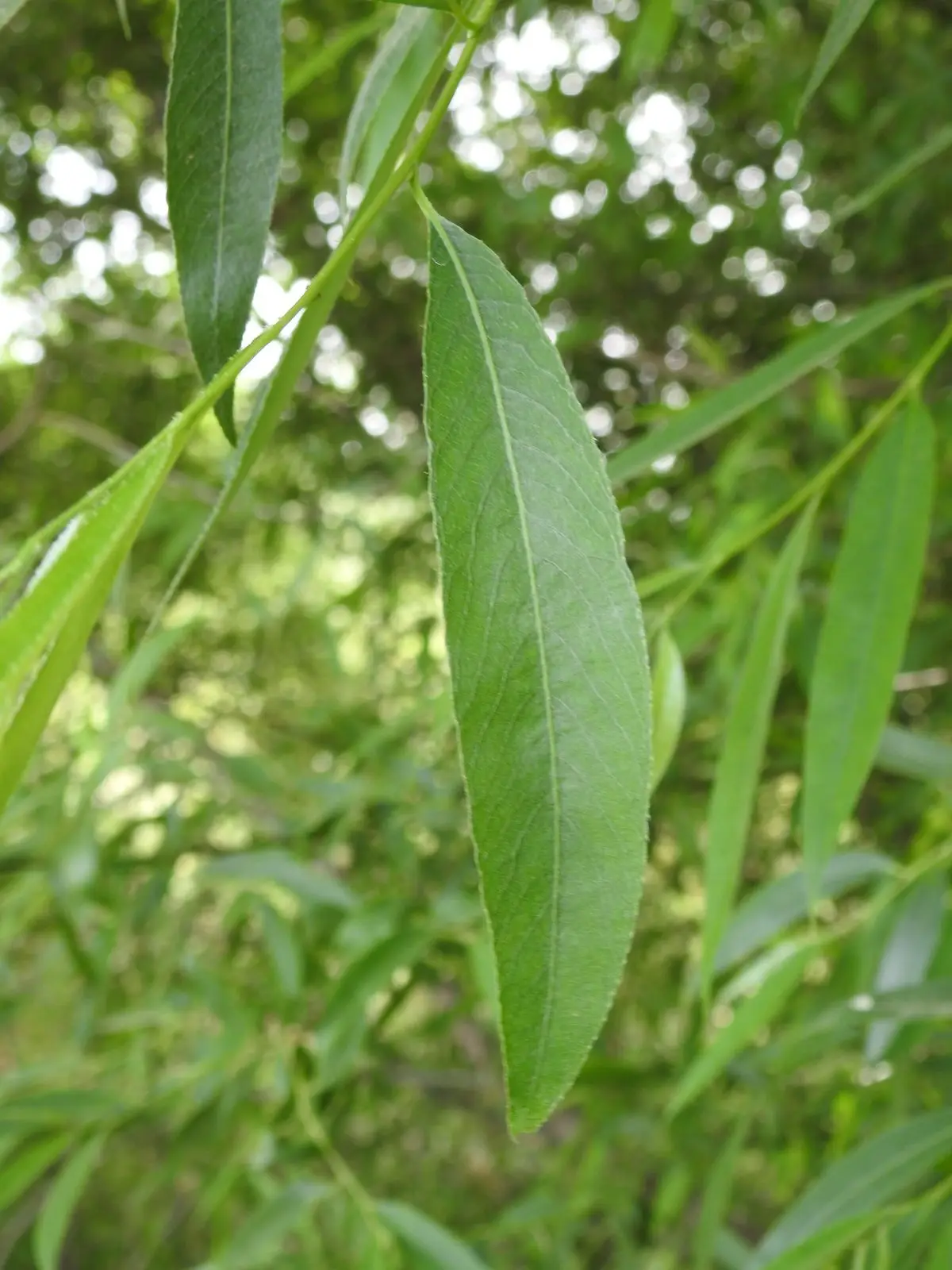
In the app
There’s more of the bay willow in Treely
- Every part, through the yearLeaves, bark, buds, flowers and fruit, photographed in every season
- Its lookalikes, side by sideThe checks that settle it, part by part
- A short round each dayUntil you know the bay willow on sight, from any side
- Name it from a photoA leaf, the bark or a flower, and Treely tells you which tree
Free to download.
Every fact on this page is checked against the Collins Tree Guide, last in November 2026. Spotted something that looks wrong in front of a real tree? Tell us. How we check.
Photographs: Георгий Виноградов (Georgy Vinogradov) (CC BY 4.0), Helen Waterman (CC BY 4.0), Eugene Popov (CC BY 4.0), alexey_yabs (CC0). With thanks to everyone who shares their photographs on iNaturalist and Wikimedia Commons.