Massive and flat-topped when old, usually wider than tall, with great level limbs holding the foliage out in flat plates.
Introduced · Up to 42 m
Cedar of Lebanon
Cedrus libani · Pinaceae
Cedar of Lebanon is a massive evergreen, and an old one is flat-topped and usually wider than it is tall. Its foliage spreads out in great level tiers.
Often mistaken for Atlas cedar. How to tell them apart →Know it by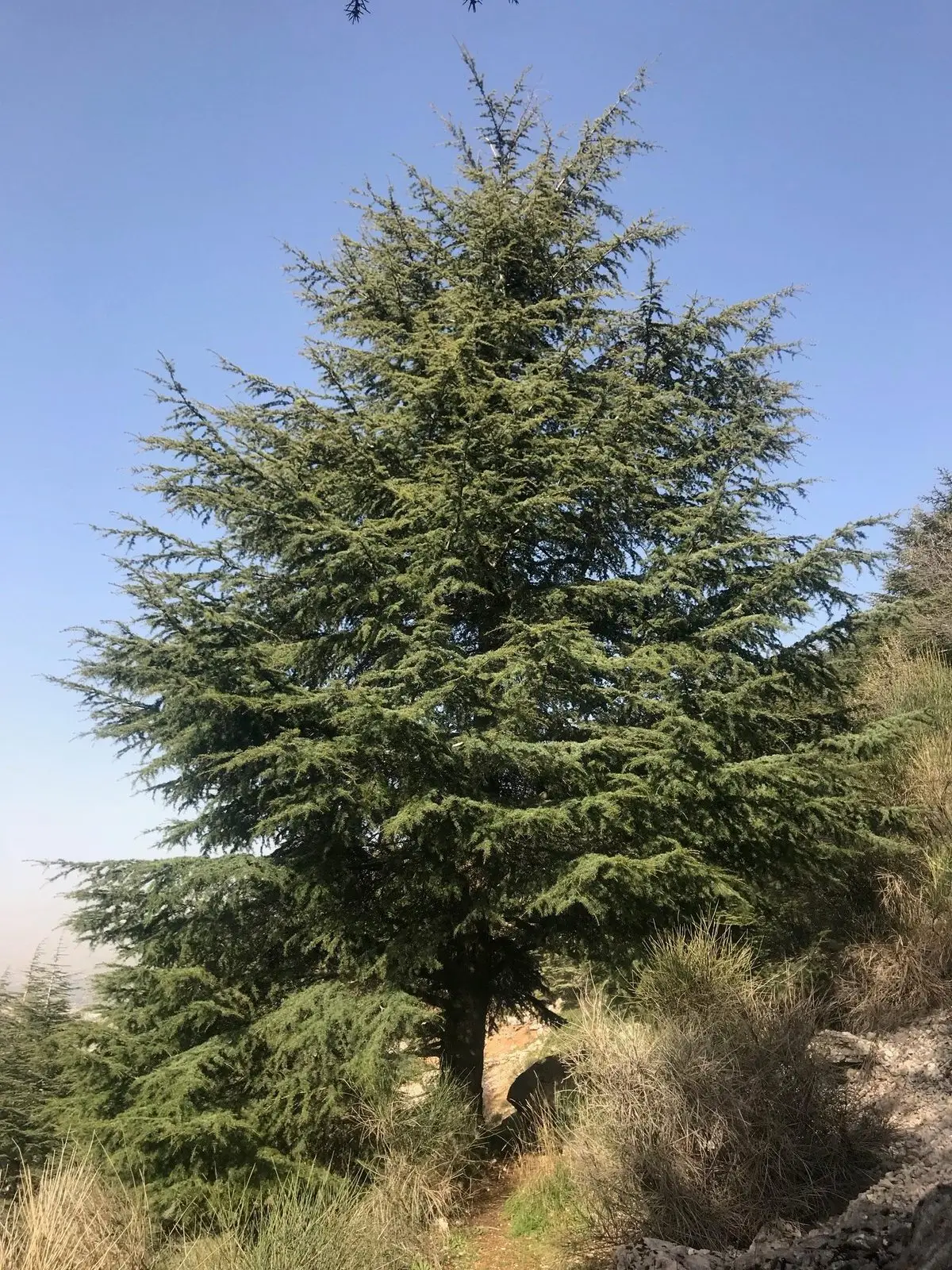 ShapeMassive and usually wider than tall, on great level limbs.
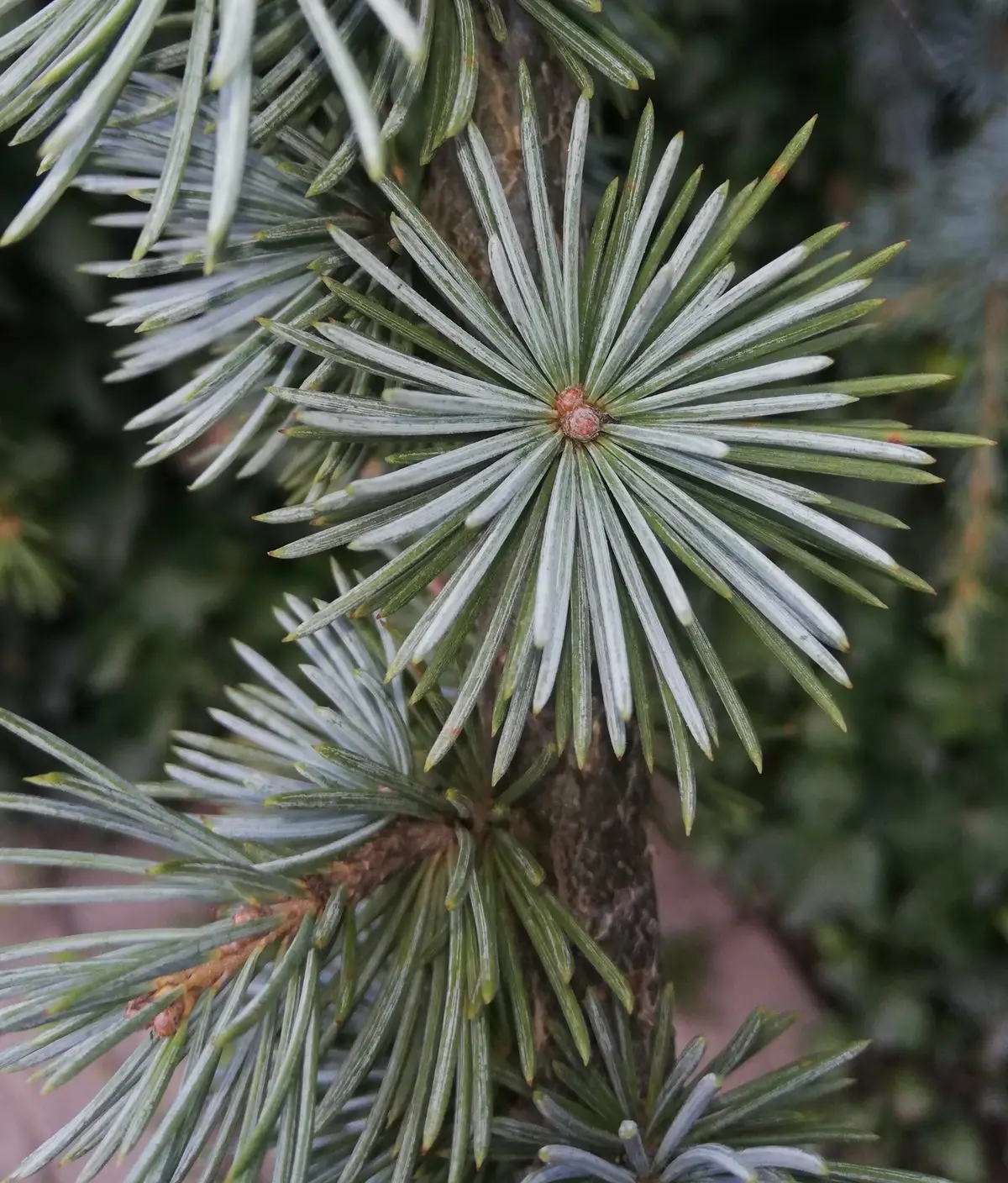
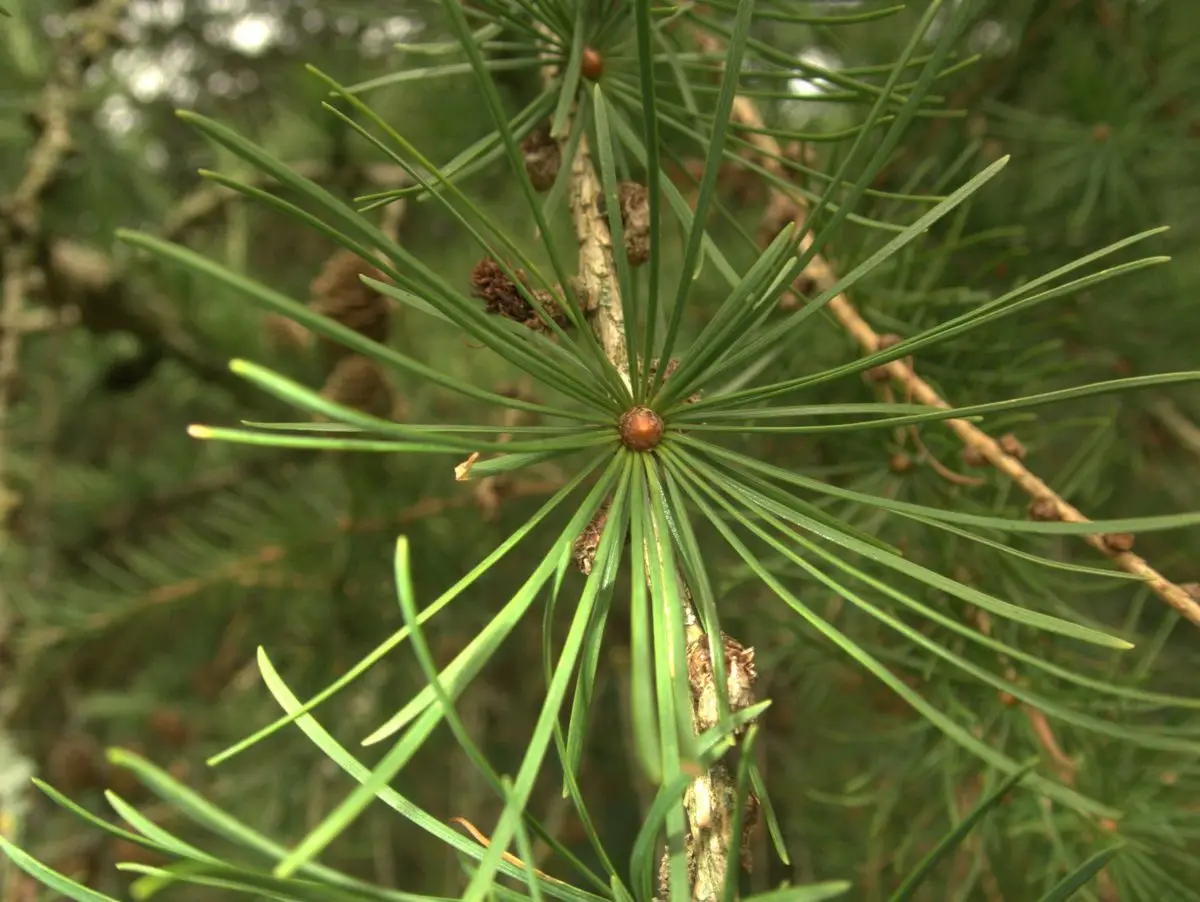
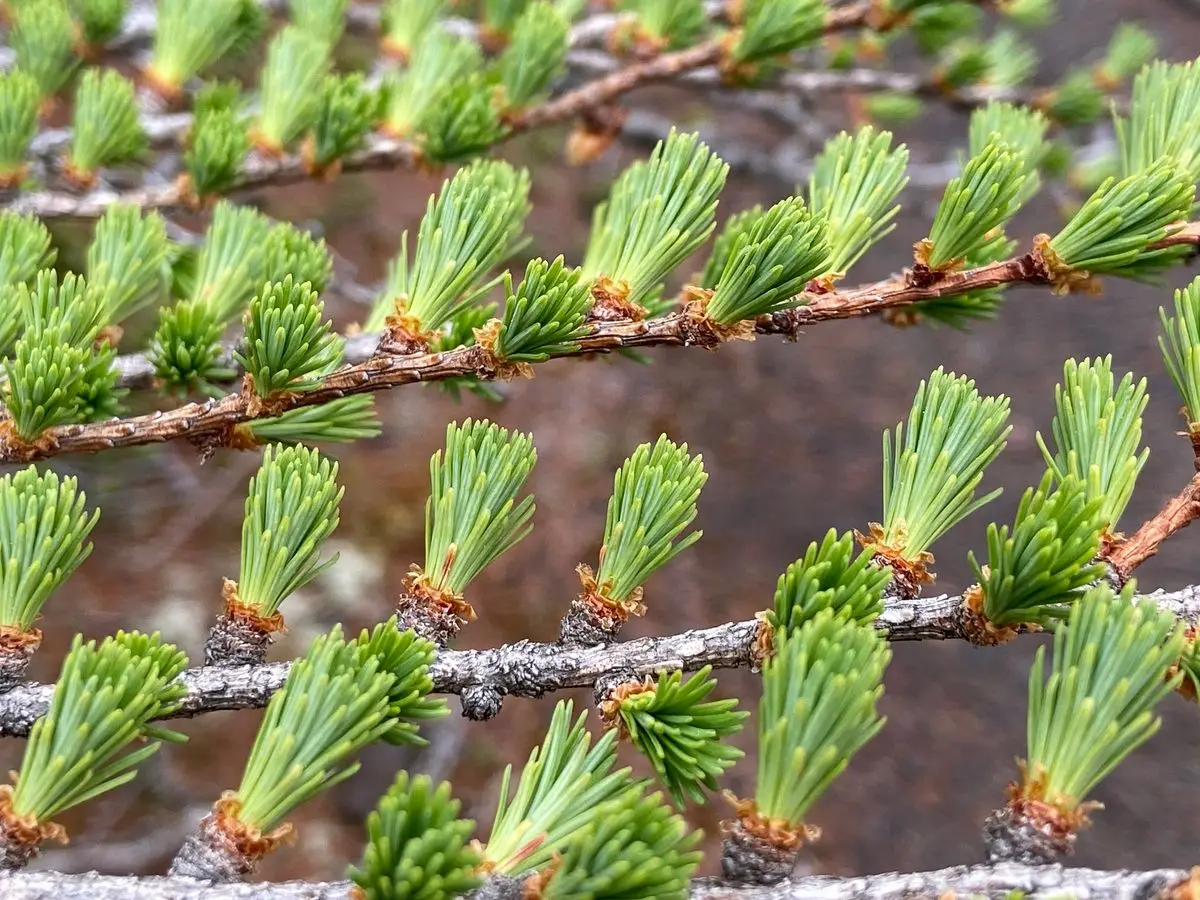
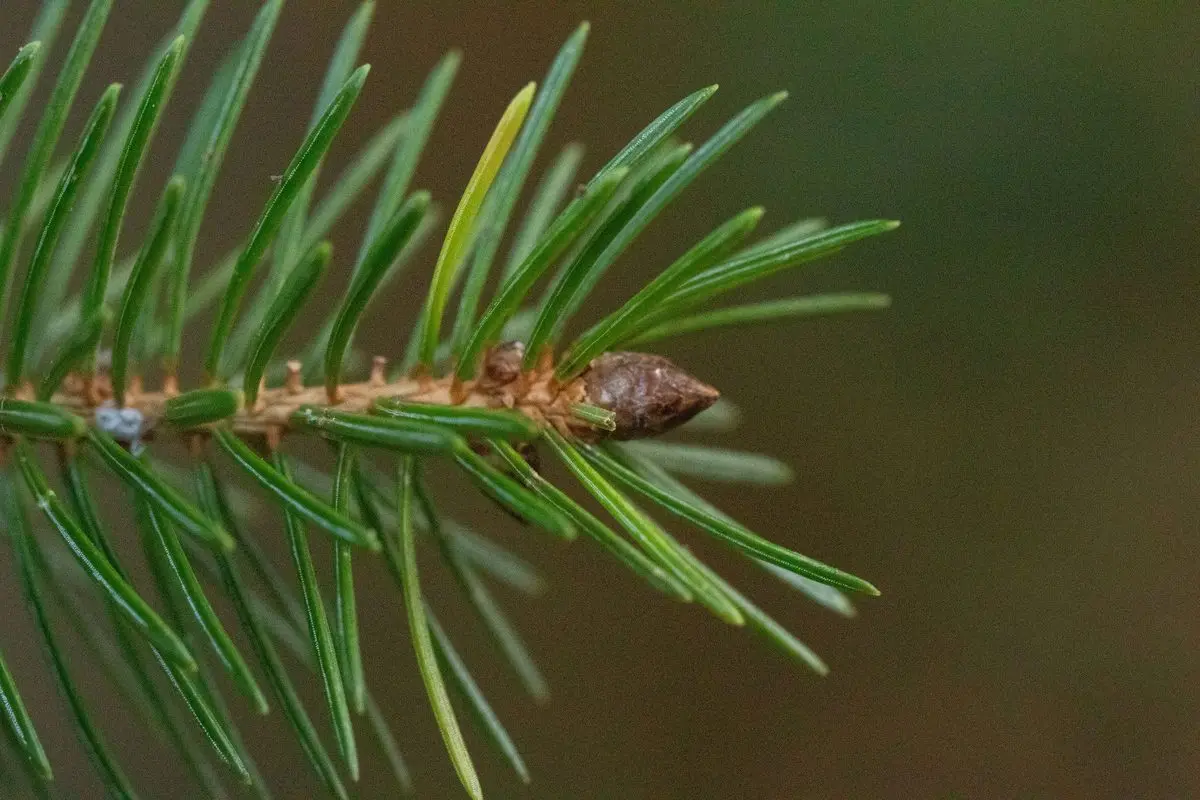
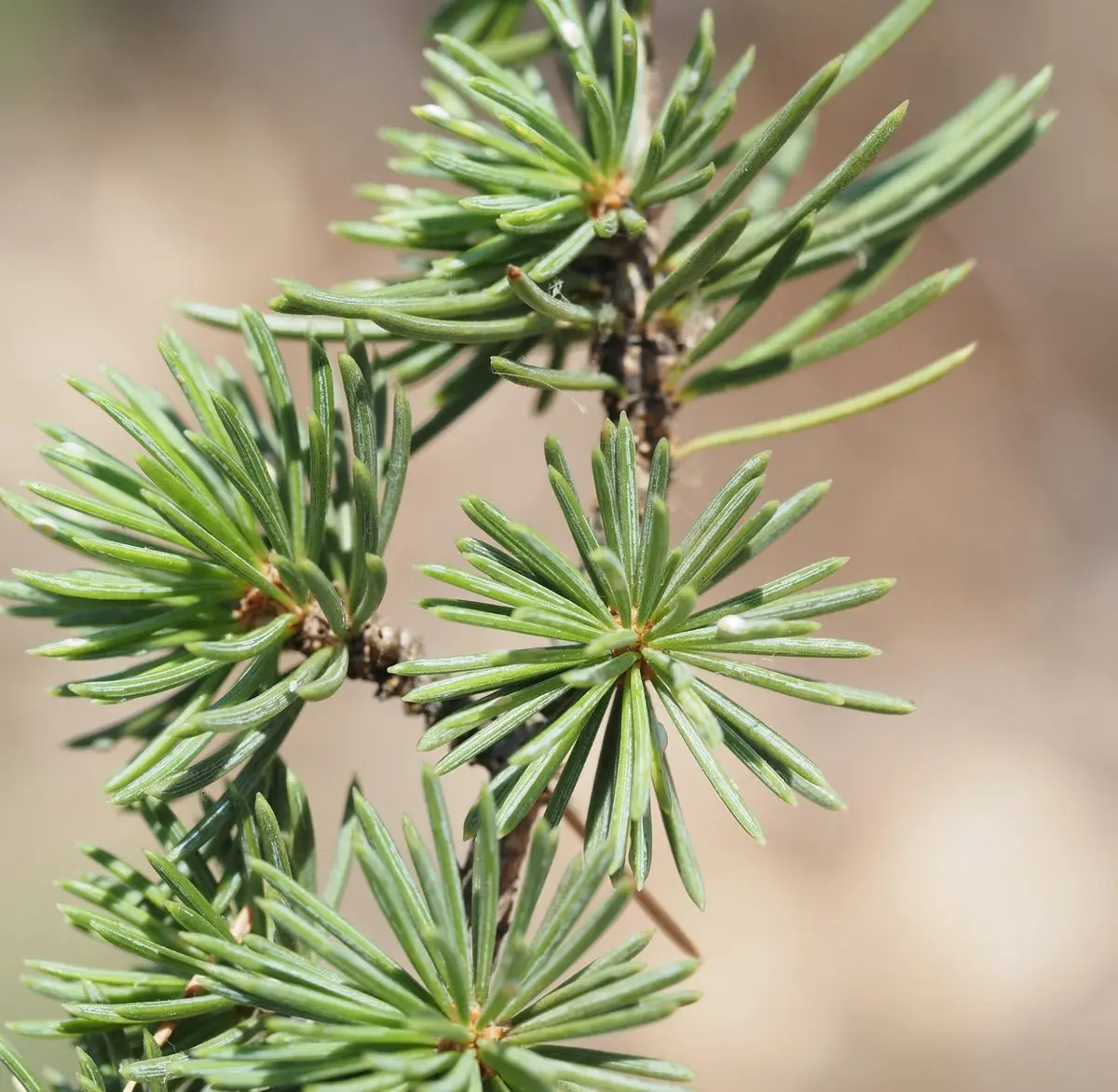 Needle tuftsStiff, dark green, about 25 mm long, on short spurs.
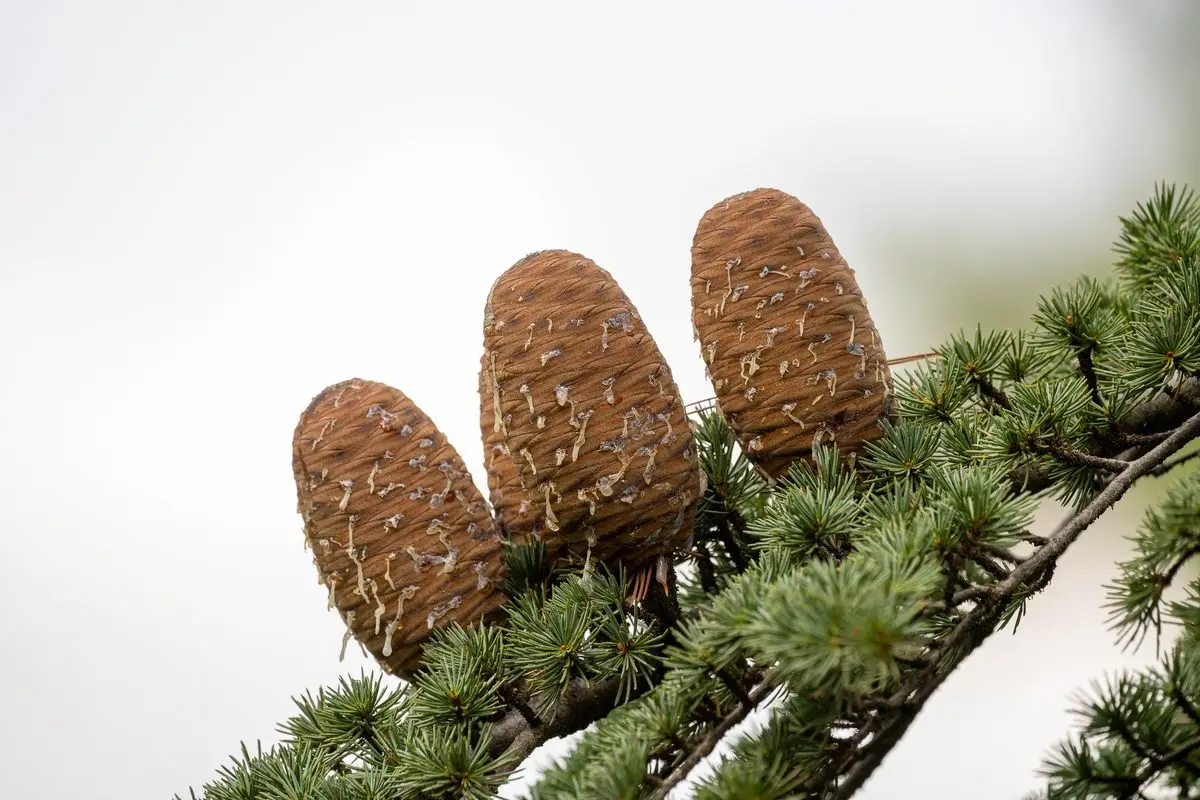 Cones8 to 12 cm long, purplish green at first and brown when ripe.
ShapeMassive and usually wider than tall, on great level limbs.Needle tuftsStiff, dark green, about 25 mm long, on short spurs.Cones8 to 12 cm long, purplish green at first and brown when ripe.Then check · BarkBlackish brown and rough on an old trunk, cracked across and up into small hard plates that peel away in chips.
How to identify a cedar of Lebanon
Stiff, dark green and about 25 mm long, in tufts of 20 to 35 on short spurs.
Barrel-shaped, 8 to 12 cm long, standing upright on the branch, purplish green at first and brown when ripe.
 Learn the cedar of Lebanon in TreelyEvery part through the year, and a short round each day until you know it.Get Treely
Every part, in photographs
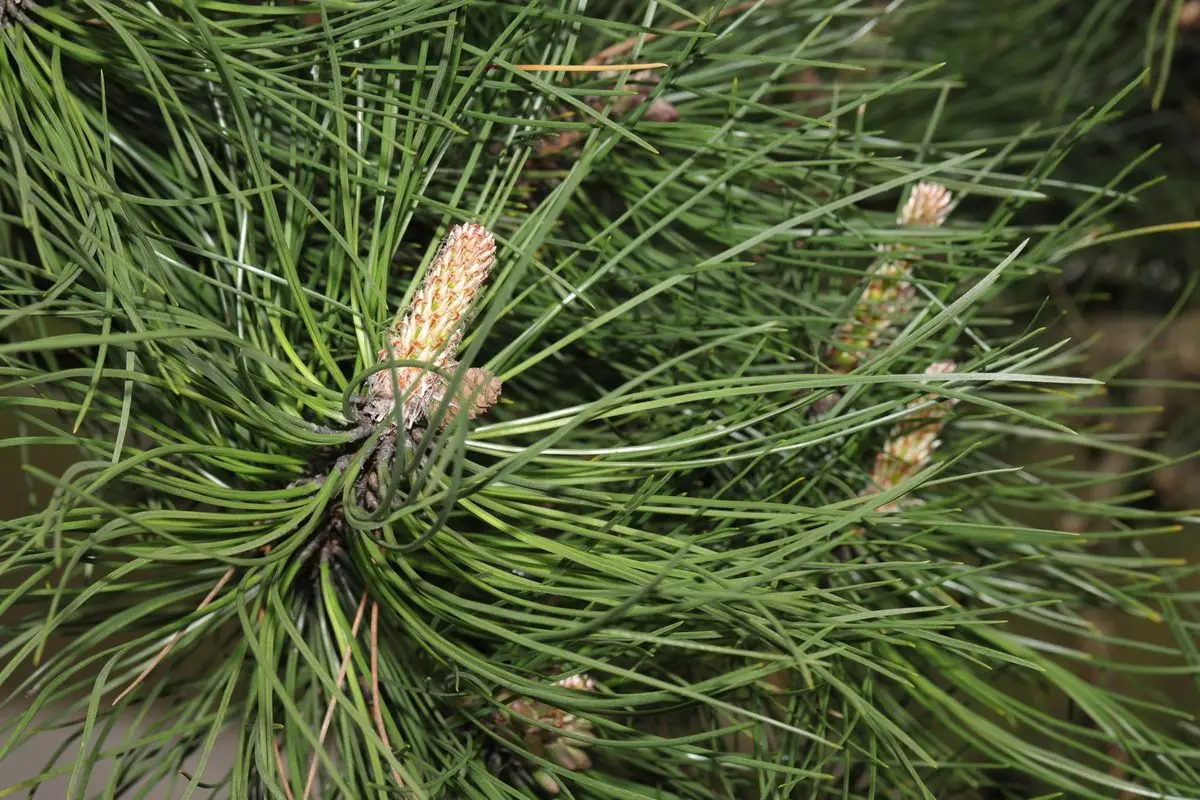
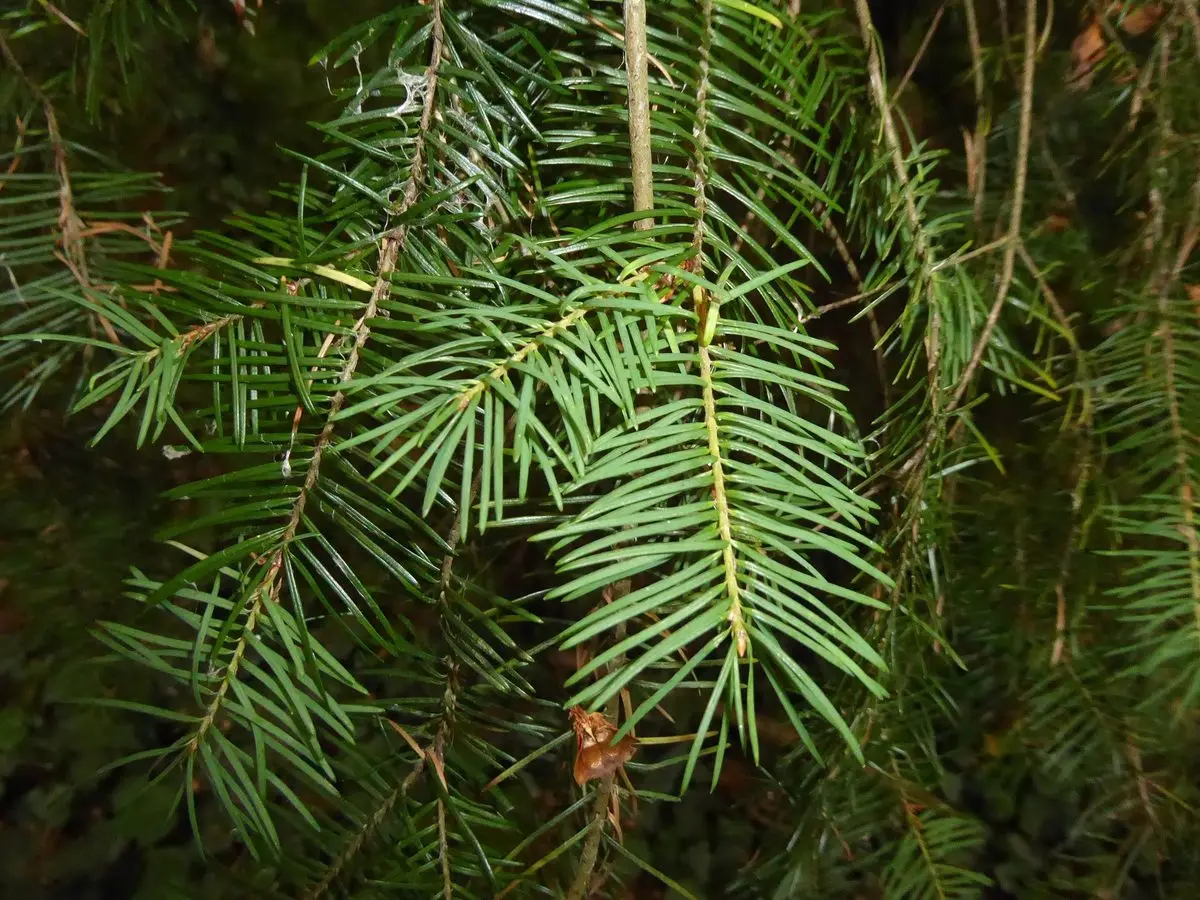
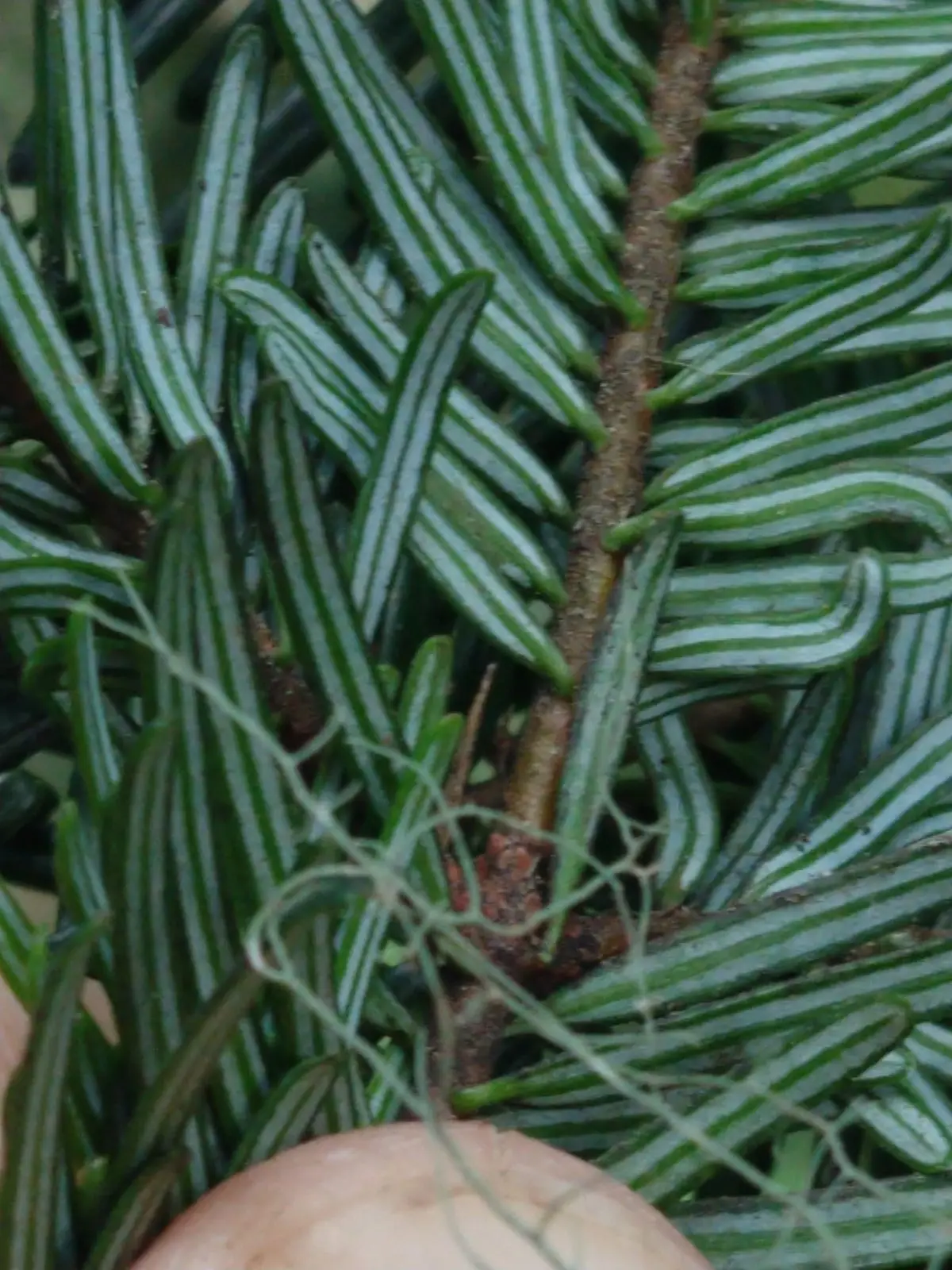
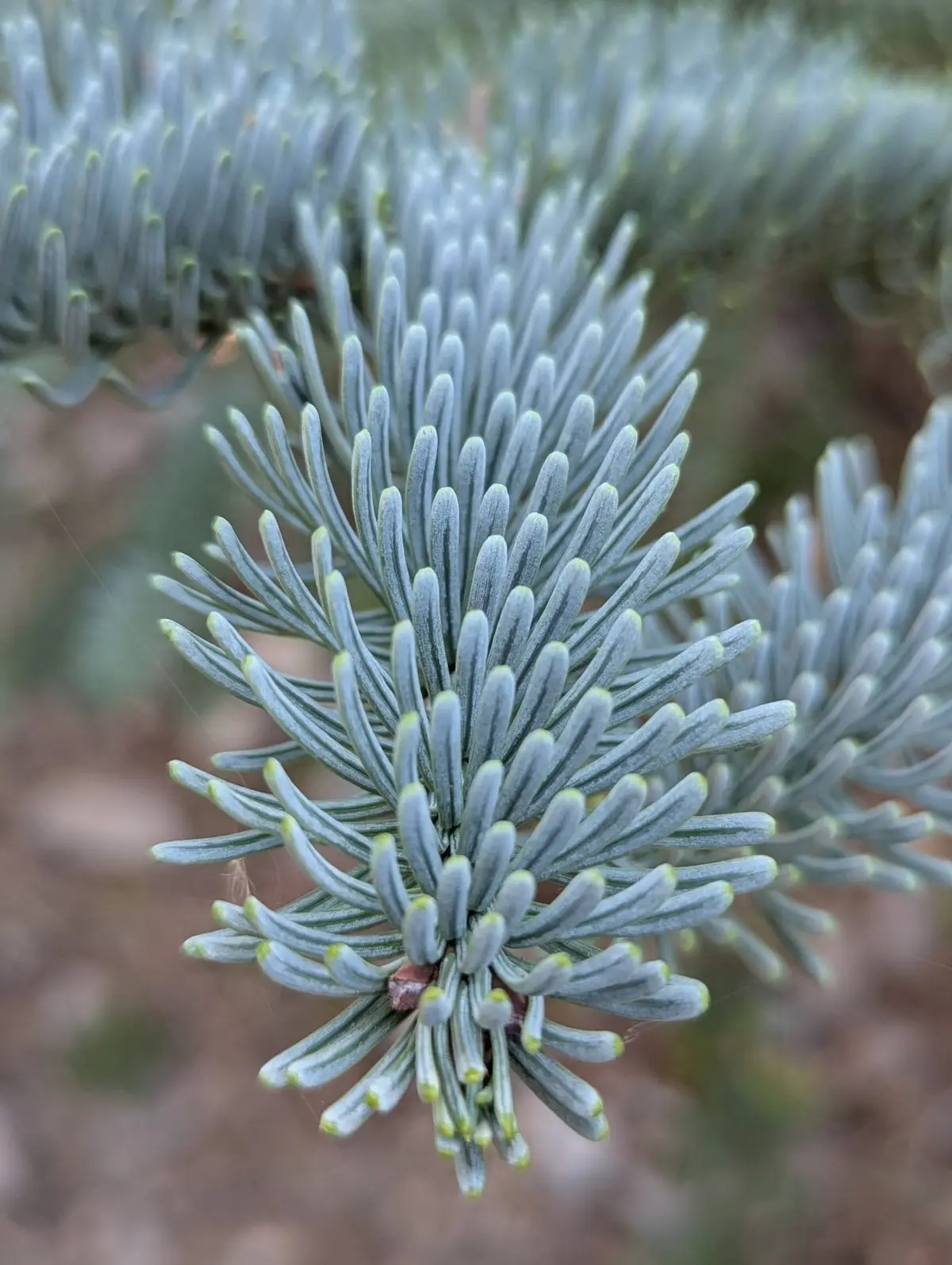
Louis Aureglia, CC BY 4.0Шальнов Кирилл, CC BY 4.0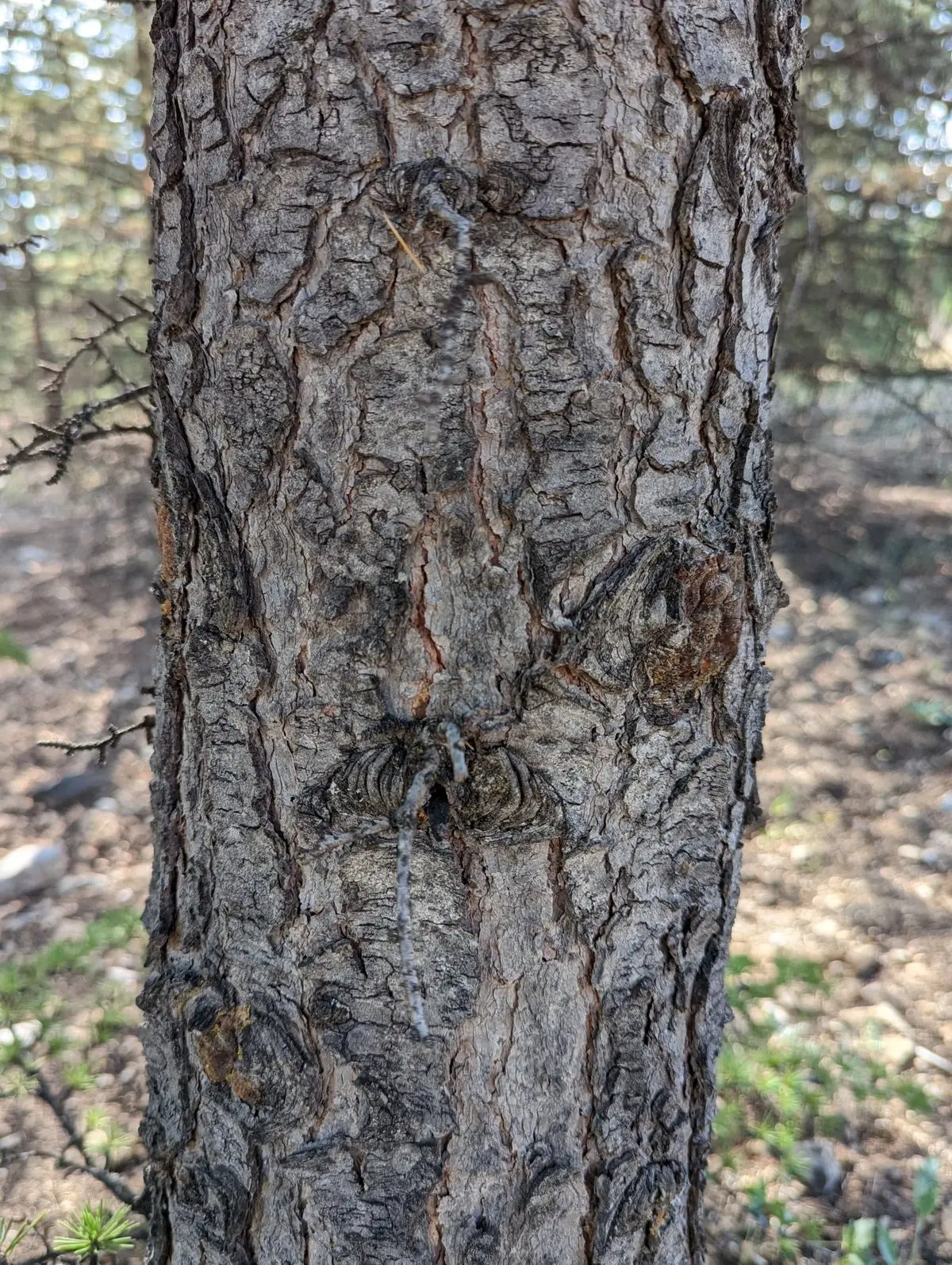 Michael and Antoni Hinczewski, CC BY 4.0Sam J. Thomas, CC BY 4.0
When to look
JFMAMJJASOND
In leaf
Flowers
Cones
In leaf: all year · Flowers: September to November · Cones: October to April
Where you’ll find it
Planted in parks and the gardens of large estates, where it has room. Wild ones grow only in the mountains of Lebanon, Syria and Turkey. It does best in full sun, on rich soil. It does poorly in town centres, where the air is dirty.
In the app
There’s more of the cedar of Lebanon in Treely
- Every part, through the yearLeaves, bark, buds, flowers and fruit, photographed in every season
- Its lookalikes, side by sideThe checks that settle it, part by part
- A short round each dayUntil you know the cedar of Lebanon on sight, from any side
- Name it from a photoA leaf, the bark or a flower, and Treely tells you which tree
Free to download.
Every fact on this page is checked against the Collins Tree Guide, last in November 2026. Spotted something that looks wrong in front of a real tree? Tell us. How we check.
Photographs: Sam J. Thomas (CC BY 4.0), Louis Aureglia (CC BY 4.0), Шальнов Кирилл (CC BY 4.0), Michael and Antoni Hinczewski (CC BY 4.0), amigolimax (CC0). With thanks to everyone who shares their photographs on iNaturalist and Wikimedia Commons.