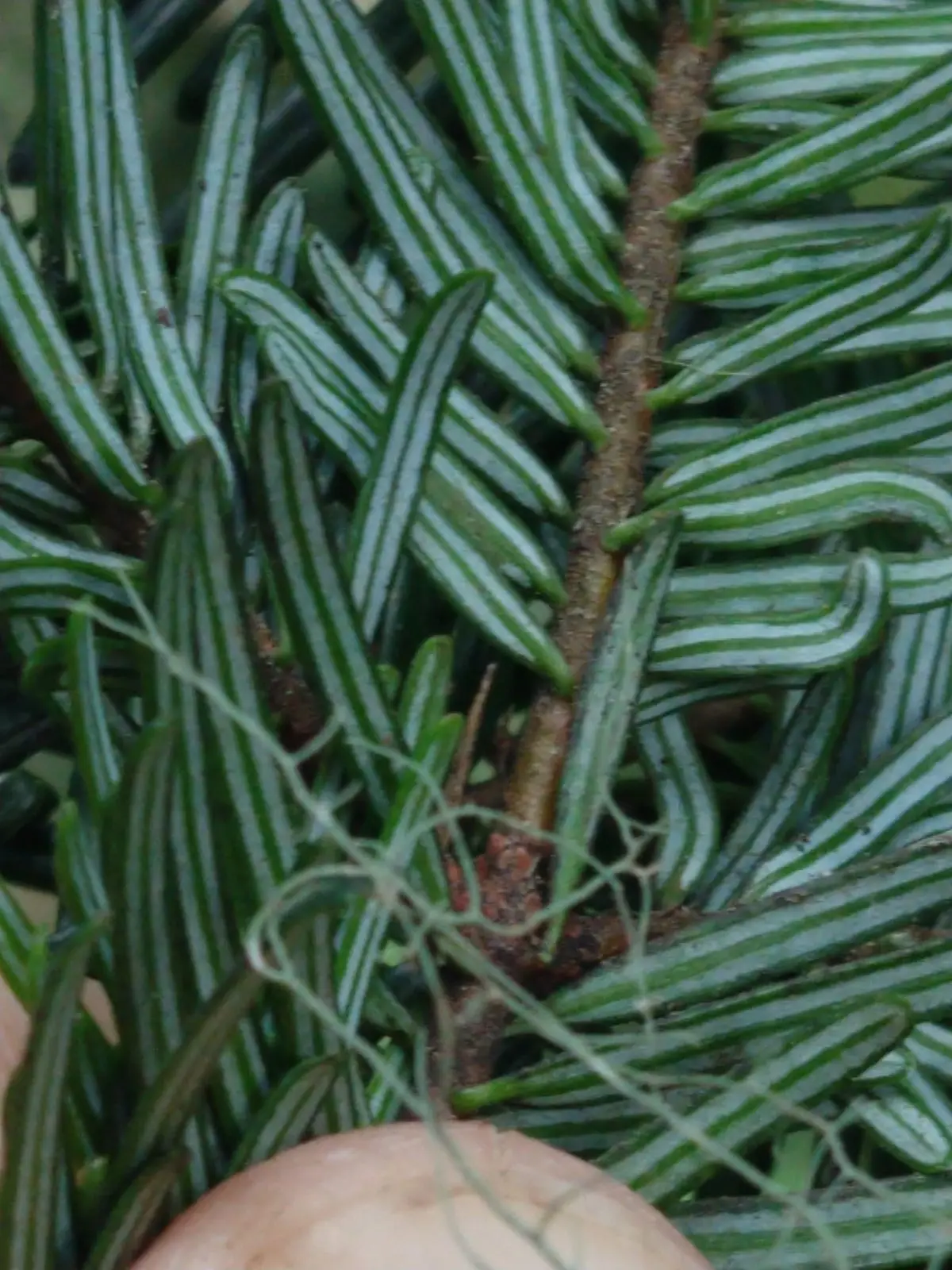
Flat and 15 to 25 mm long, green on top with two bright bluish white bands underneath, and painfully sharp at the tip.
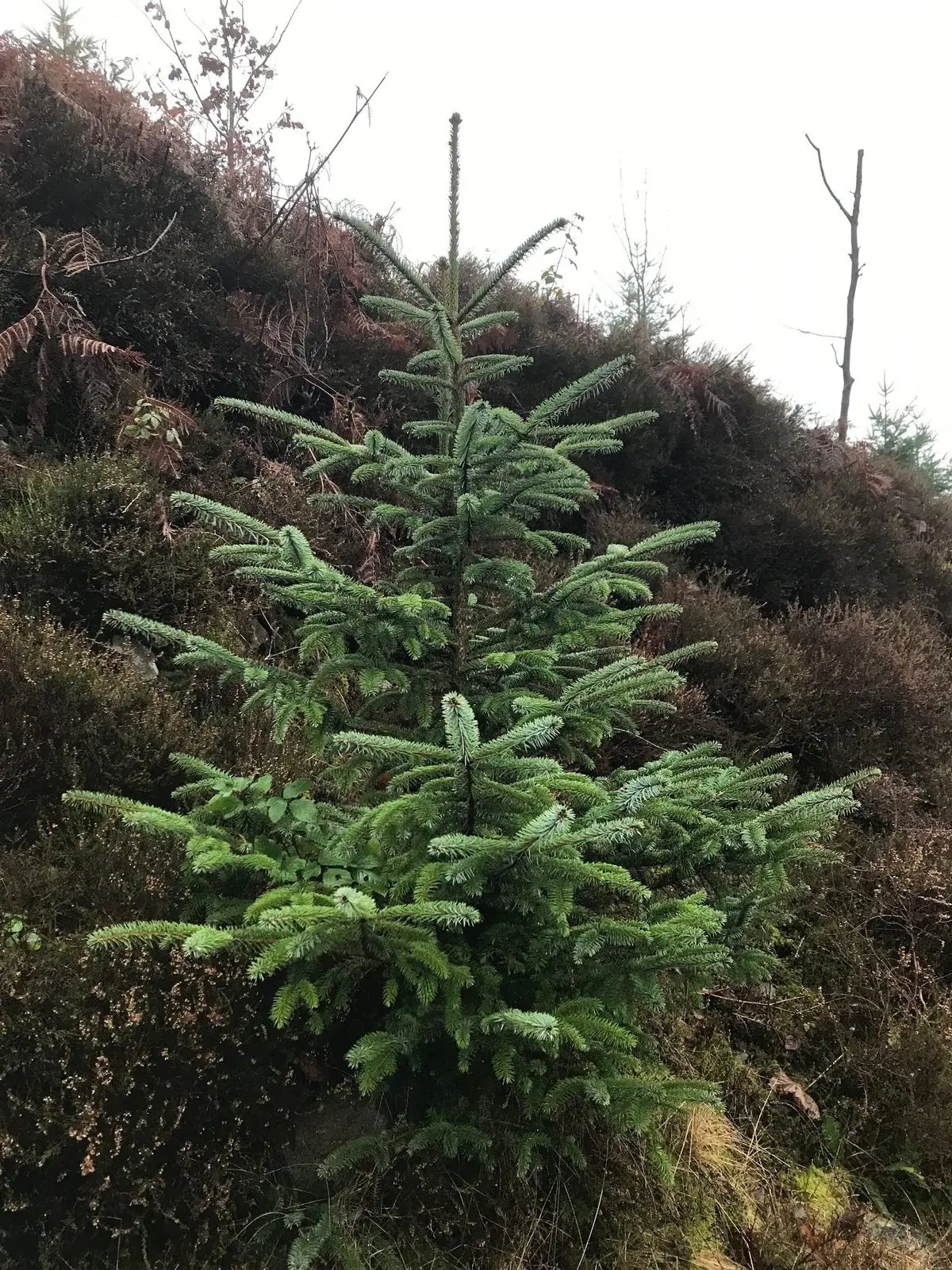
Introduced · Up to 60 m
Sitka spruce
Picea sitchensis · Pinaceae
Sitka spruce is a bluish grey conifer planted over whole hillsides in the west and north. Its needles are flat, and sharp enough to hurt a hand run along the shoot.
Know it by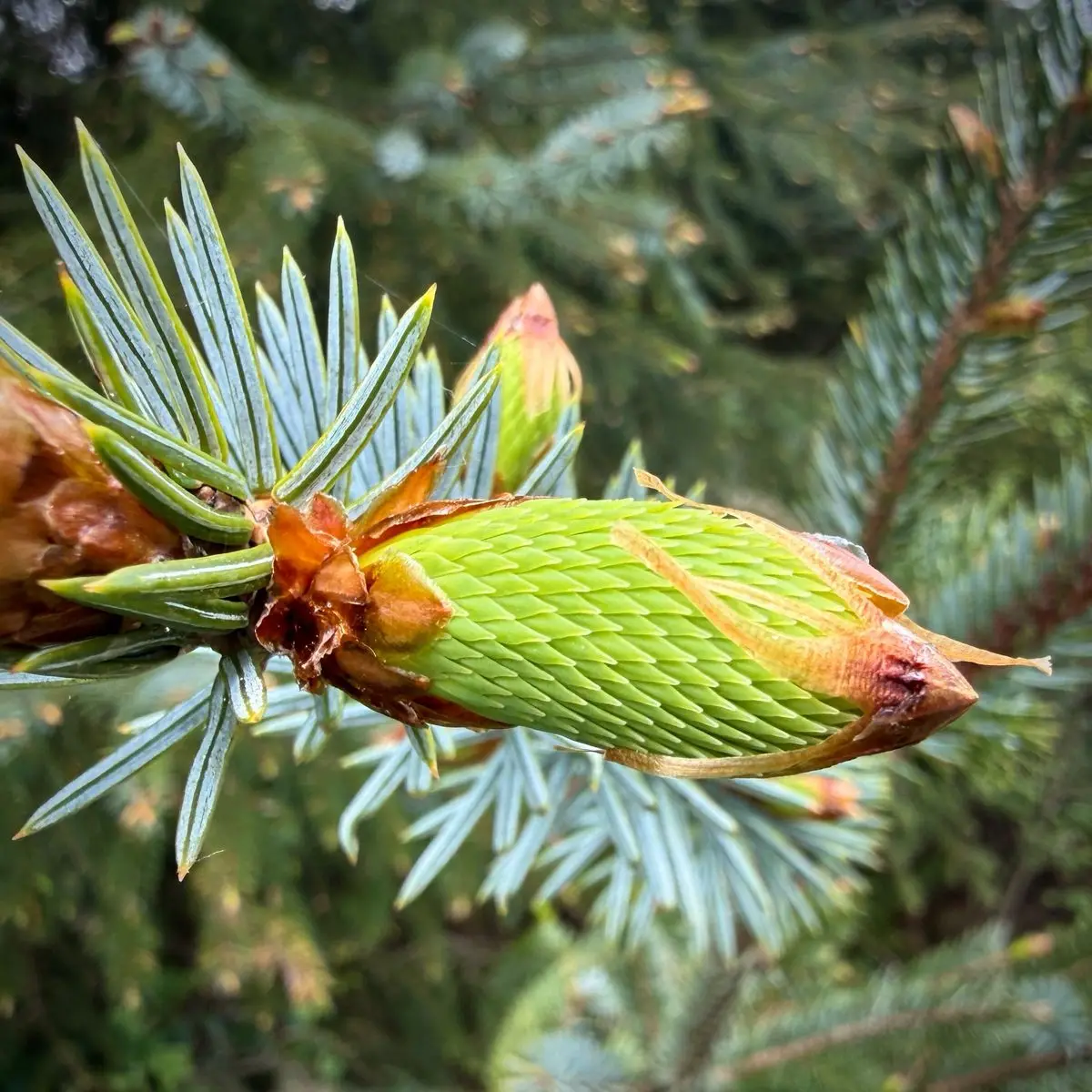 NeedlesFlat, 15 to 25 mm, with two bluish white bands underneath.ShootsWhitish and hairless, pegs left when needles drop.
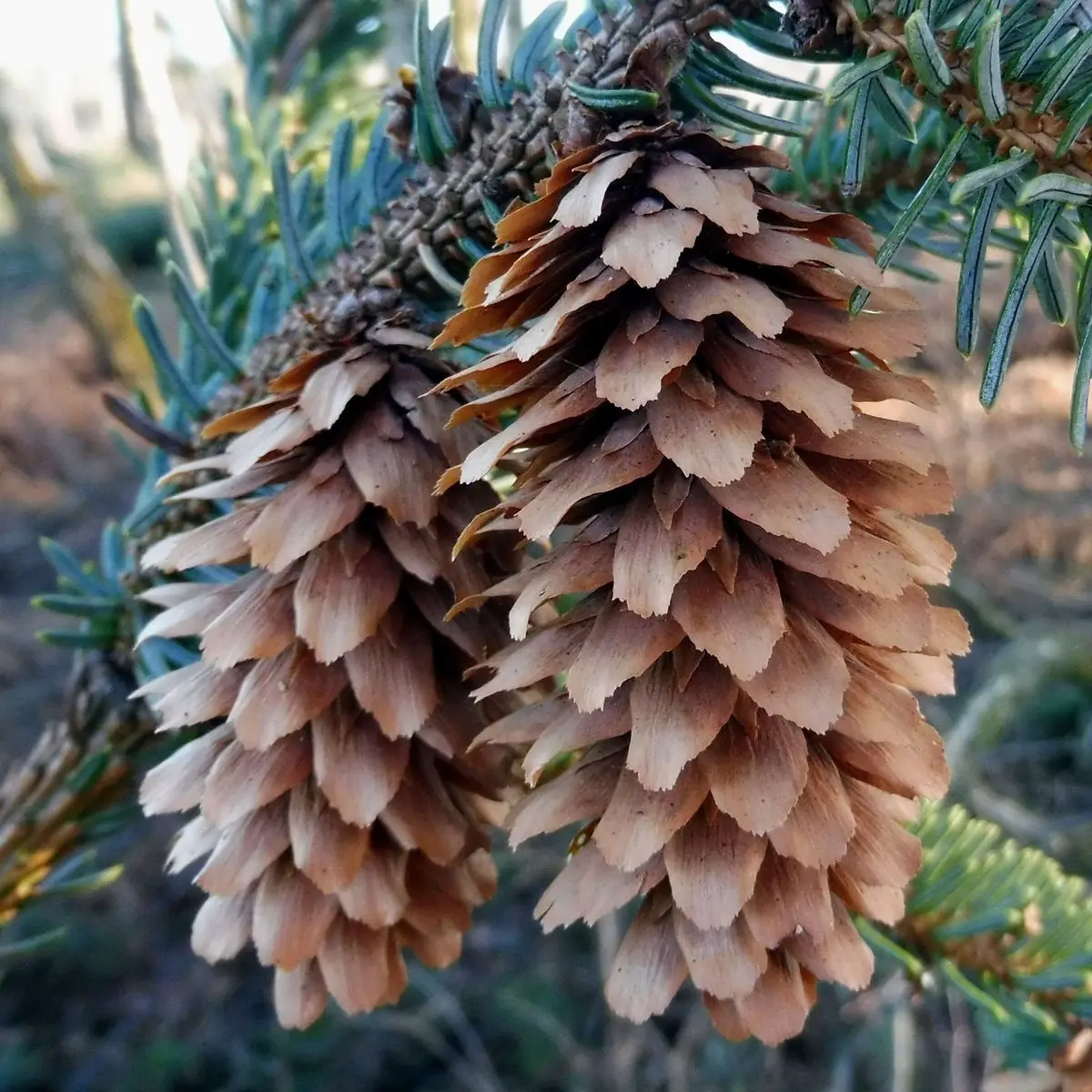 ConesSlender and hanging, 6 to 10 cm, pale brown when ripe.
NeedlesFlat, 15 to 25 mm, with two bluish white bands underneath.ShootsWhitish and hairless, pegs left when needles drop.ConesSlender and hanging, 6 to 10 cm, pale brown when ripe.Then check · BarkPurplish grey and broken into small, rough, scaly plates, reddish brown underneath where one has just flaked away.
How to identify a Sitka spruce
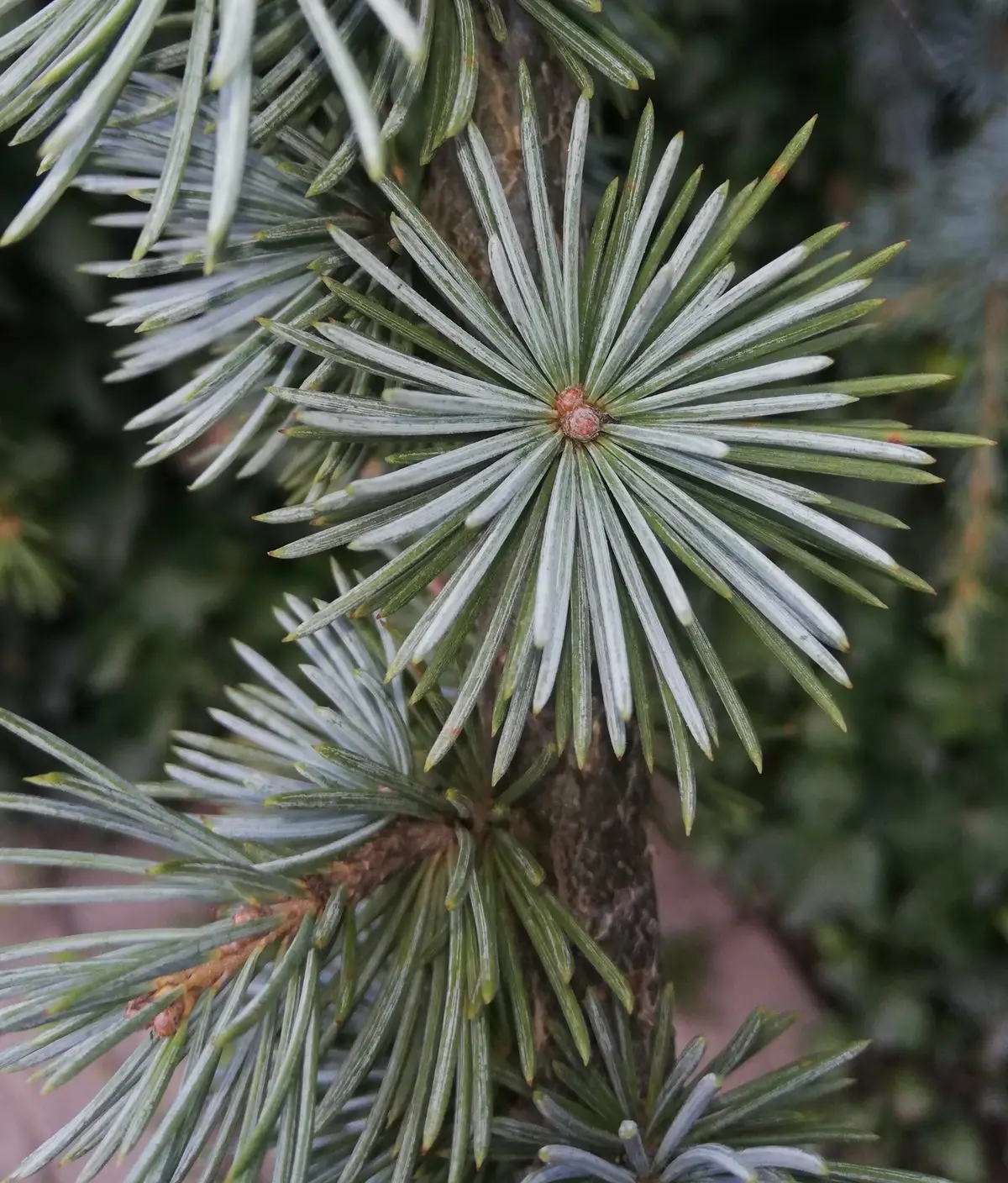
Whitish and hairless, rough all along with woody pegs, which stay behind when the needles drop.
Slender and 6 to 10 cm long, hanging and pale brown when ripe, with thin, papery scales crinkled at the edge.
 Learn the Sitka spruce in TreelyEvery part through the year, and a short round each day until you know it.Get Treely
Every part, in photographs
Caroline Kane, CC BY 4.0Barry Walter, CC BY 4.0When to look
JFMAMJJASOND
In leaf
Flowers
Cones
In leaf: all year · Flowers: May · Cones: June to October
Where you’ll find it
Upland plantations on damp, high ground in the wetter north and west, with a few trees in parks and in rows planted for shelter. It is almost absent from the dry lowlands. Wild ones grow only near the west coast of North America. It stands up well to exposed places and salt spray.
What it’s mistaken for
- Norway spruceBoth are big forestry spruces with pegged shoots. Leaf. Sitka spruce: flat, staying flat, bluish white beneath. Norway spruce: four-sided, turning freely.
- Noble firBoth are bluish grey conifers of the wet west. Leaf. Sitka spruce: bluish white beneath, painfully sharp at the tip. Noble fir: bluish grey on both faces, rounded at the tip.
- Western hemlockBoth grow in the same wet plantations, with a similar spire. Leaf. Sitka spruce: stiff and painfully sharp. Western hemlock: rounded and blunt.
- Douglas firBoth make towering timber stands in the west. Leaf. Sitka spruce: stiff needles, sharp enough to make a hand smart. Douglas fir: soft and flexible, bending under a hand.
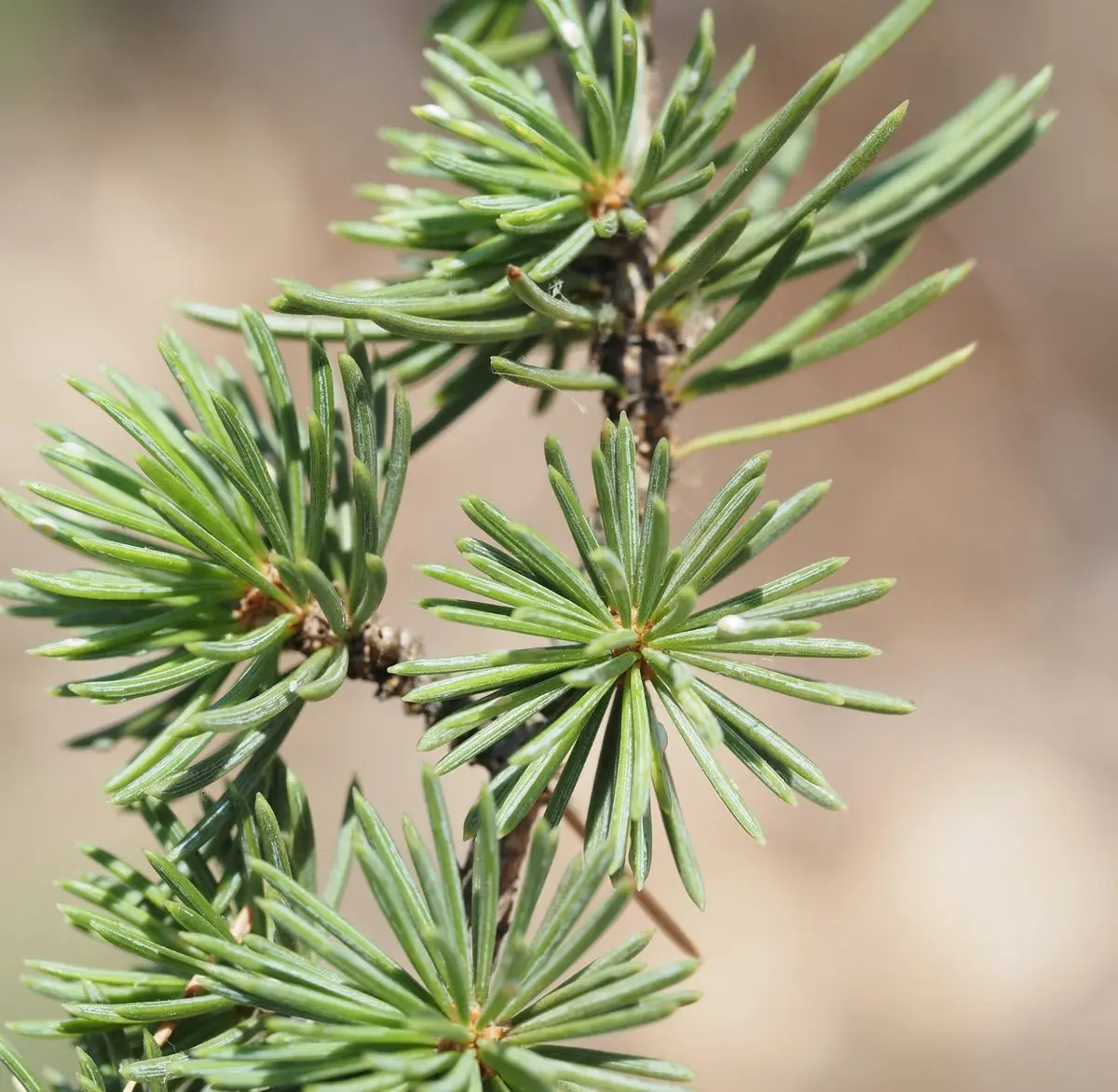
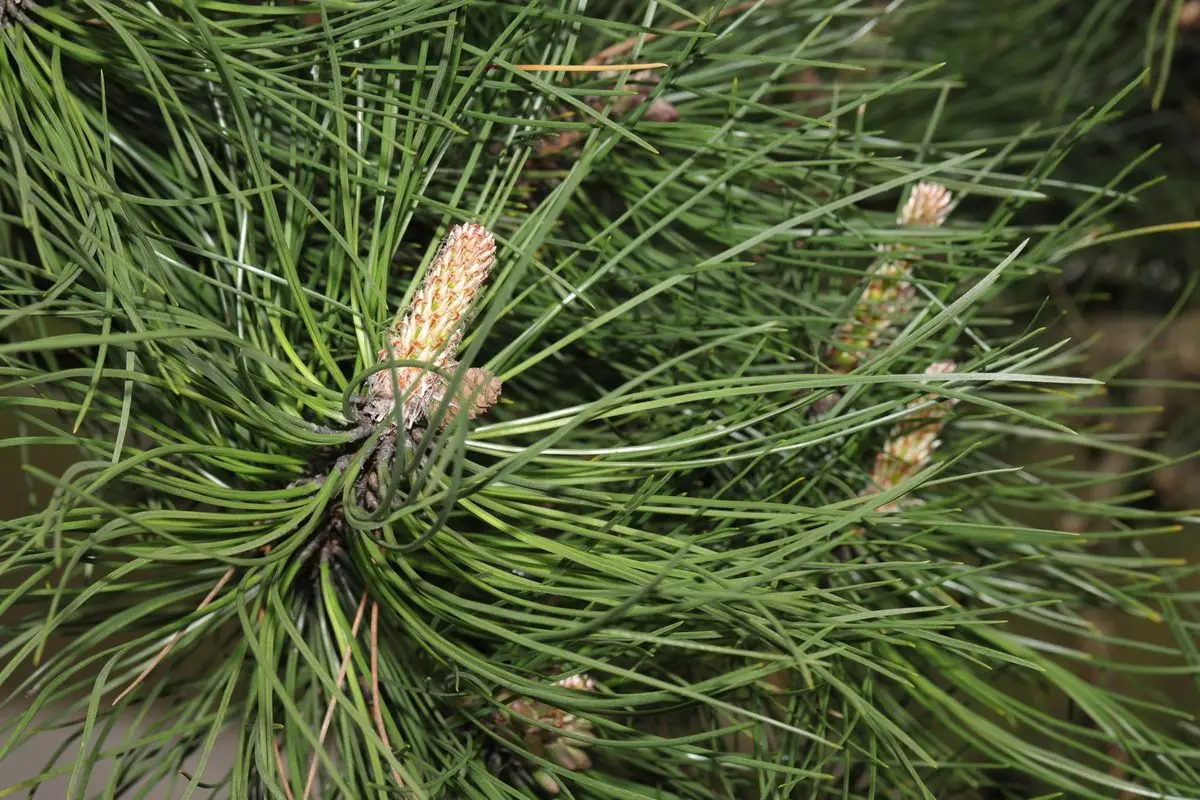
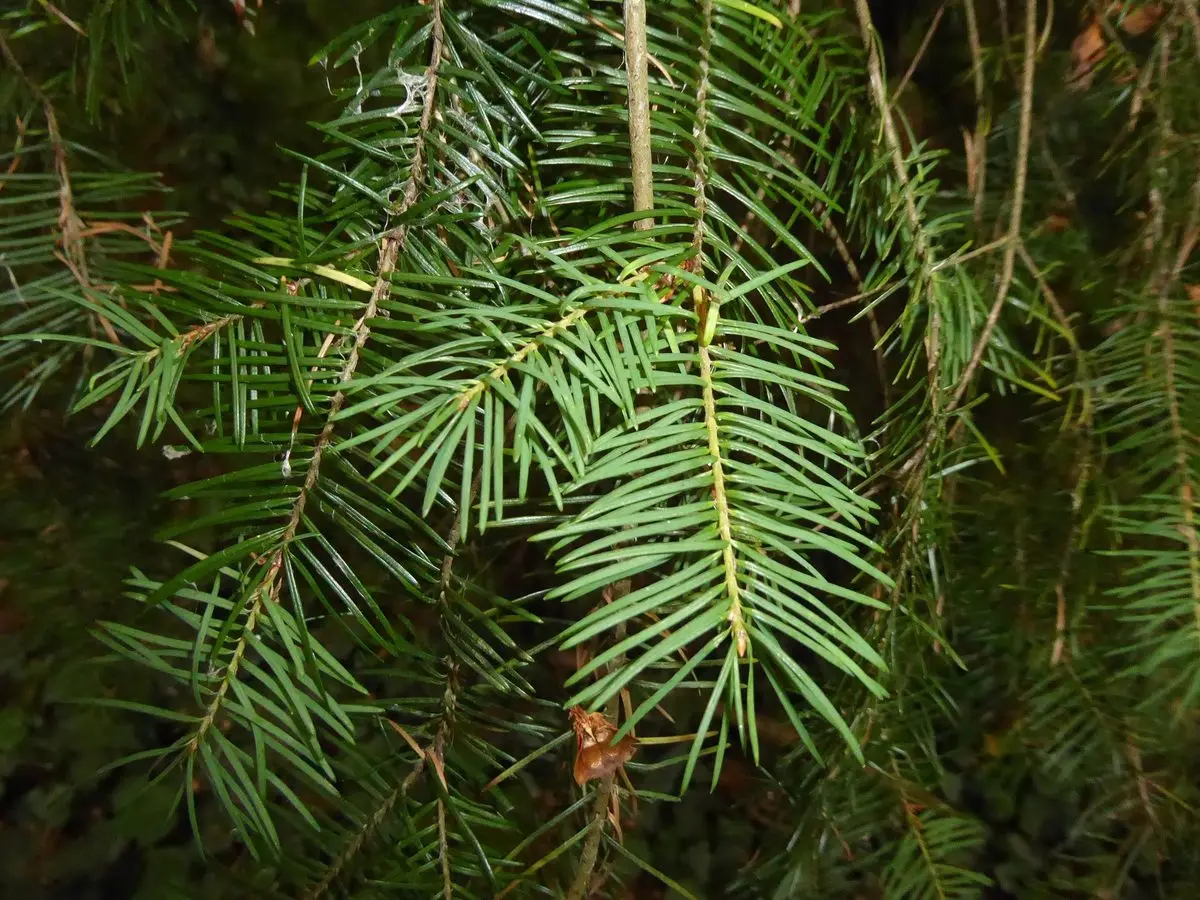
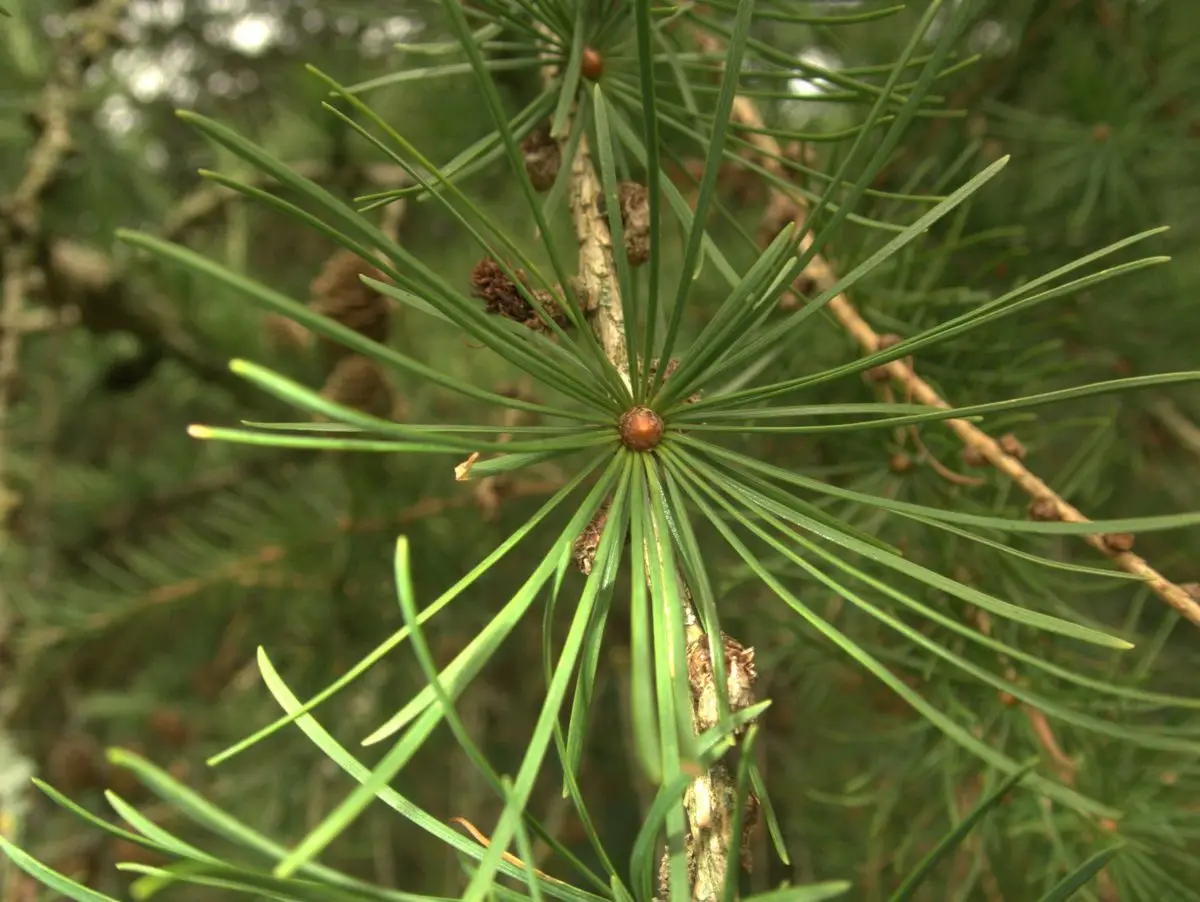
In the app
There’s more of the Sitka spruce in Treely
- Every part, through the yearLeaves, bark, buds, flowers and fruit, photographed in every season
- Its lookalikes, side by sideThe checks that settle it, part by part
- A short round each dayUntil you know the Sitka spruce on sight, from any side
- Name it from a photoA leaf, the bark or a flower, and Treely tells you which tree
Free to download.
Every fact on this page is checked against the Collins Tree Guide, last in November 2026. Spotted something that looks wrong in front of a real tree? Tell us. How we check.
Photographs: tracks73 (CC0), Caroline Kane (CC BY 4.0), Barry Walter (CC BY 4.0). With thanks to everyone who shares their photographs on iNaturalist and Wikimedia Commons.