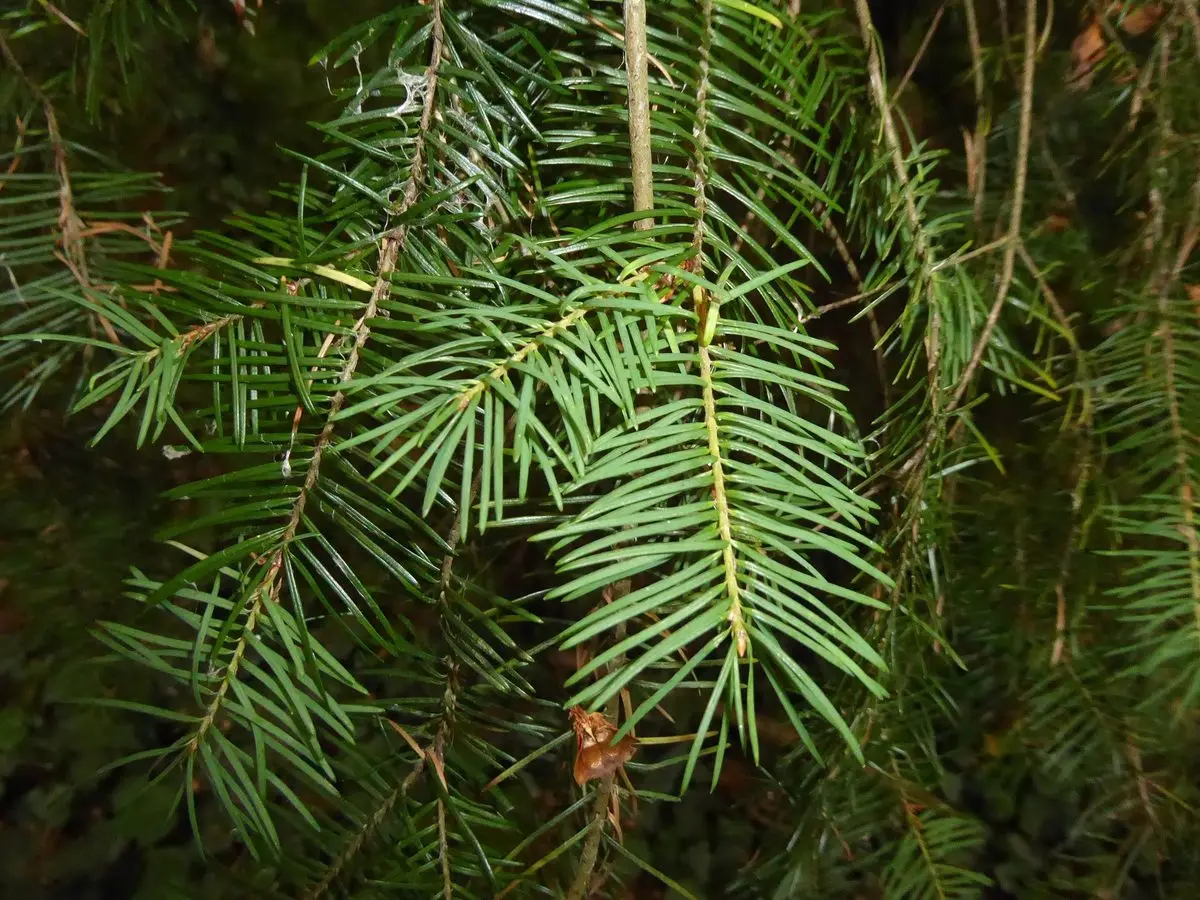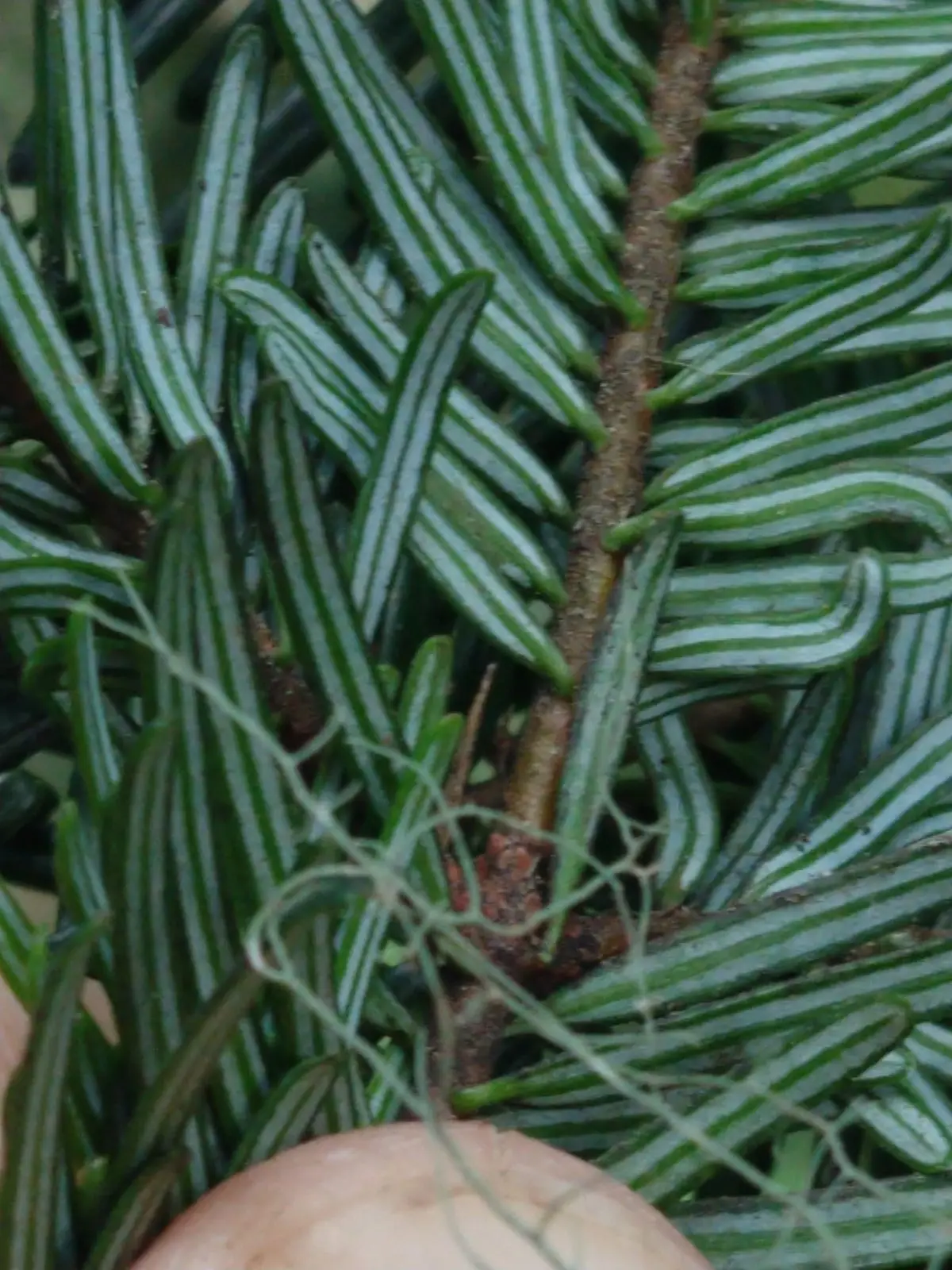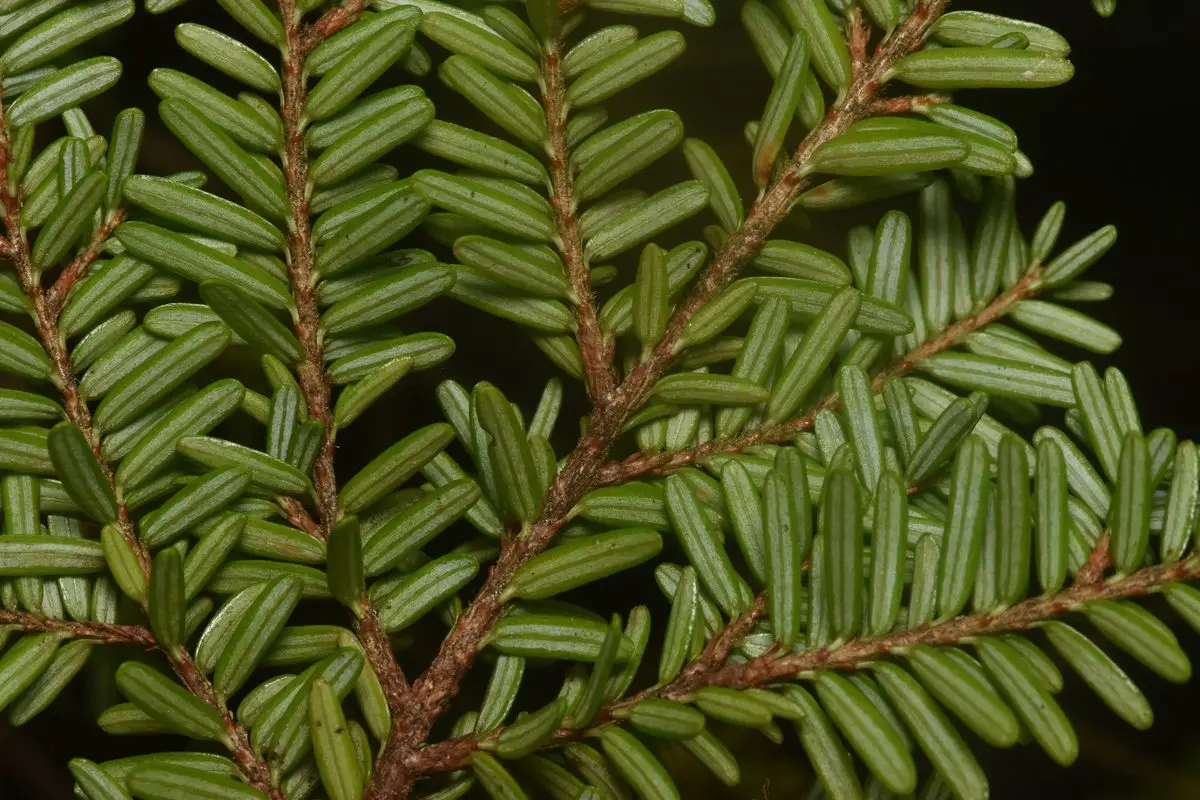
Short ones lie along the top of the shoot and longer ones out to the sides, all rounded at the tip.
Tsuga heterophylla · Pinaceae
Western hemlock is a narrow, spire-shaped conifer whose top shoot bends right over and hangs. Its flat needles come in two lengths on the same shoot.
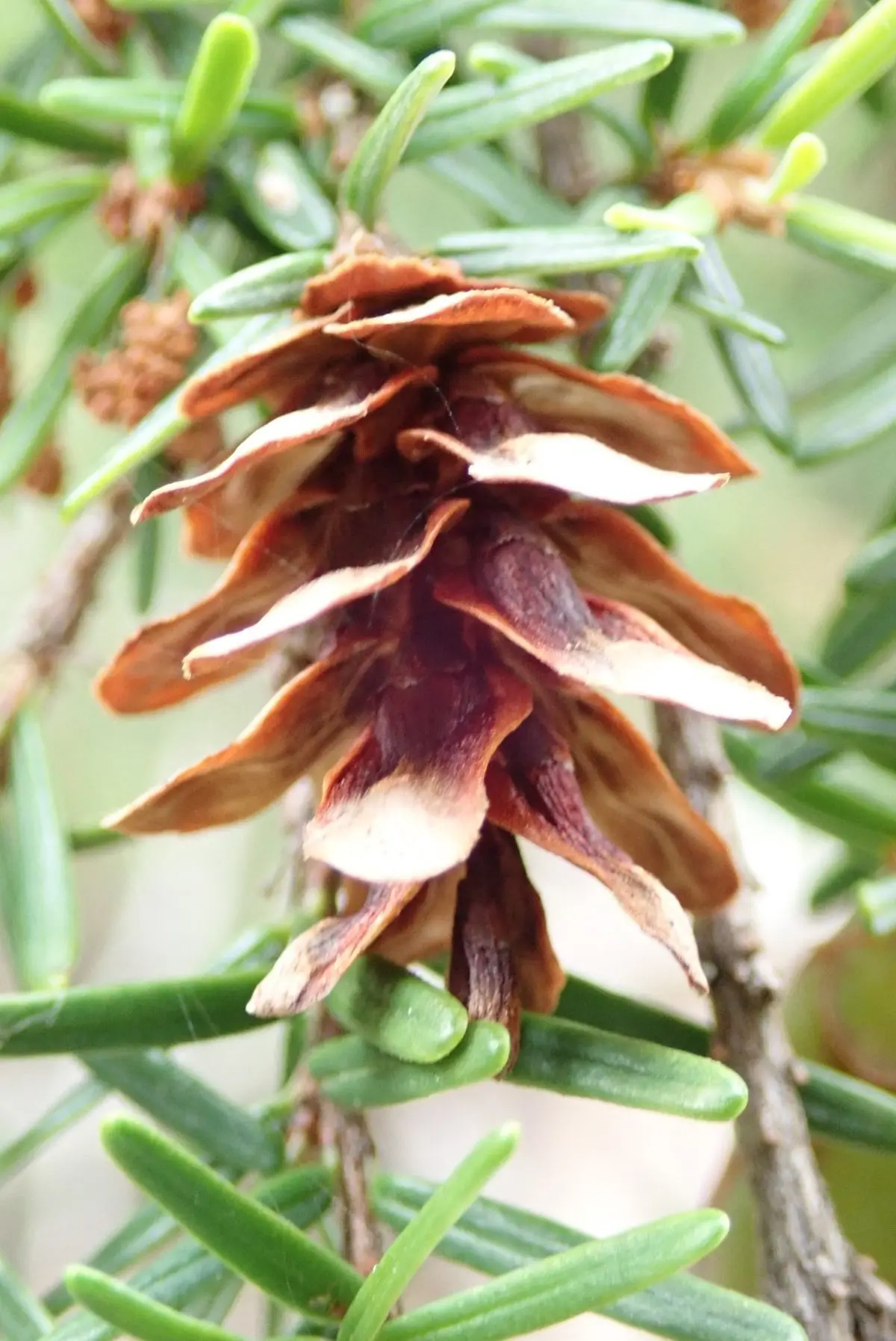
Often mistaken for Douglas fir. How to tell them apart →NeedlesEvery needle rounded at the tip.ShapeA narrow, dense spire, every branch tip drooping.ShootsSlender and coffee brown, smooth where needles dropped.Then check · ConesSmall and oval, up to 25 mm, drooping from the shoot tips. They ripen from green to greyish brown and have thin, blunt scales.
Short ones lie along the top of the shoot and longer ones out to the sides, all rounded at the tip.
A narrow, dense spire whose top shoot bends right over and hangs. Every branch tip droops.
Slender and coffee brown, with long, fluffy hairs. Where the needles have dropped, the shoot is smooth to the finger.
 Learn the western hemlock in TreelyEvery part through the year, and a short round each day until you know it.Get Treely
 humon, CC BY 4.0
In leaf: all year · Flowers: March to May · Cones: June to November
Planted in wet upland forests in the north and west, best where over 1000 mm of rain falls a year, on any soil except chalk. Its seedlings come up in deep shade under other conifers and wait for a gap overhead.
Free to download.
Every fact on this page is checked against the Collins Tree Guide, last in November 2026. Spotted something that looks wrong in front of a real tree? Tell us. How we check.
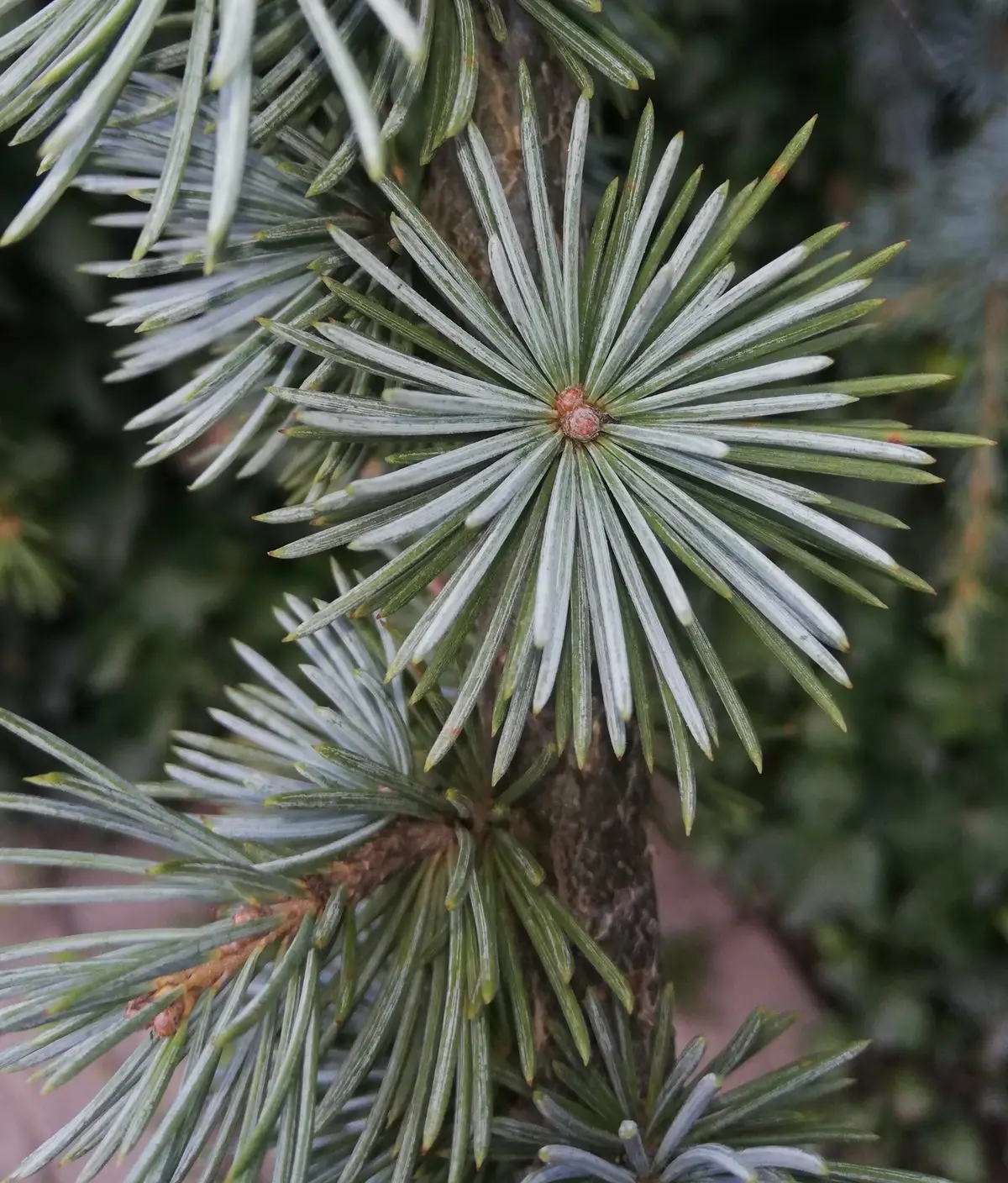
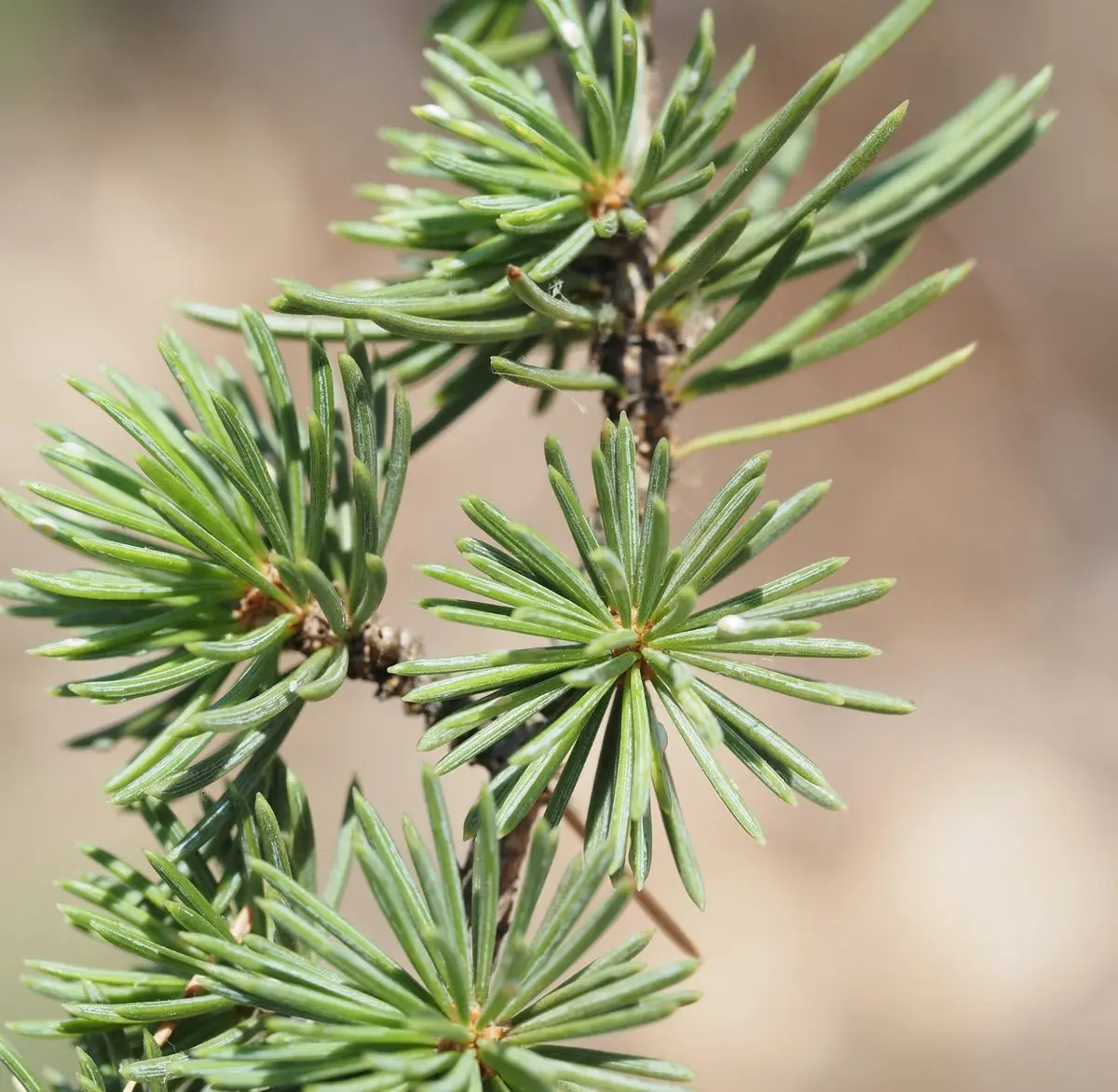
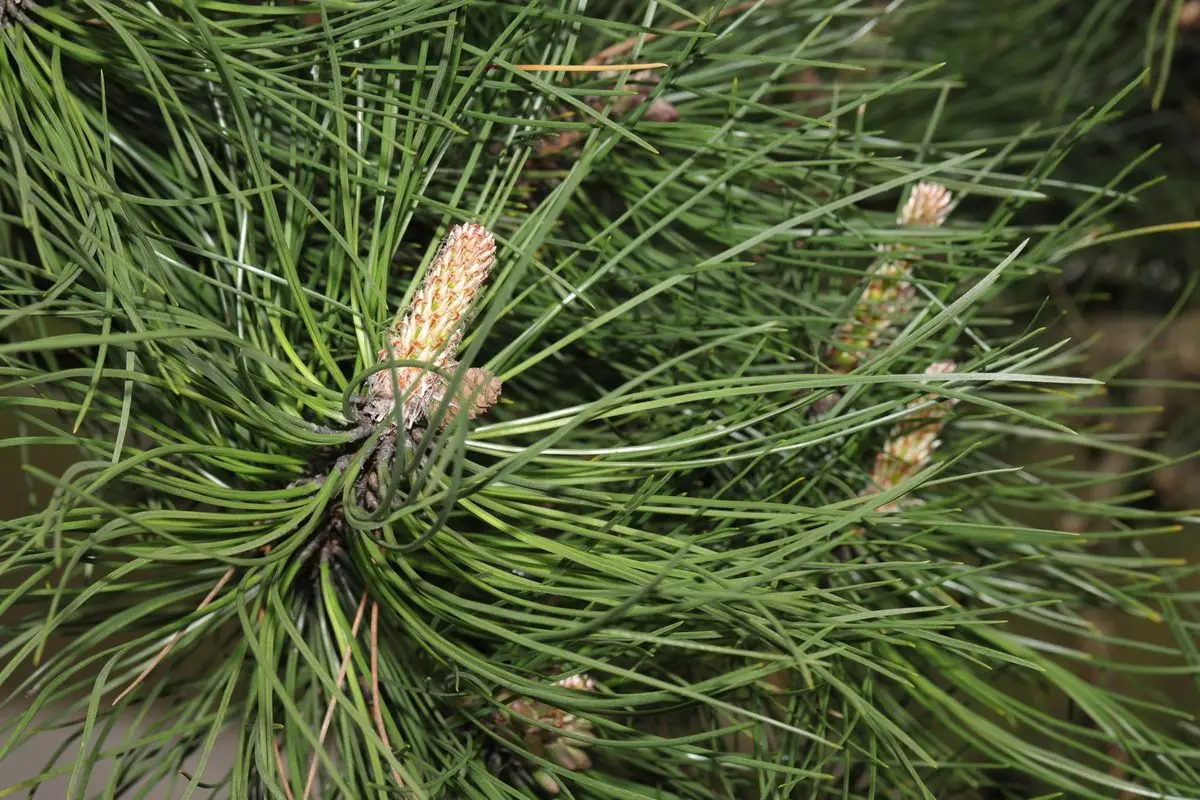
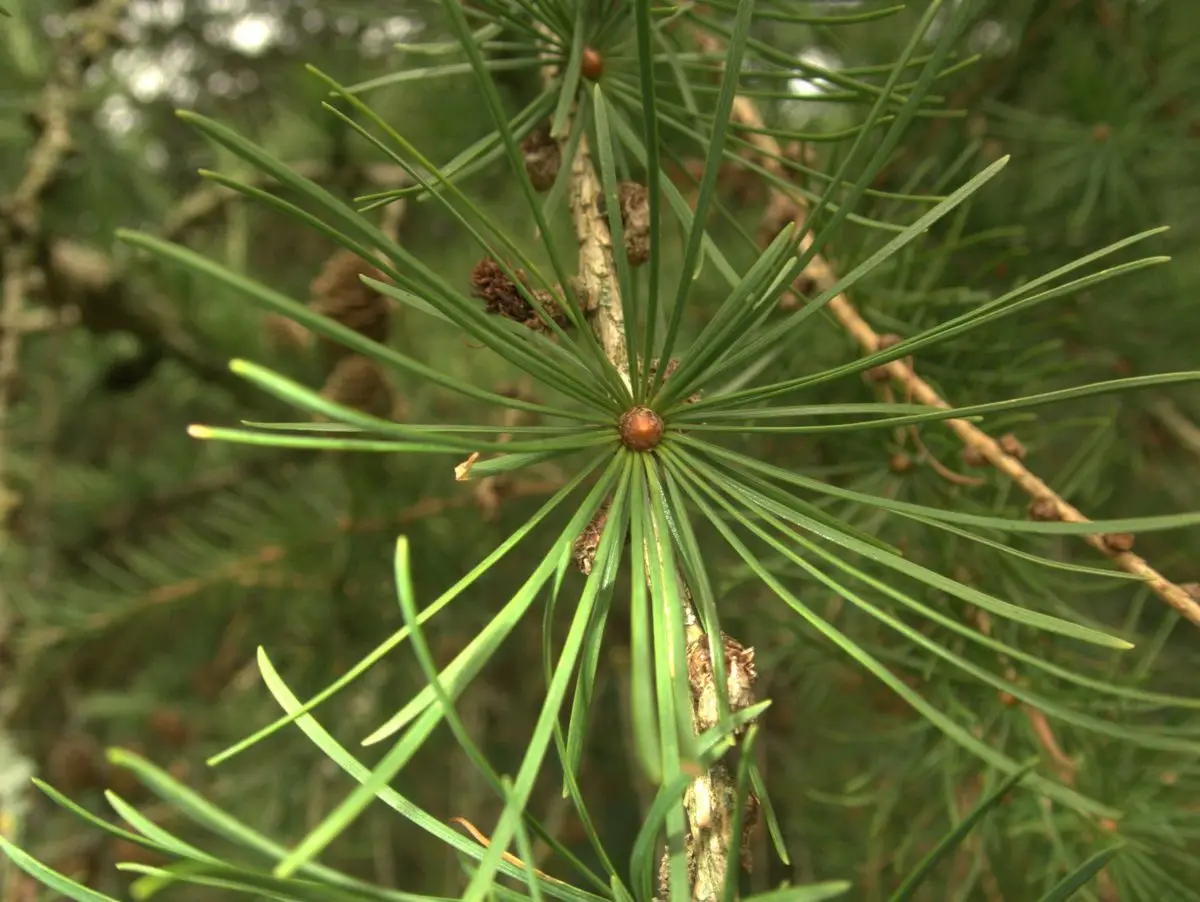
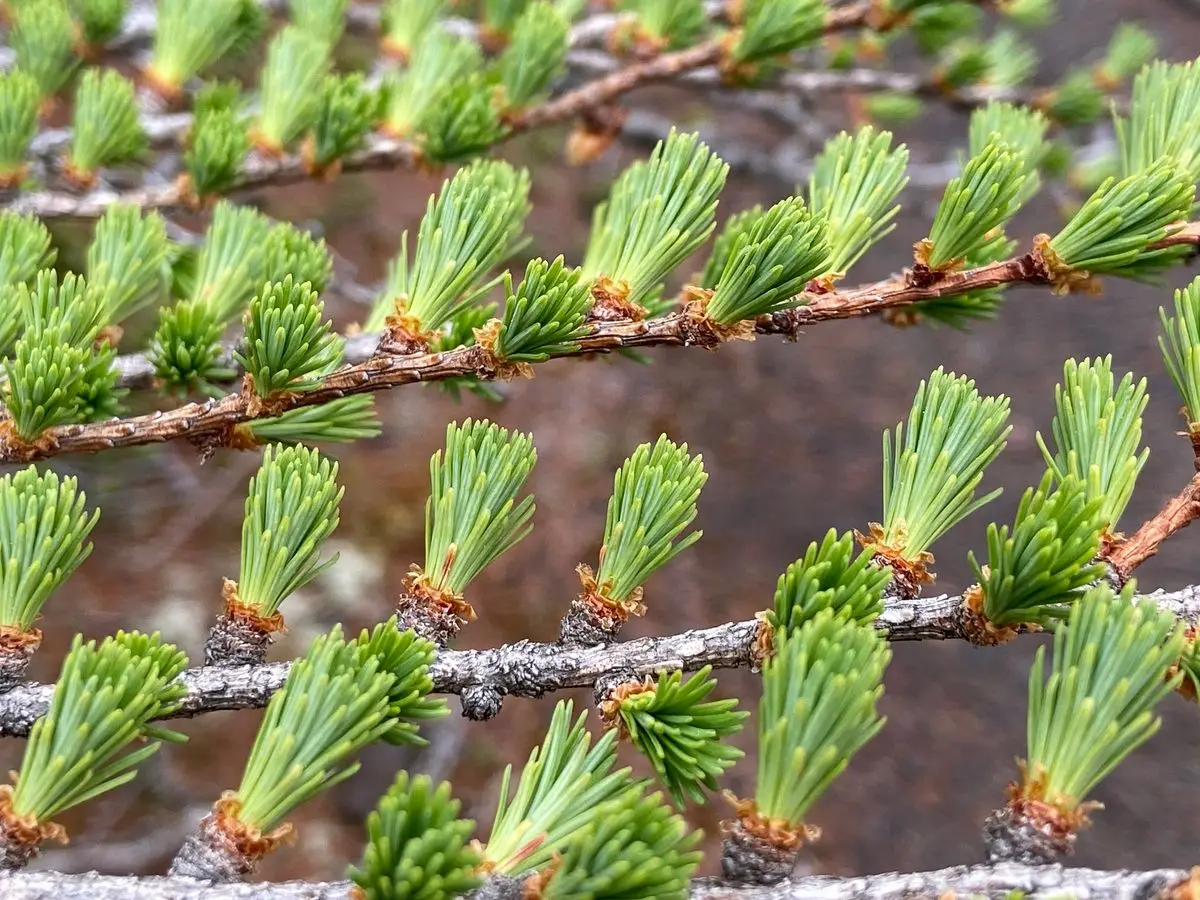
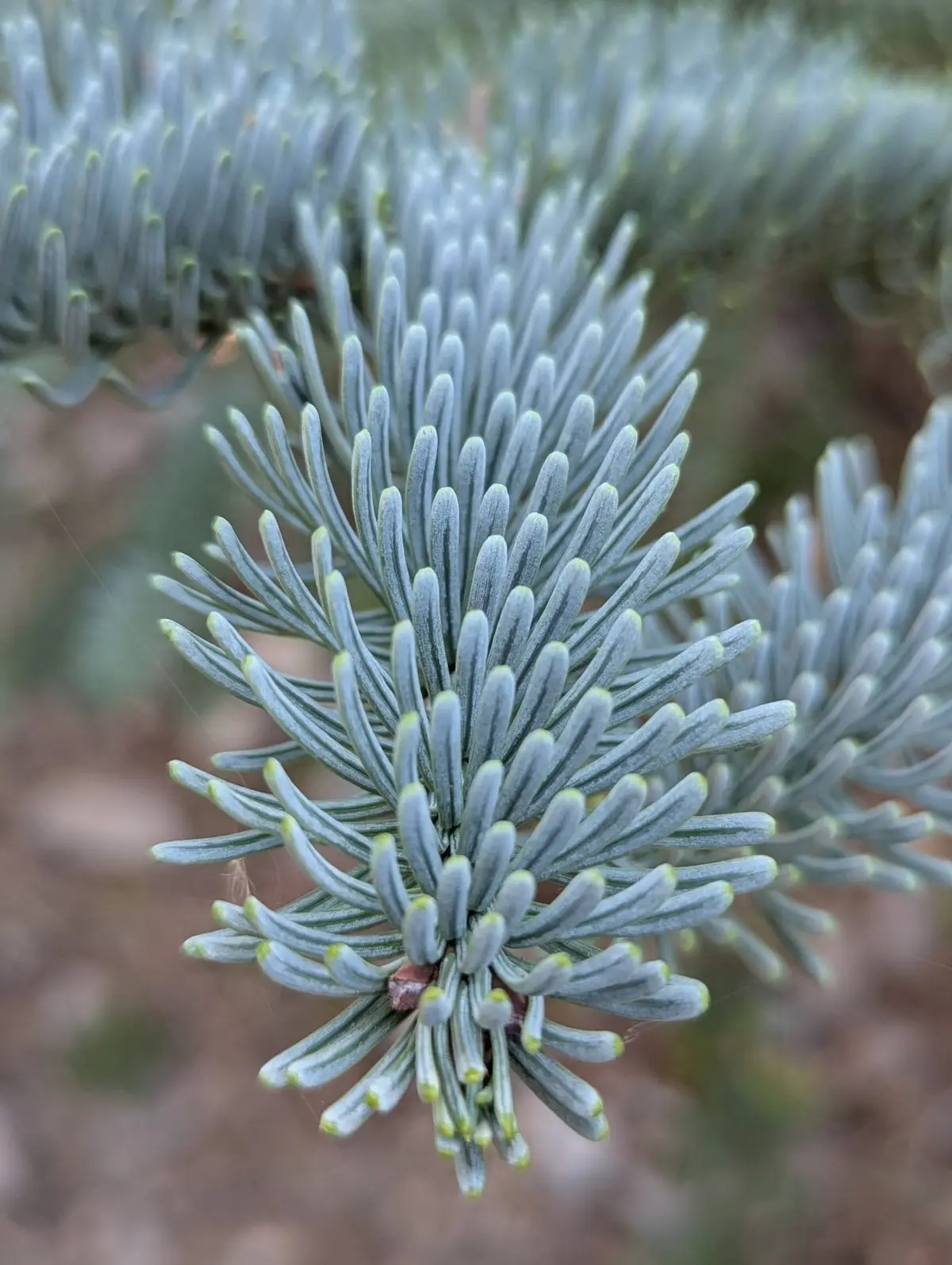
Photographs: bradenjudson (CC0), rambryum (CC0), humon (CC BY 4.0), jamie-aa (CC BY 4.0). With thanks to everyone who shares their photographs on iNaturalist and Wikimedia Commons.