What’s out on the trees in October
The conkers are down, the hedges are full of haws and sloes, and the maples and birches are turning yellow. Here’s what to look for before it’s gone.
New in October
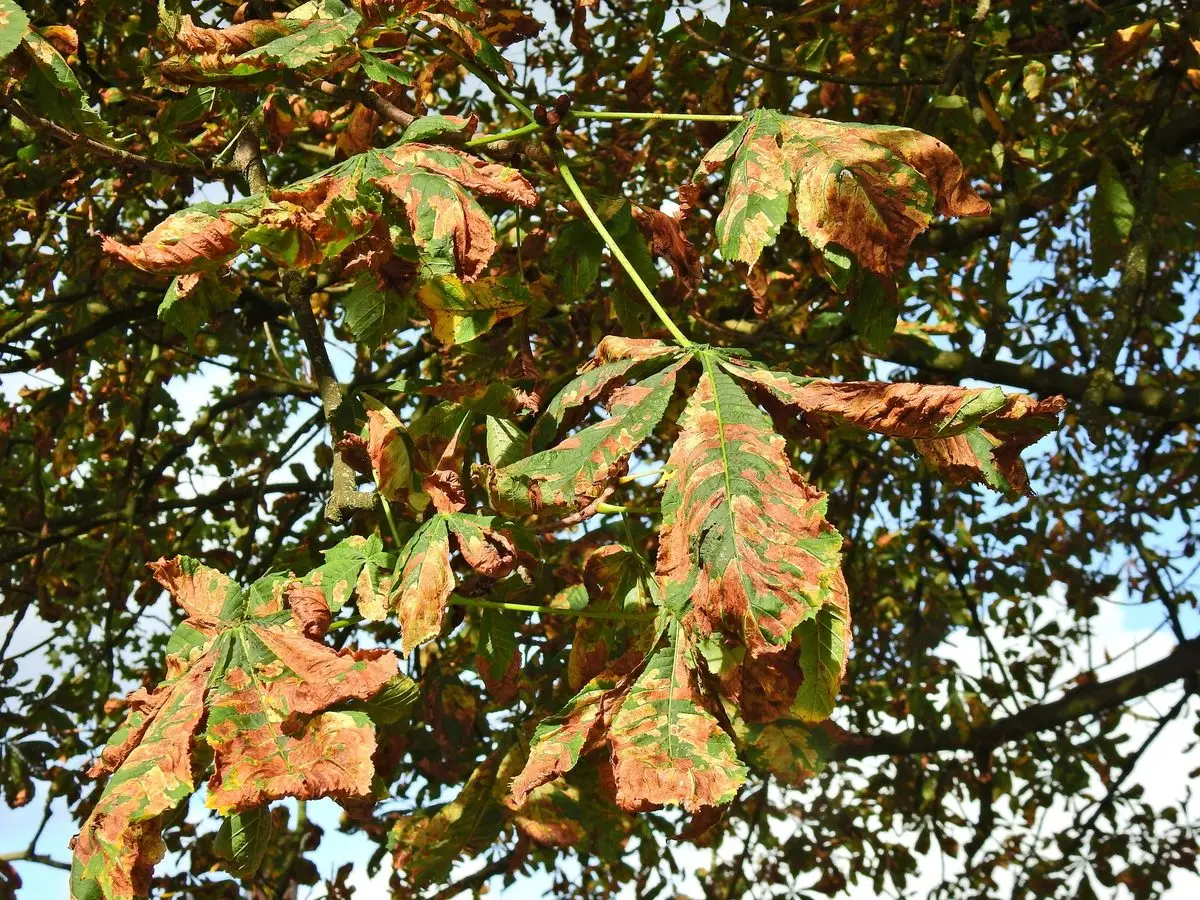
Susan Marley, CC BY 4.0Horse chestnutRed and gold
Big leaves turning yellow and red, many already brown.October to NovemberHow to identify it →
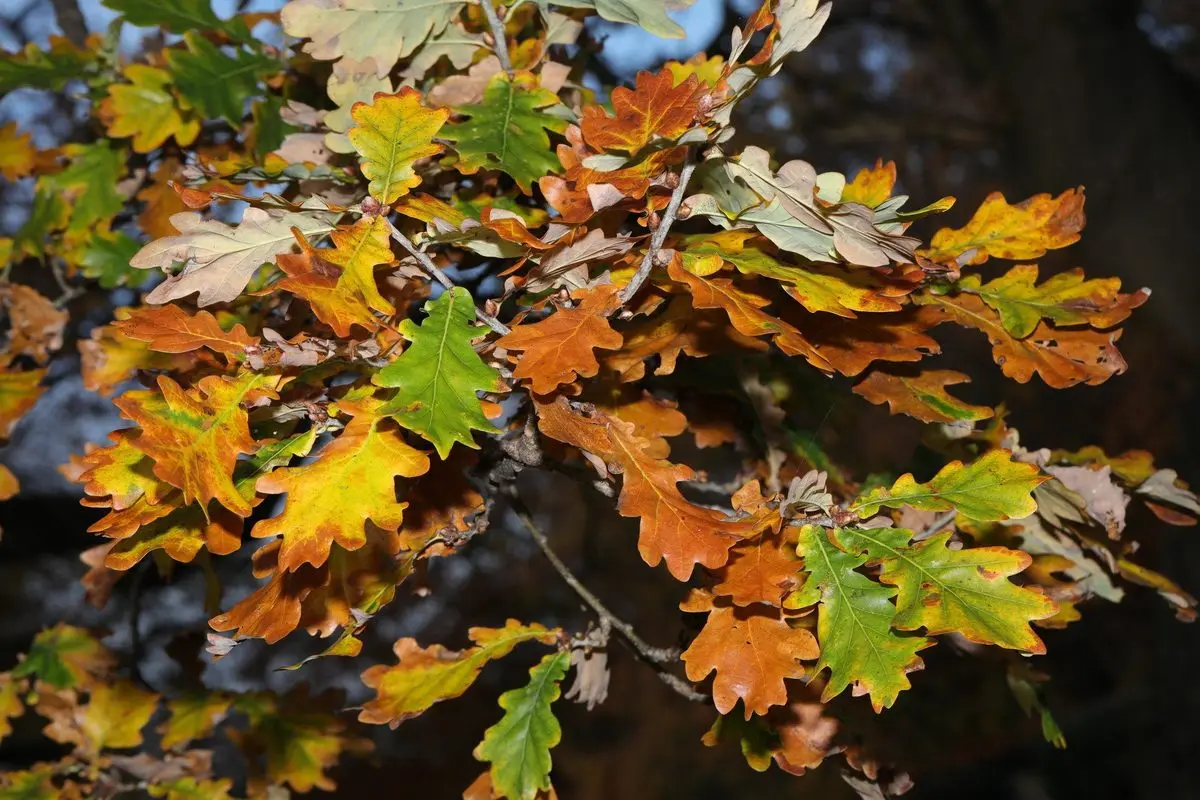 English oakRusset
Leaves turning a deep russet.October to NovemberHow to identify it →
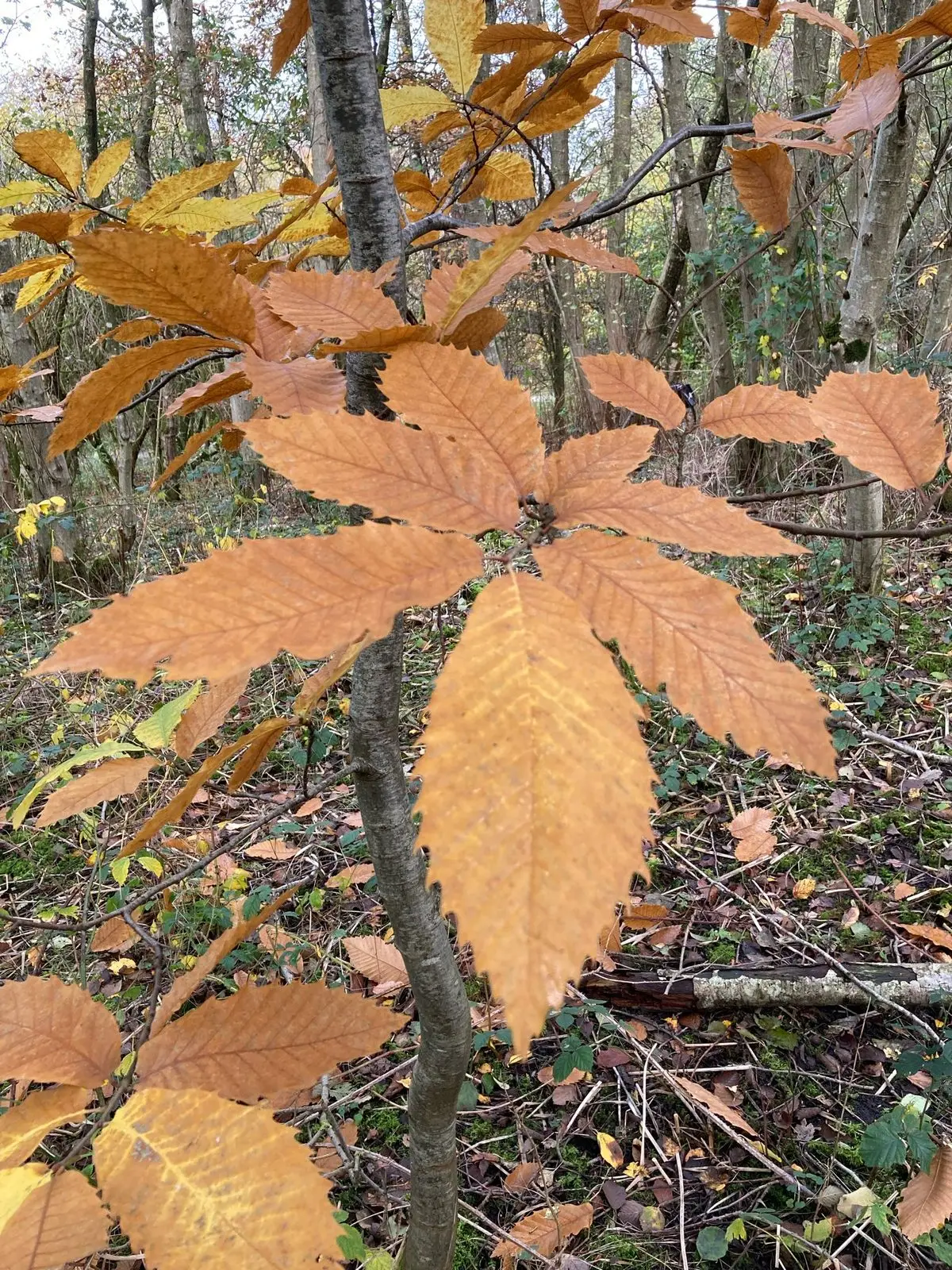 Mark Partington, CC BY 4.0Sweet chestnutLate yellow
Big long leaves turning yellow, then brown.October to NovemberHow to identify it →
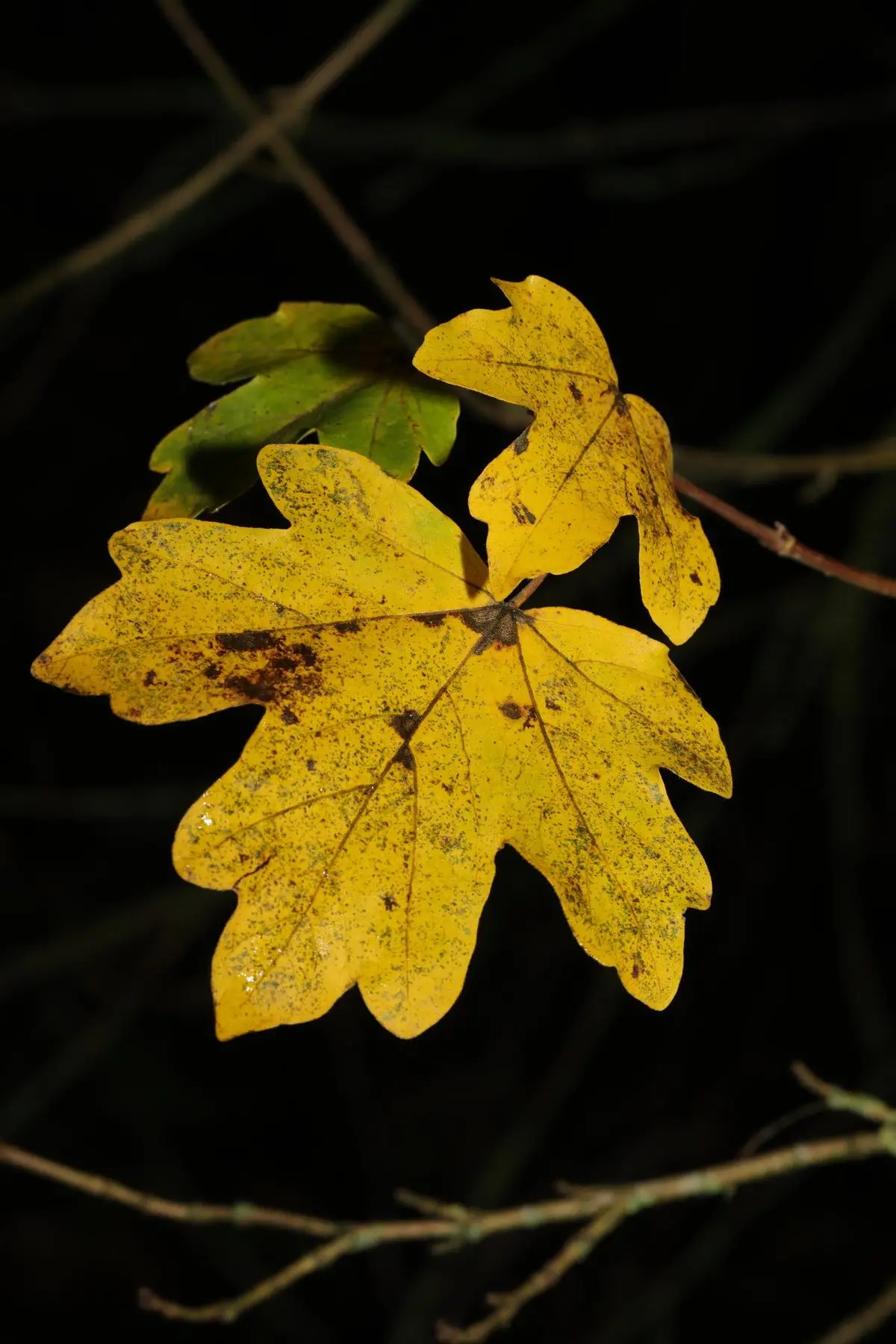 Field mapleButter yellow
A small tree turned an even yellow.October to NovemberHow to identify it →
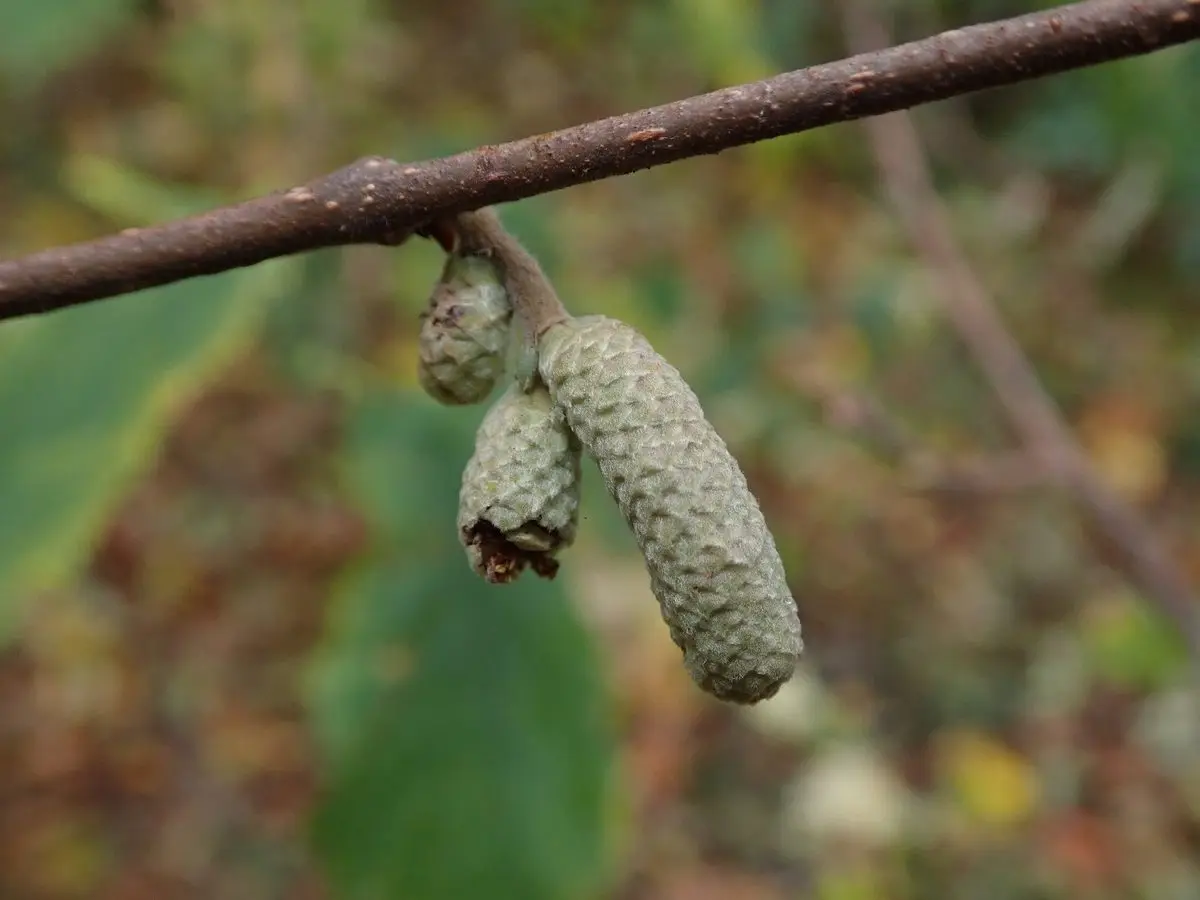 Daniel Cahen, CC BY 4.0HazelGreen catkins
Short green catkins, closed tight on the twigs.October to DecemberHow to identify it →
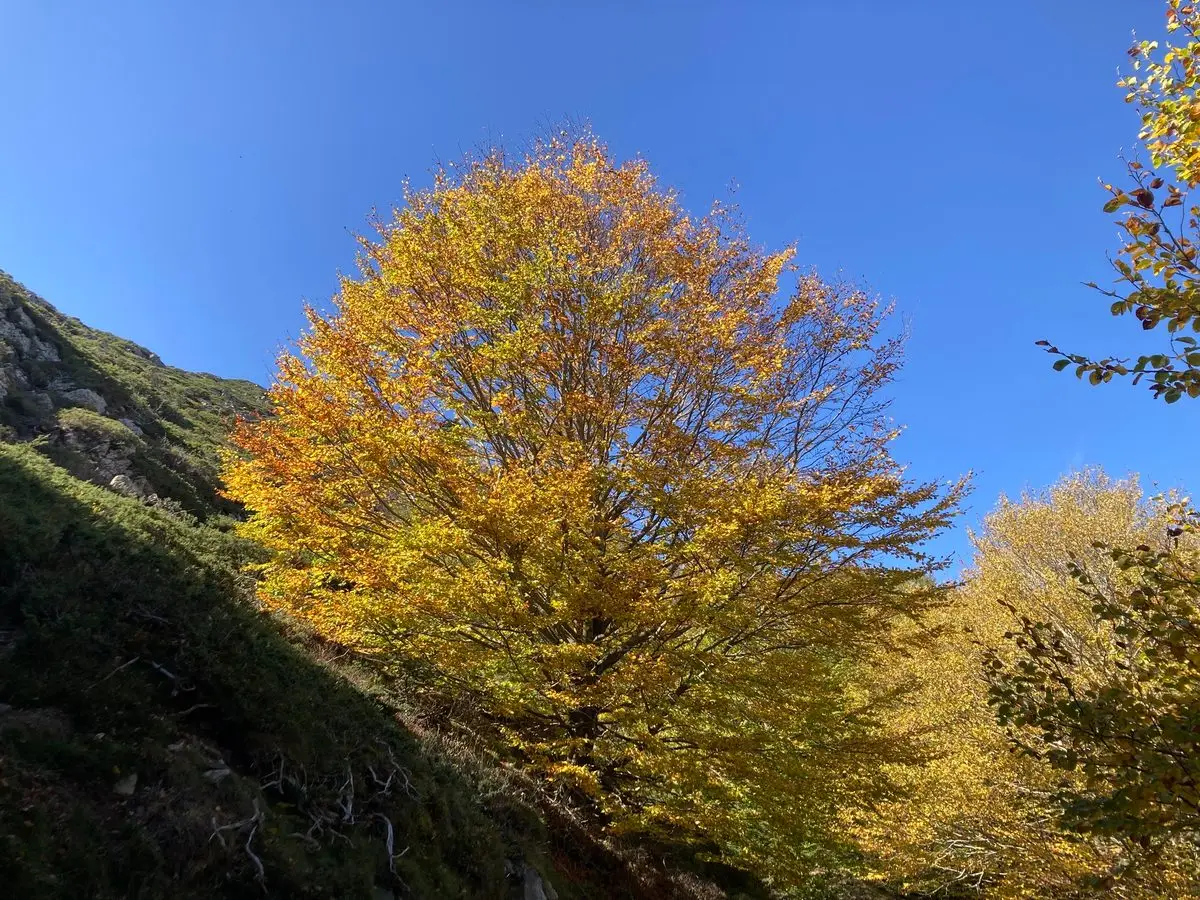 Marc Riera, CC BY 4.0Common beechAmber
A beech turning gold and orange.October to NovemberHow to identify it →
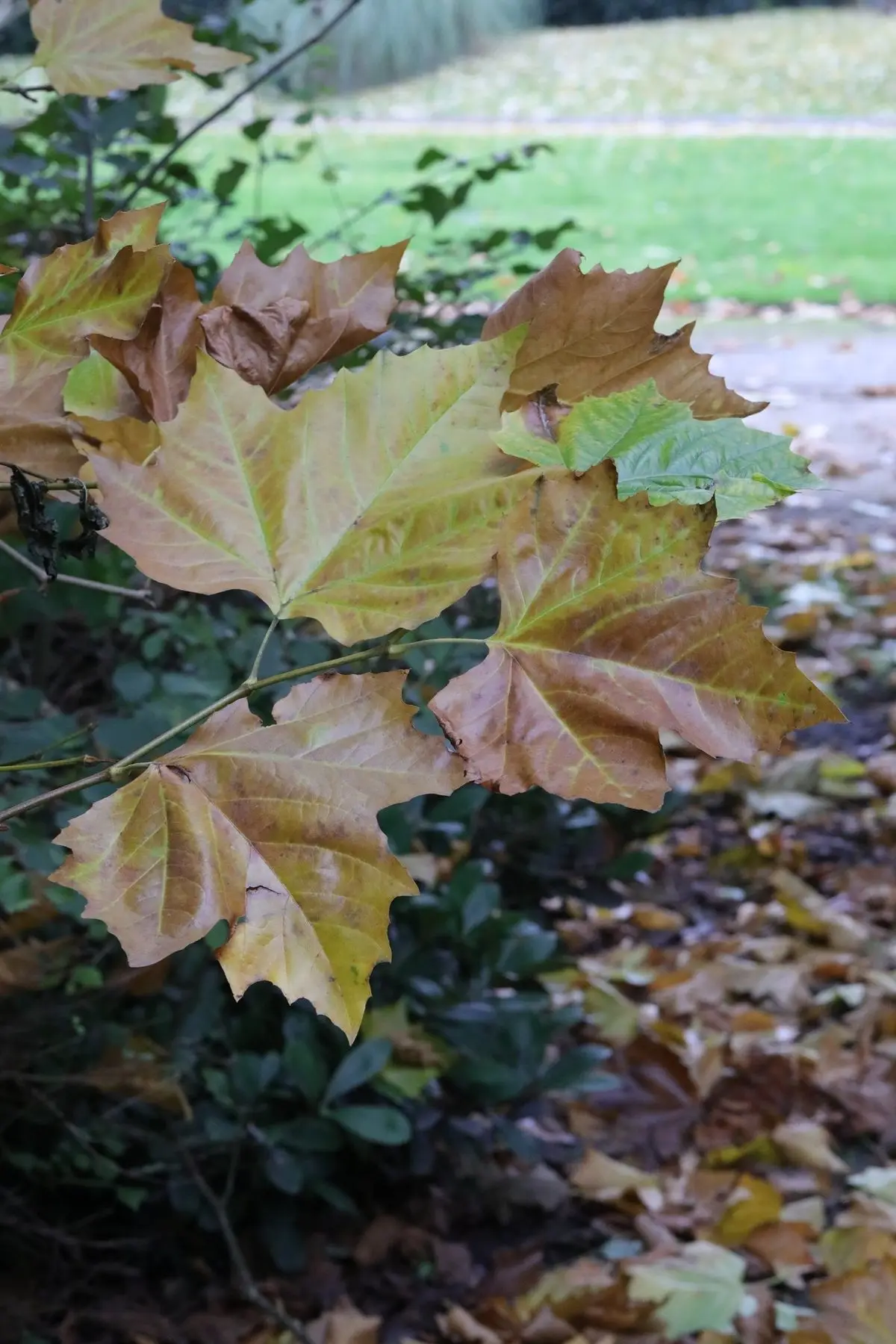 London planeOrange
Big stiff leaves turning orange.October to NovemberHow to identify it →
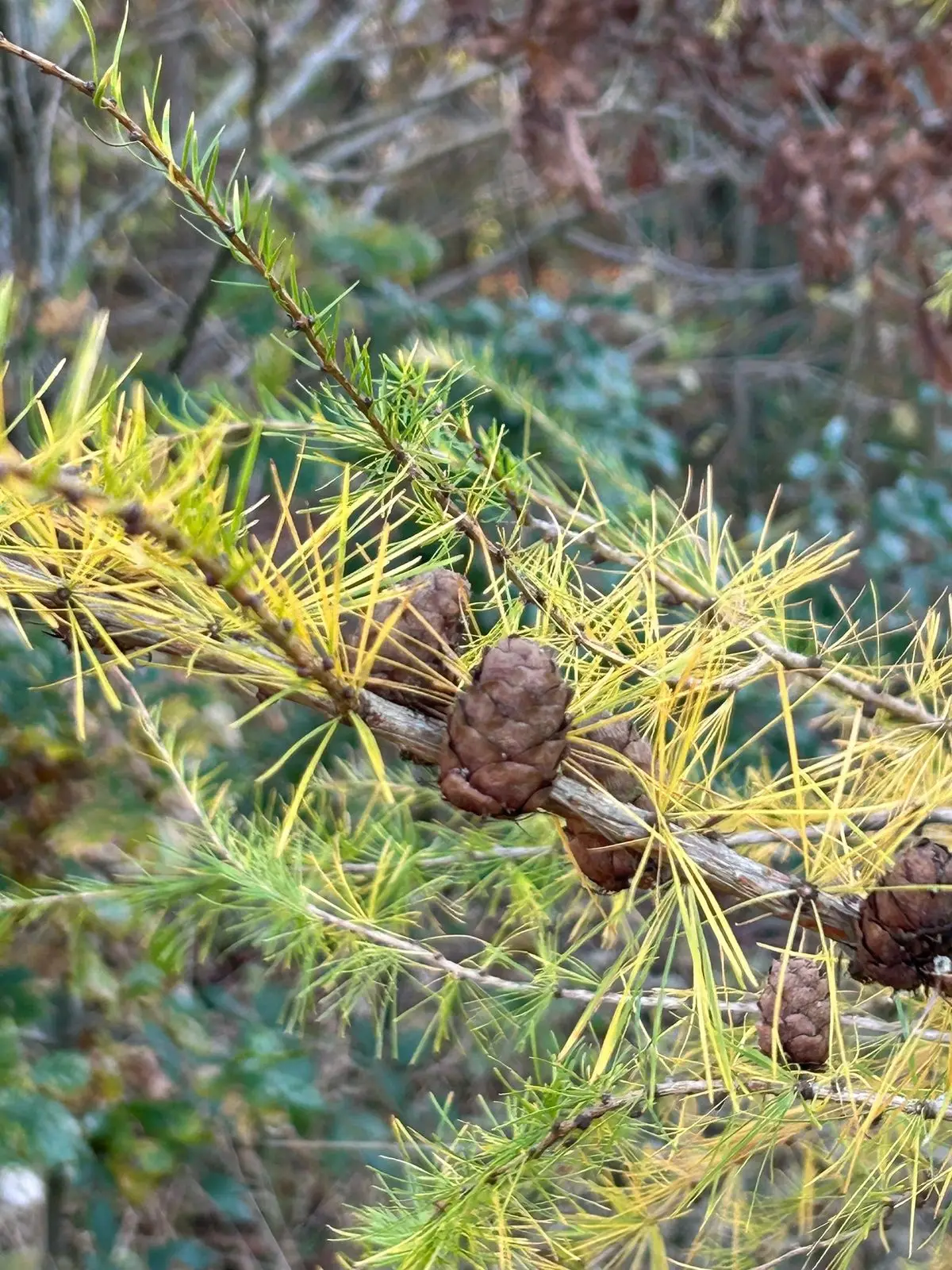 Dave Shenton, CC BY 4.0European larchGold needles
A conifer gone gold, dropping its needles.October to NovemberHow to identify it →
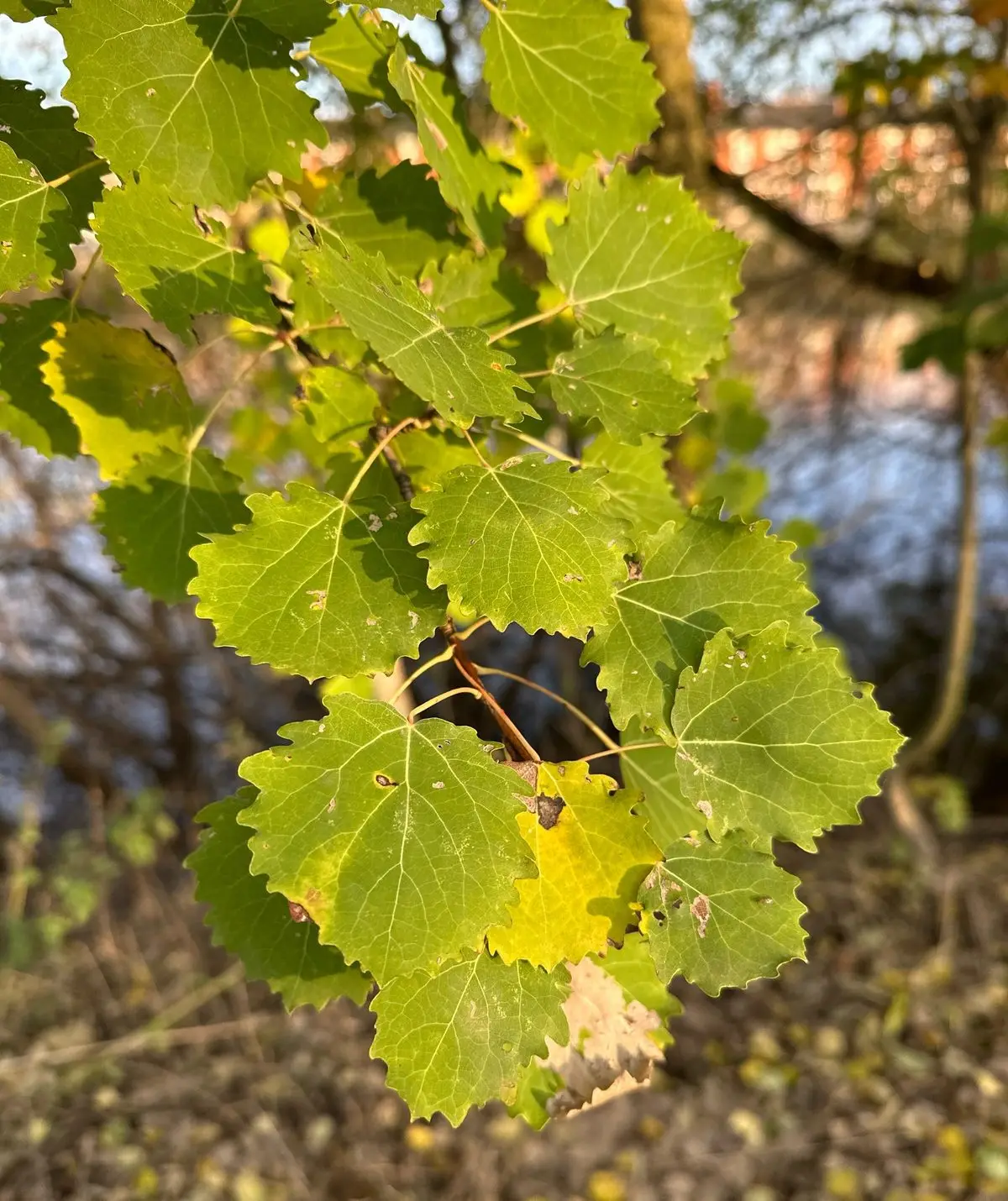 AspenShaking gold
Yellow leaves still trembling in the breeze.October to NovemberHow to identify it →
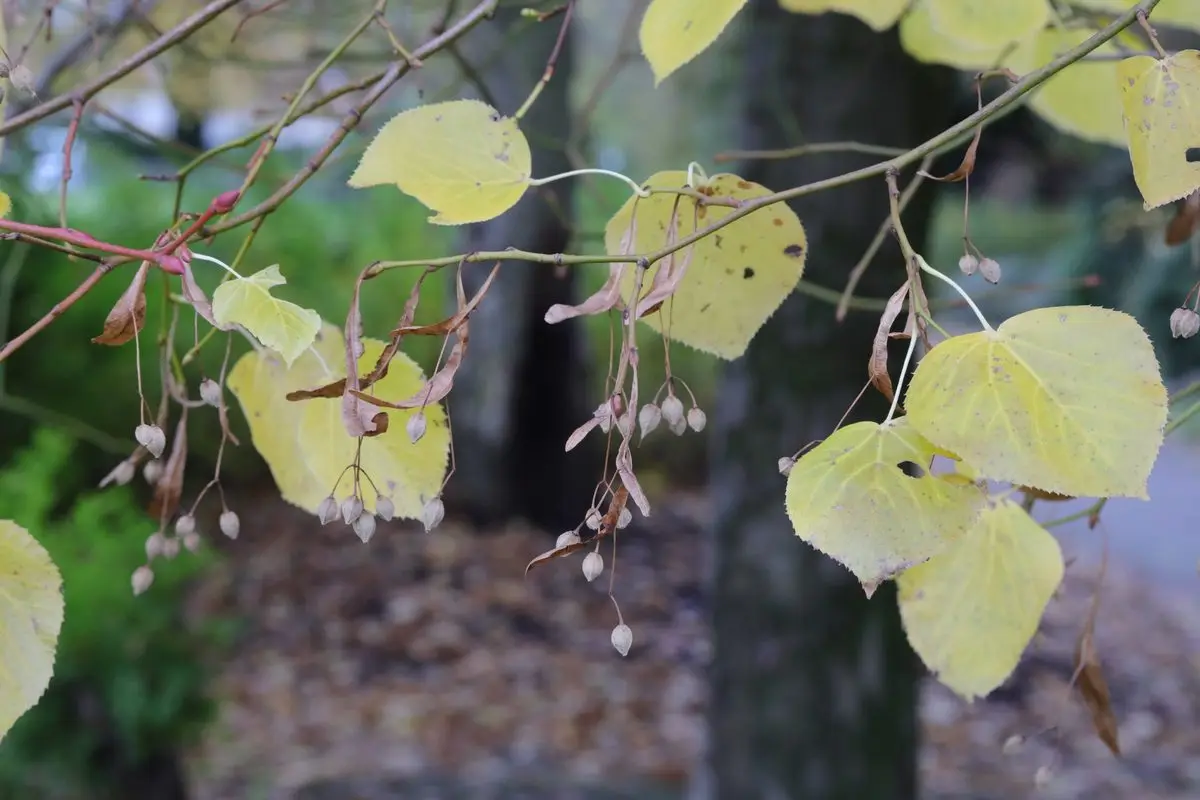 Common limeYellow hearts
Yellow heart-shaped leaves across the whole tree.October to NovemberHow to identify it →
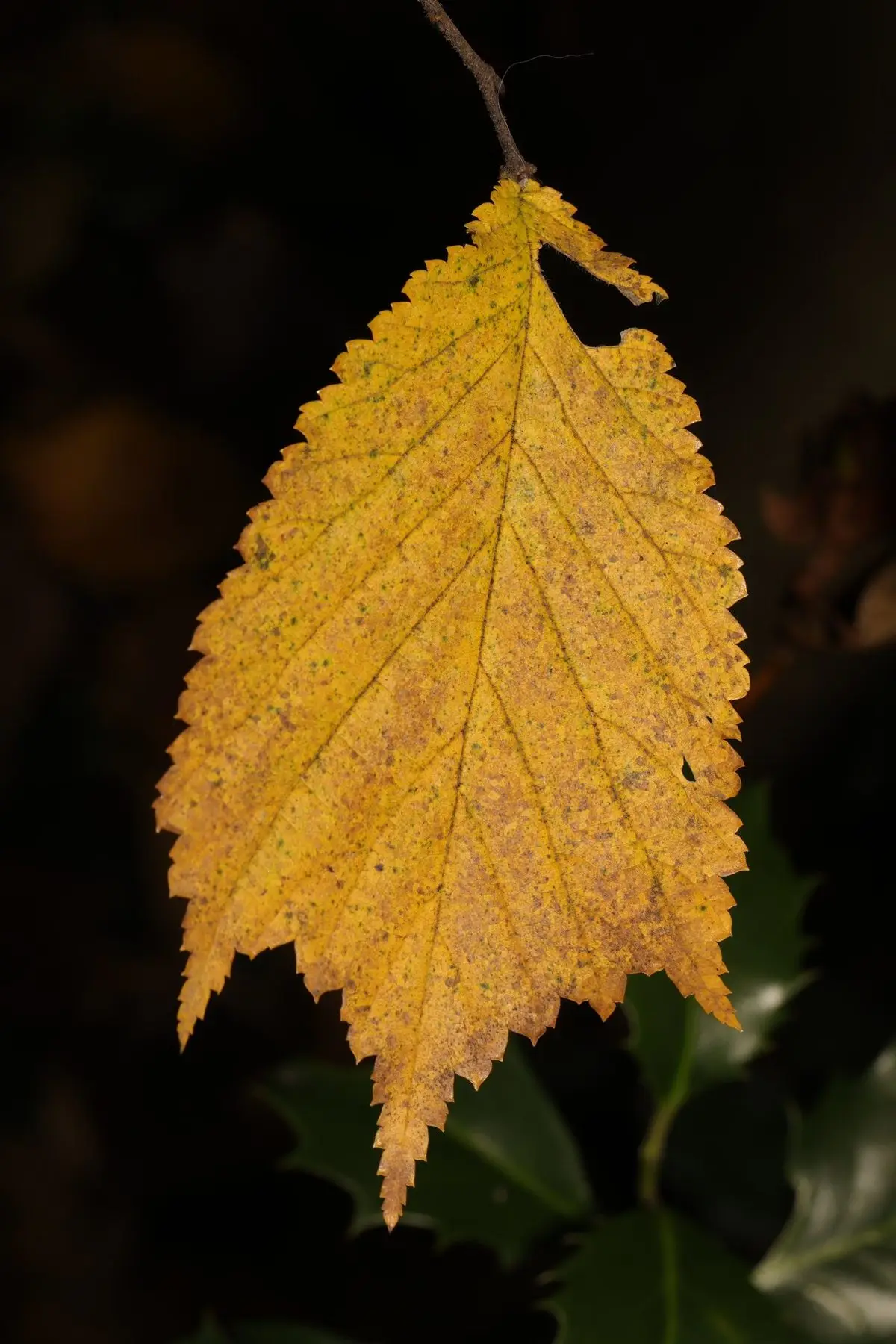 Wych elmYellow
Yellow leaves across the whole tree.October to NovemberHow to identify it →
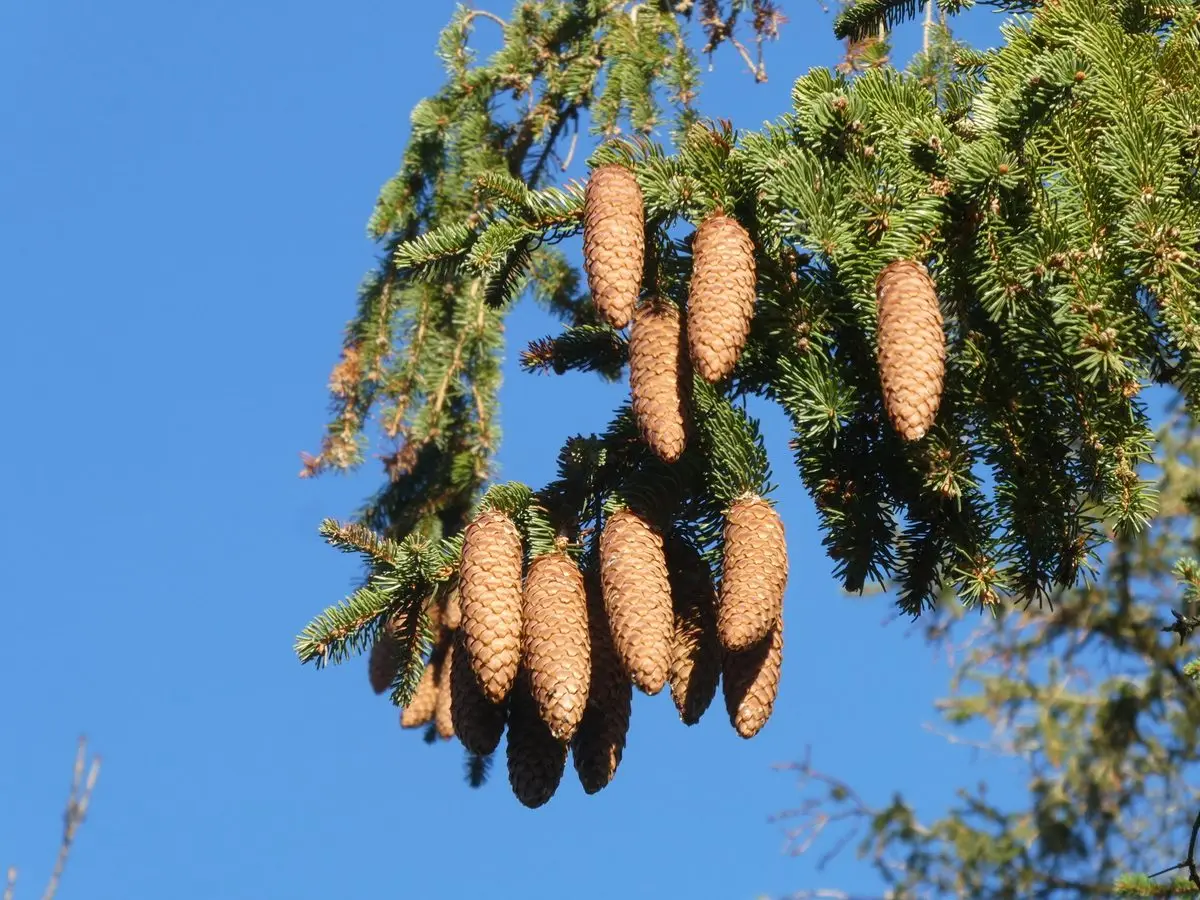 gwynmwilliams, CC BY 4.0Norway spruceLong cones
Long slender cones hanging straight down.October to FebruaryHow to identify it →
Fruit, nuts and cones
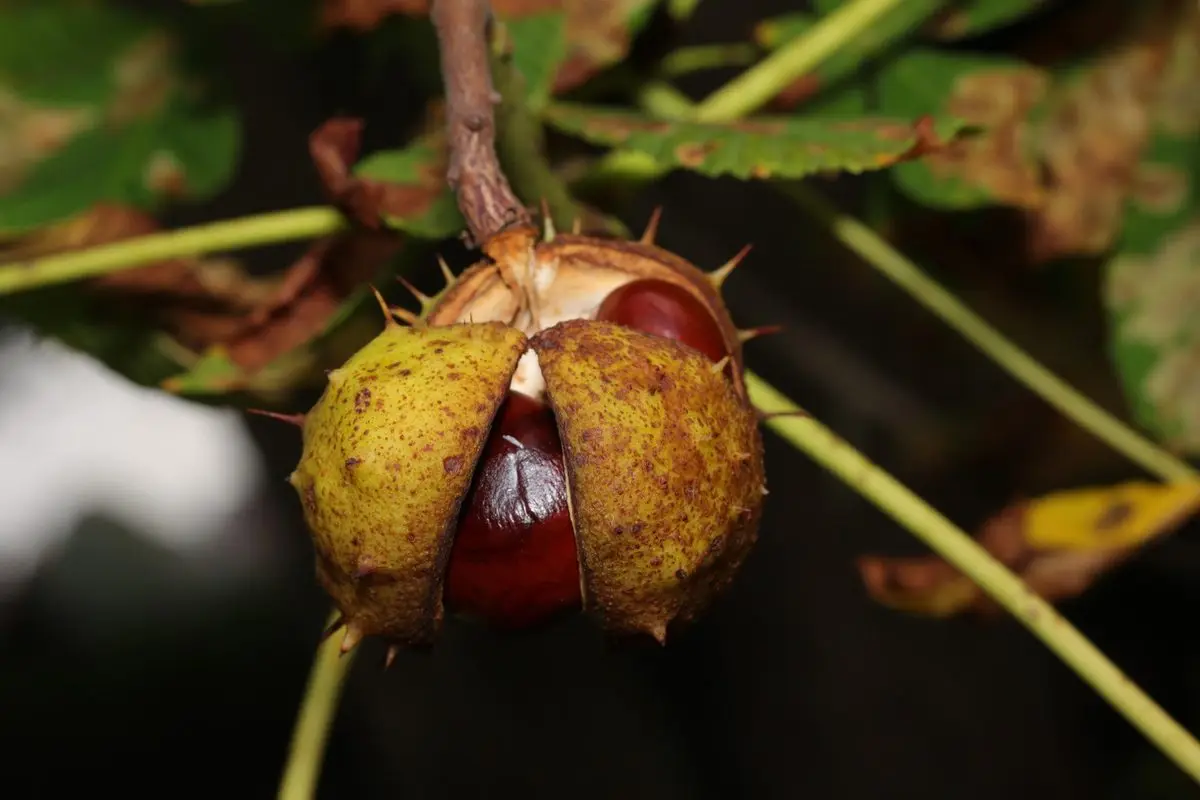 Horse chestnutConkers
Spiky green cases split open on the grass.September to OctoberHow to identify it →
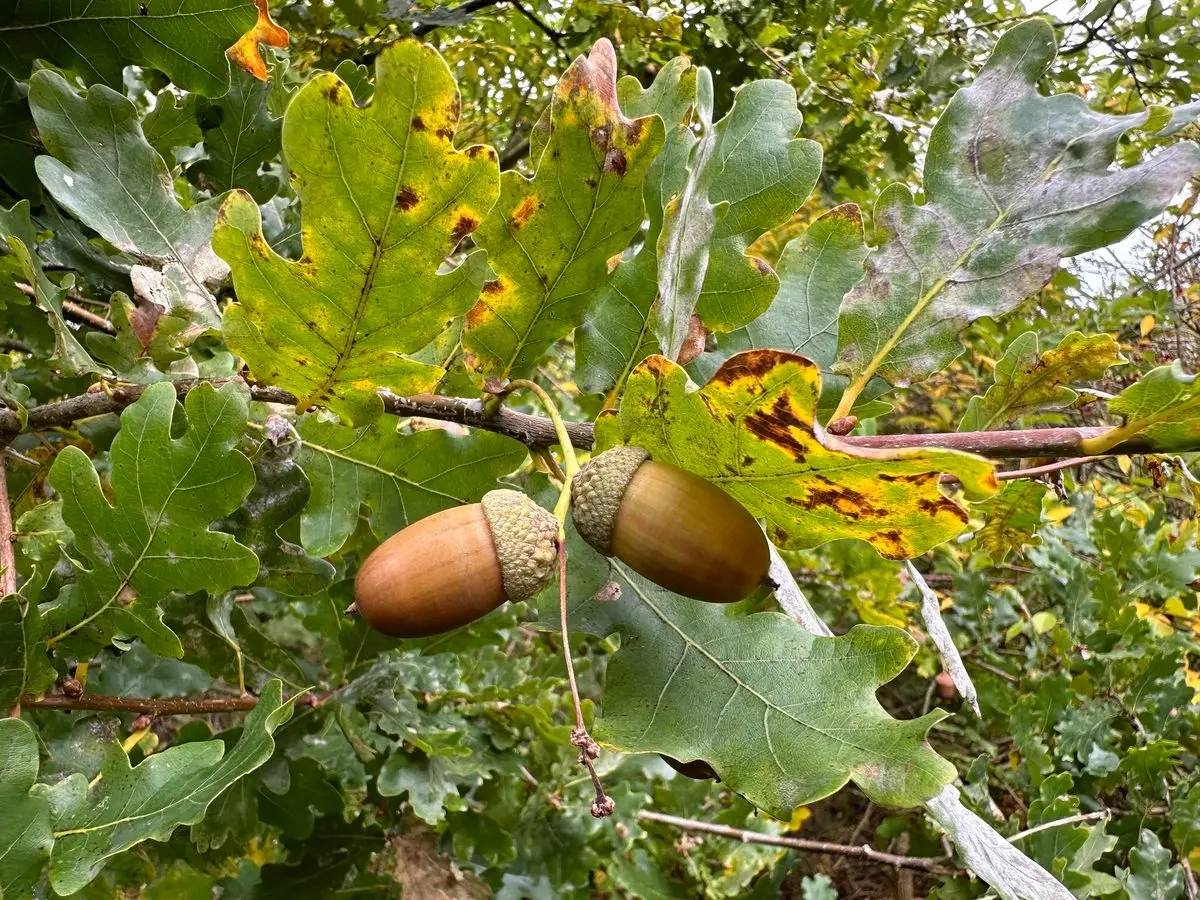 Julia Henning, CC BY 4.0English oakAcorns
Brown acorns in small scaly cups.September to OctoberHow to identify it →
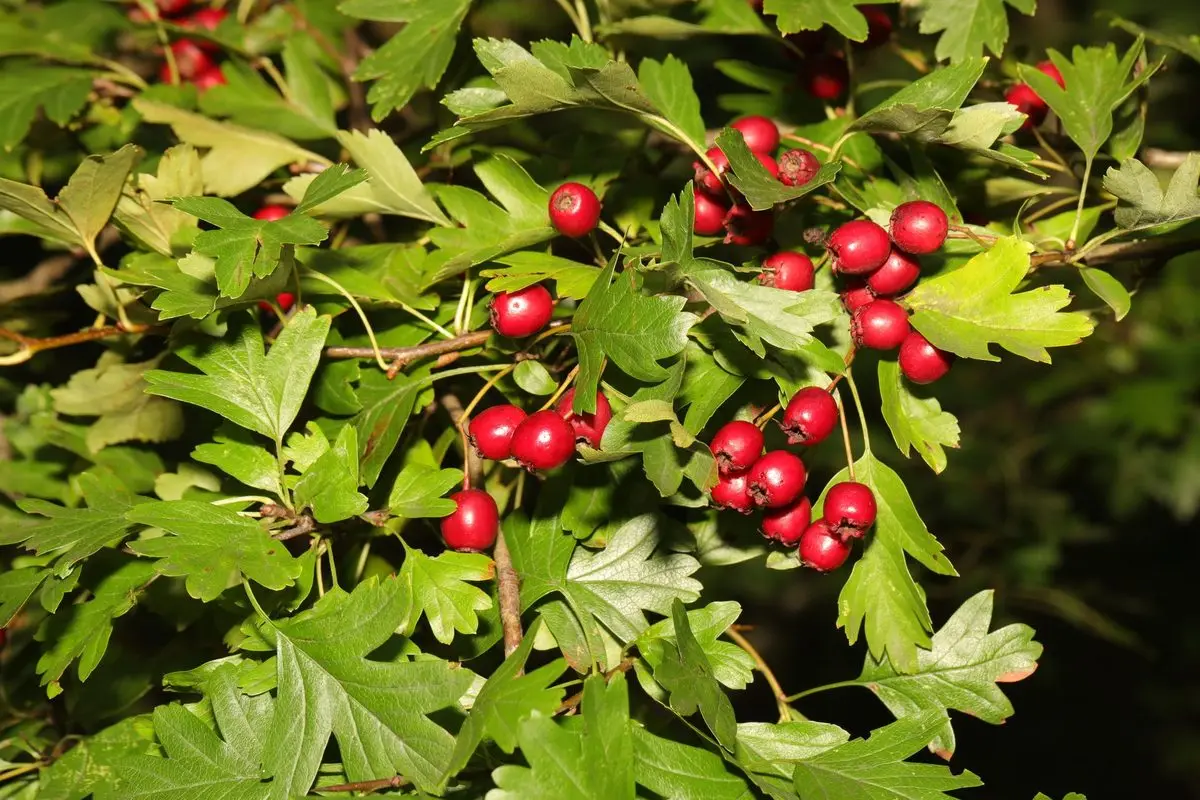 HawthornHaws
Red haws in loose bunches along the twigs.August to NovemberHow to identify it →
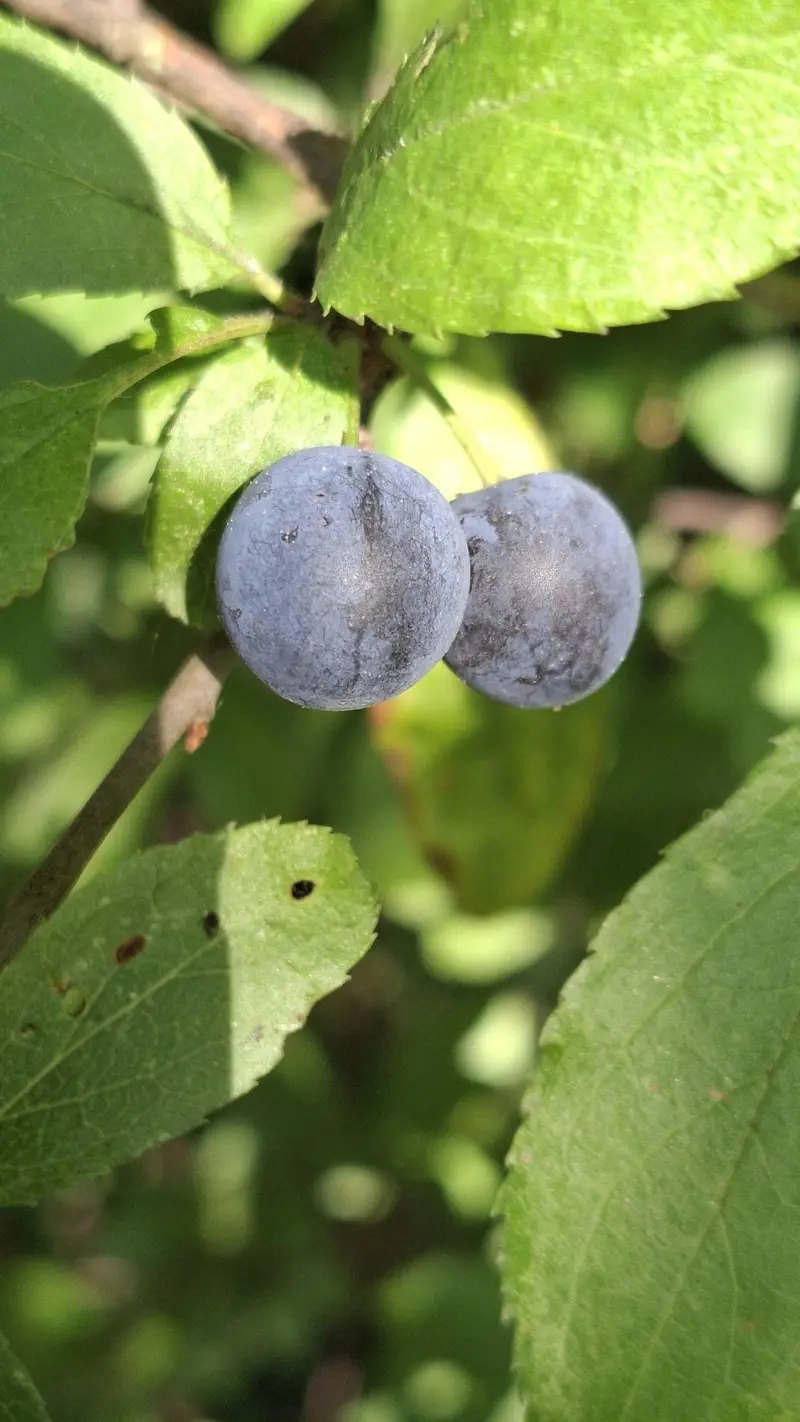 Melanie Stanton, CC BY 4.0BlackthornSloes
Round, dusty blue sloes.August to NovemberHow to identify it →
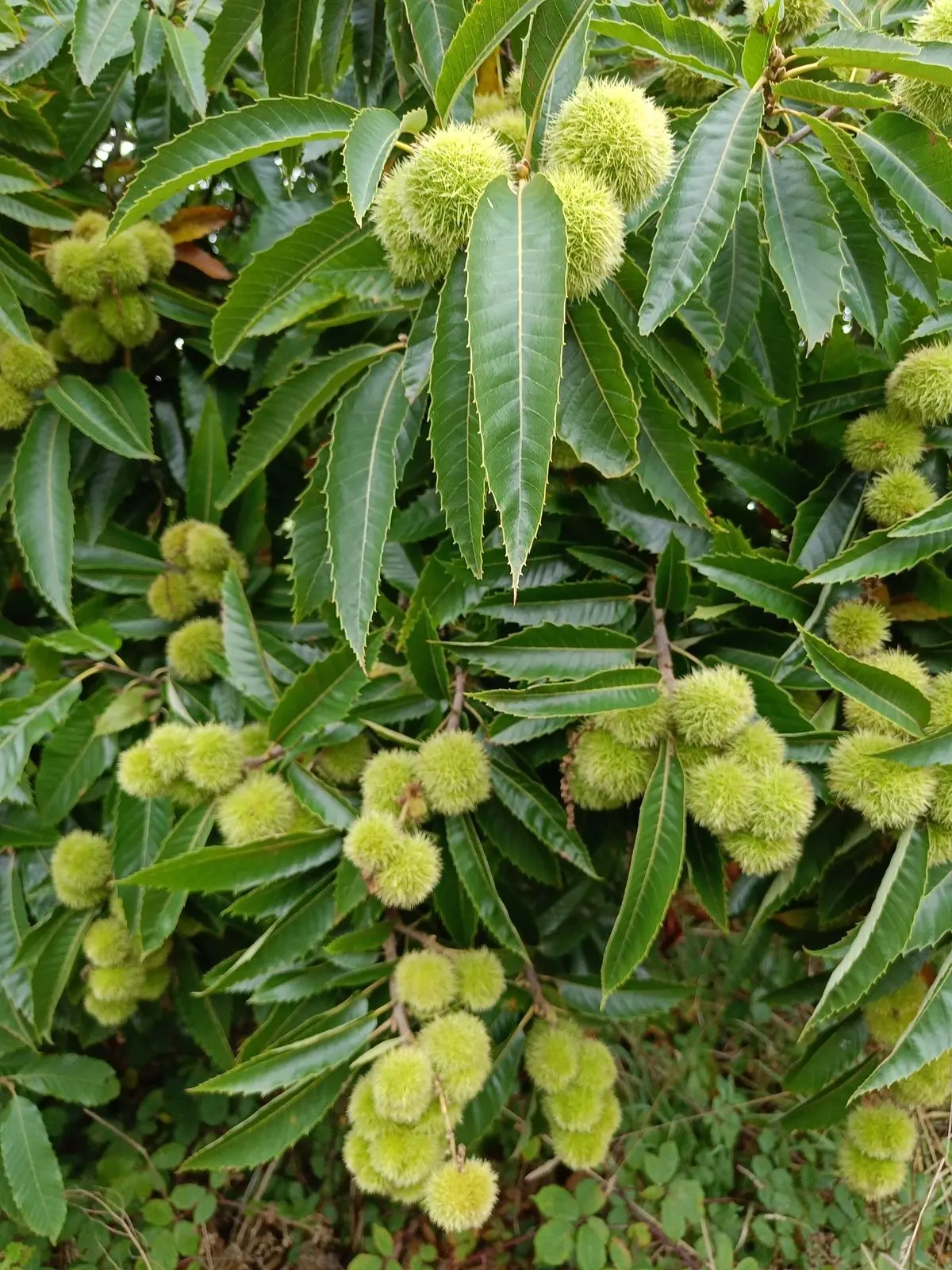 Sweet chestnutChestnuts
Spiny cases split open, with brown nuts inside.September to NovemberHow to identify it →
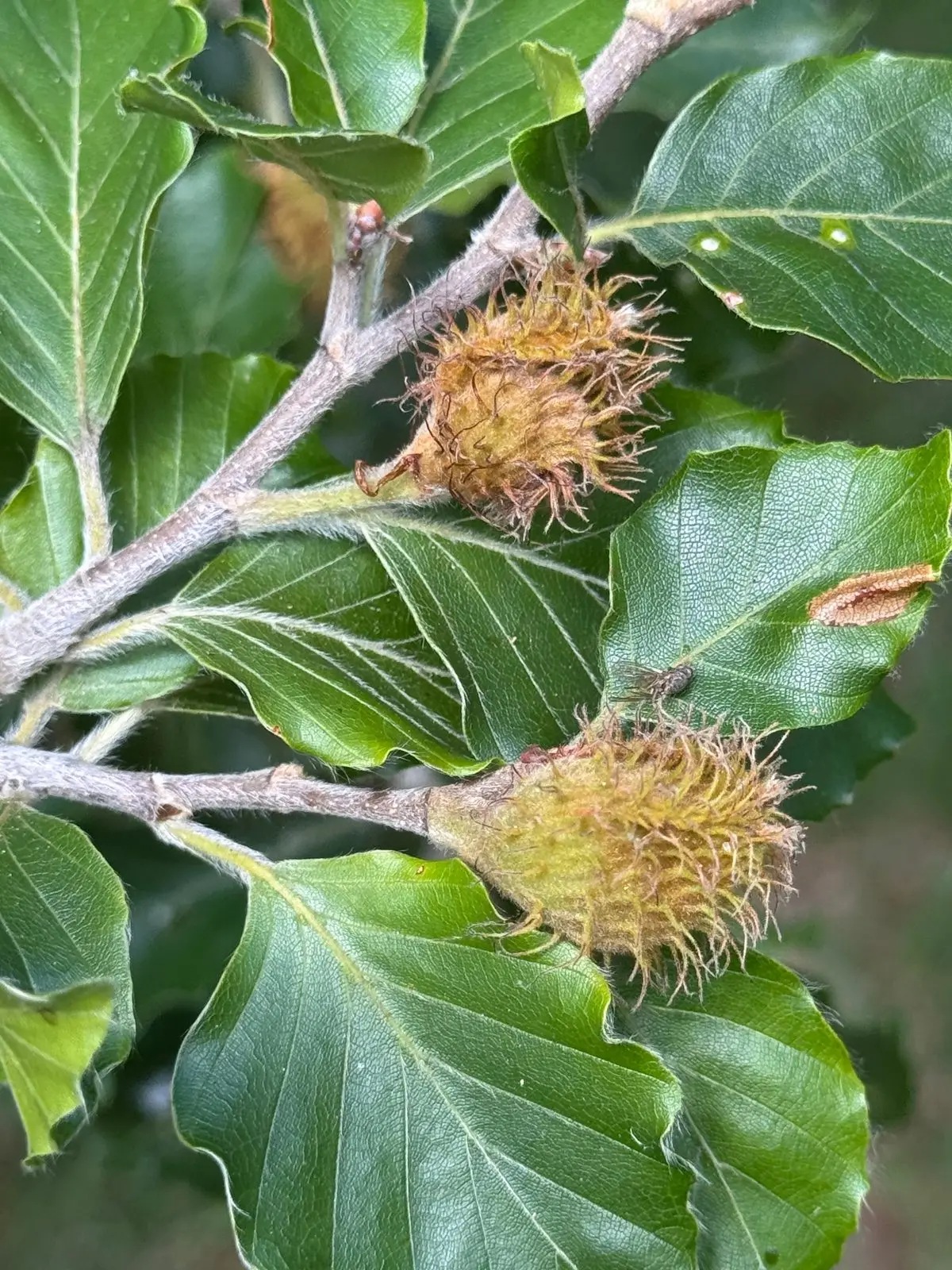 Common beechMast
Prickly husks split into four, on the ground.September to OctoberHow to identify it →
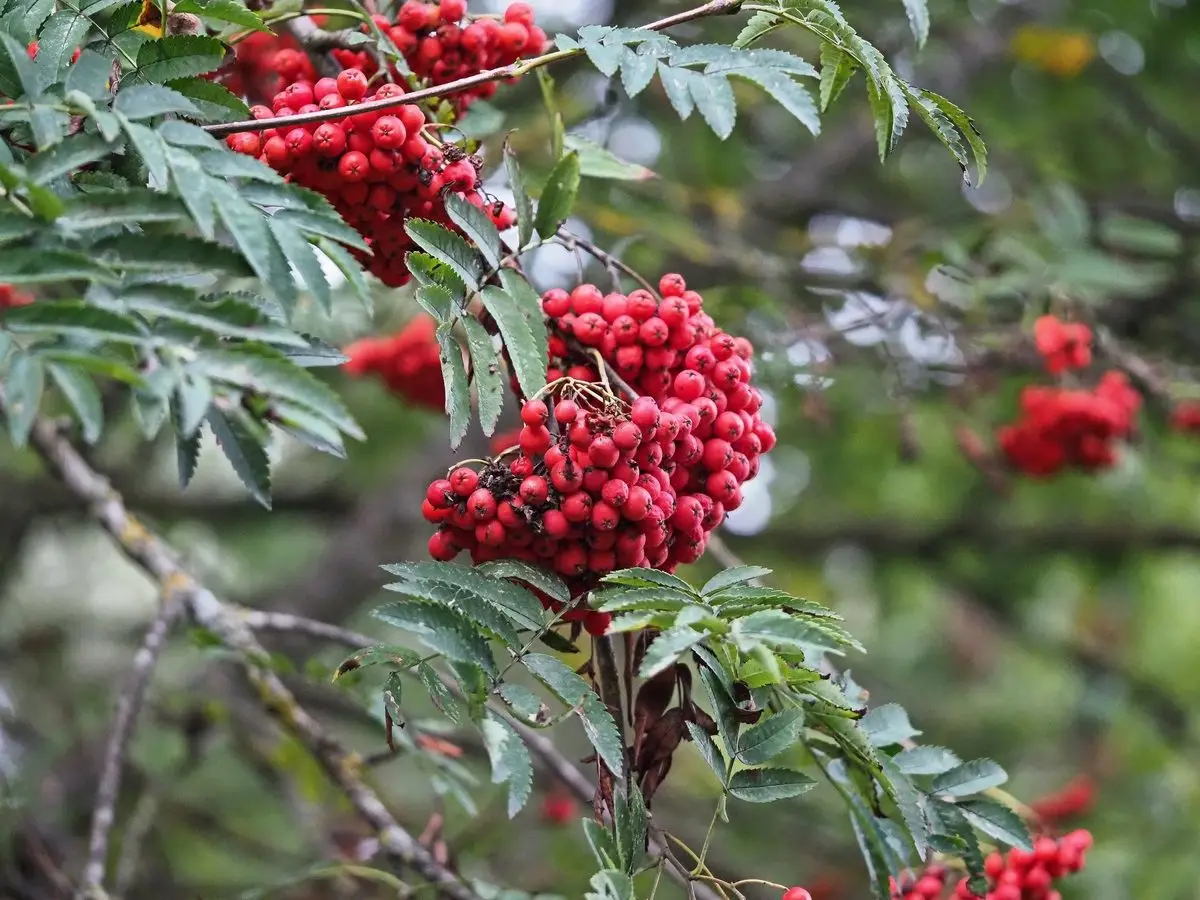 Alex Worsey, CC BY 4.0RowanRed bunches
Flat-topped bunches of berries, orange going to scarlet.August to OctoberHow to identify it →
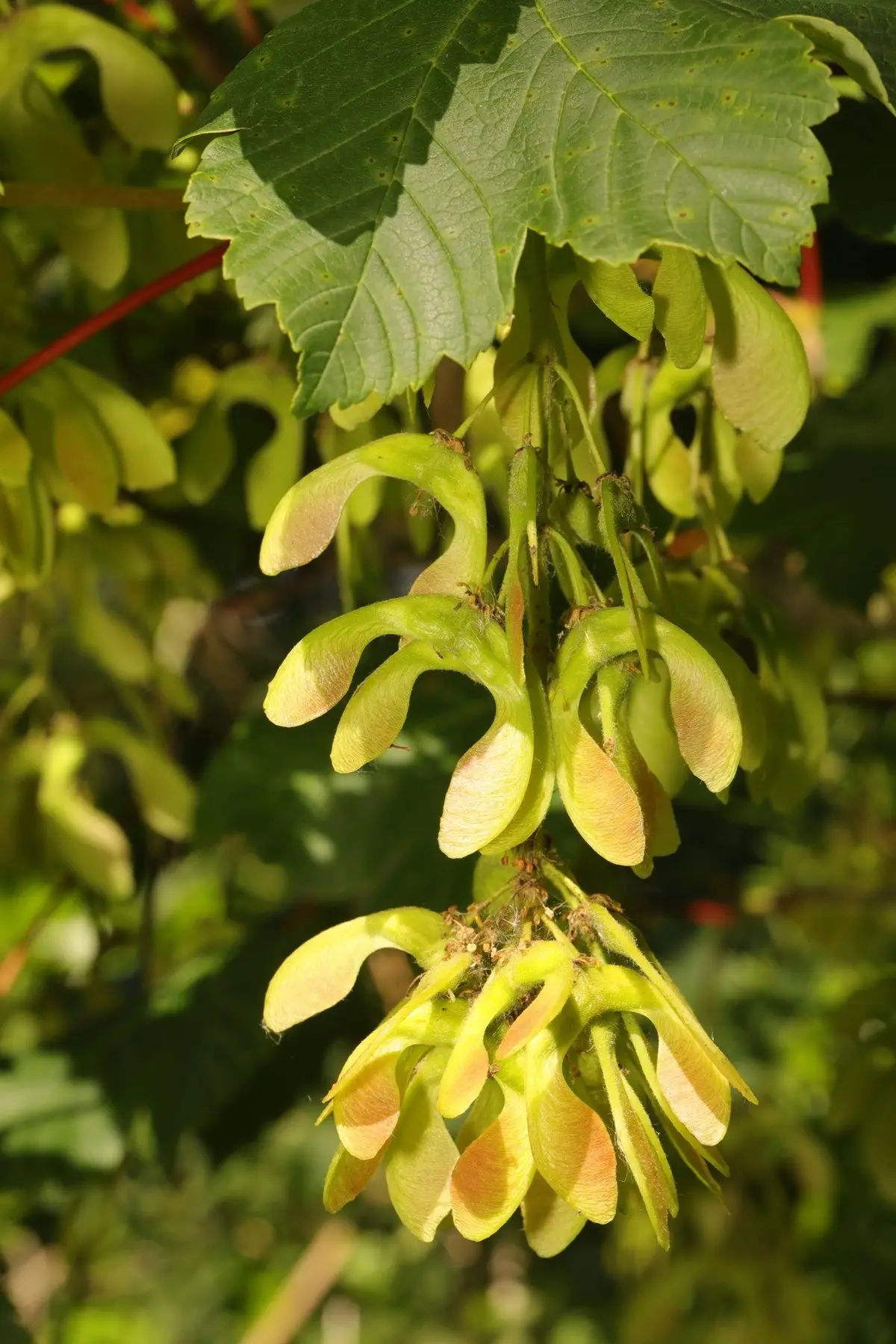 SycamoreHelicopters
Pairs of winged seeds hanging in bunches.September to OctoberHow to identify it →
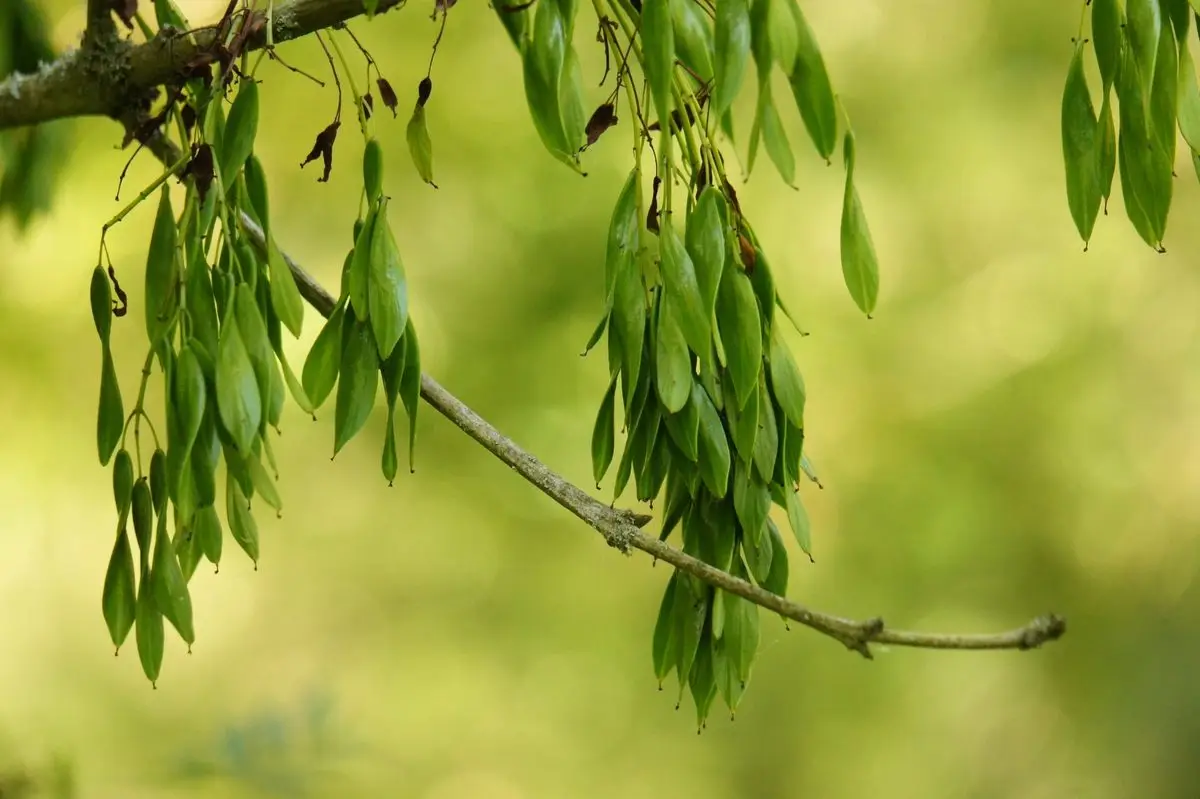 Alex Press, CC BY 4.0Common ashAsh keys
Papery wings hanging in bunches, turning brown.August to OctoberHow to identify it →
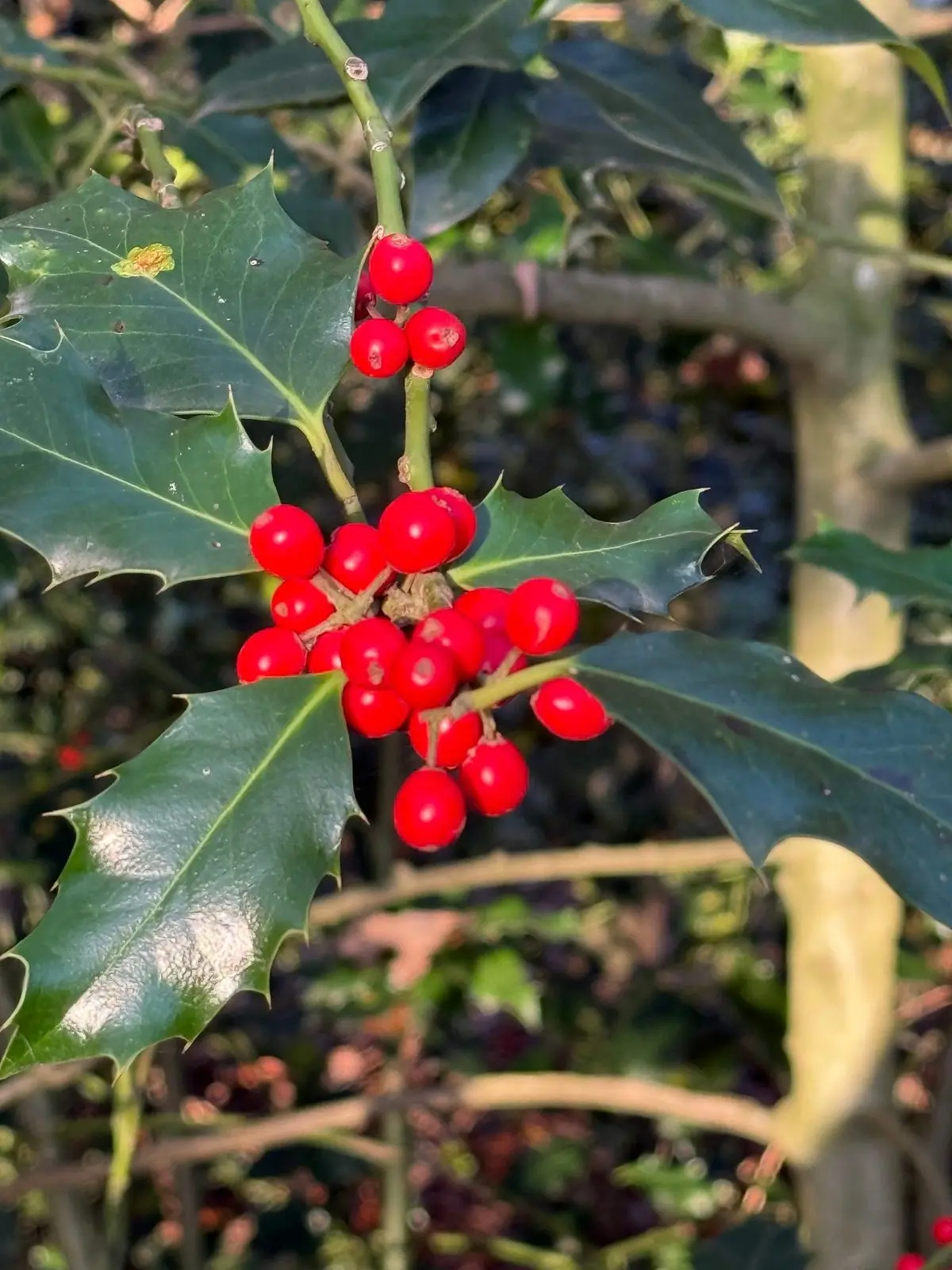 HollyWinter berries
Bright red berries in tight clusters.September to JanuaryHow to identify it →
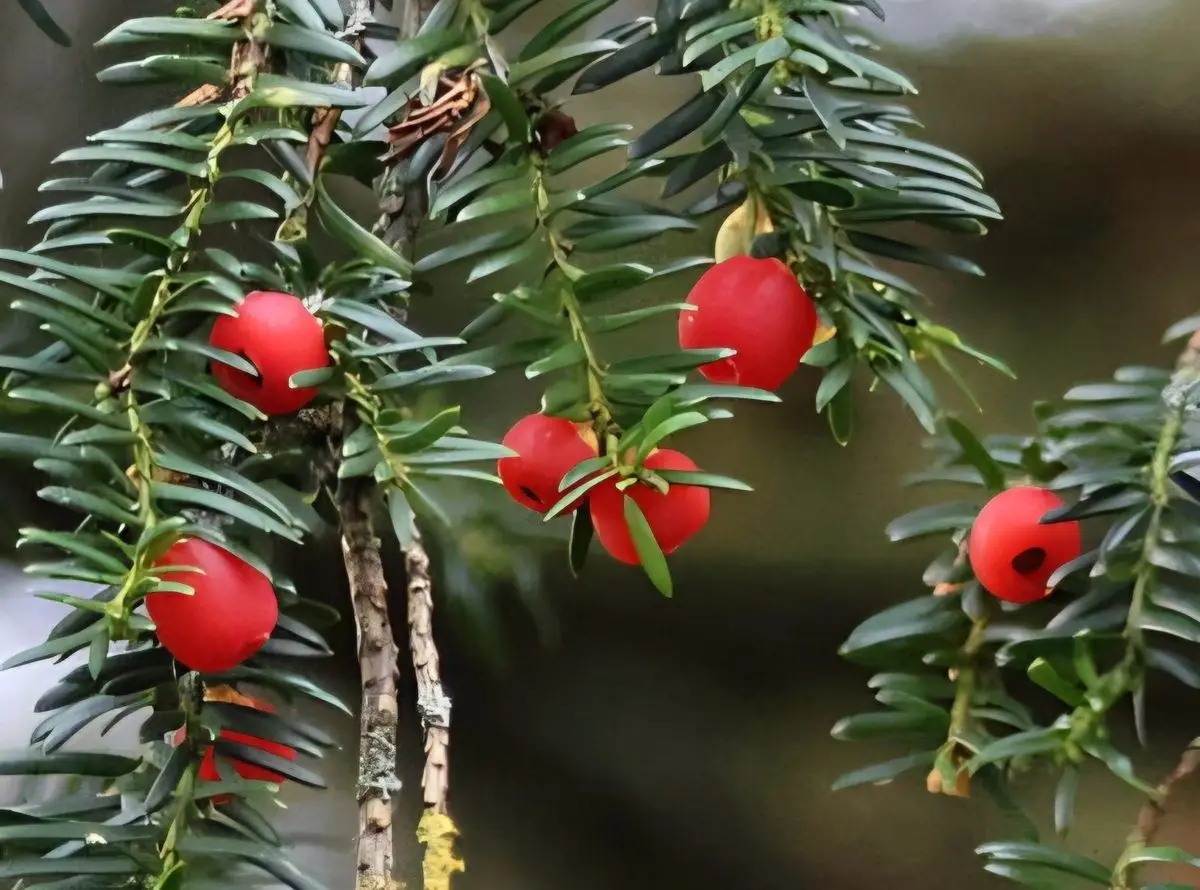 ikelman, CC BY 4.0YewRed cups
Soft red cups, open at the tip, with a green seed inside.September to NovemberHow to identify it →
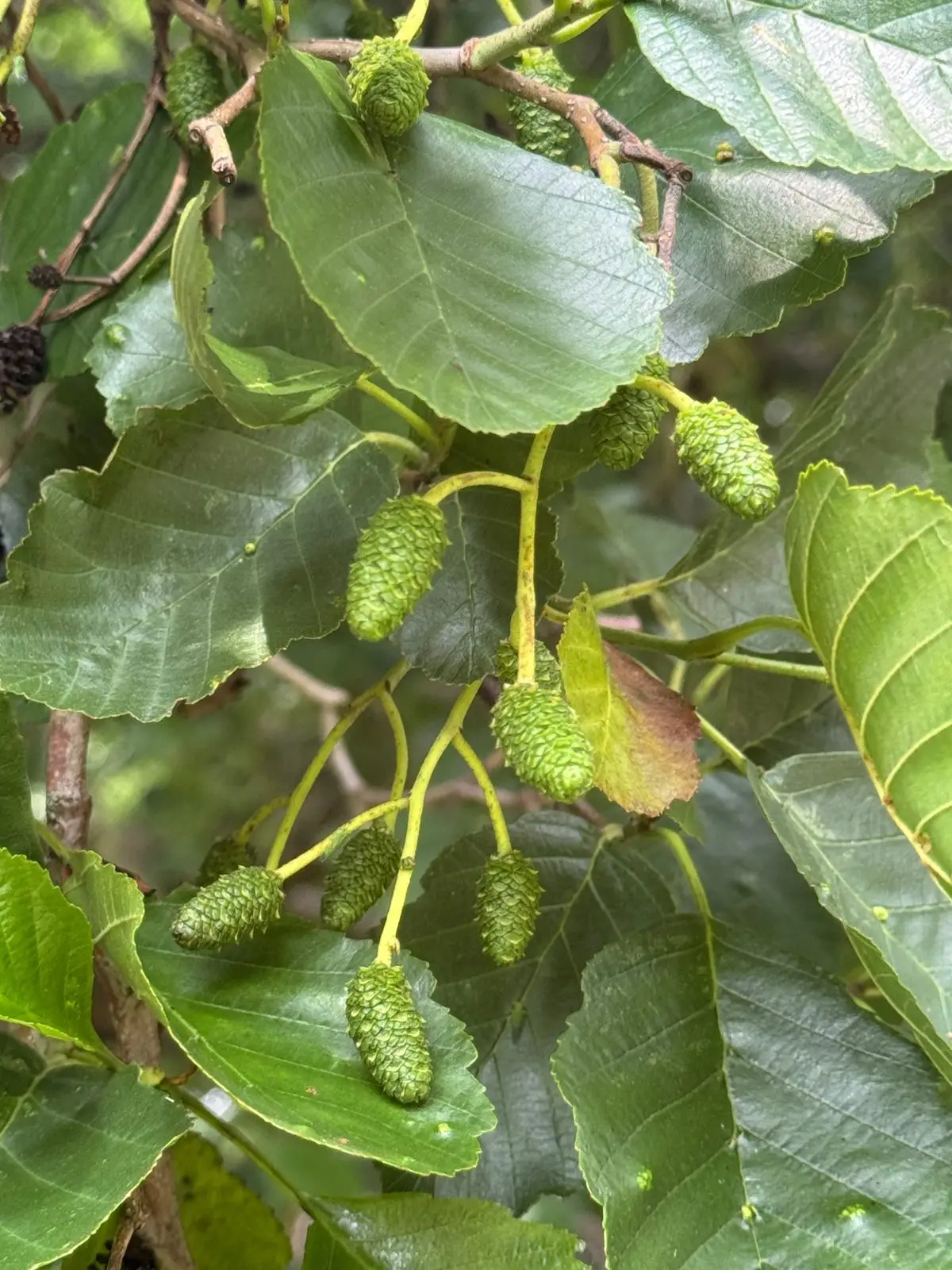 AlderGreen cones
Small green cones in bunches on the twigs.June to OctoberHow to identify it →
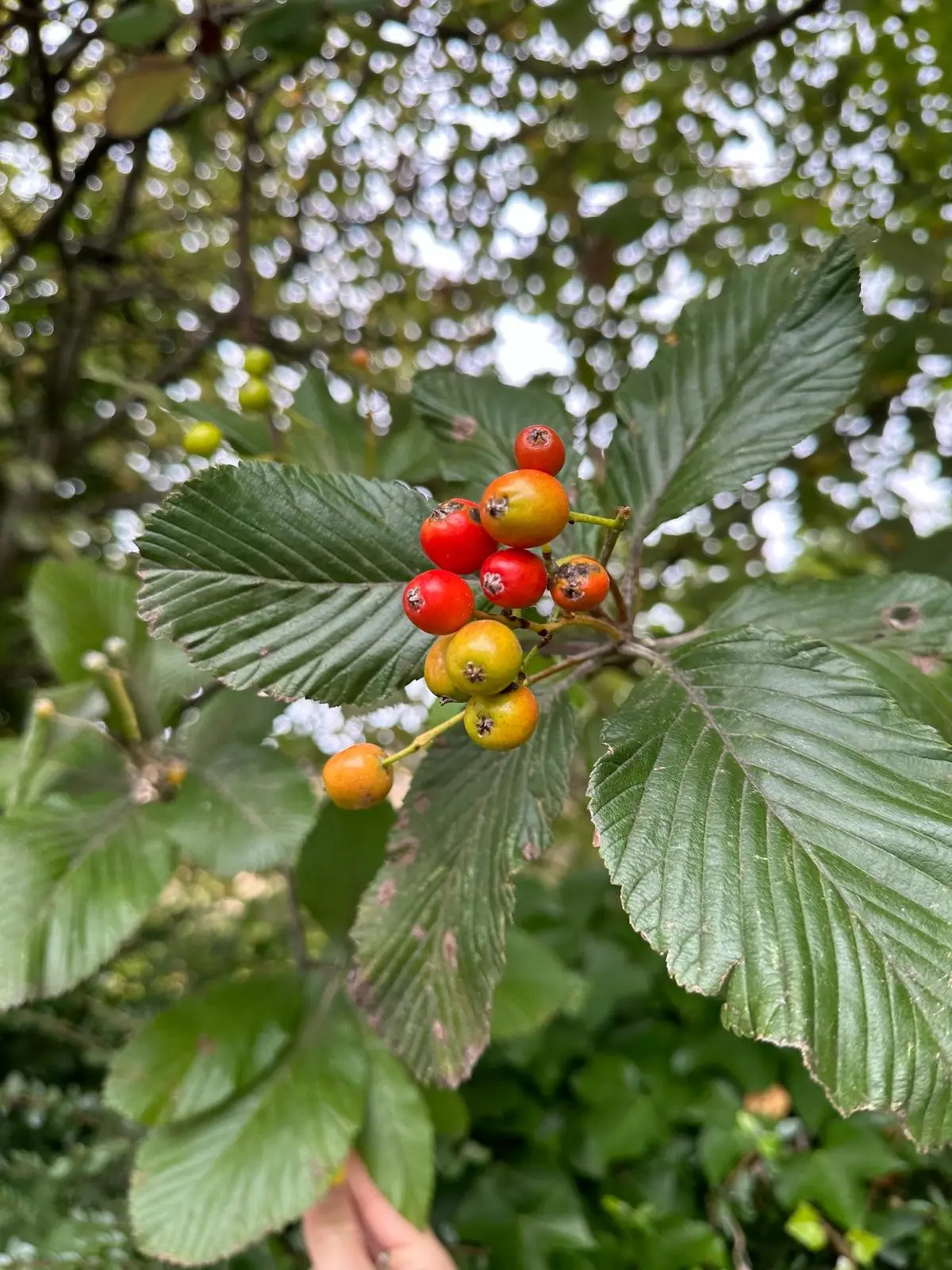 Scott Shanks, CC BY 4.0Common whitebeamSpeckled berries
Clusters of speckled red berries on the outer branches.September to OctoberHow to identify it →
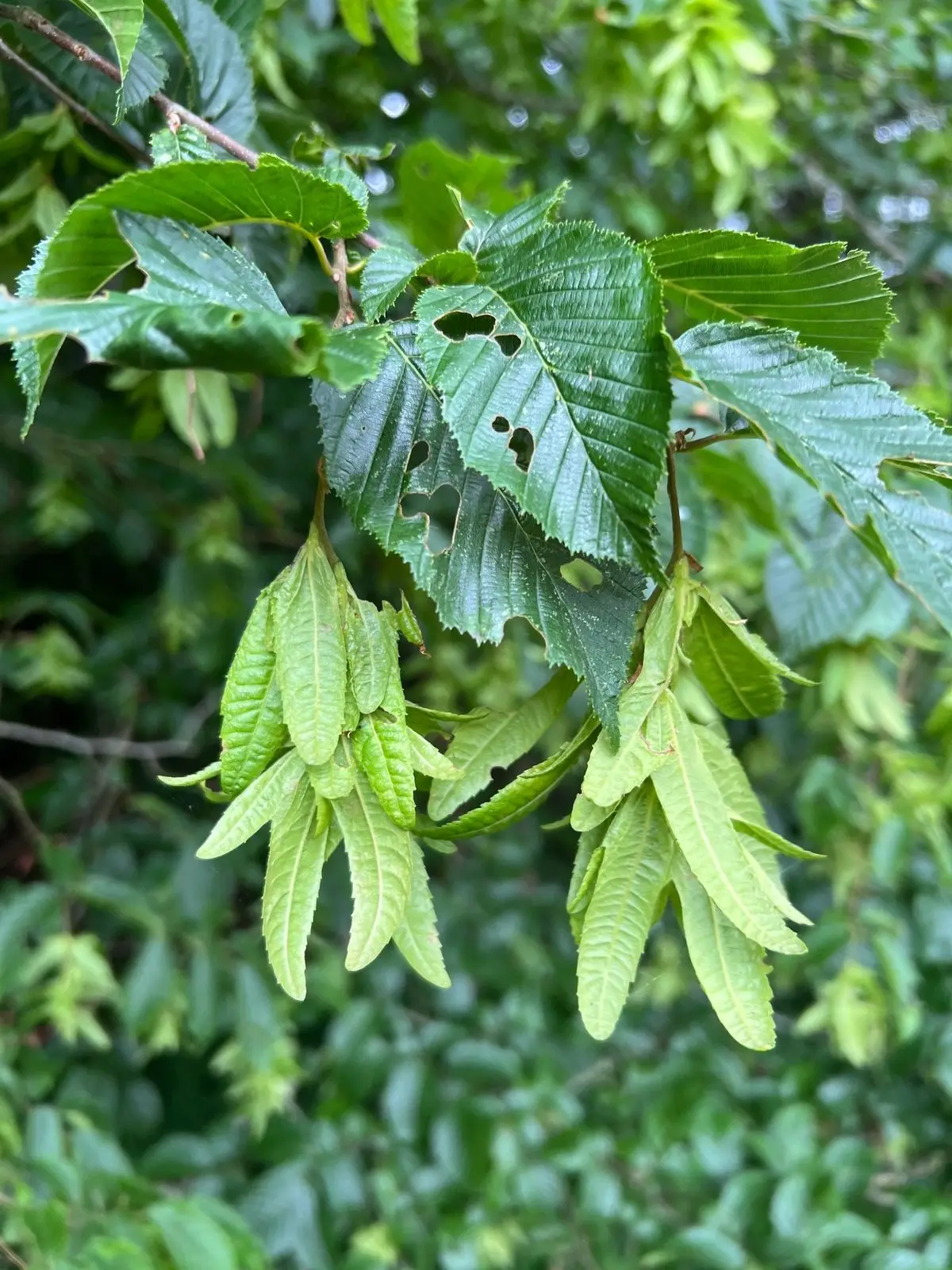 HornbeamSeed wings
Papery three-pointed wings, each with a small nut.September to NovemberHow to identify it →
Turning
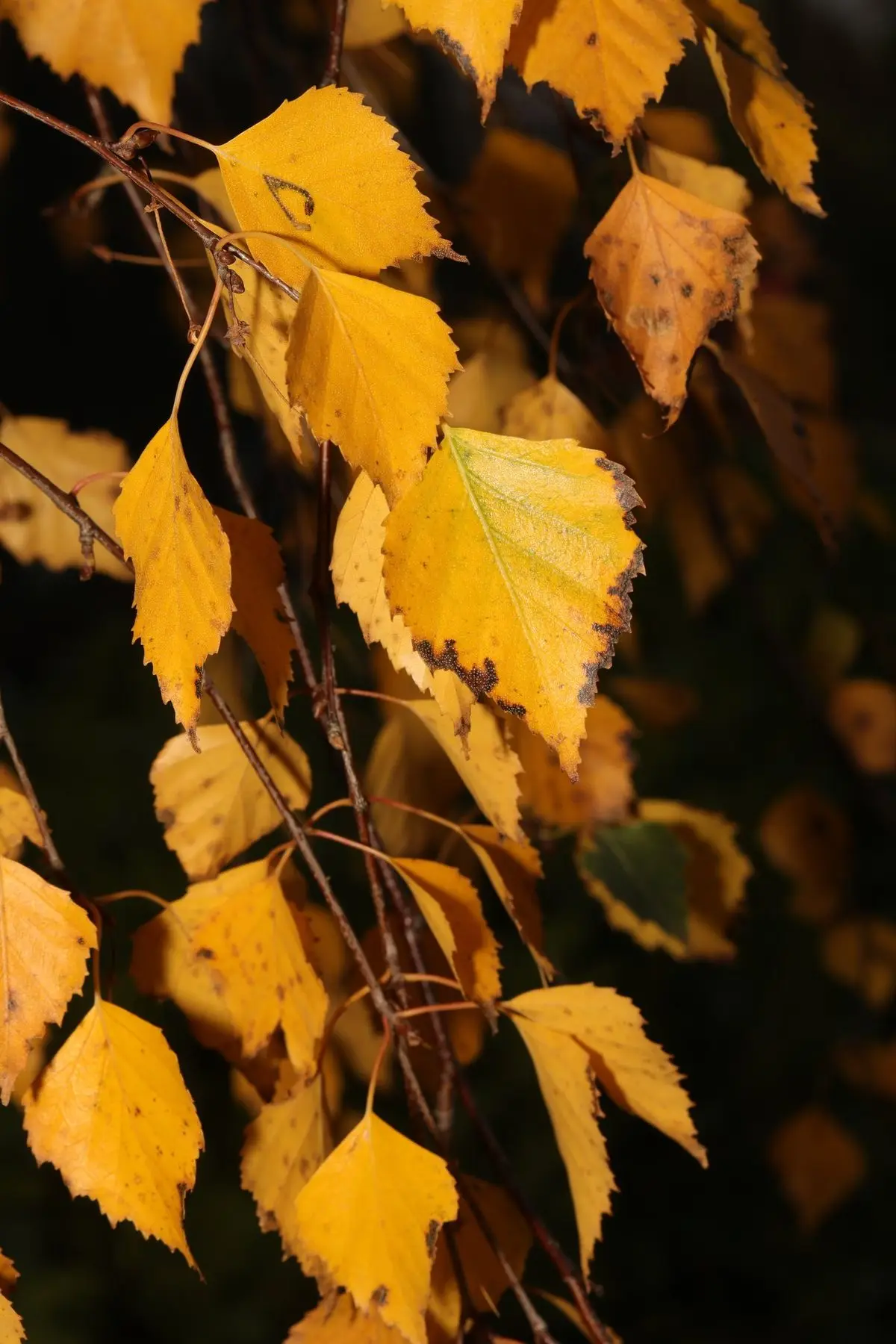 Silver birchGold on white
Yellow leaves against a white trunk.September to NovemberHow to identify it →
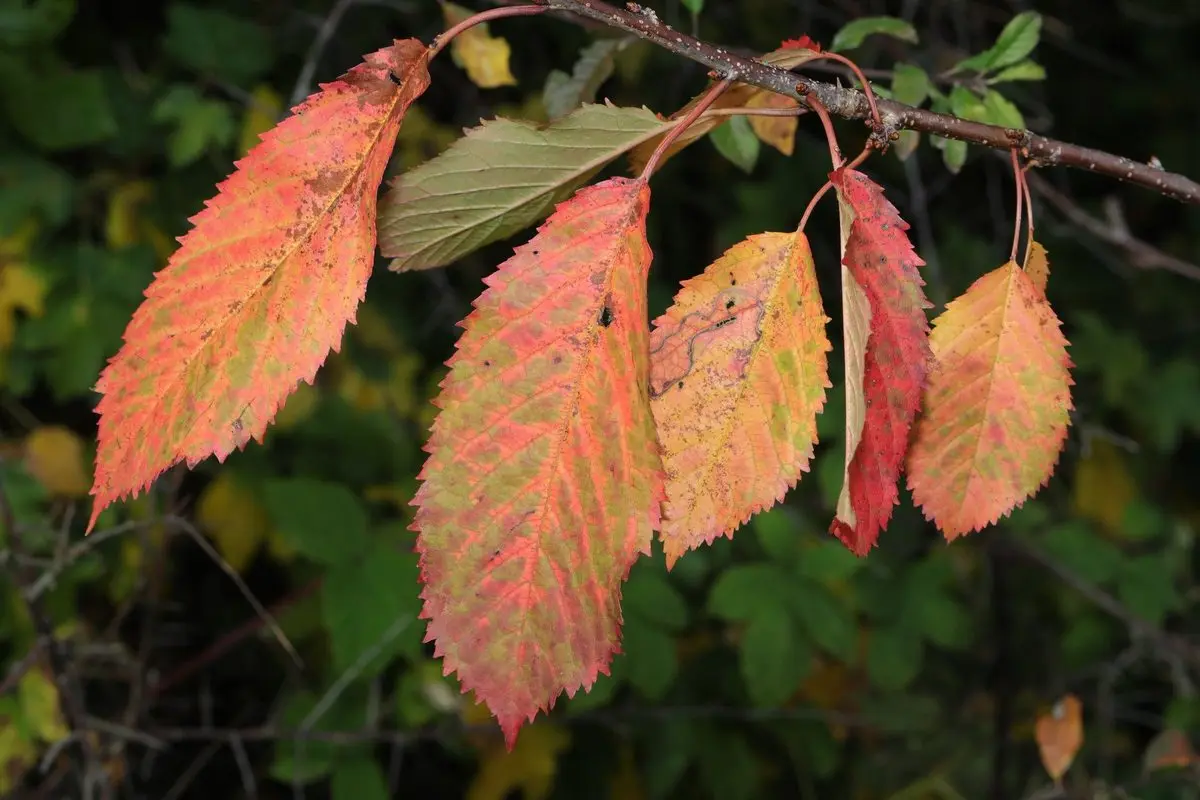 Wild cherryScarlet
Red, orange and gold leaves on one tree.September to OctoberHow to identify it →
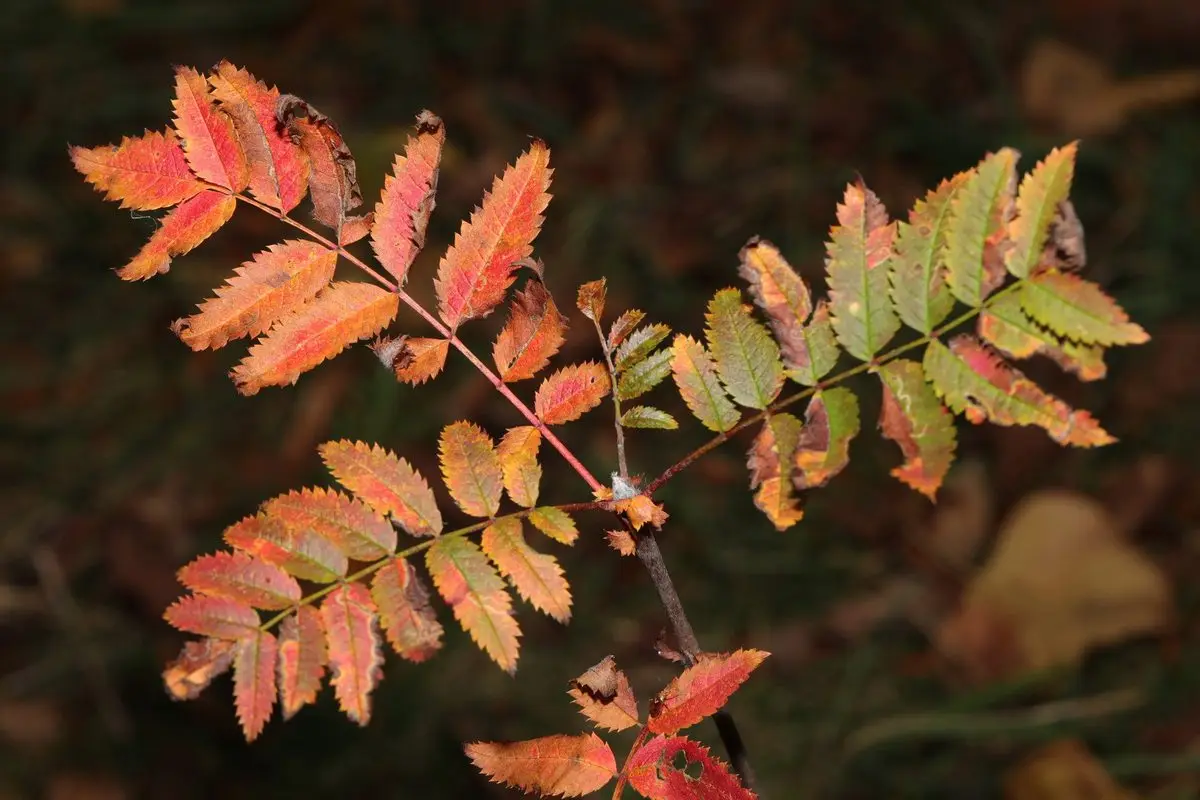 RowanFirst orange
Leaves turning orange, a little at a time.September to NovemberHow to identify it →
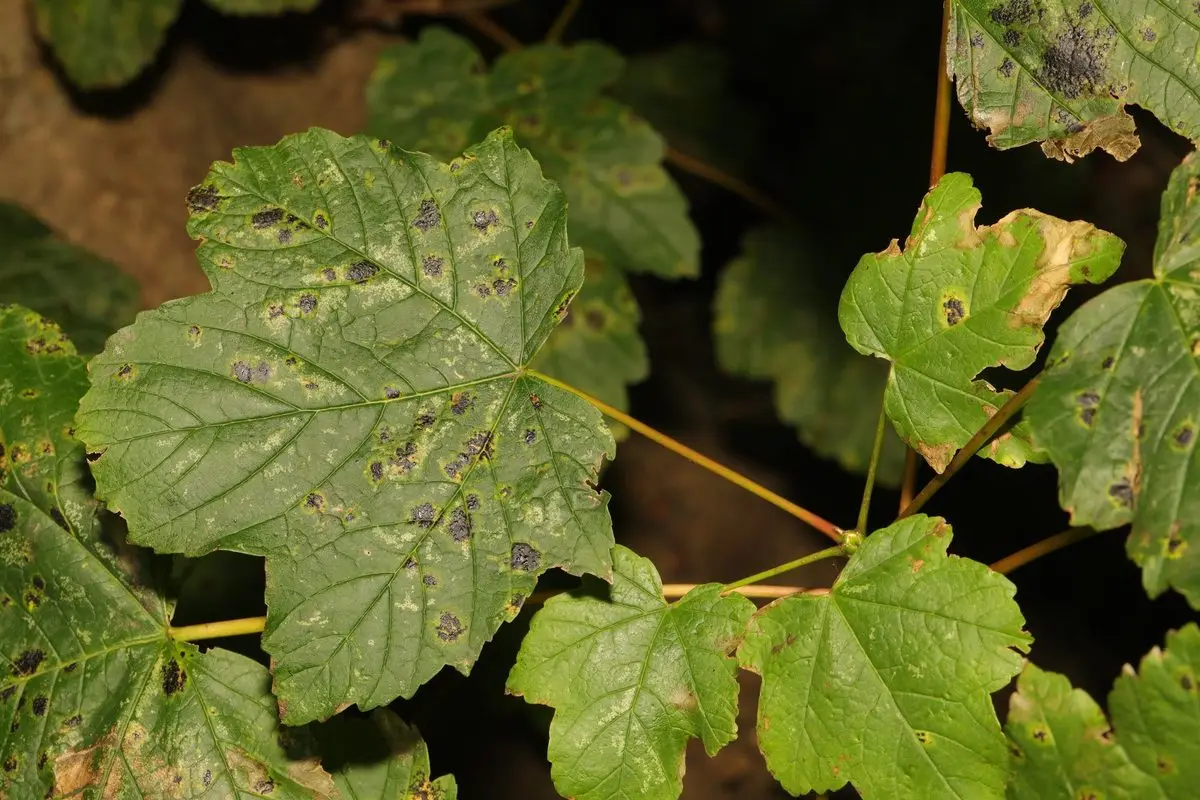 SycamoreTar spot
Black blotches ringed in yellow on turning leaves.August to NovemberHow to identify it →
Coming in November
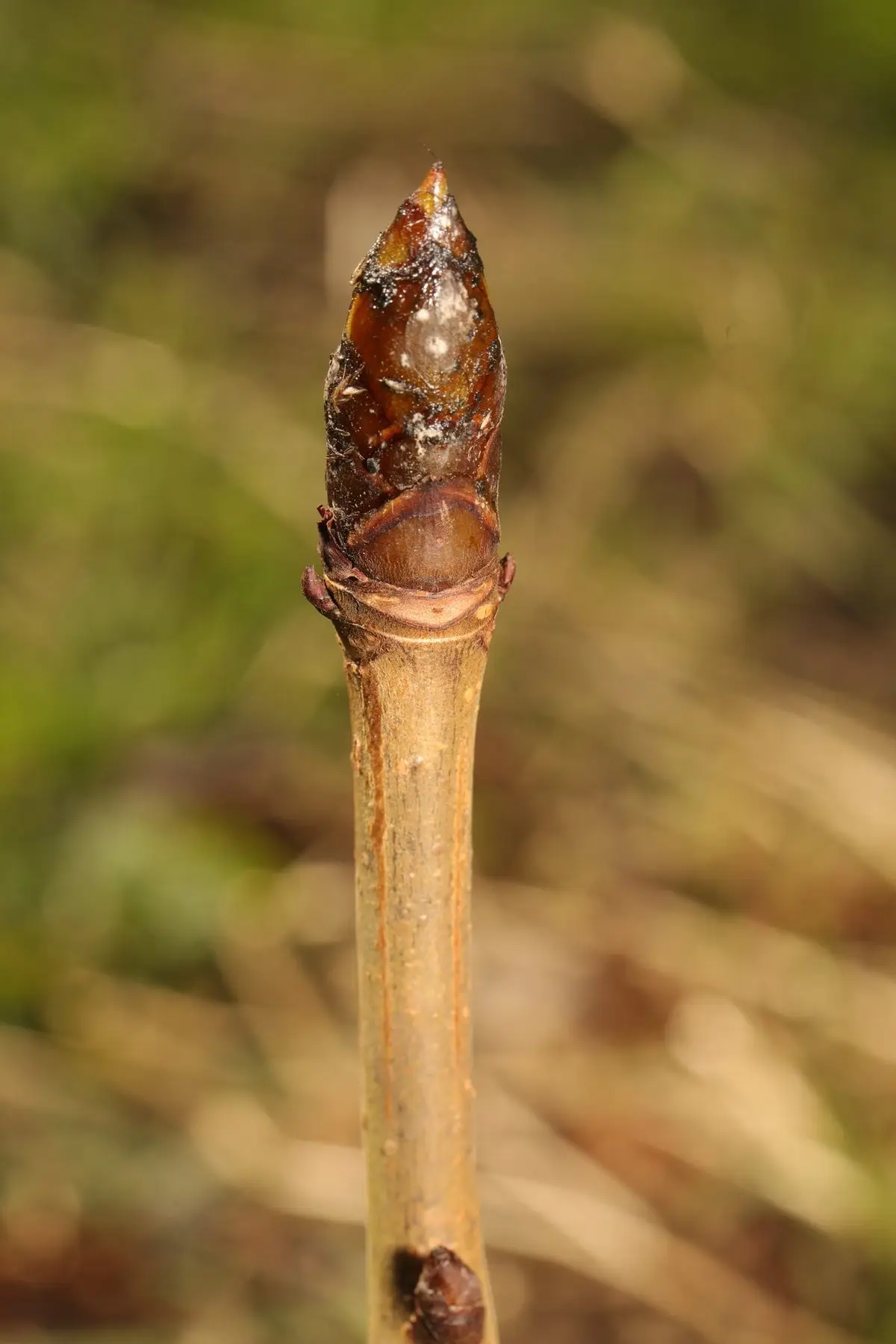 Horse chestnutSticky buds
Fat reddish brown buds, sticky to the touch.November to MarchHow to identify it →
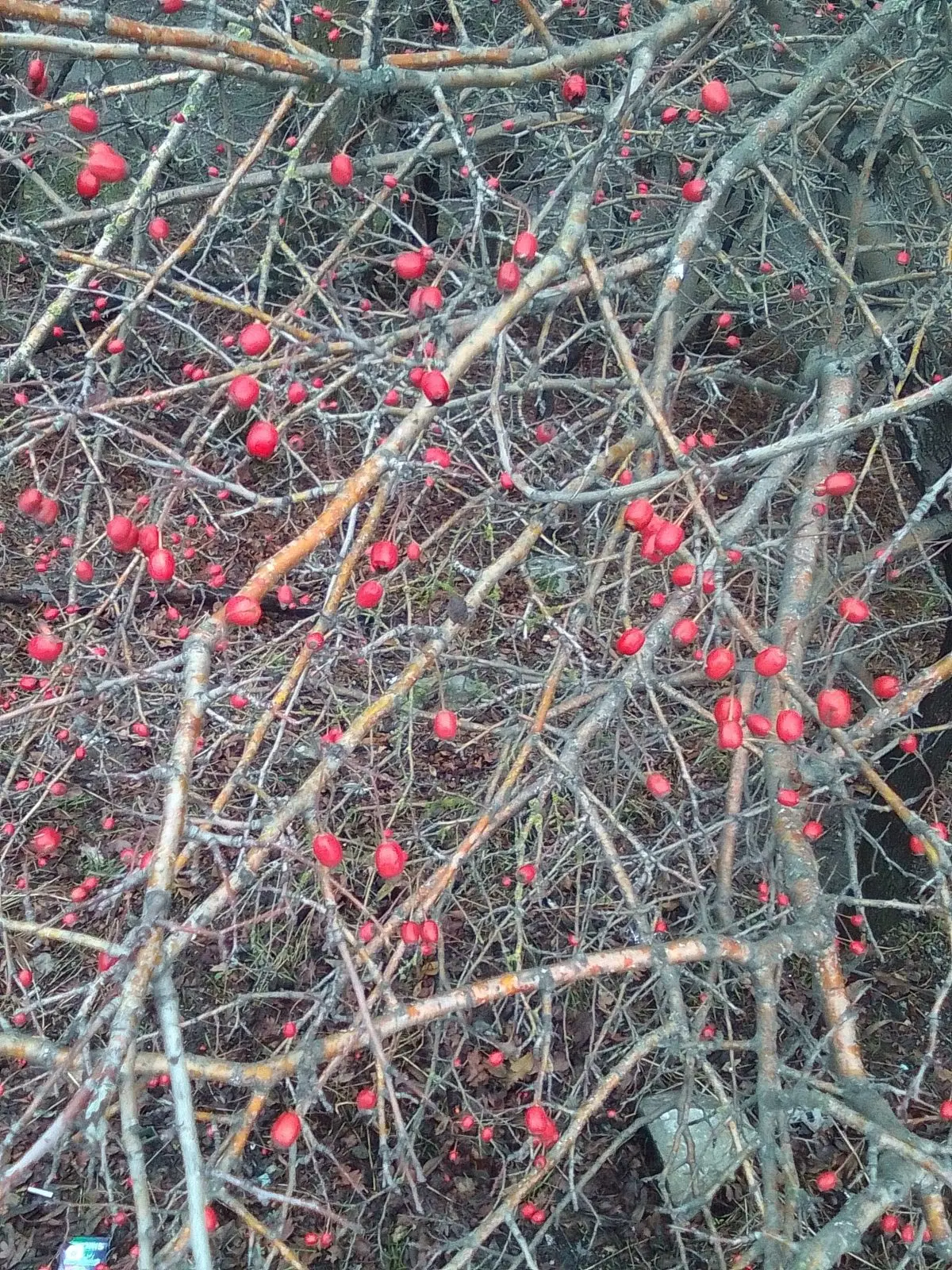 Михаил Орлов, CC BY 4.0HawthornThorns
Bare twigs set with sharp thorns.November to MarchHow to identify it →
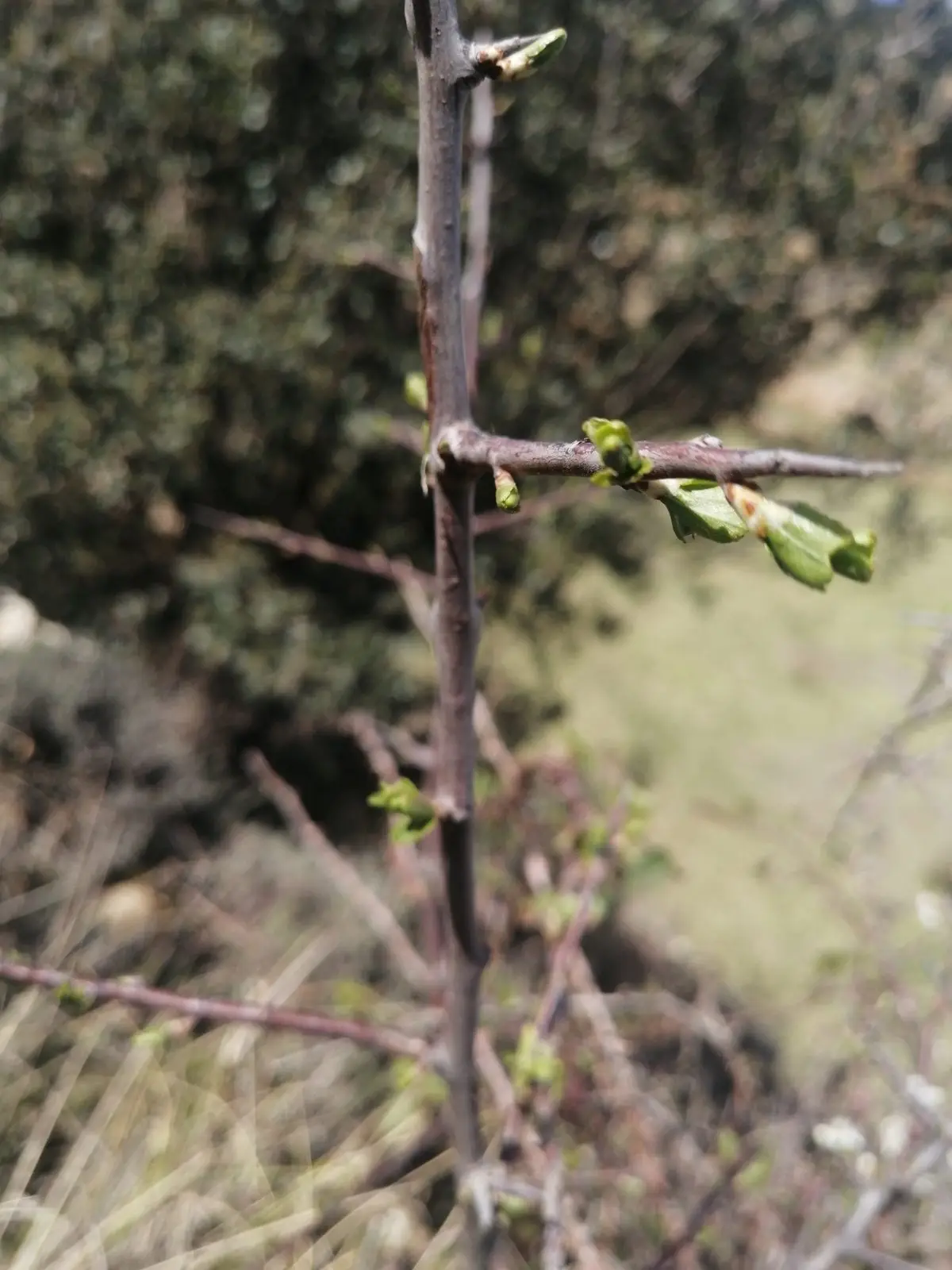 BlackthornBlack thorns
Dark twigs with long thorns and tiny buds.November to MarchHow to identify it →
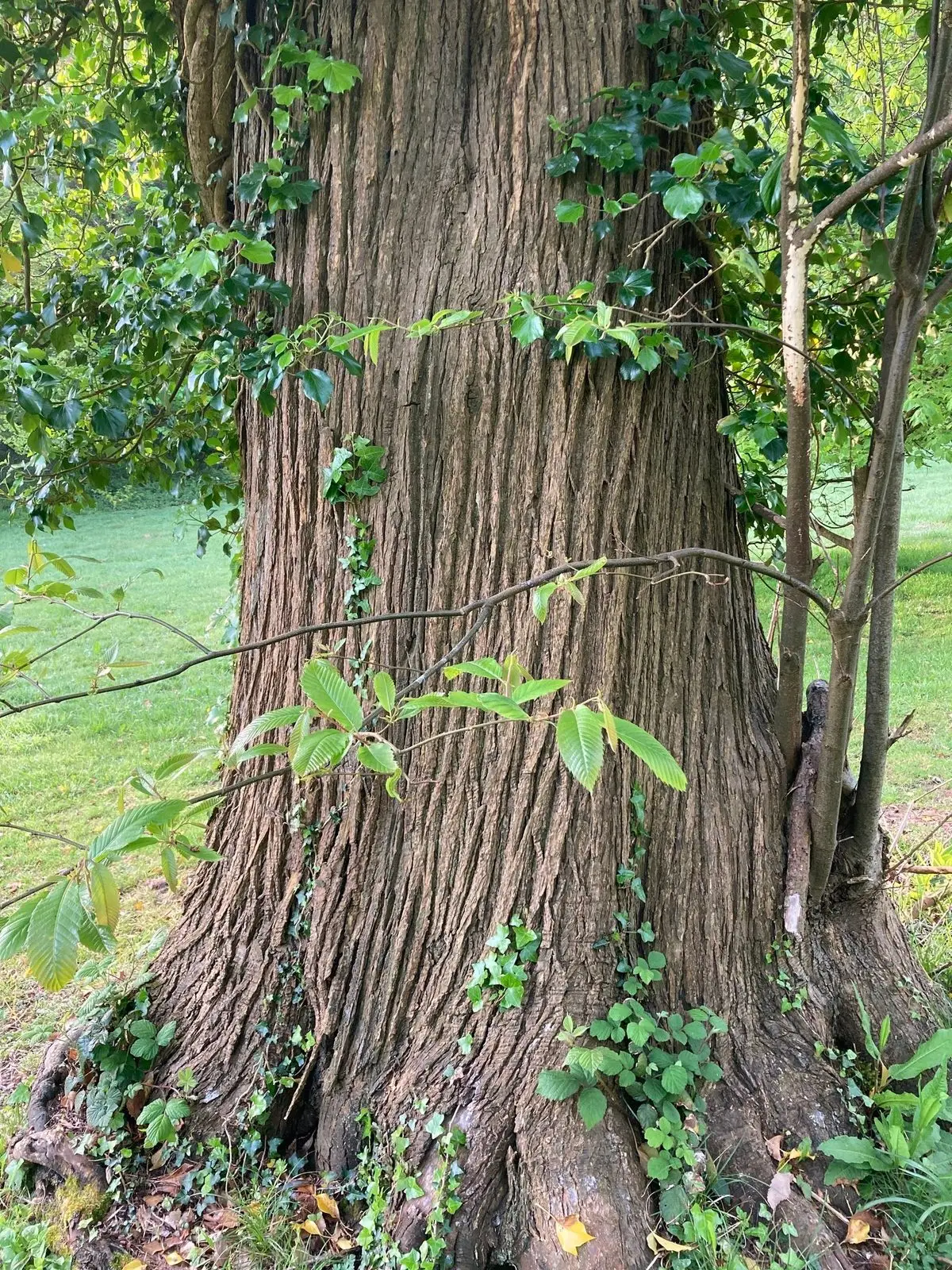 Nick Butcher, CC BY 4.0Sweet chestnutSpiral bark
Bark ridges twisting round the trunk as they climb.November to MarchHow to identify it →
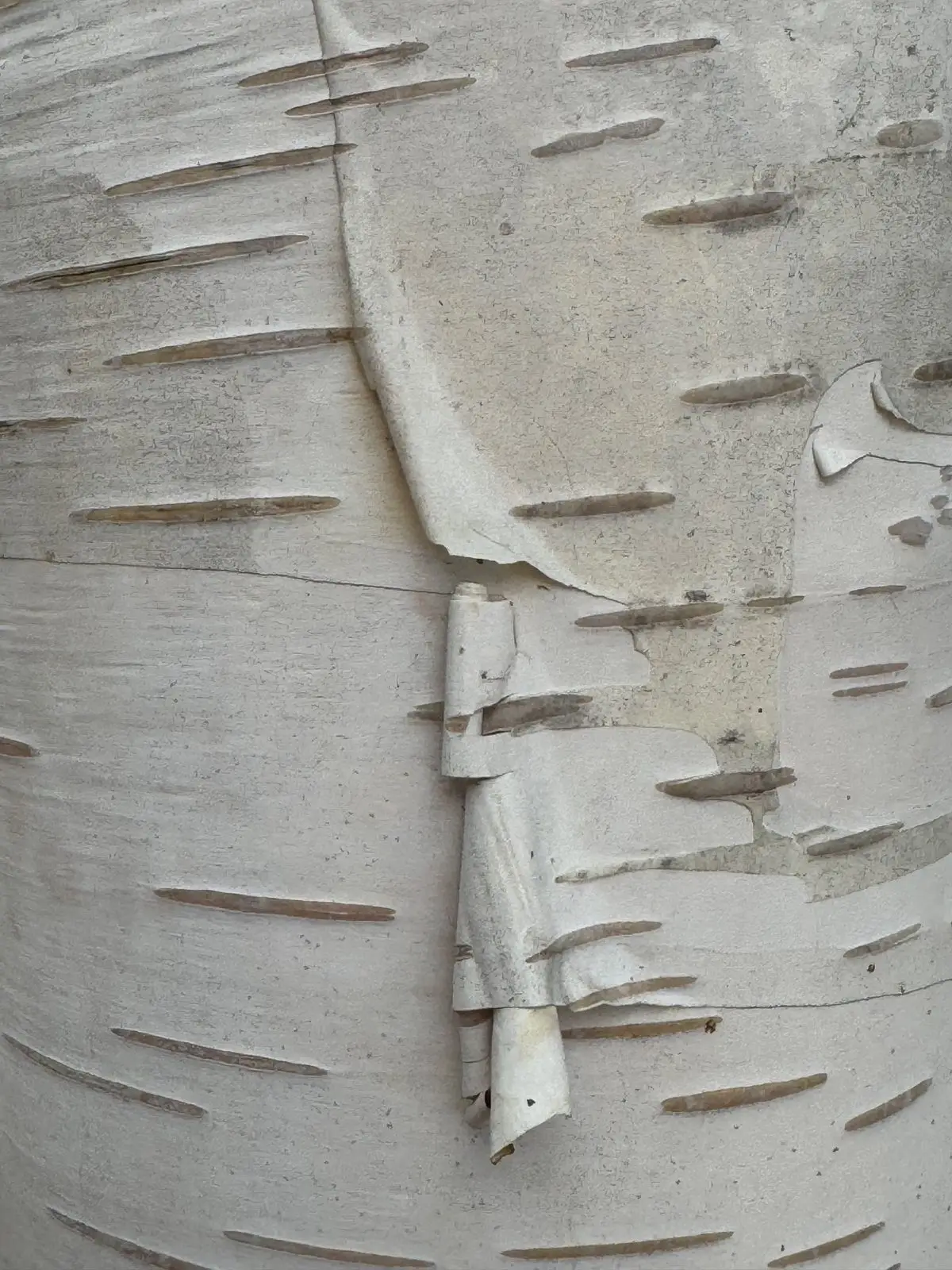 Silver birchWhite trunk
A white trunk with black diamond marks.November to MarchHow to identify it →
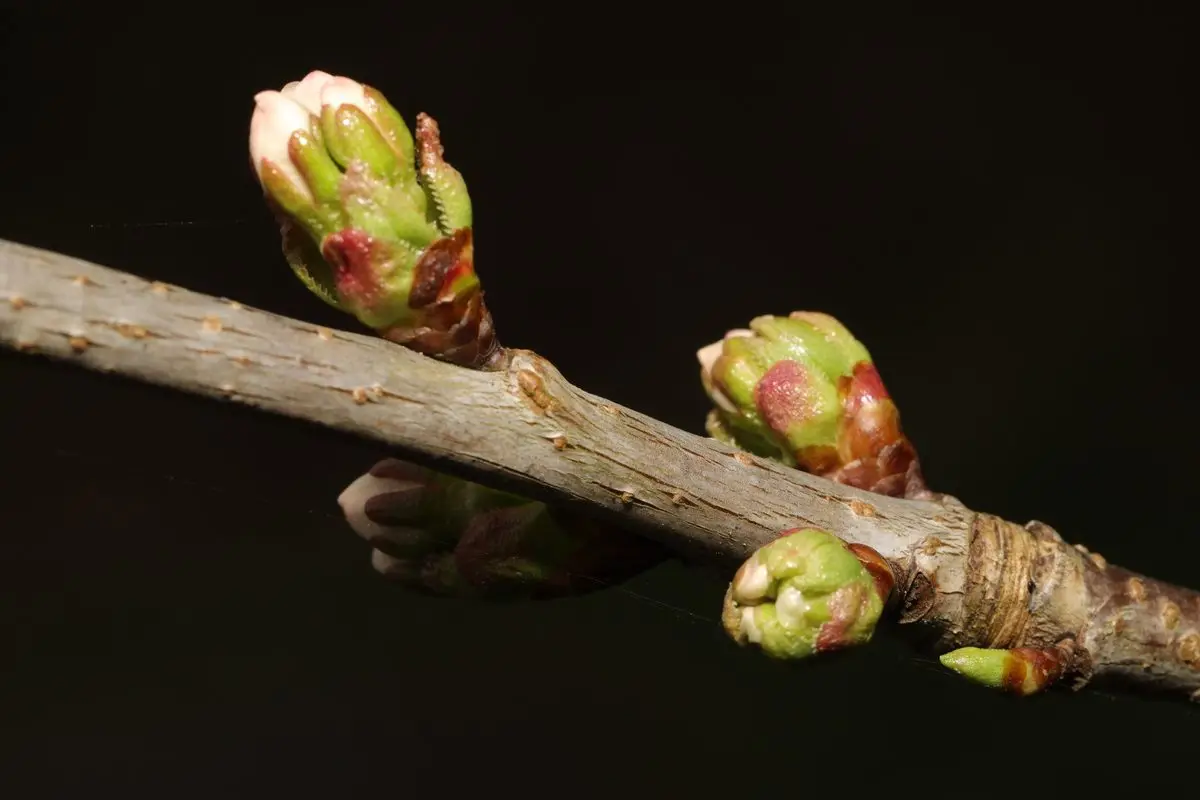 Wild cherryBud spurs
Bunches of buds on short, stubby side shoots.November to MarchHow to identify it →
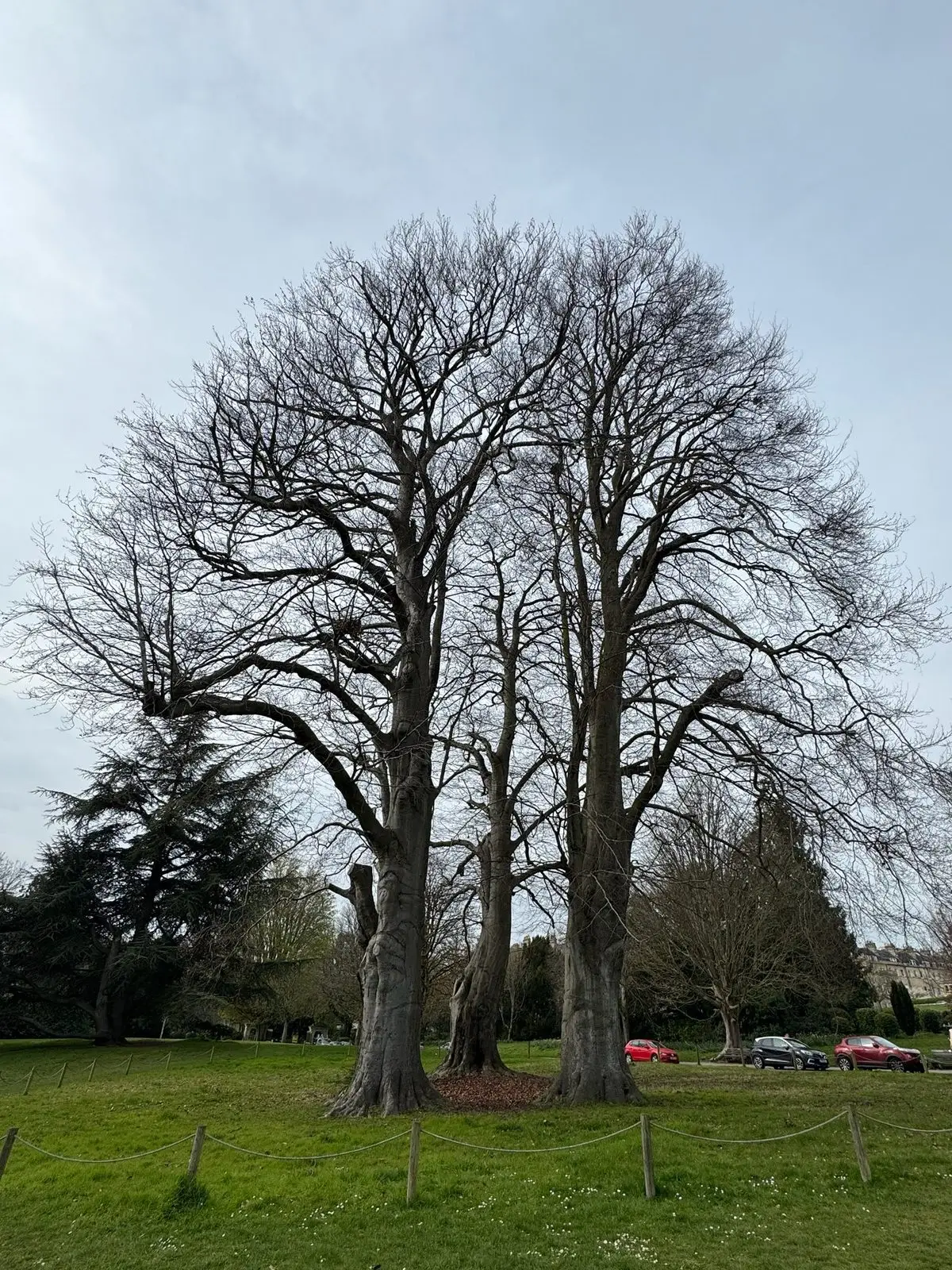 Rachel Godfrey, CC BY 4.0Common beechGrey trunk
A long, smooth, silvery grey trunk.November to MarchHow to identify it →
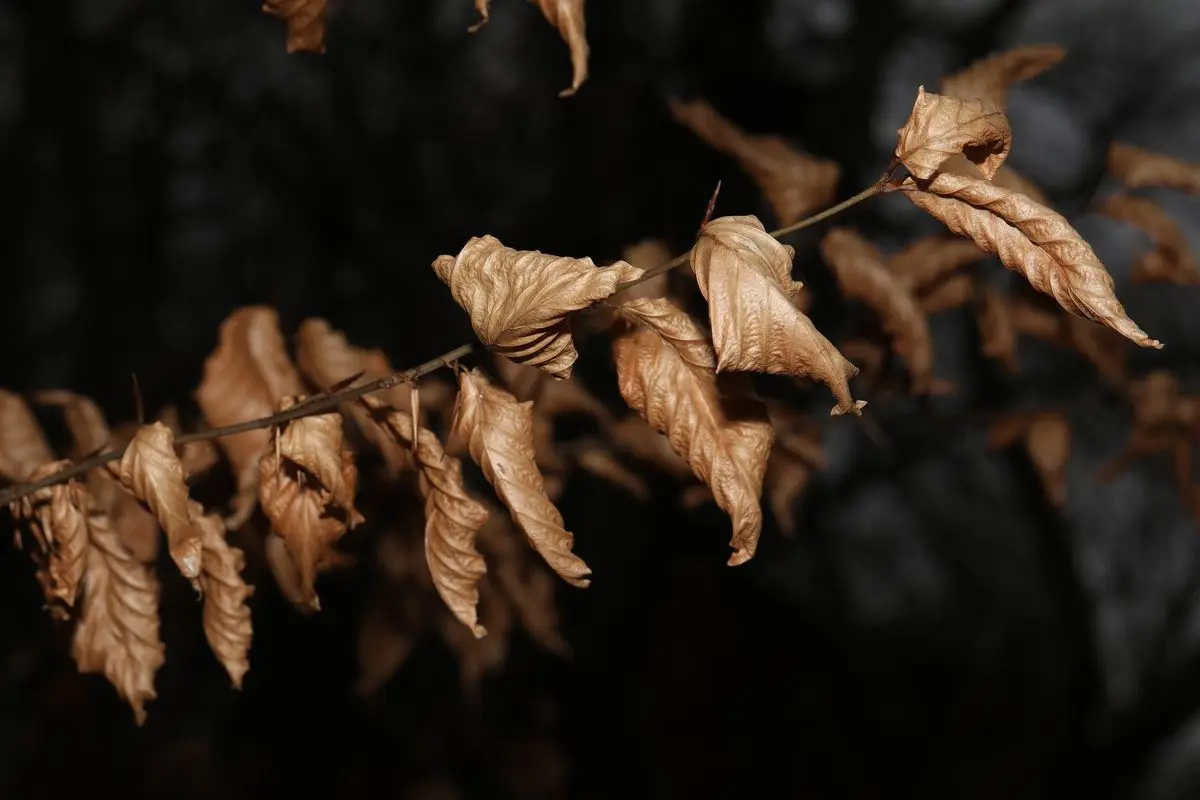 Common beechCopper leaves
Dead copper leaves hanging on the lower branches.November to MarchHow to identify it →
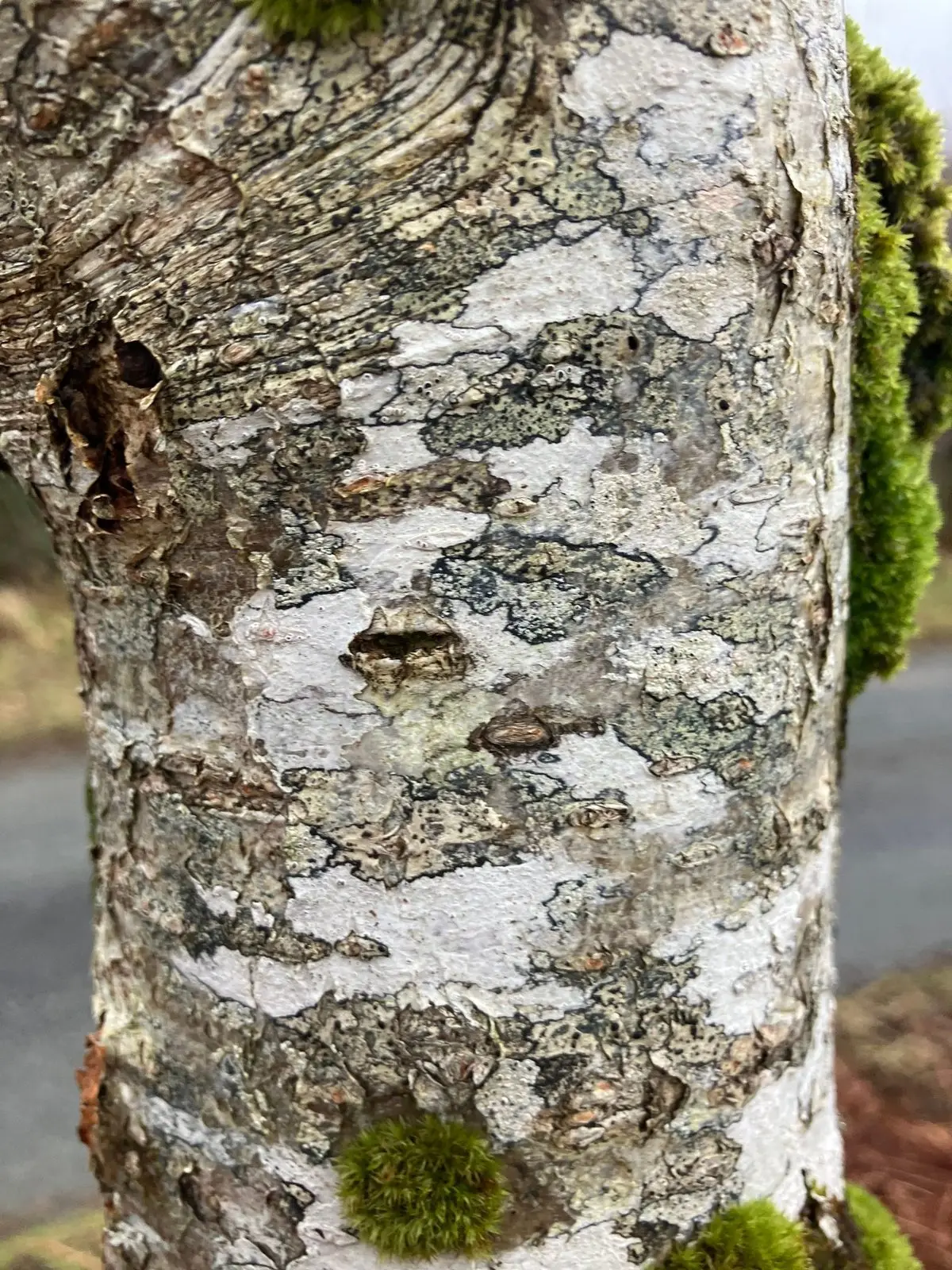 anguspritchard, CC BY 4.0RowanSilver bark
Smooth silvery grey bark, streaked with dark dashes.November to MarchHow to identify it →
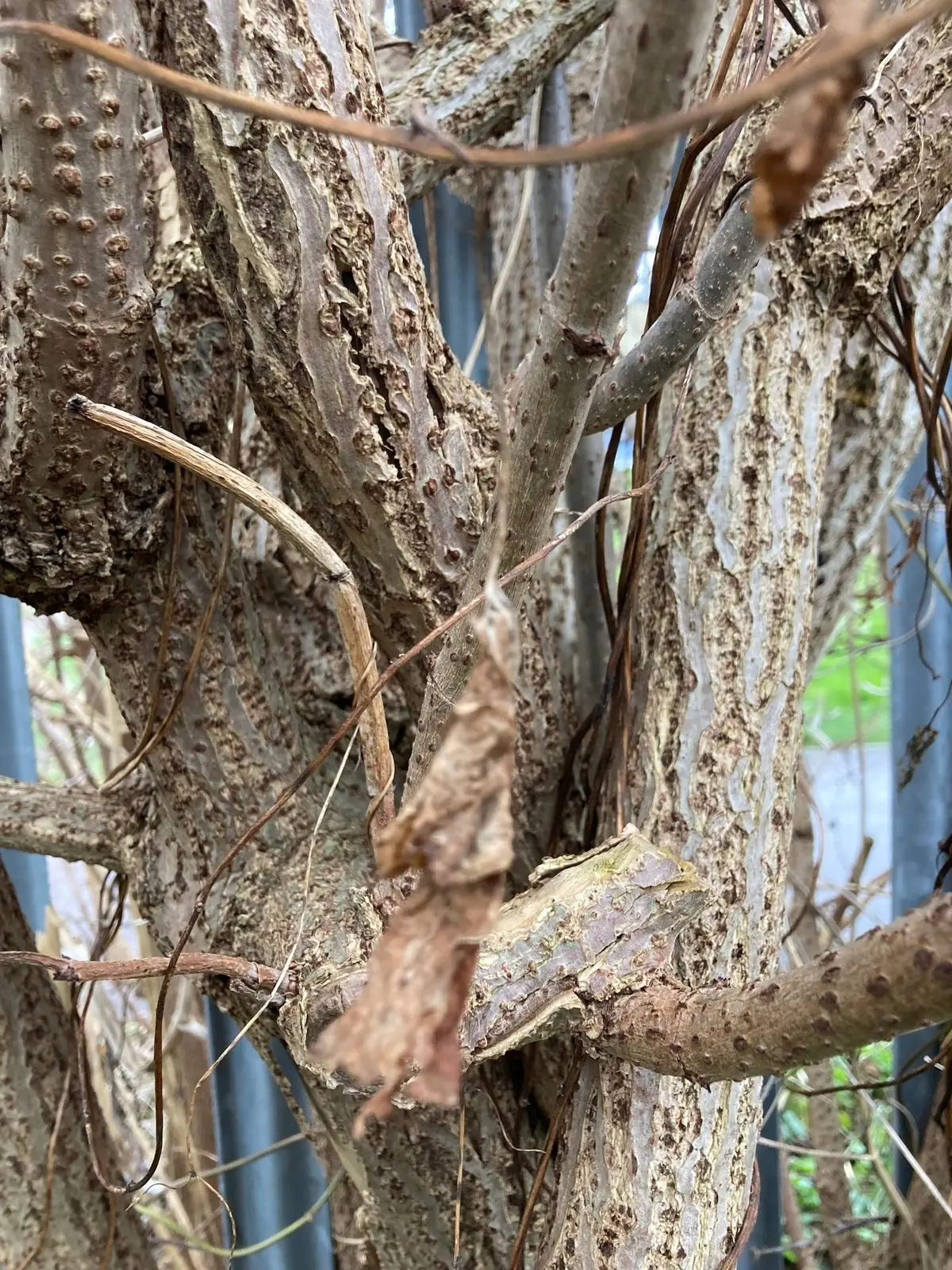 Lauren Ware, CC BY 4.0ElderWarty twigs
Creamy grey twigs covered in raised warts.November to FebruaryHow to identify it →
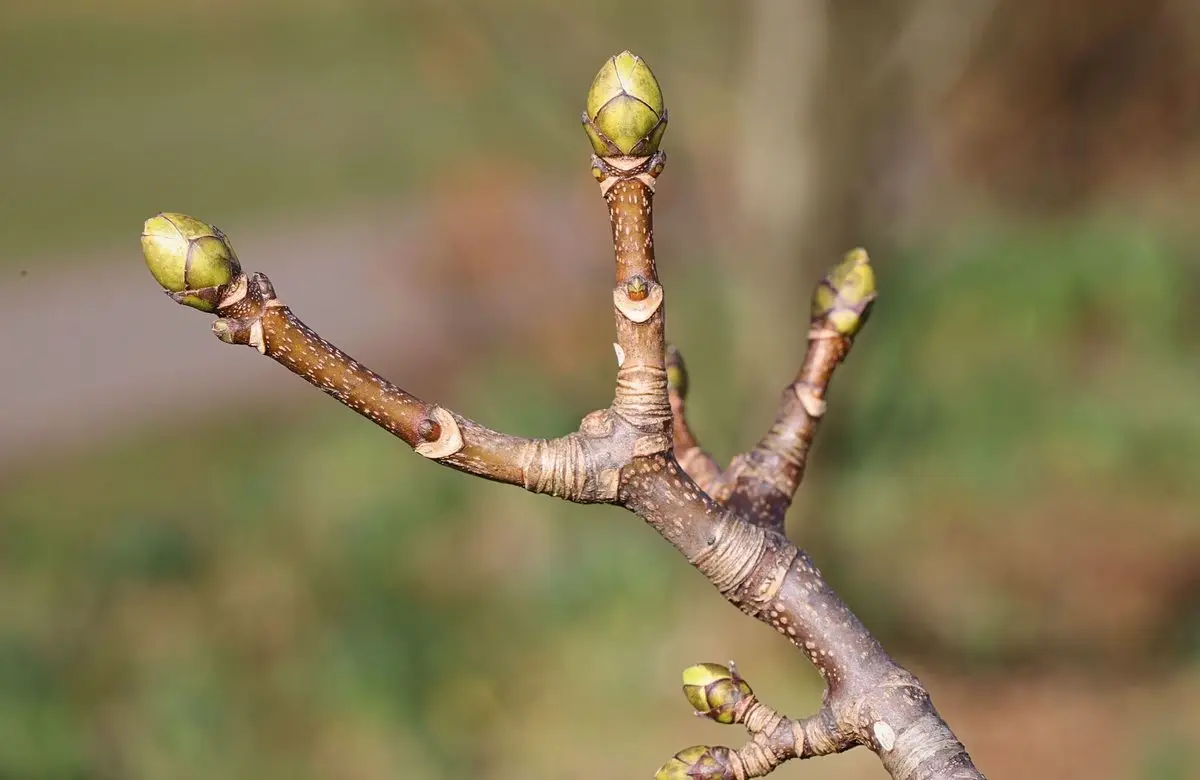 SycamoreGreen buds
Fat green buds in matching pairs on stout twigs.November to MarchHow to identify it →
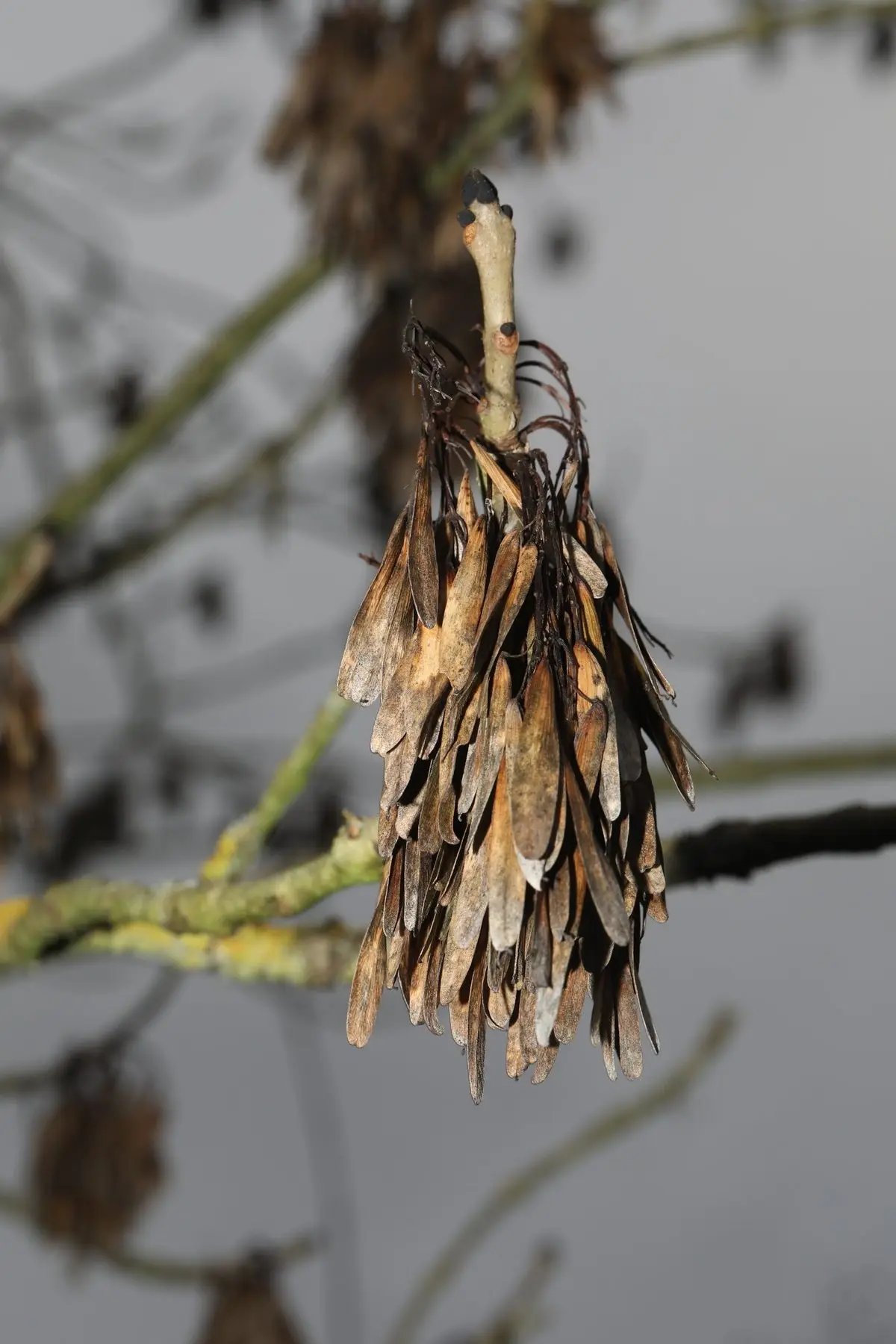 Common ashWinter keys
Brown papery keys hanging in bunches, rattling in wind.November to MarchHow to identify it →
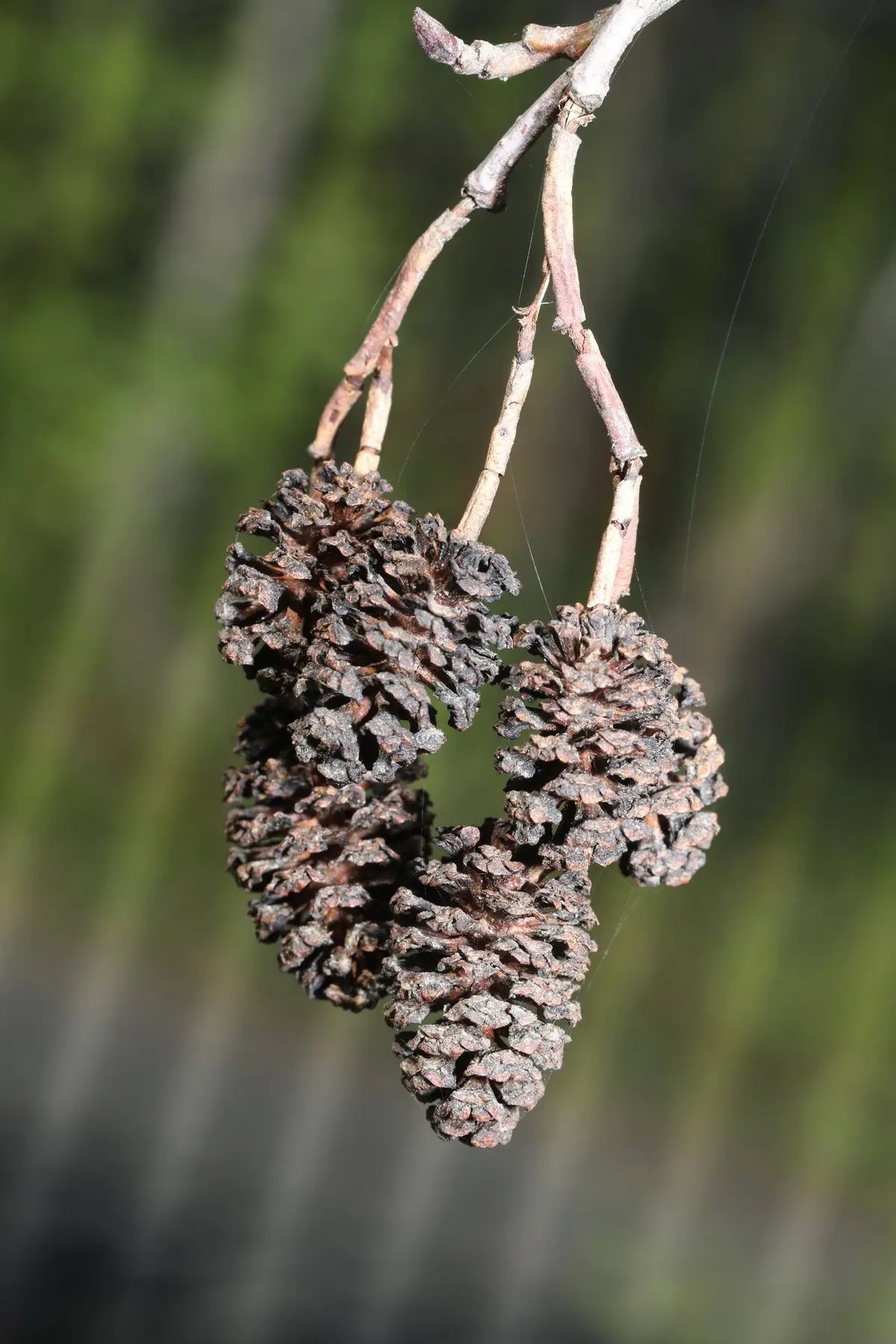 AlderBlack cones
Hard black cones, small and woody, on bare twigs.November to JanuaryHow to identify it →
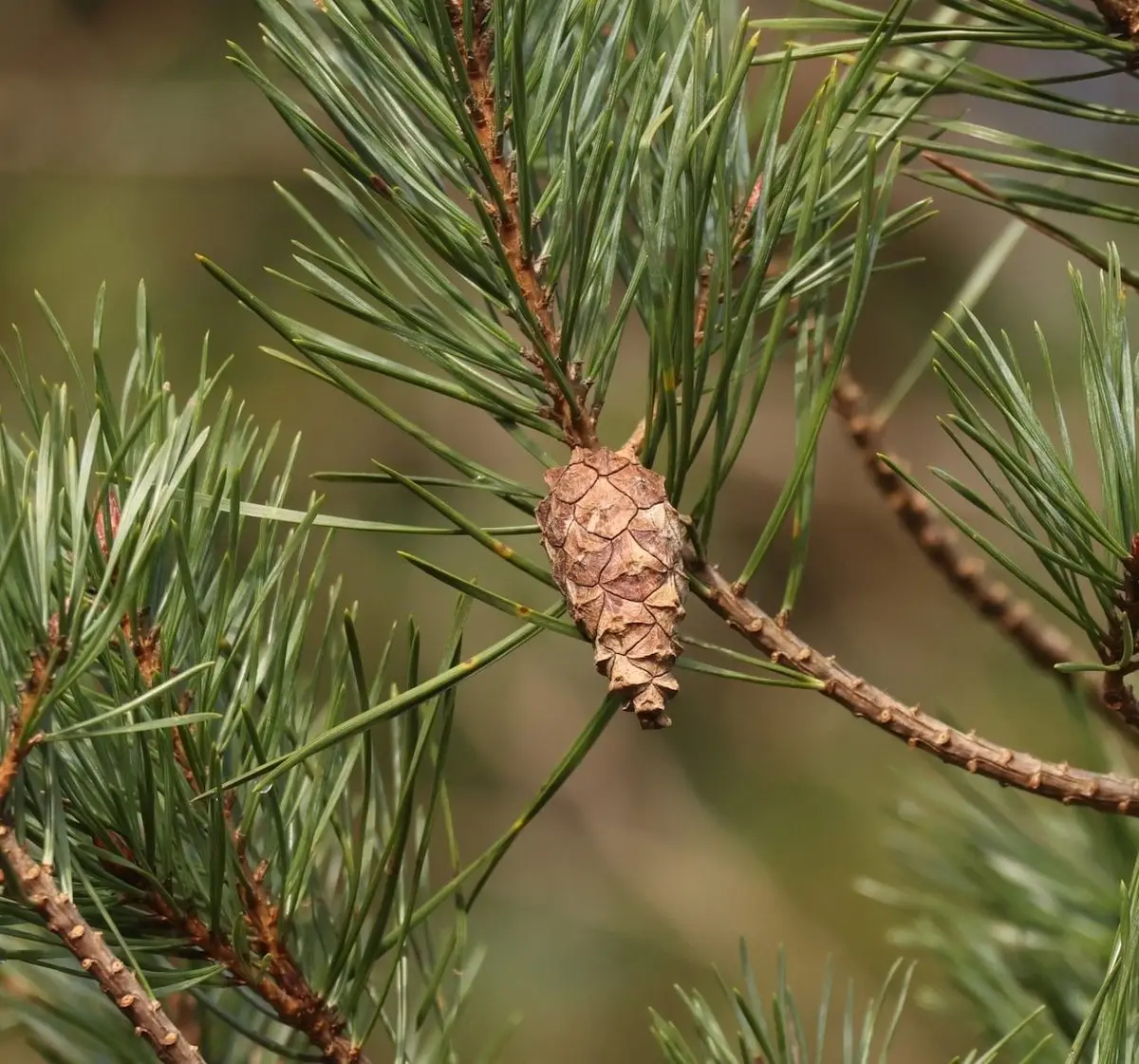 Jerry Lanfear, CC BY 4.0Scots pineRipe cones
Greyish brown cones, shut tight on the branches.November to MarchHow to identify it →
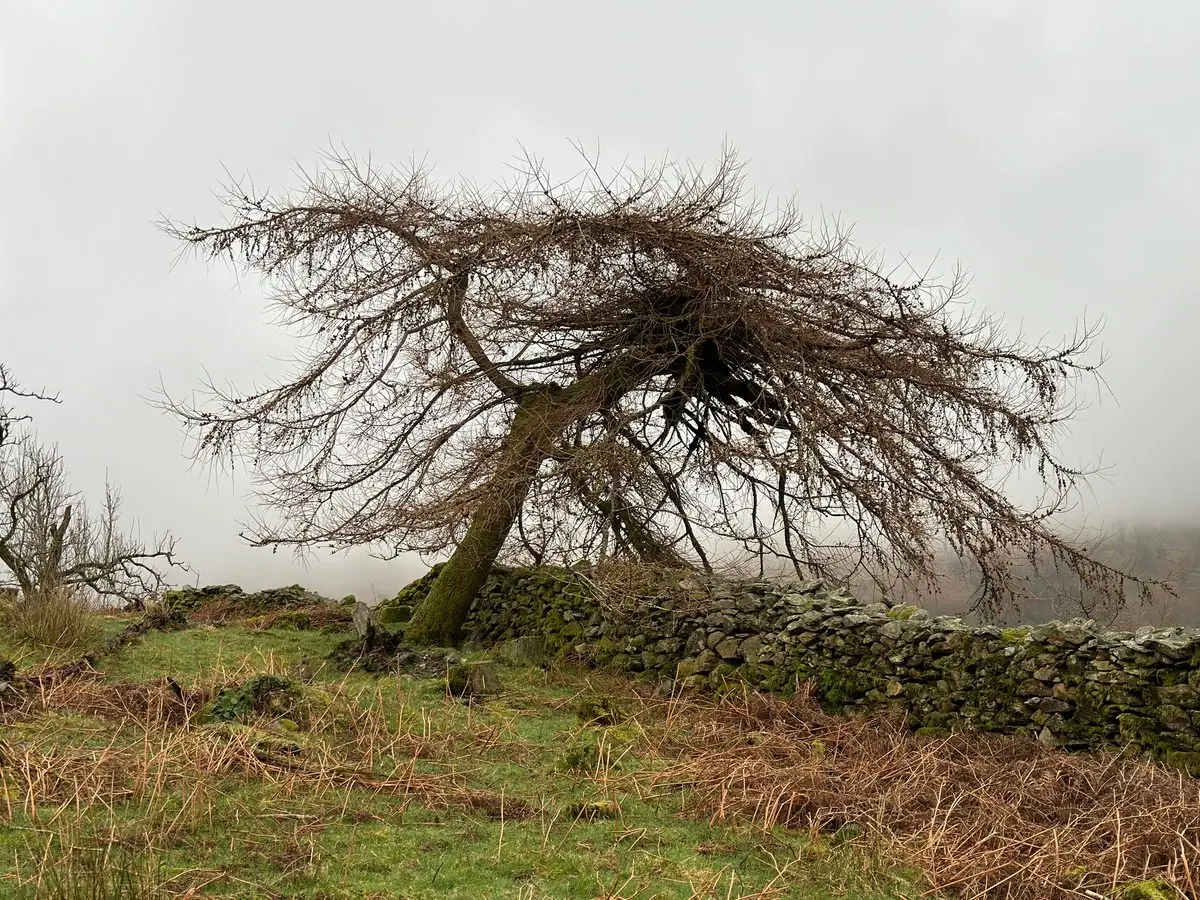 Tom Garner, CC BY 4.0European larchBare conifer
A conifer standing bare, with no needles on it.November to MarchHow to identify it →
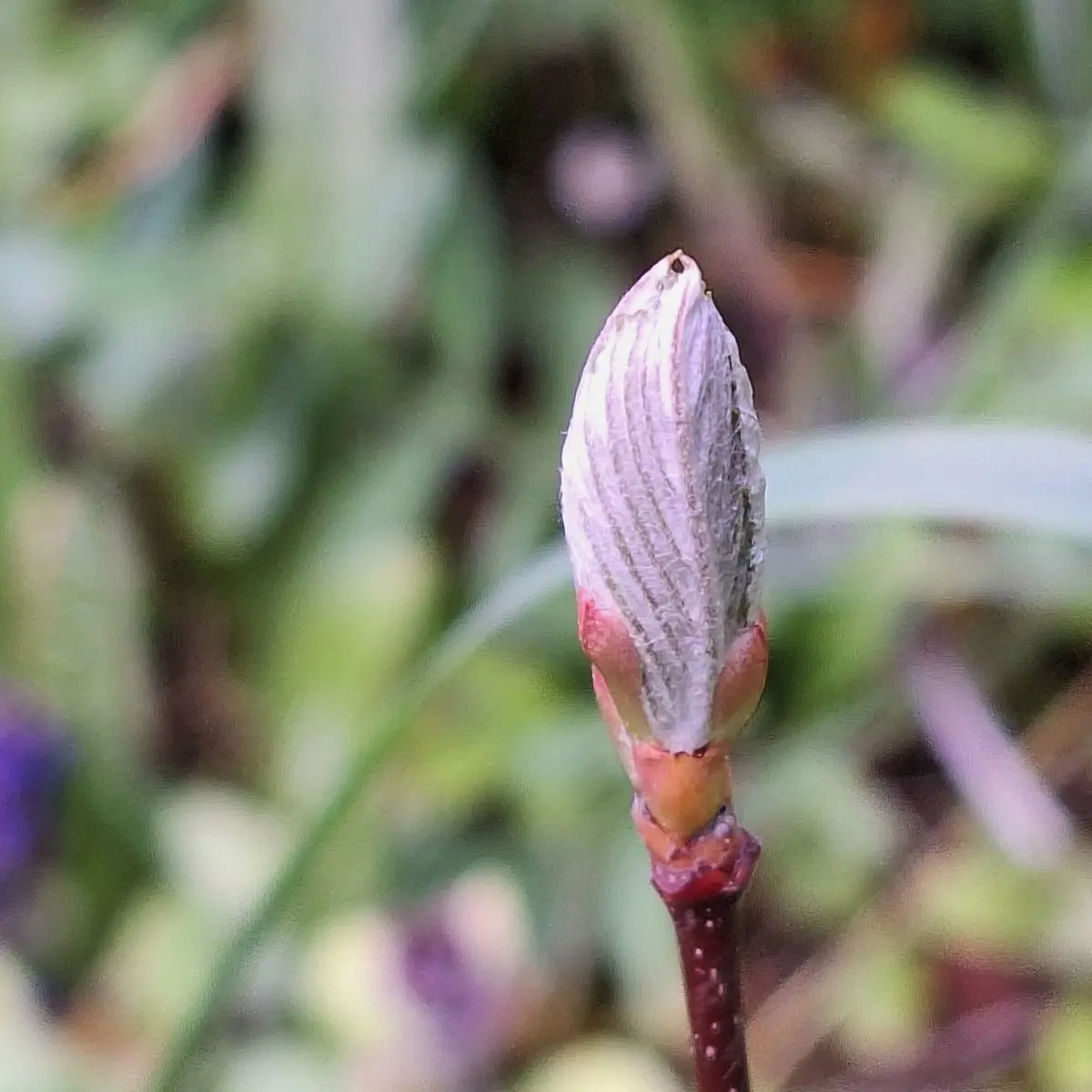 Marek Hrušovský, CC BY 4.0Common whitebeamWinter buds
Neat cone-shaped buds on bare shoots.November to MarchHow to identify it →
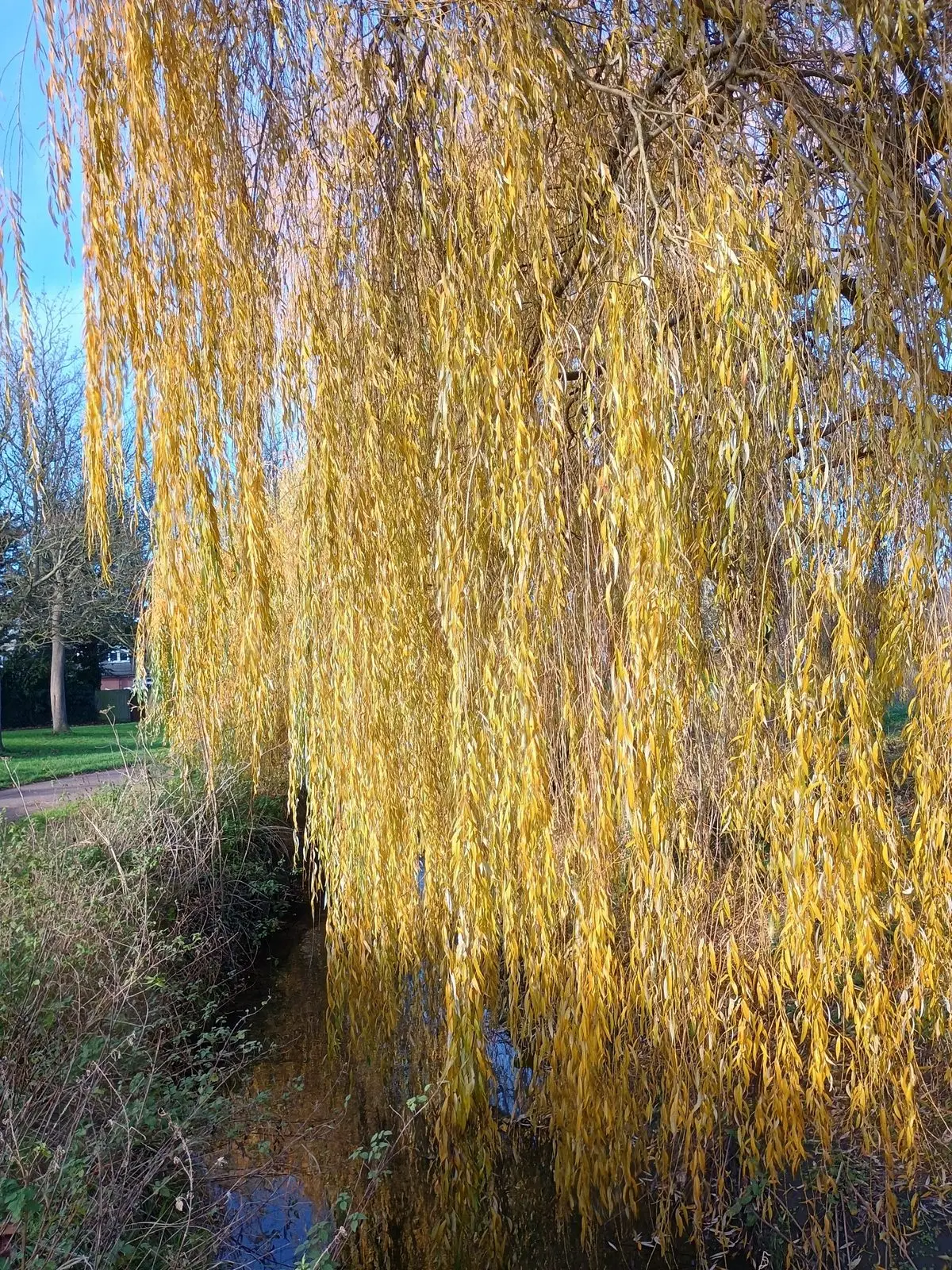 maxmarengo, CC BY 4.0Weeping willowGold curtain
The whole hanging curtain turned gold.November to DecemberHow to identify it →
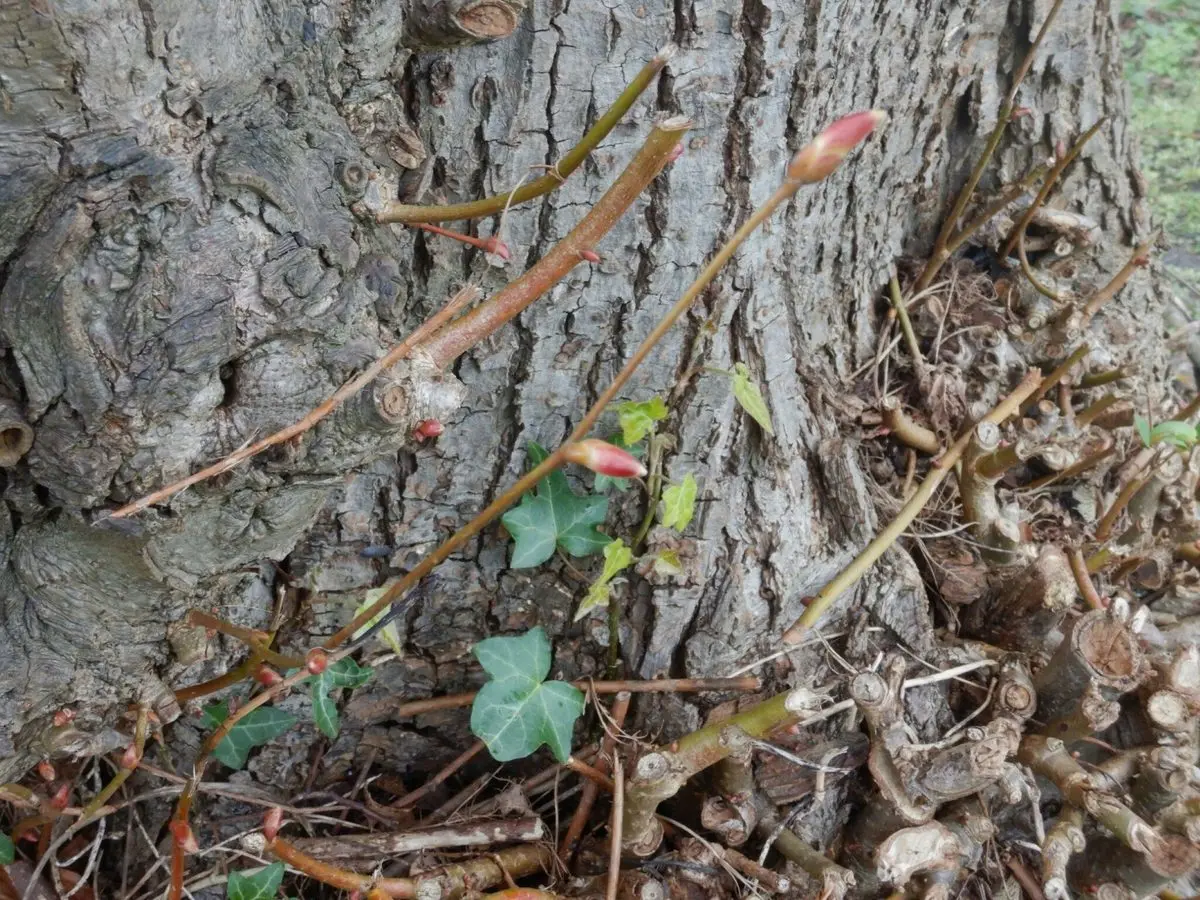 Common limeTwiggy base
Twiggy sprouts crowding the foot of a bare trunk.November to MarchHow to identify it →
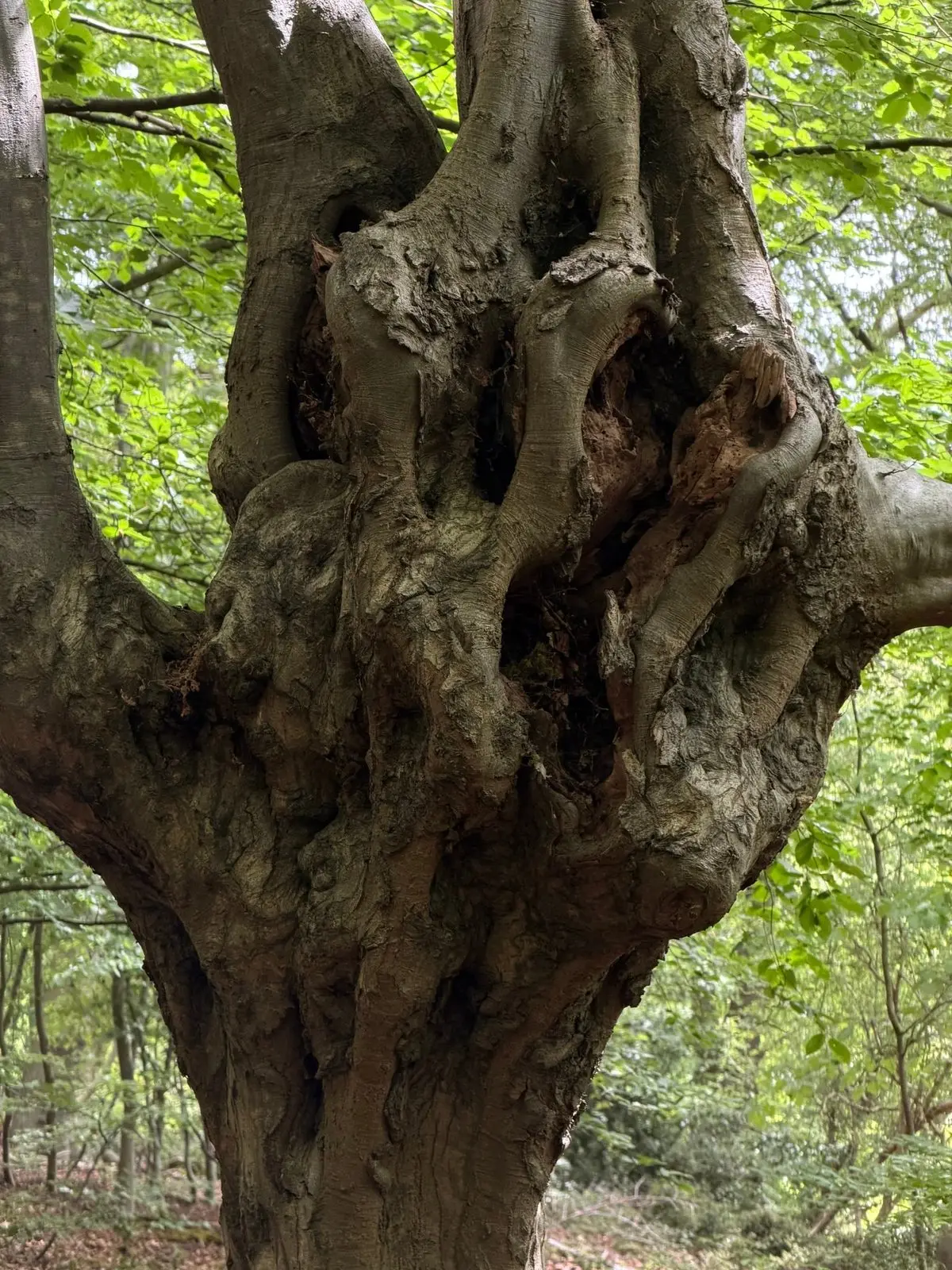 Ewan Shilland, CC BY 4.0HornbeamRidged trunk
A grey trunk rippled with ridges.November to MarchHow to identify it →
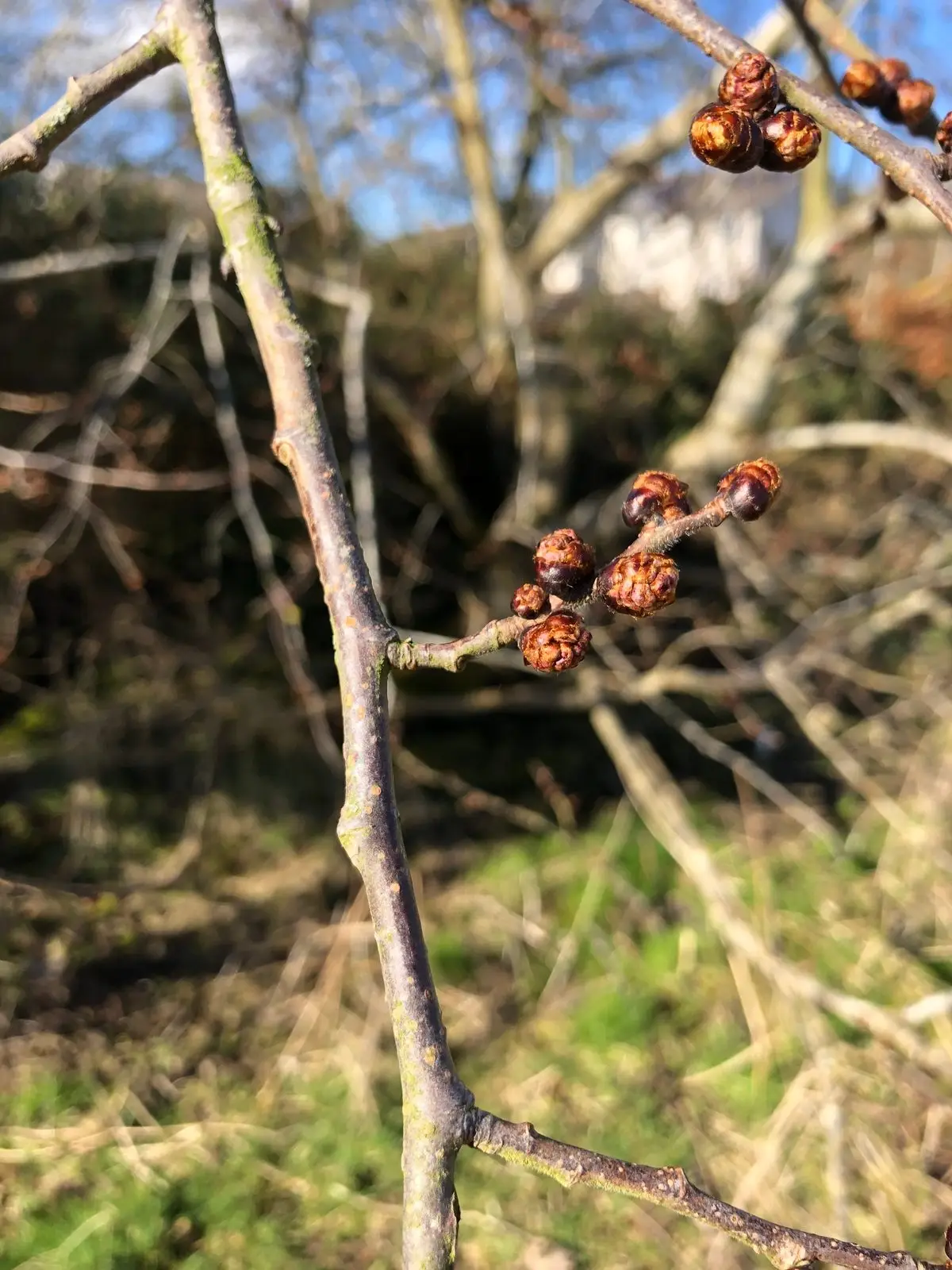 hadynrmurray, CC BY 4.0Wych elmHairy buds
Stout grey twigs covered in stiff orange hairs.November to FebruaryHow to identify it →
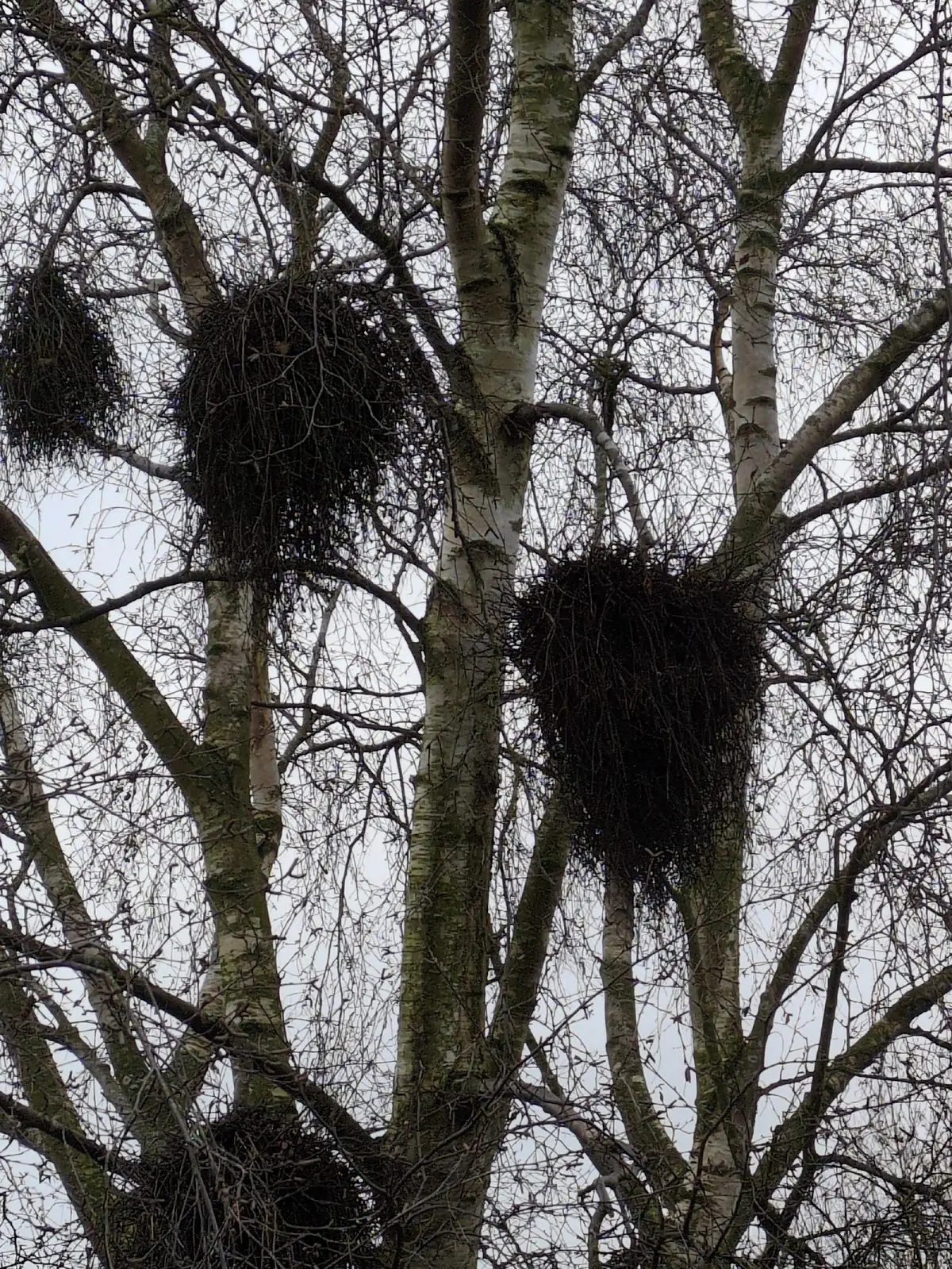 guywallbanks, CC BY 4.0On birchWitches' broom
A dense ball of twigs high in a bare birch.November to March
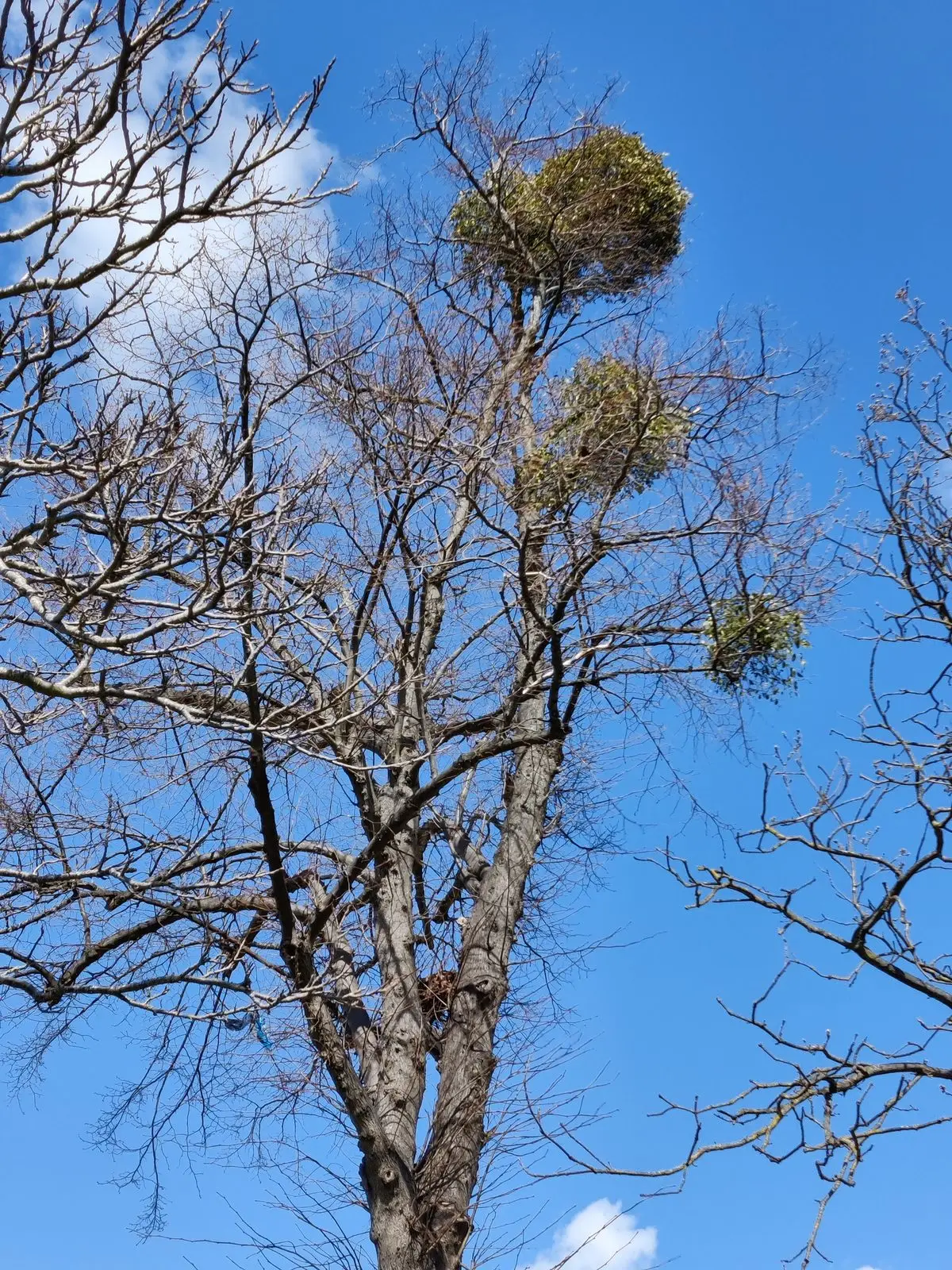 pmcabinet, CC BY 4.0On lime, poplar, apple and hawthornMistletoe
A green ball in a bare tree.November to March
Take it on your walk
- What’s out, every weekThree things to find on the trees this week
- What to look forEvery part of each tree in real photographs
- Your collectionEvery find you photograph, in its numbered place
- A short round each dayUntil you know them on sight
Free to download.
Photographs: Susan Marley (CC BY 4.0), steve_mcwilliam (CC0), Mark Partington (CC BY 4.0), Daniel Cahen (CC BY 4.0), Marc Riera (CC BY 4.0), Dave Shenton (CC BY 4.0), olearam (CC0), gwynmwilliams (CC BY 4.0), Julia Henning (CC BY 4.0), Melanie Stanton (CC BY 4.0), magicmjk (CC0), Leon Cross (CC BY 4.0), Alex Worsey (CC BY 4.0), Alex Press (CC BY 4.0), cjoynson (CC0), ikelman (CC BY 4.0), Scott Shanks (CC BY 4.0), colinwilson1 (CC0), Михаил Орлов (CC BY 4.0), gerardgaya (CC0), Nick Butcher (CC BY 4.0), Rachel Godfrey (CC BY 4.0), anguspritchard (CC BY 4.0), Lauren Ware (CC BY 4.0), Jerry Lanfear (CC BY 4.0), Tom Garner (CC BY 4.0), Marek Hrušovský (CC BY 4.0), maxmarengo (CC BY 4.0), pete_gateley (CC0), Ewan Shilland (CC BY 4.0), hadynrmurray (CC BY 4.0), guywallbanks (CC BY 4.0), pmcabinet (CC BY 4.0). With thanks to everyone who shares their photographs on iNaturalist and Wikimedia Commons.